
The Strategic Significance of Upgrading Symbols in Digital Slot Games
The rapidly evolving landscape of digital casino gaming presents operators with nuanced mechanics that can significantly influence player engagement and profitability. Among these mechanics, symbol upgrades—particularly the comparison between “upgrade all symbol” versus “regular upgrade” features—have become focal points in game design and monetisation strategies. To fully appreciate the implications, it is essential to explore the role of symbol upgrade mechanics within the broader context of gamification, player psychology, and industry standards.
Understanding Symbol Upgrade Mechanics
Slot games increasingly incorporate advanced features to enhance player interaction, with symbol upgrades playing a pivotal role. Broadly, these mechanics can be categorised into two types:
- Regular Upgrade: Upgrades triggered upon specific conditions, affecting only certain symbols or a subset on the reels.
- Upgrade All Symbol: A more aggressive mechanic where all relevant symbols are upgraded simultaneously, often in a single event or betting round.
While the former offers controlled enhancement, allowing players to anticipate and strategise, the latter aims to generate excitement through dramatic visual and mechanical shifts across the game interface.
Industry Data and Player Psychology
Empirical studies in game design illustrate how symbol upgrade features influence player retention and in-game spending. For example, data from leading UK-focused slot developers show that games with upgrade all symbol features tend to exhibit higher volatility, encouraging longer play sessions but also increasing the risk of player fatigue if not balanced correctly.
“Strategic implementation of symbol upgrades can boost session lengths by up to 25%. However, the key lies in balancing frequency to prevent player frustration,” notes Dr. Emily Carter, a researcher specialising in gamification psychology.
Moreover, the anticipation generated by a successful upgrade—particularly when all symbols are enhanced—can trigger dopamine-driven rewards, compelling players to chase the high-impact moments repeatedly.
Technical and Design Considerations
The choice between “upgrade all symbol” versus “regular upgrade” also hinges on technical implementation and desired gameplay dynamics. From a development perspective, “upgrade all” mechanics demand complex programming to synchronise visual effects with backend logic, ensuring seamless user experience. Conversely, regular upgrades are more straightforward but may lack the dramatic payoff players seek.
Designers often deploy these features tactically, for example, during bonus rounds to amplify excitement or as part of progressive jackpots where each upgrade cumulatively increases potential payouts.
Case Study: Enhancing Player Engagement Through Symbol Mechanics
| Feature Type | Average Session Duration | Player Retention Rate | In-Game Spend Increase |
|---|---|---|---|
| Regular Upgrade | 15 min | 65% | 8% |
| Upgrade All Symbol | 19 min | 78% | 15% |
This data underscores how comprehensive symbol upgrades can serve as a crucial differentiator in user experience, especially within a competitive UK gaming market that values both innovation and fairness.
Implications for Operators and Developers
By meticulously designing coin mechanics—specifically deciding *when* and *how* to utilise symbol upgrades—operators can optimise revenue streams and foster loyalty. It is imperative, however, that the mechanic chosen aligns with player expectations and regulatory standards, such as transparency and fairness outlined by the UK Gambling Commission.
In this context, a valuable resource offering insights into these mechanics is available at “upgrade all symbol vs regular upgrade”, providing an in-depth analysis rooted in both industry experience and technical expertise.
Expert Perspective: Balancing Innovation with Responsible Gaming
While enhancing game features like symbol upgrades can drive engagement, responsible operators must weigh the risks of encouraging over-spending. Incorporating features such as cooldowns after significant upgrades or clear betting disclosures offers a way to maintain fairness and uphold consumer trust.
Ultimately, selecting between “upgrade all symbol” and “regular upgrade” mechanics is less about preference and more about strategic alignment with game design goals and regulatory compliance.
Conclusion
As the industry continues to innovate, understanding the nuances of symbol upgrade mechanics remains crucial for anyone involved in digital slot game development and operation. The decision to implement either “upgrade all symbol” or “regular upgrade” features significantly impacts gameplay dynamics, player psychology, and revenue potential.
For a more comprehensive dive into this subject, consider reviewing expert analyses at “upgrade all symbol vs regular upgrade”, where industry professionals share detailed insights and technical considerations relevant to this strategic aspect of slot game design.
Informed feature implementation not only enhances player engagement but also underpins the sustainable growth of digital casino platforms in the UK and beyond.
Latest Movie
The Princess, The Prince Reality TV Show
Cindy MbandoContestant Number: Princess 07To vote for her, send momo to 652473399 and write PSS 07 as REFERENCE.NOTE: 1 vote is 100FCFA, and it is through the momo number given above. You can vote as many times as you can. Remember, momo vote is 70%.Also like, comment, and share this video as many times as possible to maximize her chances.The Princess, The Prince Reality TV Show.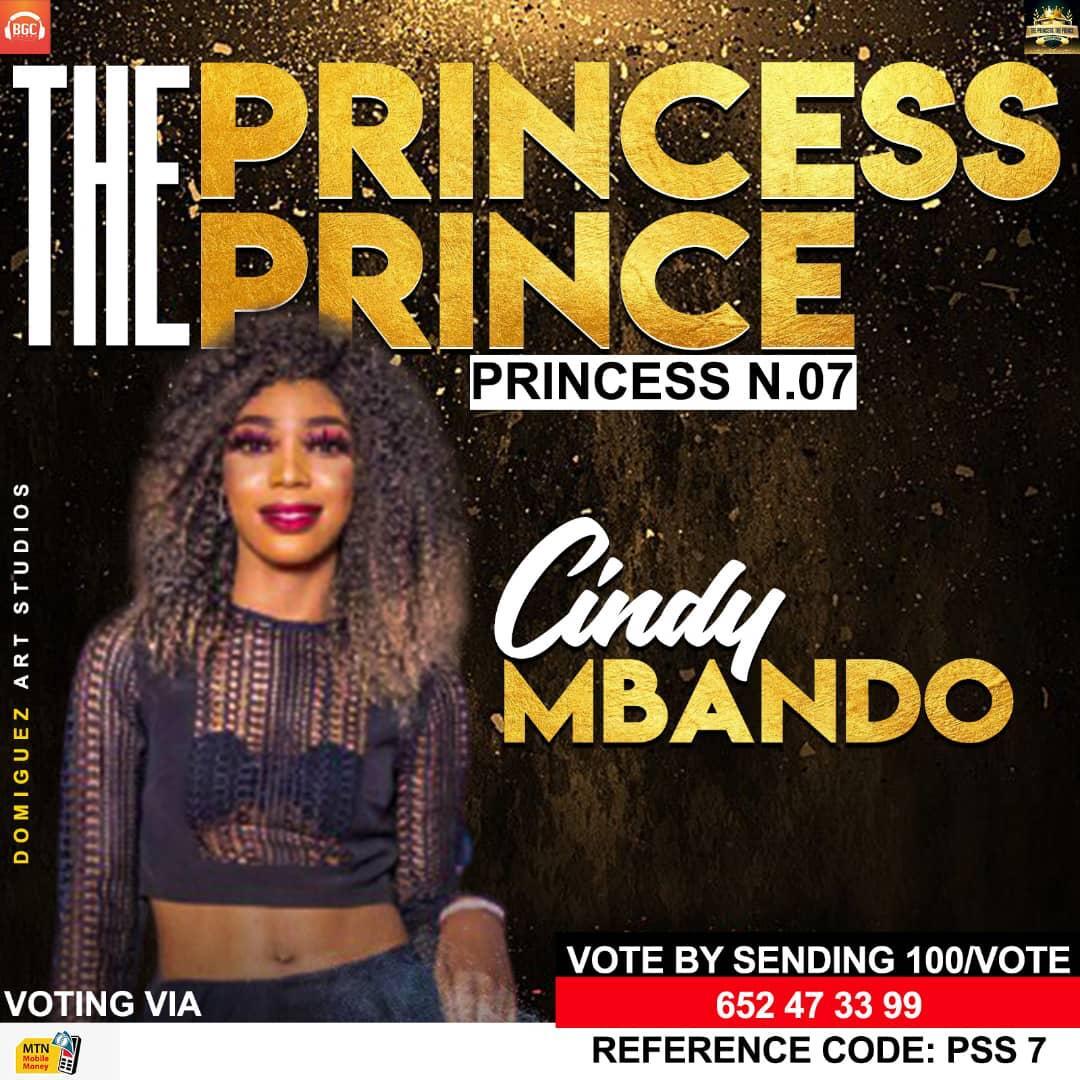
Cindy
-
Ziiana
-
Cameroonian artist Tasa
-









Comments
This post currently has no comments.