
Exploring diverse cultural attitudes towards gambling across nations
Exploring diverse cultural attitudes towards gambling across nations
The Historical Context of Gambling
The practice of gambling has deep historical roots, dating back thousands of years to ancient civilizations. In many cultures, gambling has been associated with rituals, divination, and social bonding. For example, ancient Romans engaged in dice games during festive occasions, while the Chinese developed intricate games that are still popular today. These historical perspectives greatly influence contemporary attitudes towards gambling in different nations. Interestingly, many players now also enjoyonline casinos for real money, which have become increasingly popular in recent years.

In societies where gambling was integrated into social and religious practices, it is often viewed more favorably. Conversely, in cultures that have experienced negative consequences related to gambling, such as addiction or economic downturns, there may be a more cautious or prohibitive stance. This historical context is crucial to understanding how various nations today perceive and regulate gambling activities.
The Influence of Religion on Gambling Attitudes
Religion plays a significant role in shaping cultural attitudes toward gambling. In many Islamic countries, for example, gambling is strictly prohibited due to religious beliefs that view it as morally and ethically wrong. This prohibition has created a societal norm where gambling is not only frowned upon but can lead to severe legal consequences.
On the other hand, in predominantly Christian nations, attitudes can vary widely. While some denominations oppose gambling altogether, others see it as a harmless pastime. This divergence highlights how religious values can influence public perception and legal frameworks surrounding gambling, resulting in varying levels of acceptance across different regions.
Legal Frameworks and Economic Impact
The legal status of gambling varies significantly from country to country, reflecting the diverse cultural attitudes toward this activity. In some nations, gambling is fully legalized and regulated, creating substantial economic opportunities. Countries like Australia and the United Kingdom have embraced gambling, leading to thriving casino industries and significant tax revenues.
Conversely, in nations where gambling is illegal or heavily restricted, the economic implications can be considerable. The lack of legal gambling establishments often drives enthusiasts to underground markets, which can result in unregulated and potentially dangerous gambling experiences. These differing legal frameworks often stem from the cultural attitudes that have developed over generations, influencing economic outcomes as well.
Social Implications and Community Attitudes
The social implications of gambling can vary widely depending on cultural contexts. In some cultures, gambling is seen as a communal activity that fosters social interaction and bonding, enhancing relationships among family and friends. In these communities, participating in games of chance can be a celebrated tradition, often associated with gatherings and festivals.
However, in other cultures, gambling may be viewed as a source of social dysfunction. The potential for addiction and the stigma associated with problem gambling can lead to isolation and shame within communities. These differing social attitudes play a critical role in shaping public policy and community programs aimed at addressing the impacts of gambling.

Understanding Attitudes Through Research and Data
Research into gambling behaviors and attitudes provides valuable insights into how different cultures interact with this activity. Surveys and studies often reveal stark contrasts in perceptions based on demographic factors such as age, gender, and socioeconomic status. Understanding these trends is essential for governments and organizations aiming to create effective policies and educational programs.
Additionally, as globalization increases, cultural attitudes toward gambling are evolving. Exposure to different gambling practices through media and travel can influence perceptions, leading to a more nuanced understanding of gambling across nations. Keeping track of these changes is vital for those interested in the cultural dynamics surrounding gambling today.
Latest Movie

The Princess, The Prince Reality TV Show
Cindy MbandoContestant Number: Princess 07To vote for her, send momo to 652473399 and write PSS 07 as REFERENCE.NOTE: 1 vote is 100FCFA, and it is through the momo number given above. You can vote as many times as you can. Remember, momo vote is 70%.Also like, comment, and share this video as many times as possible to maximize her chances.The Princess, The Prince Reality TV Show.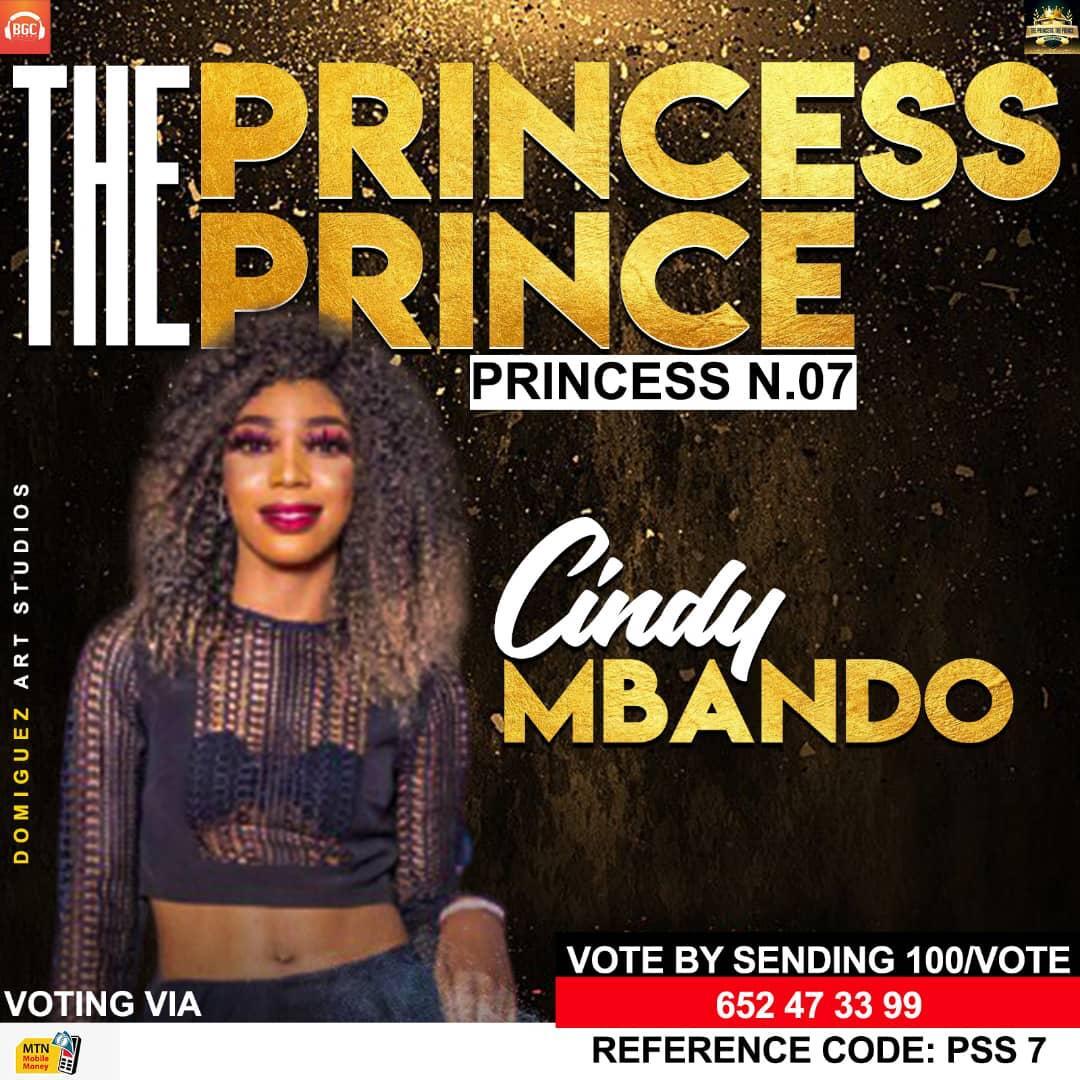
Cindy
-
Ziiana
-
Cameroonian artist Tasa
-









Comments
This post currently has no comments.