
Legal and Regulatory Considerations for Hosting and Participating in Online Casino Tournaments
Online casino tournaments have gained significant popularity, offering players an engaging way to compete for prizes in the digital gambling space. However, navigating the legal landscape surrounding these events is complex and varies widely across jurisdictions. Understanding the legal and regulatory considerations is crucial for organizers and participants alike to ensure compliance, protect investments, and maintain the integrity of the gaming environment. This article provides a comprehensive overview, connecting key regulatory principles with practical examples to guide stakeholders through the intricacies of online casino tournaments.
Assessing Jurisdictional Legality of Online Casino Tournaments
How do different countries regulate online gambling events?
Globally, countries adopt diverse approaches to regulating online gambling, reflecting cultural, legal, and economic factors. For example, in the European Union, member states like Malta have developed sophisticated licensing frameworks that facilitate legal online gambling operations, including tournaments. Conversely, countries such as China and Saudi Arabia maintain strict bans on all forms of online gambling, rendering hosting or participating in such events illegal.
In the United States, the legality of online gambling is determined at the state level. States like New Jersey, Nevada, and Delaware have enacted laws permitting online casinos and tournaments, whereas others prohibit them outright. This patchwork regulatory environment necessitates careful legal assessment before launching or joining online tournaments.
What legal statuses apply to online casino tournaments in major markets?
Legal statuses range from fully licensed and regulated activities to outright bans. For instance, in the United Kingdom, the Gambling Commission licenses online casino operators, ensuring tournaments adhere to strict standards of fairness and transparency. In contrast, in India, online gambling laws remain ambiguous, with some states like Sikkim and Nagaland issuing licenses, while others lack clear legislation, introducing legal risks for organizers and players.
Major markets often classify online casino tournaments under broader gambling laws, requiring operators to hold specific licenses or face penalties. Understanding these distinctions helps prevent legal infractions and potential shutdowns.
Are there specific licensing requirements for hosting tournaments across borders?
Hosting online tournaments that target international audiences involves navigating multiple regulatory regimes. Many jurisdictions require operators to obtain local licenses; for example, platforms based in Malta or Gibraltar often seek licenses recognized across Europe. When an operator intends to operate across borders, they may need to acquire multiple licenses or leverage international licenses recognized by multiple jurisdictions.
Some countries impose restrictions on cross-border gambling, necessitating geolocation technology to prevent access from prohibited regions. This compliance complexity emphasizes the importance of legal due diligence when expanding online tournament operations internationally.
Impact of Licensing and Certification on Tournament Legitimacy
Which licenses are necessary for operators to run compliant online tournaments?
To run legitimate online casino tournaments, operators typically need to acquire a gaming license from a recognized regulatory authority. Common licenses include the Malta Gaming Authority (MGA), UK Gambling Commission (UKGC), and Gibraltar Regulatory Authority. These licenses validate that the operator adheres to standards concerning fairness, security, and responsible gambling.
For instance, an operator licensed by the MGA can demonstrate compliance with European standards, gaining confidence from players and partners globally. These licenses often include provisions specific to tournament operations, such as third-party audit requirements for game fairness.
What certifications ensure fair play and transparency in tournament operations?
Certifications from independent testing agencies play a vital role in establishing trustworthiness. Notably, eCOGRA (eCommerce and Online Gaming Regulation and Assurance) and GLI (Gaming Laboratories International) certifications verify that the gaming software, including tournament algorithms, are fair and unbiased.
These certifications often require regular audits and testing, offering players assurance that tournament results are not manipulated. They also serve as a key differentiator for operators seeking to build reputation and customer confidence.
How do licensing standards vary between regulatory authorities?
While the core principles—fairness, security, and responsible gaming—are consistent, licensing standards differ in scope and rigor. The UKGC mandates strict background checks, financial audits, and continuous monitoring, while jurisdictions like Curacao may offer more straightforward licensing processes with fewer ongoing requirements.
Such differences impact the operational costs and compliance obligations for online casino operators. Consequently, thorough understanding of each licensing body’s standards informs strategic decisions about where to base or expand tournament activities.
Legal Challenges in Player Participation and Prize Distribution
What legal issues arise from international player participation?
Cross-border player participation introduces jurisdictional conflicts, especially when players come from regions where online gambling is prohibited. For example, an operator based in Malta may face legal scrutiny if players from the United States participate without proper licensing for that market.
Legal issues include breach of local gambling laws, potential allegations of illegal remote betting, and difficulties in enforcing terms and conditions across borders. Operators must implement geolocation and IP-blocking technologies to restrict access appropriately and avoid legal penalties.
How are prize payouts affected by jurisdictional restrictions?
Jurisdictions may restrict or tax prize payouts, complicating prize distribution. For example, in some European countries, winnings exceeding certain thresholds must be declared for tax purposes, requiring operators to withhold taxes or report winnings to authorities.
Additionally, in countries like India, restrictions on converting winnings into local currency can hinder payout processes, leading to delays or legal disputes. Ensuring compliance with local financial regulations is therefore vital for smooth prize payouts.
What contractual considerations protect both organizers and players?
Contracts should clearly define terms around participation, prize distribution, and dispute resolution. Including clauses on jurisdiction, applicable law, and data privacy helps mitigate legal risks. For example, a well-drafted terms-of-service agreement can specify that disputes are resolved under the laws of a particular jurisdiction, reducing ambiguity.
Implementing mandatory arbitration clauses or including clear refund policies enhances legal protection for organizers. For players, transparent terms reinforce trust and can prevent legal challenges related to unfair practices.
Data Privacy and Security Regulations in Online Tournament Environments
What privacy laws govern player data collection and storage?
Global privacy frameworks like the General Data Protection Regulation (GDPR) in the European Union impose strict requirements on data collection, processing, and storage. Under GDPR, operators must obtain explicit consent, ensure data minimization, and provide players with access to their data.
For example, companies handling European players must implement comprehensive privacy policies and secure storage protocols to stay compliant. Failure to do so risks substantial fines and reputation damage. If you want to learn more about trustworthy betting platforms, you can visit http://legionbet.app/ for detailed information and reviews.
How do data security standards influence tournament platform development?
Security standards such as ISO/IEC 27001 guide developers in creating platforms resistant to hacking, fraud, and data breaches. Encryption, two-factor authentication, and regular vulnerability assessments are essential components of secure online tournaments.
For instance, implementing end-to-end encryption protects sensitive player data during transmission, reinforcing trustworthiness and compliance with legal standards.
Are there specific compliance requirements for handling financial transactions?
Financial transactions demand adherence to anti-money laundering (AML) and know-your-customer (KYC) regulations. Operators must verify player identities before processing deposits or withdrawals, maintain transaction records, and monitor suspicious activities.
In regions like the European Union, Payment Services Directive (PSD2) enhances security in online payments, requiring strong customer authentication. Such regulations ensure transparency and reduce fraud risk.
Taxation Rules and Reporting Obligations for Online Casino Events
What are the tax implications for tournament organizers and winners?
Tax liability varies significantly across jurisdictions. In the UK, gambling winnings are generally tax-free for players, while organizers may need to account for corporate taxes or license fees. Conversely, in the US, certain states tax winnings above specific thresholds, and organizers may be responsible for withholding taxes.
International tournaments must recognize that winnings could be subject to tax obligations in players’ home countries, necessitating clear communication and compliance strategies.
How do different jurisdictions require reporting of winnings and revenues?
Many countries mandate reporting of large winnings or revenue streams. For example, in Canada, casinos and online operators report winnings exceeding CAD 100,000 to tax authorities. Similarly, in Australia, operators must include winnings in their income tax filings.
Failure to report accurately can lead to penalties. Thus, robust accounting practices and understanding local reporting obligations are essential for legal compliance.
What strategies can organizers use to remain compliant with tax laws?
Organizers should consult local tax experts to understand specific obligations, implement automated reporting systems, and maintain detailed financial records. Establishing partnerships with regional tax authorities or local accountants can improve compliance and streamline reporting processes.
Additionally, transparent communication of tax policies to players fosters trust and minimizes legal risks associated with misreporting or withholding issues.
Latest Movie

The Princess, The Prince Reality TV Show
Cindy MbandoContestant Number: Princess 07To vote for her, send momo to 652473399 and write PSS 07 as REFERENCE.NOTE: 1 vote is 100FCFA, and it is through the momo number given above. You can vote as many times as you can. Remember, momo vote is 70%.Also like, comment, and share this video as many times as possible to maximize her chances.The Princess, The Prince Reality TV Show.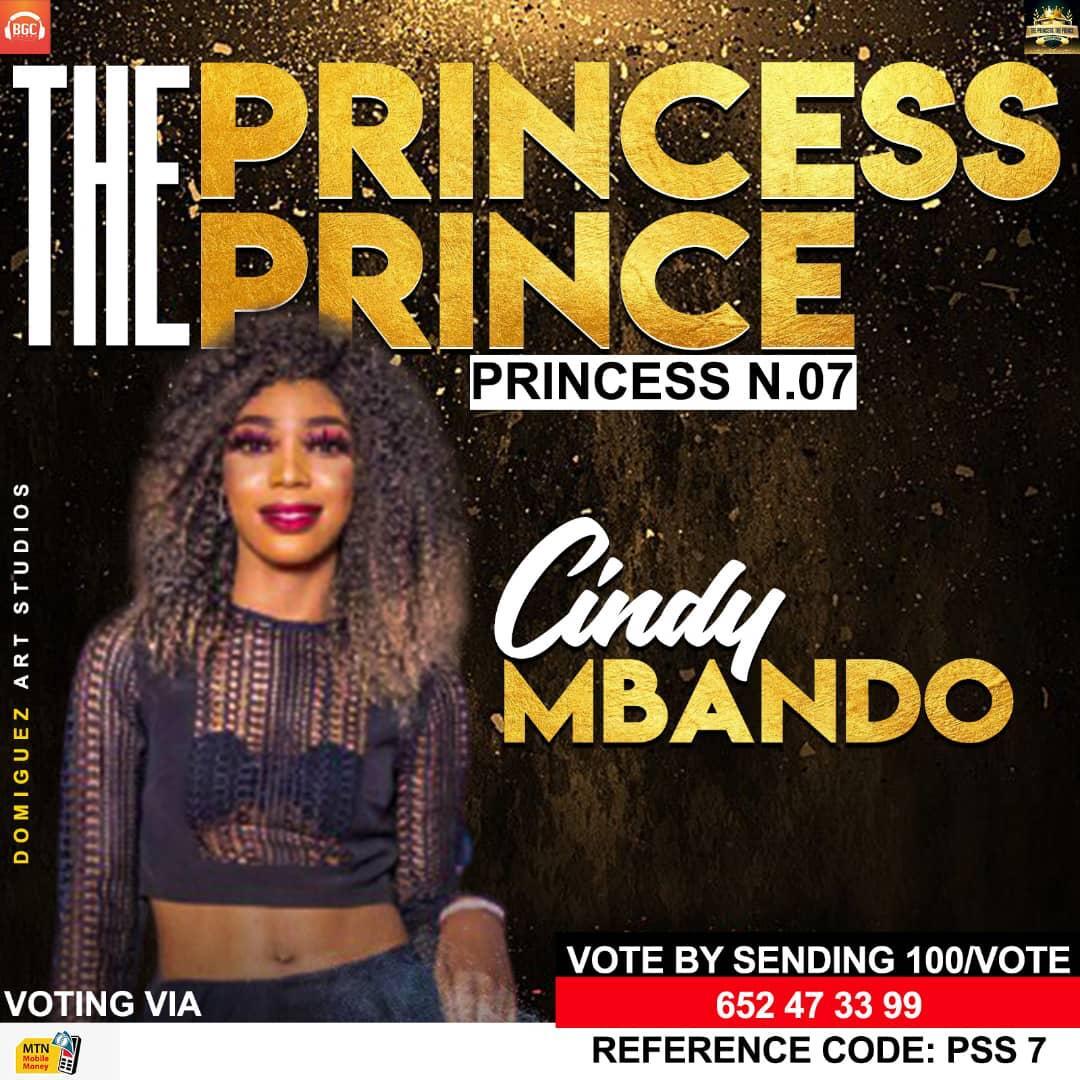
Cindy
-
Ziiana
-
Cameroonian artist Tasa
-









Comments
This post currently has no comments.