
Album Singles Versus EPs: What to Release
A new song can introduce an artist. A focused project can establish one. That is the real decision behind album singles versus EPs: not which format looks bigger on a streaming profile, but which release gives your music the best chance to travel from your community to playlists, radio, video platforms, press pages, and new listeners across the diaspora.
For an Afrobeats artist in Cameroon, a rapper building a following between Kinshasa and Paris, or a diaspora singer working from the United States, release strategy has to respect both ambition and resources. A strong record with no runway can disappear in a weekend. The right format creates enough moments for fans to listen, share, comment, stream again, and recognize your name.
Album Singles Versus EPs: The Core Difference
A single is one song released as the main event. It may come with cover art, a lyric visual, a music video, radio promotion, press outreach, short-form content, and performance opportunities. Its job is simple: concentrate attention on one record and make it memorable.
An EP is a shorter project, usually three to seven tracks. It gives listeners more of your sound, personality, and range without requiring the time, budget, or long campaign of a full album. An EP can be a statement of arrival, a genre experiment, a seasonal collection, or a bridge between larger projects.
Neither format is automatically better. A single wins when you need discovery and a clear message. An EP wins when you need depth, credibility, and enough music to convert curious listeners into actual fans. The decision depends on where you are in your career, what you can promote properly, and whether the songs belong to one clear story.
When a Single Is the Smarter Release
Choose a single when you have one undeniable song and a practical plan to keep it visible. This is especially effective for developing artists who are still teaching the market who they are. One strong hook, one recognizable visual identity, and one repeated message can cut through more effectively than asking a first-time listener to absorb six songs at once.
Singles also make campaign management more realistic. Instead of splitting a limited budget across multiple records, you can put resources behind the record with the best commercial potential. That could mean a clean mix and master, professional cover design, a targeted music video, radio plugging, creator outreach, press support, and performance clips built around the same chorus.
For African music releases, a single can move quickly across different listener spaces. The same song may work in a DJ set, a wedding playlist, a campus party, a TikTok dance challenge, a diaspora radio show, or a visual countdown. A record with a direct emotional message or a strong dance section can create a faster entry point than a broader project.
Still, singles have a weakness: each release has to work hard on its own. If you release too frequently without a clear identity, fans may hear songs but fail to understand the artist behind them. Three disconnected singles are not always a campaign. They can become noise if the sound, visuals, and story shift every month.
A smart single rollout gives each song room to breathe. Release the audio, build anticipation through snippets and rehearsal content, deliver a visual asset, pursue radio and media opportunities, then use live appearances and fan engagement to extend the cycle. When the response is real, the next single should build on it rather than reset the conversation.
When an EP Makes More Sense
An EP is the right move when your best songs work together. Maybe you have four records that capture a new Afro-fusion direction. Maybe your rap project tells one personal story. Maybe you want listeners to hear that you can move from a melodic love song to a high-energy club record without losing your identity.
The value of an EP is context. A fan who enjoys one track can continue listening immediately, which increases the chance of a deeper connection. The project also gives media, promoters, bookers, and potential collaborators more evidence of your artistic range. One single can be a moment. A well-sequenced EP can feel like an artist world.
EPs are particularly useful after you have already built some attention with singles. If your audience has been asking for more music, a project rewards that interest. It can also support a performance run, an intimate listening event, a visual series, or a press angle that goes beyond “new song out now.”
But an EP should not be used as a storage folder for unfinished ideas. If the tracks do not share a mood, purpose, or quality level, listeners will hear the inconsistency. Releasing five average songs does not create more impact than releasing one excellent song. A short project raises expectations because it asks people to spend more time with you.
Before committing to an EP, ask whether every track earns its place. Does the opening track pull listeners in? Is there a clear focus song for promotion? Does the final sequence leave people wanting the next release? If the answer is no, keep developing the material or lead with the strongest single first.
Build the Release Around Your Current Position
Artists often frame the choice as single versus EP. The more useful question is: what does your career need next?
If you are unknown outside your immediate network, prioritize a single with a strong visual and a disciplined promotion plan. Your first job is recognition. Give people one title to remember, one chorus to repeat, and one reason to follow your next move.
If you have a growing audience but fans only know you for one type of song, an EP can broaden the picture. It gives you space to show vocal ability, songwriting, language, production choices, and cultural influences. For diaspora artists, that can be especially valuable when your sound sits between African rhythms, hip-hop, R&B, dancehall, amapiano, or pop.
If you have enough records for an album but no established release momentum, do not rush the album. A full-length project needs a larger promotional engine. It needs singles, visuals, editorial positioning, content, interviews, shows, and a campaign that continues after release week. In many cases, two well-planned singles followed by an EP will create more movement than dropping a 12-track album into silence.
The Hybrid Rollout Often Wins
The strongest answer to album singles versus EPs is often not either-or. It is a sequence.
Start with one lead single that represents the project clearly. Let it establish the sound and visual language. Follow with a second single that shows another side of the artist, ideally with a video or a high-performing live version. Then release the EP with both songs included alongside new material.
This approach gives the audience familiar entry points when the project arrives. It also gives your team more opportunities to pitch, post, perform, and promote without stretching one announcement too thin. The EP becomes the payoff, not a surprise package that listeners have no reason to open.
Timing matters. Do not release the EP one week after the lead single unless the song has already created serious momentum or the project is tied to a specific event. Most emerging artists benefit from allowing several weeks between releases, using that period to collect audience feedback, identify the strongest reactions, and refine the next push.
Budget for Attention, Not Just Distribution
Digital distribution makes releasing music accessible, but availability is not visibility. Whether you choose a single or an EP, reserve resources for the campaign after the music is delivered.
A release budget should cover the work that helps people encounter and trust the record: final audio quality, compelling artwork, visual content, public relations, radio or DJ outreach, targeted digital promotion, and assets for your own social channels. Not every campaign needs every service, but every campaign needs a plan beyond posting a streaming link.
An EP usually demands more content because there are more songs to introduce. That does not mean every track needs an expensive video. A focused visual strategy can include one official video, one performance session, short lyric clips, studio footage, and artist-led storytelling about the project. The key is consistency. Your audience should recognize the project wherever they encounter it.
At BGC Melody, the integrated view matters because music, visuals, publicity, and representation work better when they support the same artist story. A good release is not simply delivered. It is positioned.
Make the Final Choice With Your Fans in Mind
Look at your existing signals before deciding. Are listeners saving one song repeatedly? Are DJs responding to a particular tempo? Are fans asking for a body of work? Do your live audiences know the words to one record, or are they already expecting a fuller set?
Data can guide the decision, but it should not erase instinct. Some projects need to arrive as a complete statement because breaking them into isolated singles weakens the story. Other artists have one record with immediate potential and should not hide it inside an EP. Be honest about the strength of the songs and the reach of your current platform.
Release the format you can support with conviction. One focused single, properly heard, can open doors. One sharp EP, properly framed, can make people stay. The best next move is the one that gives your music enough attention to become part of somebody’s life, not just part of Friday’s release list.
Latest Movie
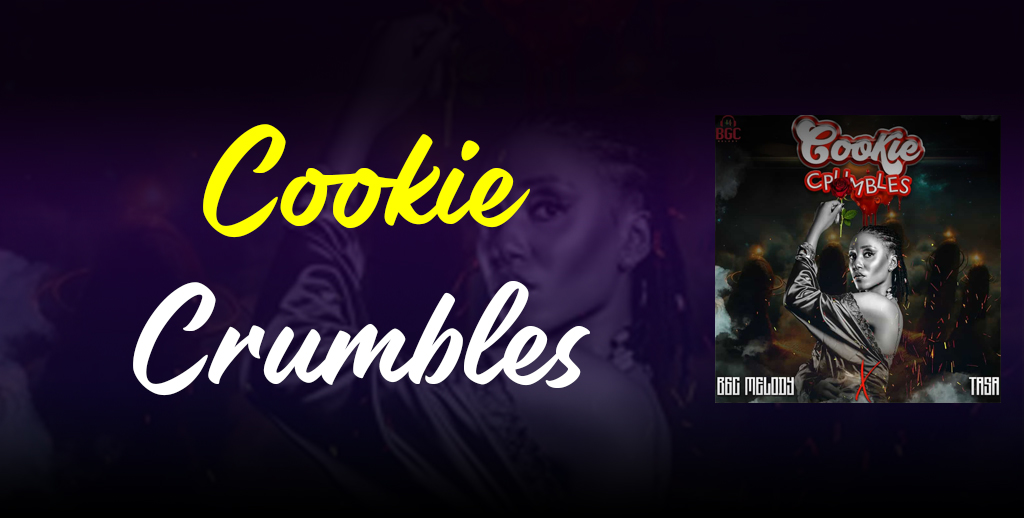
The Princess, The Prince Reality TV Show
Cindy MbandoContestant Number: Princess 07To vote for her, send momo to 652473399 and write PSS 07 as REFERENCE.NOTE: 1 vote is 100FCFA, and it is through the momo number given above. You can vote as many times as you can. Remember, momo vote is 70%.Also like, comment, and share this video as many times as possible to maximize her chances.The Princess, The Prince Reality TV Show.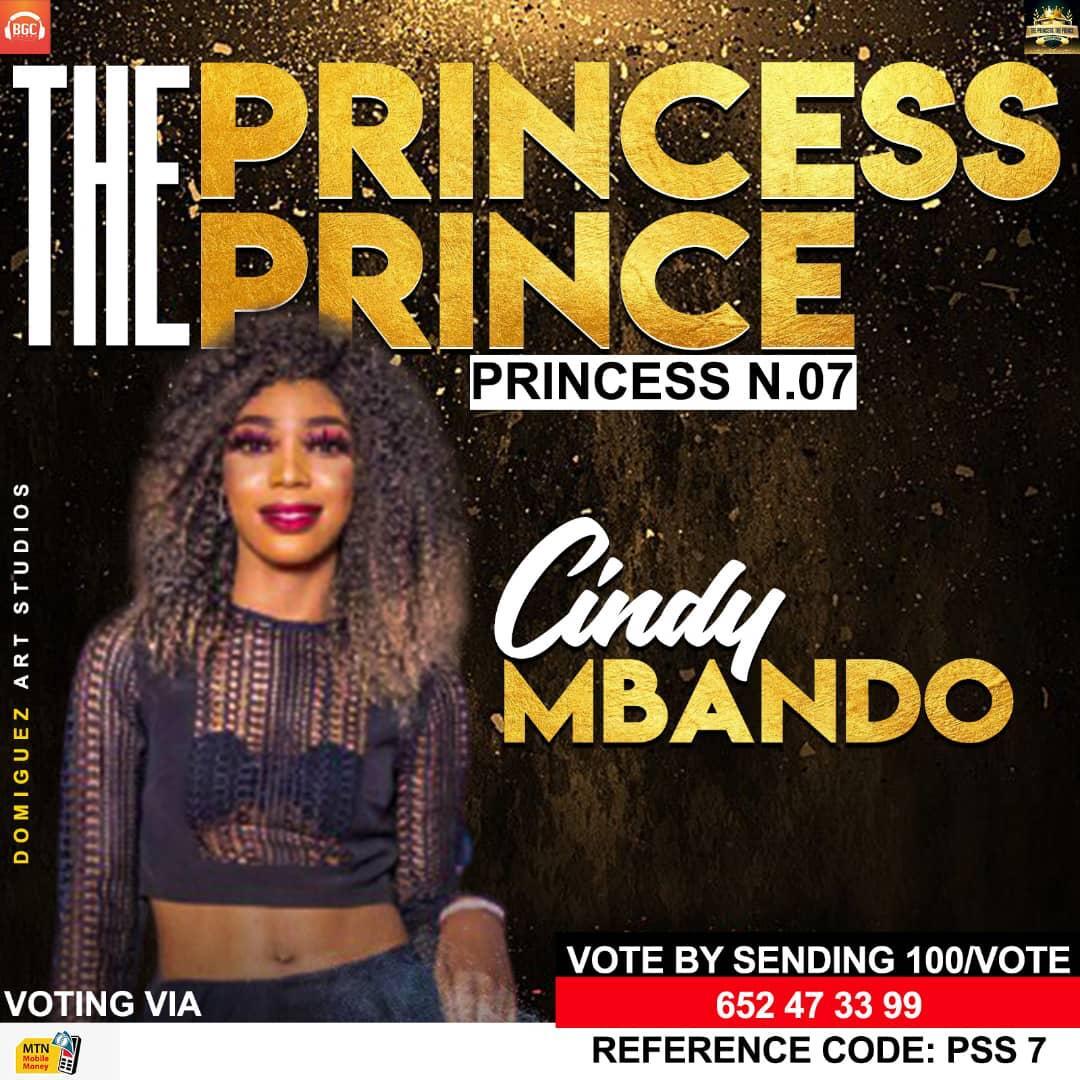
Cindy
-
Ziiana
-
Cameroonian artist Tasa
-




Comments
This post currently has no comments.