
Talent Representation Guide for African Creatives

A strong song, striking headshot, or standout audition can open a door. Representation helps make sure the right doors keep opening, with real business terms behind the attention. This talent representation guide is for African and diaspora musicians, actors, models, and creative professionals who want more than occasional exposure: they want structured opportunities, stronger positioning, and a career that can travel across markets.
Representation is not a shortcut to fame. The right representative creates focus around a talent’s commercial value, protects time and reputation, and brings qualified opportunities to the table. The wrong one can take a percentage without producing strategy, access, or accountability. Knowing the difference is part of becoming a professional.
What Talent Representation Actually Covers
Talent representation is the professional work of securing, negotiating, and managing opportunities for an artist, actor, model, or public-facing creative. Depending on the agreement, a representative may source performances, brand partnerships, acting roles, modeling bookings, media interviews, licensing opportunities, appearances, and collaborations.
For musicians, representation can sit alongside artist management, label services, A&R, public relations, and release marketing. These roles overlap, but they are not identical. A manager may help shape the entire career. A booking agent focuses on live dates. A publicist works on media attention. A representative may handle commercial opportunities, negotiations, and positioning in one or more markets.
That distinction matters. If you need radio support for a new Afrobeats single, an agent who only books fashion campaigns is not the answer. If you are an actor looking for auditions, a music distributor cannot replace an acting representative. Before signing anyone, be clear about the work you expect them to do.
Start With a Marketable Professional Package
Representation becomes easier when a representative can immediately understand what they are selling and who should care. Talent alone is the foundation, but it must be packaged with proof of direction and readiness.
A musician should have polished recordings, current visual assets, a short biography, performance footage, streaming or audience data where available, and a release plan. An actor needs professional headshots, a current résumé, a reel, training details, and clear casting types. A model needs strong digitals, a focused portfolio, accurate measurements, and a reliable availability schedule.
Your materials do not need to look like a major-label campaign. They do need to be current, organized, and aligned. An artist presenting romantic Afropop should not send a pitch built around unrelated drill visuals. An actor seeking dramatic roles should lead with scenes that show emotional range, not a casual social-media clip.
Your story also matters. African and diaspora talent often carries a valuable cultural point of view, but culture should not be reduced to a marketing label. Explain your sound, craft, background, audience, language, and ambitions in a way that gives partners a real sense of your lane. Specificity helps people remember you.
Set the Scope Before You Seek Representation
Many emerging creatives ask, “Can you represent me?” A better question is, “Can you represent me for these opportunities, in these territories, for this period of time?” Scope is where a useful relationship begins.
Decide whether you need representation for music, acting, modeling, live appearances, brand work, or a combination. Then consider geography. A representative with relationships in Washington, DC, may be valuable for regional events, while an international campaign may require contacts in Los Angeles, London, Lagos, Johannesburg, Paris, or other relevant markets.
Exclusivity is another major decision. An exclusive agreement can give a representative confidence to invest time in developing your opportunities. It can also limit your ability to work with others. For a developing artist, limited exclusivity by territory, category, or project can be more practical than handing over every opportunity worldwide.
A defined term protects both sides. Avoid open-ended arrangements with no review point. A six- or twelve-month agreement with performance check-ins may suit an emerging act better than a long commitment based only on promises. If the representative delivers, the relationship can grow from there.
How to Evaluate a Talent Representative
The best representative is not necessarily the person with the loudest online profile. Look for evidence that they understand your category, communicate clearly, and have a workable plan for your current stage.
Ask how they identify opportunities, who handles negotiations, and what reporting you will receive. Ask which clients or campaigns reflect the type of work you want to pursue. A representative does not need to reveal confidential client information, but they should be able to explain their process without vague language.
Pay attention to whether they listen. A representative who pushes you into every available deal may be chasing quick commission rather than long-term positioning. For example, a family-friendly actor may not want a brand campaign that conflicts with their image. A musician building a premium live-show identity may not benefit from low-fee bookings that undercut future rates.
Professional behavior is a signal. Clear email communication, written terms, realistic promises, reliable follow-up, and respect for schedules are not extras. They are core to representation. So is transparency around conflicts of interest. If the same company manages a competing artist, books the event, and sells the sponsorship, everyone should understand who is acting for whom.
The Contract Terms That Deserve Your Attention
Never treat a representation agreement as a formality. It sets the rules for your income, opportunities, rights, and exit options. Before signing, read every clause and consider having an entertainment attorney review it, especially when the agreement covers multiple territories or significant commissions.
Commission should be tied to money the representative actually helps secure. The percentage can vary by field and service, but the trigger for payment should be unmistakable. Clarify whether commission applies only to deals they negotiated, to all income during the term, or to work that continues after the agreement ends.
The agreement should also state what expenses can be deducted and whether you must approve them in advance. Promotional costs, travel, photography, showcase fees, and campaign production can be useful investments, but a talent should not receive surprise invoices. Set a written approval threshold.
Review the termination clause closely. You need to know how either party can end the arrangement, what notice is required, and whether post-term commissions apply. Some post-term protection can be reasonable when a representative created a deal that closes later. A broad claim over every future opportunity is not.
Representation Works Best With Active Artist Development
A representative cannot build a career alone. The talent must stay ready, responsive, and committed to developing the work. Missed calls, late deliverables, inconsistent branding, and poor live preparation can weaken even the strongest industry introduction.
For music talent, keep creating between releases. Build a release calendar, improve your stage show, document performances, and give your audience a reason to return. For actors and models, keep training, refreshing materials, and maintaining professional availability. Momentum is easier to sell than potential that never becomes output.
This is where integrated support can make a difference. BGC Melody brings talent representation into a wider creative ecosystem that includes music marketing, PR, visual content, releases, and event-facing opportunities. When strategy, promotion, and representation communicate with each other, a new single, video, profile feature, or appearance can support the same career objective instead of becoming disconnected activity.
Build a Relationship, Not a Dependency
Representation should increase your capacity, not make you passive. Keep track of your bookings, contracts, contacts, invoices, audience data, and approved brand materials. Understand your own rates and the basic terms of each opportunity, even when a representative negotiates on your behalf.
Be honest about your goals and boundaries. If your objective is to build an international music audience, say so. If you only want acting work that fits a particular image, communicate that early. The clearer your direction, the better a representative can filter opportunities and defend your value.
A good representative can create access. Your discipline, craft, and decision-making turn that access into a lasting career. Choose partners who respect the work, define the business clearly, and are prepared to build with you one opportunity at a time.
Latest Movie

The Princess, The Prince Reality TV Show
Cindy MbandoContestant Number: Princess 07To vote for her, send momo to 652473399 and write PSS 07 as REFERENCE.NOTE: 1 vote is 100FCFA, and it is through the momo number given above. You can vote as many times as you can. Remember, momo vote is 70%.Also like, comment, and share this video as many times as possible to maximize her chances.The Princess, The Prince Reality TV Show.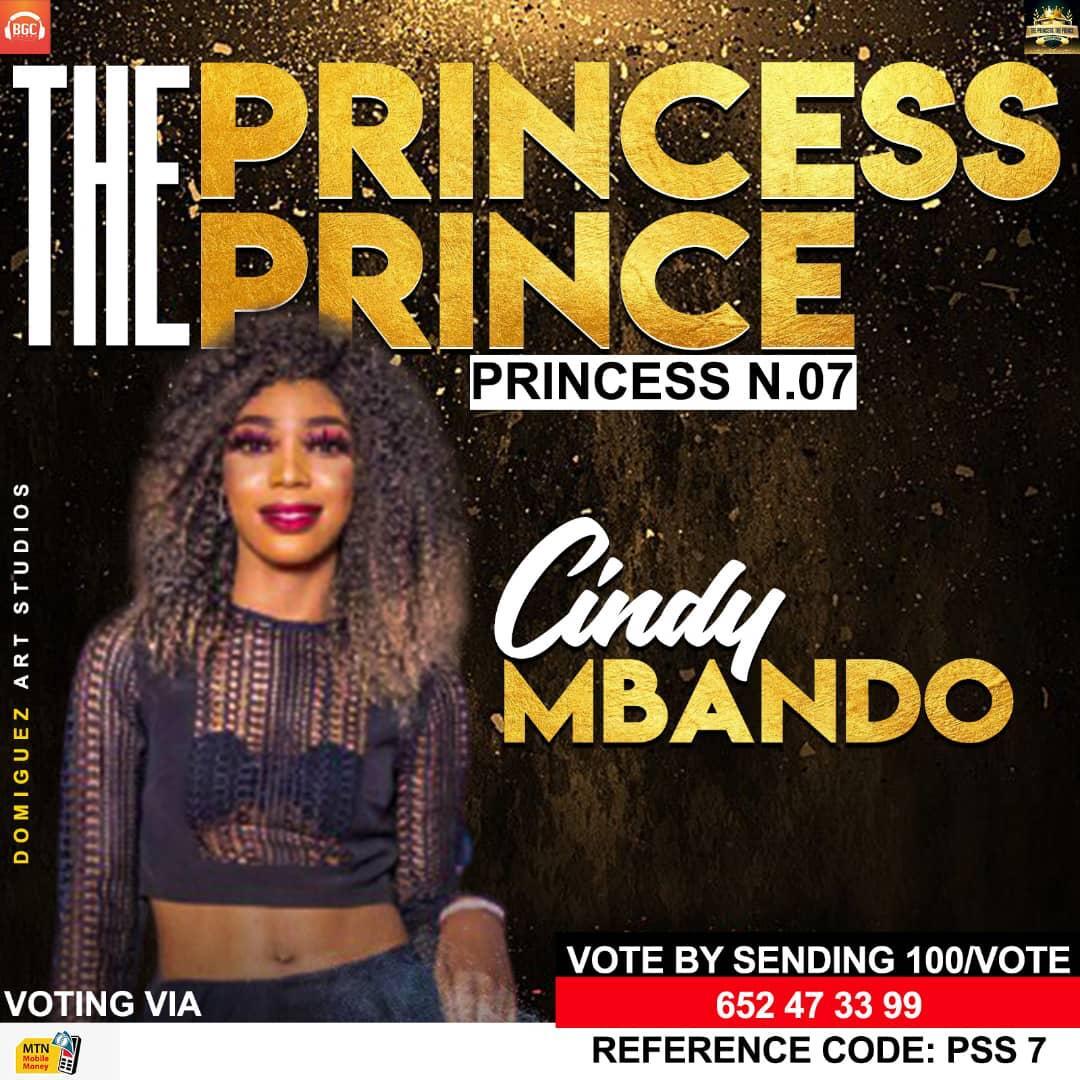
Cindy
-
Ziiana
-
Cameroonian artist Tasa
-




Comments
This post currently has no comments.