
Music Publisher Versus Label: Who Does What?

A hit Afrobeats record can create two very different income streams before the first dance challenge even reaches social media. One stream comes from the song itself – the lyrics, melody, and composition. The other comes from the recorded performance fans play on DSPs, radio, video channels, and at events. That is the central issue in the music publisher versus label conversation, and getting it wrong can cost an artist, producer, or songwriter years of royalties.
For African and diaspora talent building across borders, the distinction matters even more. A song may be written in Douala, recorded in Arlington, promoted in Lagos, and streamed in London or Los Angeles. Every contributor needs to know what they own, who is collecting money, and what rights they are giving away.
Music Publisher Versus Label: The Core Difference
A music publisher works with the underlying musical composition. A record label works with the sound recording, often called the master. They can both be involved with the same release, but they are not doing the same job.
Think of a track like two connected assets. The composition is the song you could perform with only a voice and guitar, piano, or drum pattern: its lyrics, topline, melody, and musical structure. The master is the particular recorded version listeners recognize. If an artist records the same song twice, there may be one composition but two separate masters.
A publisher represents songwriters and composers. Its role is to register songs, administer copyrights, pursue royalties, seek placements, and help create opportunities for the catalog. A label invests in, licenses, distributes, markets, and monetizes recordings. Its focus is the release people hear.
The same person can hold both roles. An independent artist who writes, records, and releases their own material may own 100% of the composition and 100% of the master. But once collaborators, producers, managers, publishers, distributors, or labels enter the picture, the paperwork needs to match the reality.
What a Music Publisher Does for a Songwriter
Publishing begins with songwriting. If you write a chorus, compose a beat with copyrightable musical elements, or create a melody, you may have publishing rights. A publisher helps make sure those rights are properly documented, registered, and used commercially.
Their work commonly includes song registration with collection societies, royalty administration, copyright support, licensing, pitching, and catalog development. A strong publisher may pitch a song for a film, television series, brand campaign, game, or another artist’s project. They may also connect writers with sessions that lead to new records.
The major publishing income categories include performance royalties, mechanical royalties, sync fees, and sometimes print income. Performance royalties arise when music is played publicly, including radio, live venues, television, and certain digital uses. Mechanical royalties are tied to reproductions and interactive streaming. Sync income comes when a composition is paired with visual media.
A publisher does not automatically own a songwriter’s copyright forever. Deals vary. An administration deal may allow the writer to keep ownership while the publisher collects and administers income for a commission. A co-publishing deal typically divides ownership and income between writer and publisher. A full publishing assignment can give the publisher much greater control.
The trade-off is straightforward: a good publisher can bring systems, relationships, and licensing opportunities that a writer may not access alone. In exchange, the writer shares revenue and sometimes ownership. For a songwriter with a growing catalog but limited business infrastructure, that can be a sensible deal. For a writer whose songs are already generating consistent income, the terms should be examined with extra care.
Producers should not ignore publishing
A producer’s fee is not the whole story. If a producer contributes to the music in a meaningful creative way, they may be entitled to a share of composition publishing as well as a royalty on the master. The exact split is a creative and contractual question, not something to settle through assumptions after the song starts moving.
Agree on splits before release. Put the legal names, percentages, publishing entities, and contact details into a split sheet while everyone is still celebrating the session. That simple step prevents a streaming success from becoming a dispute.
What a Record Label Does for a Release
A label centers on the master recording. Depending on the agreement, it may finance studio time, production, mixing, mastering, cover art, videos, distribution, radio campaigns, publicity, playlist outreach, and tour support. It then uses the master to create revenue through streaming, downloads, neighboring rights, licensing, physical products, and commercial partnerships.
For an emerging artist, a label can turn a finished song into a coordinated release campaign. That matters when the goal is not only to upload music, but to build recognition across platforms, media, audiences, and territories.
A label deal may involve an assignment of master ownership, an exclusive license for a stated term, or a distribution arrangement where the artist retains the master. Those are dramatically different structures. A large advance can look attractive, but advances are usually recoupable. Before the artist receives royalties, the label may recover approved recording, marketing, video, and other contractual costs from the artist’s share.
That does not make label investment bad. A well-funded campaign can create reach that a self-releasing artist could not finance alone. The real question is whether the label’s commitment, budget, reporting, marketing capability, territory, and term justify the rights being granted.
Labels can also publish, but do not assume they will
Some music companies have both label and publishing divisions. Others offer a broad deal that touches masters, publishing, merchandising, live activity, branding, and more. That convenience can help an artist who needs a coordinated team, but it also concentrates power in one partner.
If one company wants rights to everything, ask what it will actively deliver for every right it controls. A label with excellent release marketing may not be the best publishing partner for a songwriter seeking sync placement and writing opportunities. Separate specialists can sometimes produce better outcomes.
How the Money Flows on One Song
Imagine an artist writes and records an original single. When a listener streams it, money connected to the master generally flows through the distributor or label side. Money connected to the composition flows through publishing channels and collection organizations. The amounts, timing, and parties involved depend on the platform, territory, contracts, and ownership splits.
If the song appears in a movie trailer, both sides may need clearance. The owner of the composition approves the publishing side, while the master owner approves use of the actual recording. If the filmmaker wants a new version recorded, they may only need composition approval for that new recording, depending on the use.
For live shows, the writer’s composition rights still matter even if the artist performs their own recording. For a remix, sample, interpolation, or translated adaptation, clearances can become more complex. African music frequently travels through collaborations, samples, dance trends, and multilingual versions, so do not treat rights conversations as paperwork for later.
Questions to Ask Before You Sign
The most useful question is not, “Is this a publishing deal or a label deal?” Ask, “Which rights are you taking, for how long, in which territories, and what are you committing to do with them?”
Read the agreement for ownership, exclusivity, duration, renewal options, royalty percentages, recoupment, audit rights, accounting schedule, approval rights, and what happens when the contract ends. Confirm whether the company controls only new releases or also older songs and masters. Check whether it can sublicense your work internationally and whether you share in that income.
For a group, confirm who owns the name, the masters, and each writer’s publishing. For a featured artist, clarify whether the feature is a flat fee, a master royalty, a publishing share, or a combination. For a manager, keep management commission separate from ownership unless there is a clear, justified reason otherwise.
An entertainment attorney who understands music rights is not a luxury when a contract covers your catalog. It is a business safeguard. The more a deal affects your long-term ownership, the more valuable independent legal advice becomes.
Build the Team Your Career Actually Needs
An artist may need a publisher, a label, both, or neither at a particular stage. A writer with strong songs and no release ambition may prioritize publishing. A performer with a finished project and clear audience momentum may need label-style marketing and distribution support. A fully independent artist may first need organized metadata, split sheets, visual assets, and a disciplined release plan.
At BGC Melody, the practical opportunity is to connect music releases with visibility, artist development, PR, and cross-border audience building. Still, no campaign can replace clean rights management. The best promotional push works harder when every creator is credited, every master is documented, and every song is registered.
Your next release should not only sound ready. Make sure its ownership story is ready too – then let the music travel with confidence.
Latest Movie
The Princess, The Prince Reality TV Show
Cindy MbandoContestant Number: Princess 07To vote for her, send momo to 652473399 and write PSS 07 as REFERENCE.NOTE: 1 vote is 100FCFA, and it is through the momo number given above. You can vote as many times as you can. Remember, momo vote is 70%.Also like, comment, and share this video as many times as possible to maximize her chances.The Princess, The Prince Reality TV Show.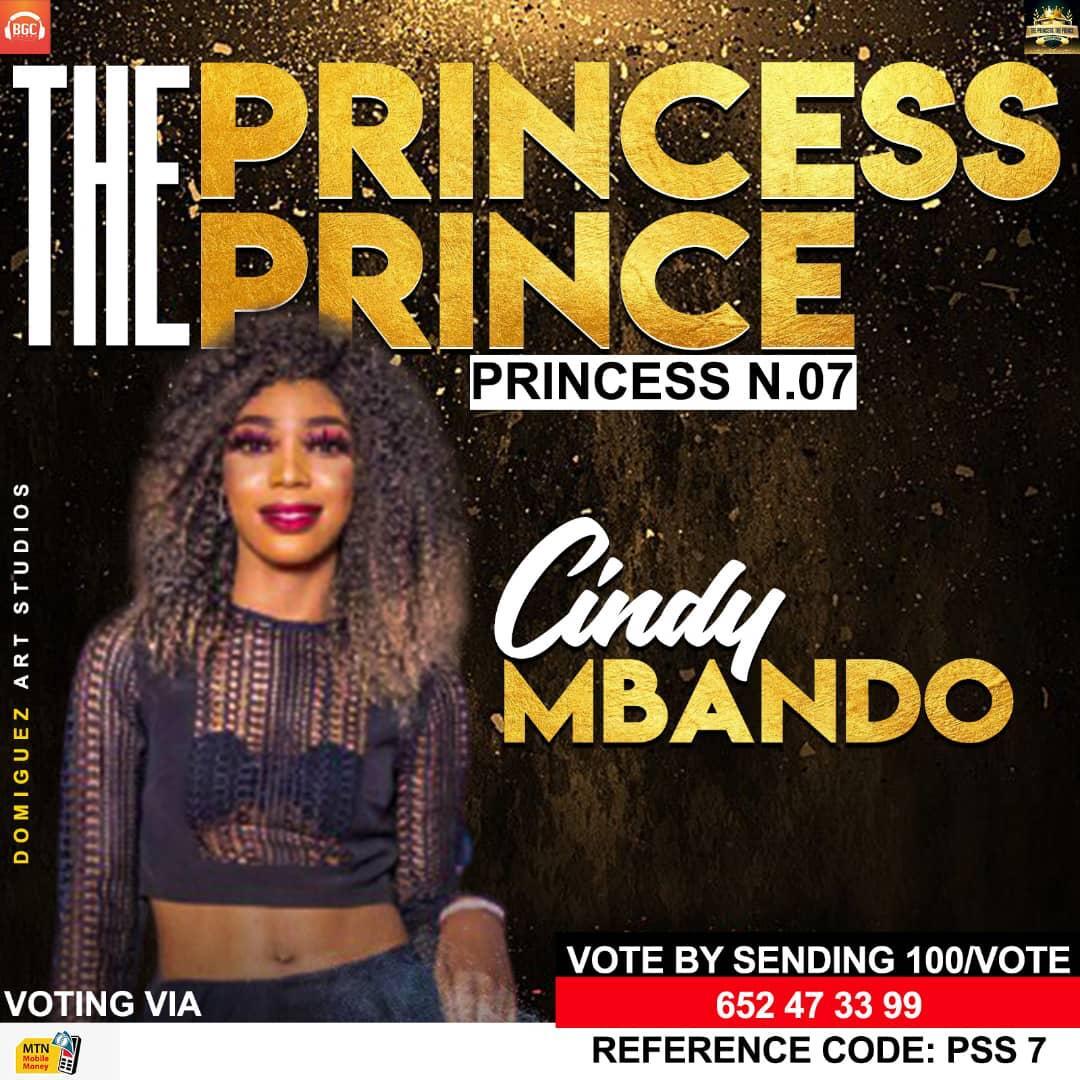
Cindy
-
Ziiana
-
Cameroonian artist Tasa
-









Comments
This post currently has no comments.