
Music Publicist Versus Manager: Which Do You Need?

A strong song can move a room, light up a playlist, and still disappear after release week if nobody is building the story around it. That is where the music publicist versus manager conversation becomes real for independent artists. Both can help an artist grow, but they solve different problems. Hiring the wrong one at the wrong time can burn through a budget without creating momentum.
For African and diaspora artists working across cities, countries, and audiences, the distinction matters even more. A new Afrobeats single may need press positioning, radio outreach, video promotion, and a clear international narrative. At the same time, the artist needs someone protecting the bigger career plan, identifying income opportunities, and making sure every release supports the next move.
Music Publicist Versus Manager: The Core Difference
A music publicist manages public attention. A manager manages the artist’s career.
The publicist’s job is to shape how media, fans, tastemakers, and industry gatekeepers see a release or artist. They develop angles that make a journalist, editor, radio programmer, blogger, or culture platform pay attention. Their work is closely tied to visibility, reputation, and timing.
A manager works from a wider view. They help decide which opportunities are worth taking, coordinate the artist’s business priorities, negotiate where appropriate, and keep the team focused on long-term goals. A manager may be involved in releases, live shows, brand conversations, collaborations, budgets, and team-building.
Think of it this way: a publicist helps get people talking about the record. A manager helps determine why that record exists in the artist’s larger career strategy, what happens after people hear it, and whether the attention turns into progress.
There is overlap. A good publicist may flag a media opportunity that leads to a brand introduction. A manager may help shape an artist bio or approve a press plan. But overlap does not make the roles interchangeable. Each professional is accountable for a different outcome.
What a Music Publicist Actually Does
Public relations is not simply posting flyers, sending a link, or asking every page to repost a song. A publicist develops a campaign that gives a release context. That context might be a new visual era, a breakthrough collaboration, a cultural story, a tour announcement, a community initiative, or a milestone that signals growth.
For a single or EP campaign, a publicist may prepare press materials, refine the artist biography, write a press release, coordinate media outreach, pitch interviews, secure premiere opportunities, and follow up with journalists. They can also guide interview preparation so an artist communicates clearly and does not waste a rare media moment.
The best publicity work creates a consistent message across platforms. If a Cameroon-born singer is introducing a new sound to U.S. listeners, the campaign should not only say, “new song out now.” It should explain the sound, the cultural references, the artist’s point of view, and what gives the release a place in the current conversation.
Publicists can be particularly valuable when there is something newsworthy to promote: a polished project, an attention-grabbing music video, a meaningful partnership, a performance run, or a timely achievement. They are also useful when an artist has good work but no established relationship with media outlets.
Still, publicity has limits. A publicist cannot promise favorable coverage, viral growth, or a magazine feature on demand. Editors make their own decisions, and media attention is earned, not purchased. A publicist also is not automatically responsible for booking shows, closing distribution deals, collecting royalties, or managing the artist’s day-to-day life.
What a Music Manager Actually Does
A manager’s role is more personal, more strategic, and usually more long-term. They help an artist turn talent and attention into a functioning business. That means asking hard questions before the campaign begins: Is this the right next release? Is the budget realistic? Should the artist invest in a video, radio push, live performance, content series, or collaboration? What is the goal beyond streams?
A manager often serves as the central point of communication between the artist and the wider team. They may coordinate producers, publicists, booking agents, attorneys, distributors, stylists, content teams, and promoters. For an emerging artist with several people offering advice, that coordination can prevent missed deadlines and scattered decisions.
Managers also watch for commercial fit. A track gaining traction in diaspora communities may create opportunities for shows, sponsorships, licensing conversations, or partnerships with cultural events. The manager’s responsibility is to assess whether those opportunities match the artist’s identity, schedule, and future value.
A serious manager should not only chase the next check. They should help an artist make choices that protect the catalog, reputation, and negotiating position. That can mean saying no to a low-value appearance, delaying a release until the content is ready, or insisting that business agreements receive legal review.
Not every manager handles every task personally. Some are strong operators with deep industry relationships. Others excel at artist development and need outside specialists for PR, radio, digital marketing, or booking. What matters is clarity: the artist should know what the manager owns, what they coordinate, and what requires another hire.
When Do You Need a Publicist, a Manager, or Both?
An artist who has a finished release, strong visuals, a clear story, and a short-term goal of reaching media may need a publicist first. This is common when an independent act is preparing a major single, debut EP, video premiere, or performance announcement. The campaign has a defined window, and the artist needs outside attention around a specific moment.
An artist who is receiving offers, releasing frequently, performing regularly, or struggling to organize competing priorities may need a manager first. Visibility is useful, but it becomes more valuable when someone is ready to direct that visibility toward better opportunities.
Both roles make sense when an artist has genuine momentum and enough activity to support a coordinated campaign. A manager can make sure the publicist has the right assets, dates, budget, and access to the artist. The publicist can then turn that preparation into a media narrative that reaches beyond the artist’s existing followers.
Budget matters. Early-stage artists do not need to hire a full team just to look established. If the music, content, or release plan is not ready, paid publicity can be premature. Build the foundation first: quality recordings, professional images, a clear artist profile, organized metadata, reliable social channels, and a realistic release calendar. Then invest where the gap is most urgent.
Can One Company Support Both Roles?
An integrated music company can support management and publicity under one roof, but artists should still expect separate responsibilities and measurable deliverables. The advantage is coordination. The management side understands the artist’s long-term direction, while the PR and marketing side can build a campaign that reflects that direction instead of treating every release as an isolated event.
For example, BGC Melody can connect artist development, release marketing, press coverage, radio promotion, visual content, and representation in a way that supports African talent across borders. That kind of connected support is useful when a campaign needs more than a press release. It needs music assets, a visual strategy, audience targeting, and a plan for the opportunities visibility may create.
The trade-off is that an artist must communicate openly and review the scope of work. Ask who is handling outreach, who is approving opportunities, how often reporting will happen, and what success looks like. A publicity campaign may be measured through media placements, interviews, and audience reach. Management progress may show up through stronger partnerships, better deals, organized releases, and sustainable income over time.
Questions to Ask Before You Sign
Before bringing on a publicist, ask which outlets and audiences they believe fit your sound, what materials they need, how long the campaign will run, and what results they can realistically pursue. Be cautious with anyone guaranteeing major coverage or claiming every contact can be converted into an article.
Before hiring a manager, ask how they earn money, how long the agreement lasts, what decisions require your approval, and how they plan to develop your career over the next year. A manager relationship is built on trust, but trust should sit beside a clear written agreement and independent legal advice when contracts are involved.
The right choice is not about which title sounds more powerful. It is about what your music needs next. If your story needs to travel, bring in a publicist. If your career needs direction, accountability, and deal-making support, look for management. When both are aligned around the same vision, a release can become more than a moment – it can become the opening chapter of a bigger career.
Latest Movie

The Princess, The Prince Reality TV Show
Cindy MbandoContestant Number: Princess 07To vote for her, send momo to 652473399 and write PSS 07 as REFERENCE.NOTE: 1 vote is 100FCFA, and it is through the momo number given above. You can vote as many times as you can. Remember, momo vote is 70%.Also like, comment, and share this video as many times as possible to maximize her chances.The Princess, The Prince Reality TV Show.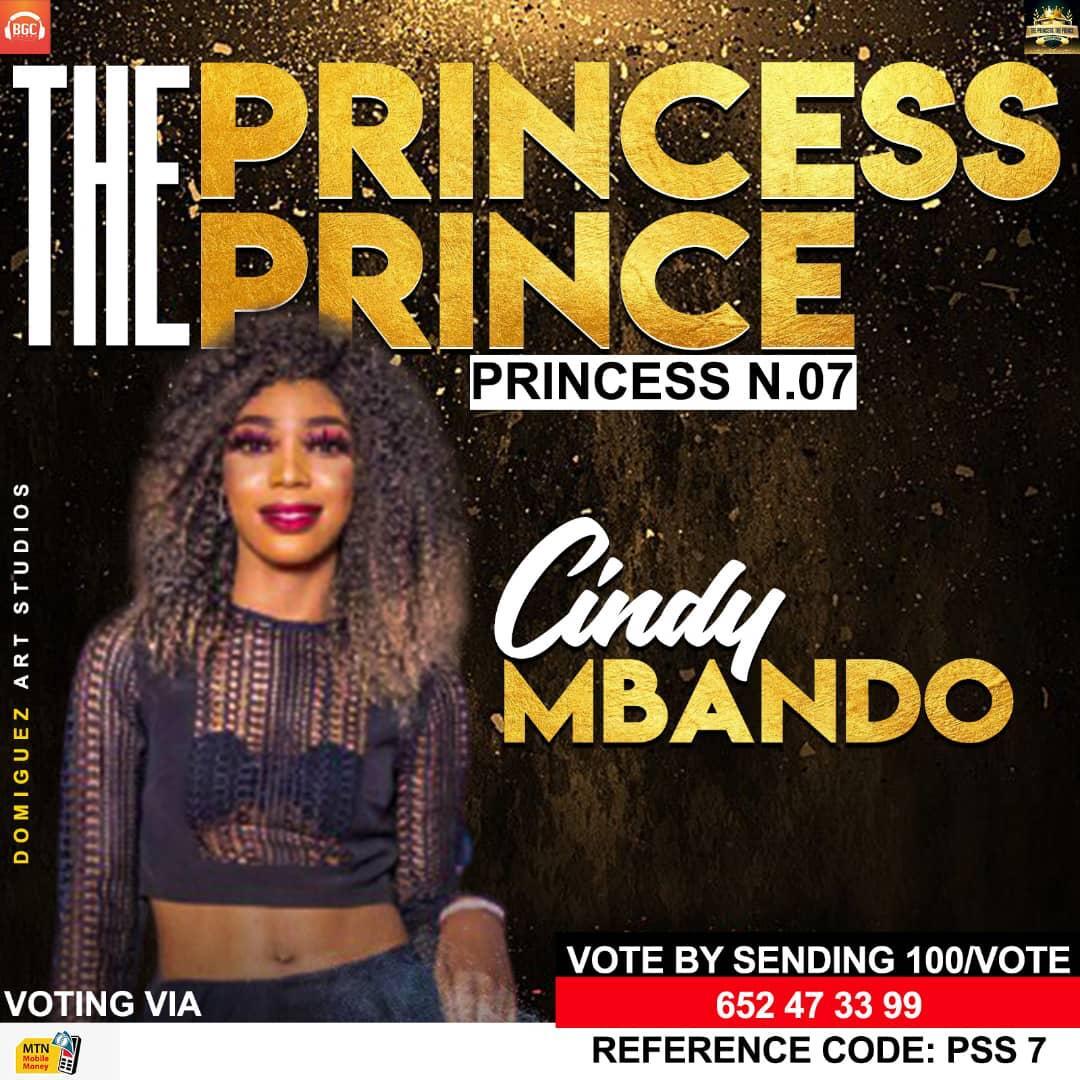
Cindy
-
Ziiana
-
Cameroonian artist Tasa
-









Comments
This post currently has no comments.