Radio Campaign Examples That Move New Music
A record can collect thousands of streams and still feel invisible in the places that shape local music culture. Radio changes that equation. The strongest radio campaign examples do more than send a song to a station list. They give DJs a reason to play it, listeners a reason to remember it, and the artist a visible moment to build on.
For African and diaspora artists, radio remains a serious part of release strategy. It can connect a new Afrobeats single with community stations in the United States, introduce a Congolese pop record to diaspora audiences, or turn a local interview into content that travels far beyond one city. The goal is not airplay for its own sake. The goal is momentum that supports streams, bookings, press, fan growth, and an artist’s long-term position.
What Makes a Radio Campaign Work?
A radio campaign works when the record, the station, and the timing match. That sounds simple, but it is where many independent releases lose power. Sending a club-driven track to a daytime adult-contemporary show, pitching a clean-version record too late, or requesting an interview before the artist has a clear story can waste a strong opportunity.
Start with the campaign objective. Is the release meant to establish an emerging artist in one market? Drive listeners to a new video? Support a tour date? Build credibility before a larger digital push? The answer determines which stations matter, what materials are sent, and how success should be measured.
A professional radio push also needs a campaign-ready package. At minimum, that means a properly labeled clean edit when required, broadcast-quality audio, accurate artist and track information, a short artist biography, strong visuals, and a clear release message. For an international artist, pronunciation guidance and a simple explanation of the song’s cultural context can help presenters introduce the music with confidence.
Radio Campaign Examples for African and Diaspora Artists
1. The targeted single launch
An emerging Afrobeats artist releases a melodic single with a memorable hook and a polished visual identity. Instead of pitching every station in the country, the campaign begins with a focused group of urban, rhythmic, college, and diaspora-facing outlets in markets where the artist already has listeners or community connections.
The pitch is direct: this is the new single, this is the sound, this is why it fits the station’s audience, and this is the action listeners can take. DJs receive the clean version, artwork, a concise artist introduction, and social-ready assets. The team follows up respectfully, tracks responses, and amplifies every confirmed play across artist channels.
This approach is especially effective when an artist needs proof before approaching bigger platforms. A run of real spins in Washington, D.C., Atlanta, Houston, New York, or Los Angeles can create the story that the next outlet wants to hear. The trade-off is reach versus relevance. A smaller station with an active African diaspora audience may produce more meaningful engagement than a larger station whose listeners are not likely to connect with the release.
2. The interview-plus-airplay campaign
A record gets more life when listeners hear the person behind it. In this campaign, the release pitch is paired with an interview opportunity. The artist may discuss the new song, the city or country that shaped their sound, a personal creative turning point, or an upcoming performance.
The best interviews are not long biographies disguised as promotion. They have one or two memorable ideas. Perhaps the artist explains how Cameroonian rhythms met contemporary R&B production. Perhaps a rapper speaks about writing for diaspora listeners who live between cultures. That human angle gives the host material and gives listeners a reason to search for the artist after the segment ends.
The radio appearance should then become a content asset. Pull a sharp 20-second quote, a studio-performance clip, and a presenter endorsement where permission allows. Share the station name, tag the show, and point fans toward the record. This is how one appearance can support multiple days of promotion rather than disappearing when the broadcast ends.
3. The regional community takeover
Not every campaign needs a national headline. Sometimes the smartest play is to own a region. An artist preparing for a live show can work with stations serving African, Caribbean, Black American, and international-student communities in the surrounding area.
The campaign can include on-air ticket giveaways, a short interview, event mentions, and direct DJ outreach for the lead single. The radio message is not simply, “Play my song.” It is, “This artist is bringing a live cultural moment to your listeners this weekend.” That makes the promotion timely and gives stations a useful local angle.
This model depends on operational discipline. Ticket links, event details, guest-list instructions, and artist availability must be confirmed before the pitch begins. A giveaway with unclear information damages trust quickly. When managed well, it can increase attendance while introducing the artist to listeners who may become repeat supporters after the event.
4. The remix or feature activation
A remix can give a campaign a second entry point, particularly when the original record has started to earn reactions but needs a new reason for programmers and DJs to revisit it. A feature from a respected regional artist, producer, or DJ can open a different audience lane.
For example, a dance record from a diaspora vocalist may first find traction at African-focused outlets. A remix featuring a local rap voice can help it enter a college-radio, nightlife, or urban mix-show conversation. The key is authenticity. The collaboration has to sound natural, not like a name added only to chase airplay.
Radio teams can pitch the remix as a fresh version while referencing the traction of the original. That creates a credible narrative: the song is growing, audiences are responding, and the new version expands the record’s energy. The campaign should clearly identify which version is intended for broadcast so DJs are not left sorting through multiple files.
5. The release-week media sequence
This campaign treats radio as part of a coordinated release week rather than a separate service. A single drops on Friday. In the days leading up to it, radio presenters receive an advance pitch and clean audio. On release day, the artist posts a short launch message, shares the visual, and directs fans to listen. During the following week, interviews, radio mentions, DJ drops, and video clips keep the title active.
Timing matters here. A radio host who receives the record after the release wave has already gone quiet has less urgency to cover it. A host who receives it early, with a clean story and confirmed release information, can plan a better segment or spin. It also helps to avoid overpromising. One strong interview and several verified spins are more valuable than vague claims of a nationwide takeover.
How to Turn Airplay Into Artist Growth
Airplay is a starting point, not the finish line. Every placement should be captured accurately. Record the date, station, show, market, track played, presenter, and whether the spin was confirmed or reported. That information helps a campaign team see patterns. Maybe late-night mix shows respond best. Maybe one city is producing a surprising increase in streams. Maybe interviews convert better than passive plays for a developing artist.
Artists should also make it easy for new listeners to act. A radio shout-out that leads to a confusing profile, outdated links, or no visible new release loses value. Keep artist pages, social bios, release artwork, and video assets aligned with the campaign. If the record has a dance challenge, a lyric hook, or a performance visual, make that clear when the attention arrives.
There is also a relationship side that cannot be automated. Thank presenters. Deliver materials on time. Respect a station’s format and audience. Do not pressure DJs for spins or treat a single play as an entitlement. The music business is built on repeated professional interactions, and radio is no exception.
Choosing the Right Campaign for Your Release
The right campaign depends on the artist’s stage and the record’s purpose. A brand-new act may benefit most from targeted community and college radio, where a compelling story can earn genuine attention. An artist with a growing catalog may be ready for regional campaigns tied to shows, media appearances, and DJ support. A recognizable act may use radio to reinforce a major video, tour, or brand partnership.
BGC Melody approaches visibility as a connected system: the record, the artist story, the visual rollout, the press conversation, and the audience response should strengthen one another. Radio has the greatest impact when it is treated as part of that system, not as a last-minute email blast.
Bring stations a record they can confidently play, a story they can confidently tell, and a campaign moment listeners can join. That is how radio attention becomes more than a spin count – it becomes a signal that your music is moving.
Latest Movie
The Princess, The Prince Reality TV Show
Cindy MbandoContestant Number: Princess 07To vote for her, send momo to 652473399 and write PSS 07 as REFERENCE.NOTE: 1 vote is 100FCFA, and it is through the momo number given above. You can vote as many times as you can. Remember, momo vote is 70%.Also like, comment, and share this video as many times as possible to maximize her chances.The Princess, The Prince Reality TV Show.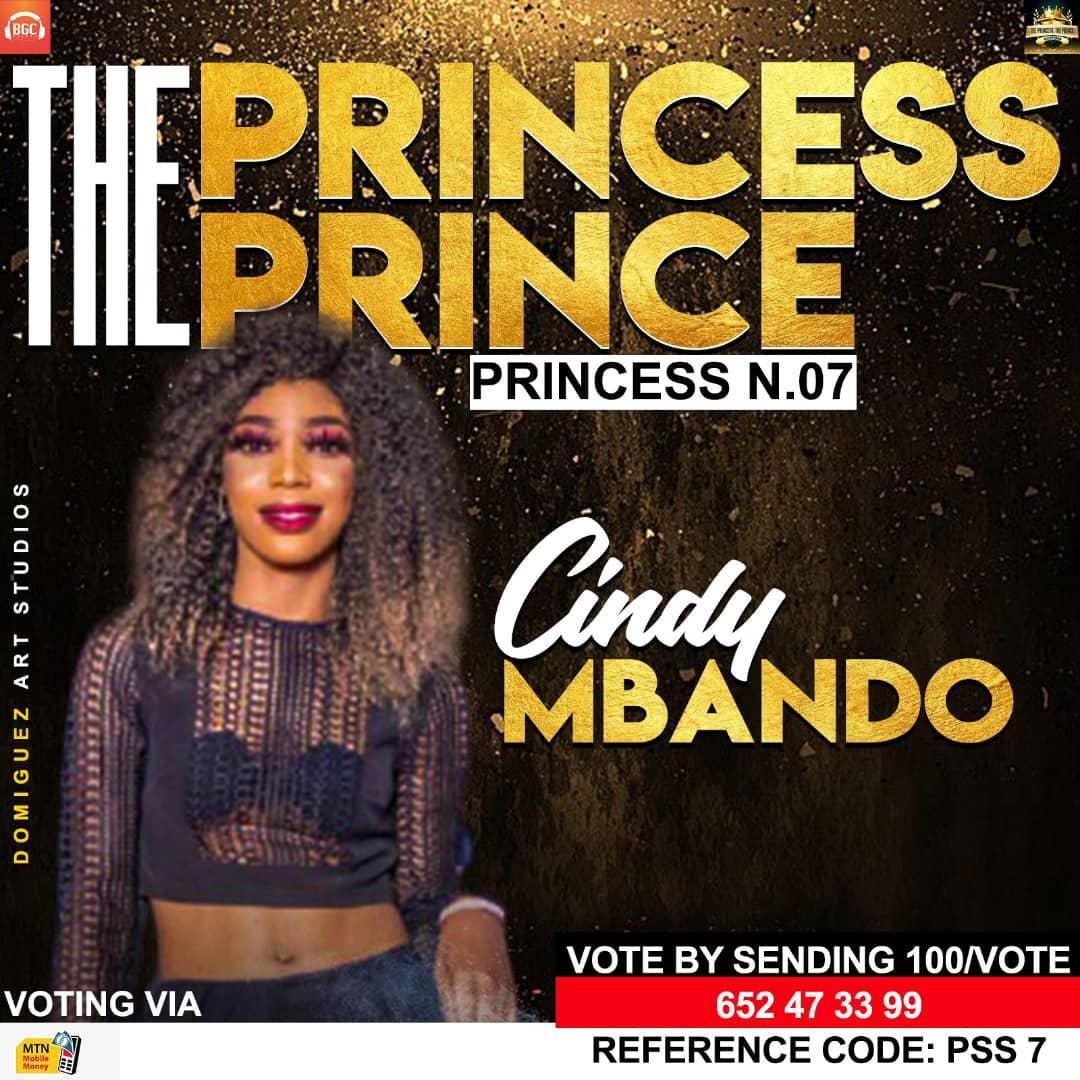
Cindy
-
Ziiana
-
Cameroonian artist Tasa
-






Comments
This post currently has no comments.