
Digital Release Metadata Guide for Artists
A strong record can lose momentum before a listener hears the first kick drum. The reason is often not the mix, the cover art, or the marketing budget. It is incomplete or inconsistent release data. This digital release metadata guide is for artists and teams who want every Afrobeats single, rap project, dance record, or diaspora collaboration to arrive on platforms with the right name, credits, rights information, and commercial setup.
Metadata is the information attached to a release. Streaming services, download stores, distributors, radio teams, collection societies, journalists, and fans all rely on it. When it is handled professionally, your catalog is easier to find, your contributors are properly credited, and your release campaign has fewer avoidable delays.
Why Digital Release Metadata Matters
Metadata is the business identity of your music. A fan may search an artist name after seeing a video clip, hearing a radio play, or catching a song in a DJ set. If your name is misspelled, formatted differently from prior releases, or confused with another artist, that attention can lead nowhere.
It also affects money and ownership. Songwriter names, producer credits, publishers, composition shares, recording owners, and identifiers help distinguish who created the work from who controls the master recording. These are related, but they are not the same thing. A performer can own a master, write none of the song, and still deserve correct artist credit. A producer may have a royalty agreement without being listed as a primary artist. The metadata must reflect the actual agreement, not assumptions made during upload week.
For African and diaspora artists, this becomes even more important when a release crosses markets. Names may include accents, multiple surnames, stage names, local-language titles, or collaborations between artists based in different countries. Consistency makes the catalog travel better across platforms and territories.
Build Your Digital Release Metadata Sheet First
Do not enter key information directly into a distributor dashboard from memory. Create one approved metadata sheet for each release before selecting a release date. It becomes the source document for your distributor, press materials, platform pitches, video descriptions, radio servicing, and internal records.
Your sheet should include these core fields:
- Release title and exact track titles
- Primary artist, featured artist, and contributor names
- Songwriter, composer, producer, and publisher information
- ISRCs for recordings and a UPC or EAN for the release
- Label name, copyright lines, release date, and territories
- Genre, language, explicit-content status, and lyric details
Keep the spelling exactly the same across every use. If your artist name is “K-Melo,” do not use “K Melo” on a feature, “Kmelo” in a video caption, and “K-MELO” in a press release. Platforms may treat these as separate identities. The same rule applies to featured artists. Confirm their preferred profile name and spelling before submission.
Titles Need Clarity, Not Decoration
A track title is not the place for promotional copy. Avoid adding phrases like “New Hit,” “Official Audio,” “Out Now,” or unnecessary emojis. Those belong in campaign assets, not platform metadata. Stores may reject excessive formatting, and a clean title looks more credible in search results and playlists.
Version information should be specific when it is genuinely needed. “Live,” “Acoustic,” “Radio Edit,” “Remix,” “Instrumental,” and “Extended Mix” tell listeners what they are getting. But do not label a standard recording as a remix simply because the beat changed slightly during production. Accurate versioning protects both listener expectations and catalog organization.
If a title uses a language other than English, preserve its correct spelling. Where helpful, a translated explanation can appear in a press release or social caption, but do not replace the official title with an English approximation unless that is the artist’s chosen title.
Know the Difference Between Artist Roles
Confusion around artist roles creates bad credits and can block a release. The primary artist is the main act presented on the release. A featured artist is a guest performer marketed within a particular track title. A producer, songwriter, composer, engineer, and instrumentalist should be credited in their appropriate contributor fields, even when they are not shown prominently to fans.
This distinction matters when you are releasing collaborative music. Two artists who share the record equally may be listed as joint primary artists. An artist delivering one guest verse is usually a featured artist. There is no universal creative rule, because marketing strategy and contracts matter. Still, agree on the designation before uploading, especially when both artists have established platform profiles.
Do not add a collaborator’s name as a feature without written approval. Beyond professional courtesy, it can create platform mapping problems, disagreements over marketing, and false expectations about participation in the campaign.
Codes, Copyright, and Ownership Fields
Every recording needs an ISRC, a unique code that identifies that specific sound recording. A single, its radio edit, acoustic version, and remix are separate recordings and normally need separate ISRCs. Reusing a code for a different version confuses reporting and can make catalog tracking difficult.
A UPC or EAN identifies the release package, such as a single, EP, or album. Think of the ISRC as the ID for one track recording and the UPC as the ID for the overall product. Your distributor may assign these codes, or your label may provide them. Either approach can work, but record the numbers in your master metadata sheet and do not lose them.
The phonographic copyright line, commonly shown as the P line, identifies the owner of the sound recording. The C line identifies the owner of the artwork and release compilation rights. If an artist is releasing independently through their own imprint, the owner may be the artist or the artist’s company. If a label funded and controls the master under contract, the label may hold that right. Use the language your agreement supports.
Never guess at publishing information or songwriter splits. If the writers have not agreed on shares, resolve that before the release builds momentum. A simple written split sheet can prevent a long dispute after a song starts earning.
Match Metadata to the Campaign
Release metadata does not sit apart from marketing. It should direct your campaign. The final release title, artist names, cover art, release date, focus track, short description, and clean or explicit designation should be aligned before graphic design, video rollout, radio outreach, and press pitching begin.
For example, if a song is intended for diaspora radio and brand-safe placements, make sure the delivered version and explicit flag match that strategy. Do not pitch a clean record while uploading only an explicit version, then try to fix the issue after programming interest arrives. If you are releasing a visualizer or official video, use the same track title and artist formatting in the video metadata so search traffic reinforces the release.
Genres deserve thoughtful selection too. Choose the closest primary genre, then use subgenre options where available. An Afropop track with amapiano drums and R&B vocals may not fit perfectly into one box. That is normal. Select the category that best supports how the audience, DJs, and platforms are most likely to understand it. Trying to tag every influence usually weakens the signal.
Check Before You Deliver
A final review should happen after all fields have been entered, not before. Have someone who did not build the sheet compare the dashboard entry against the approved release document. This catches errors the original uploader may no longer see.
Check the artist profile mapping, featured artist formatting, track order, release date, cover art, lyrics, codes, rights lines, and contributor credits. Listen to each uploaded audio file from start to finish as well. Metadata accuracy cannot rescue a wrong master, a clipped intro, or a track delivered in the wrong order.
Allow time for corrections. Last-minute uploads may be accepted by a distributor but still miss editorial pitching windows, pre-save plans, video scheduling, radio delivery, or coordinated press activity. A practical target is to lock metadata several weeks before release, with extra time for albums, multi-artist projects, and releases involving sampled material or complex rights arrangements.
After Release, Protect the Catalog
Publication is not the end of metadata work. Review the live release on major platforms when it goes public. Confirm that it appears under the correct artist profile, that featured artists are linked properly, that explicit labeling is correct, and that credits display where the platform supports them.
If something is wrong, document it with screenshots and report it through the distributor promptly. Do not create duplicate uploads as a quick fix unless your distributor advises it. Duplicate versions can split plays, confuse fans, and complicate reporting.
Treat your metadata sheet like a valuable business record. Store the final version alongside masters, cover files, split sheets, agreements, lyric sheets, and campaign assets. As your career grows, this discipline helps you license music, answer press requests, manage reissues, and keep every contributor connected to the work they helped create.
A release deserves the same care behind the screen as it receives in the studio. Get the details right early, and your next record has a cleaner path from the first upload to the fans, partners, and opportunities waiting to find it.
Latest Movie
The Princess, The Prince Reality TV Show
Cindy MbandoContestant Number: Princess 07To vote for her, send momo to 652473399 and write PSS 07 as REFERENCE.NOTE: 1 vote is 100FCFA, and it is through the momo number given above. You can vote as many times as you can. Remember, momo vote is 70%.Also like, comment, and share this video as many times as possible to maximize her chances.The Princess, The Prince Reality TV Show.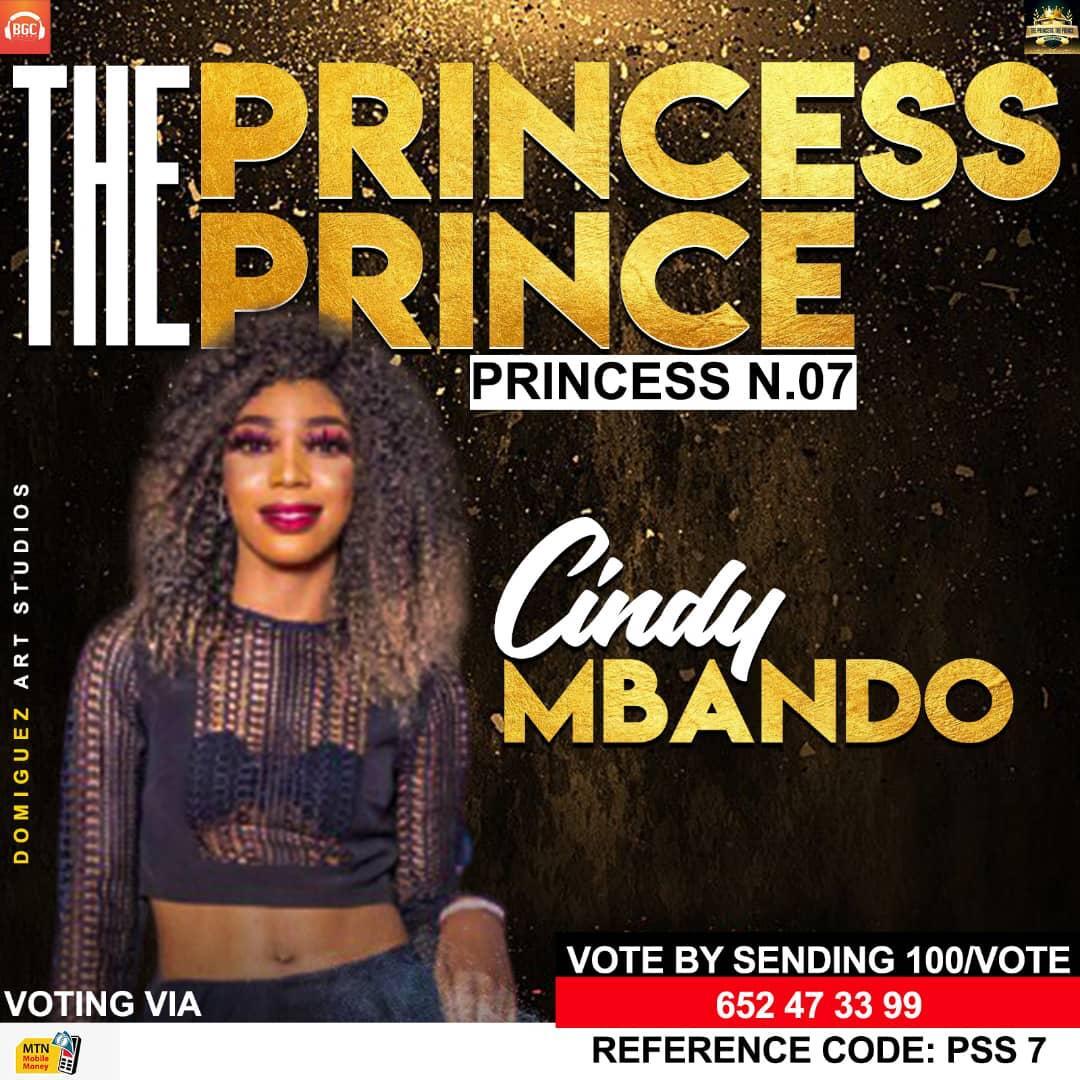
Cindy
-
Ziiana
-
Cameroonian artist Tasa
-








Comments
This post currently has no comments.