
How Does Radio Plugging Work for Emerging Artists?

A strong record can light up a party, earn saves on streaming platforms, and still miss radio if nobody puts it in front of the right programmers. So, how does radio plugging work? It is the professional process of pitching a release to radio decision-makers, following up with purpose, and turning station interest into airplay that supports an artist’s bigger release campaign.
For Afrobeats, African pop, rap, dance, and diaspora artists, radio plugging is not simply emailing an MP3 and waiting. It is targeted relationship work. The goal is to place the right song with the right outlet, whether that means a college station in a key US city, an online diaspora platform, a specialty show, a community broadcaster, or a commercial station with a relevant format.
What Radio Plugging Actually Means
A radio plugger is the bridge between a recording artist or label and radio programmers, music directors, DJs, producers, and presenters. Their job is to understand a station’s audience, format, schedule, and editorial priorities, then make a credible case for a particular release.
That work begins long before the first pitch. A plugger listens critically to the song and asks practical questions: Is the intro radio-friendly? Is the track clean enough for daytime programming? Does it fit Afrobeats, rhythmic, urban, world music, hip-hop, or dance programming? Is there a timely reason for the station to cover it now?
Radio is not one gate with one person behind it. A late-night specialist show may welcome an experimental amapiano record that a daytime commercial station cannot program. A community station may respond to an artist’s cultural story and local appearance. An online station may move quickly because its playlist is less restricted. Good plugging recognizes those differences instead of treating every contact as identical.
How Does Radio Plugging Work During a Release Campaign?
The process usually starts with a campaign brief. The artist, manager, label, or marketing team provides the release date, clean and explicit versions where needed, artist biography, high-resolution artwork, press photos, social handles, metadata, and any useful story angles. A plugger also needs clarity on the campaign objective.
Is the priority first plays, interviews, chart reporting, awareness in a particular city, support for a music video, or attendance at an upcoming show? These goals change the station list and the pitch. A new artist building recognition needs a different approach from an established act with audience data, press coverage, and a tour already in motion.
Next comes targeting. The plugger builds a focused database of outlets that can realistically serve the record. For an African diaspora release, this could include US college and community radio, African and Caribbean programs, international online stations, multicultural outlets, DJ mix shows, and selected commercial programmers. Geographic relevance matters too. If an artist is performing in Washington, DC, Atlanta, Houston, New York, Los Angeles, or a diaspora-heavy market, local radio attention can help convert awareness into real attendance.
Then comes the pitch. A well-made pitch is short, specific, and easy to use. It states who the artist is, why the release matters, what the song sounds like, and where the station can access clean assets. It may reference a previous conversation, a local connection, recent audience growth, a video premiere, or an upcoming appearance. It should never demand spins or pretend that a station owes coverage.
Follow-up is where much of the work happens. Programmers receive a heavy volume of music. A professional plugger follows up at sensible intervals, checks whether the track was received, answers questions, sends the clean edit if requested, and records feedback. Sometimes the answer is yes. Sometimes it is no. Often, it is not yet.
That feedback is valuable. If several programmers say the song needs a shorter intro, a stronger radio edit, or more artist activity in their market, the team has actionable information for the next release. Plugging is promotion, but it is also market intelligence.
From a Pitch to an Actual Spin
A station can support music in several ways. The first may be an audition by a music director or DJ. From there, a song might receive a one-time test spin, inclusion in a specialty show, rotation in a mix program, an interview feature, or placement in a recurring playlist. Commercial rotation is usually the hardest result to secure because those slots are limited and closely managed.
A spin is meaningful, but context matters. One overnight play at a small station is not the same as regular daytime rotation in a major market. Neither result is useless. The right value depends on the artist’s stage, target audience, and ability to amplify the moment across social media, press, live events, and streaming platforms.
Plugging teams track this activity through station reports, playlist captures, DJ confirmations, airplay monitoring where available, and direct feedback. The campaign report should show more than a vague promise of exposure. It should identify who was contacted, which outlets responded, what support landed, and what opportunities are still being pursued.
For an independent artist, this documentation matters. It helps management decide whether to extend the campaign, concentrate on a market that is responding, schedule interviews, or invest in local appearances. It also gives future partners evidence that the release has begun to move beyond the artist’s own circle.
What Makes a Song Easier to Plug
No plugger can force a station to love a record. Radio plugging works best when the music and the campaign are ready. A compelling hook, strong mix, clear vocals, accurate metadata, and a clean radio version remove friction for busy programmers.
The surrounding story matters as well. An artist with a striking identity, a focused visual campaign, performance footage, press support, and an active audience gives radio a reason to pay attention. For African and diaspora artists, cultural specificity can be a strength. A record should not be stripped of its language, rhythm, or roots to chase a generic sound. The smarter move is to identify the outlets and presenters whose listeners will understand the record immediately.
Timing can make or break a campaign. Sending a track a few days before release may be enough for flexible online outlets, but traditional programming teams often plan ahead. A campaign may need several weeks of lead time, especially if the artist hopes to coordinate radio with a video, media run, event, or tour date.
The Trade-Offs Artists Need to Understand
Radio plugging is not a guaranteed-spin service. Legitimate radio teams can bring relationships, strategy, persistence, and professional presentation, but the station retains editorial control. Be cautious of anyone promising major-station rotation for a fixed fee with no credible campaign plan or reporting process.
Budget is another reality. A broad national campaign costs more than a targeted regional or specialty-radio push. That does not mean the widest campaign is always best. An emerging artist may get better results by owning a few strategic markets, building genuine DJ support, and connecting radio exposure to live shows and digital content.
Genre also shapes expectations. Afrobeats and African pop have growing mainstream reach in the United States, but not every station has a dedicated format or programmer with room for new acts. Specialty and diaspora outlets can be powerful starting points because they speak directly to communities that are ready for the sound. From there, strong engagement can help create a case for bigger platforms.
Pay-for-play is a separate issue and should not be confused with professional promotion. A plugger may work with paid advertising, sponsored programming opportunities, or station events when those options are clearly disclosed and appropriate. That is different from undisclosed payments for editorial spins. Artists should always understand what they are paying for: outreach and campaign labor, advertising inventory, event activation, or something else.
Making Radio Part of a Bigger Visibility Plan
The most effective campaigns do not leave radio to operate alone. If a station plays the track, the artist can thank the presenter, share the moment with fans, provide a short station ID, offer an interview, and direct local listeners toward an upcoming performance. When an interview runs, the artist should arrive ready with a clear story, a memorable description of the song, and a natural invitation to listen or watch.
This is where integrated marketing creates momentum. A radio pitch supported by quality visuals, press materials, artist management, digital distribution, and event planning has more weight than a song sent without a wider plan. BGC Melody approaches visibility as a connected campaign because an artist’s record, video, media story, and market presence should reinforce one another.
Before hiring a plugger, ask which formats and markets they recommend, how they define success, when they will begin outreach, what assets they need, and how they report activity. The answers should be direct. A credible partner will explain the opportunity without selling fantasy.
Radio still carries a special kind of validation: someone with a trusted platform chose to put the record in front of listeners. Give that moment a campaign behind it, keep the song accessible, and let every spin open the door to the next room.
Latest Movie
The Princess, The Prince Reality TV Show
Cindy MbandoContestant Number: Princess 07To vote for her, send momo to 652473399 and write PSS 07 as REFERENCE.NOTE: 1 vote is 100FCFA, and it is through the momo number given above. You can vote as many times as you can. Remember, momo vote is 70%.Also like, comment, and share this video as many times as possible to maximize her chances.The Princess, The Prince Reality TV Show.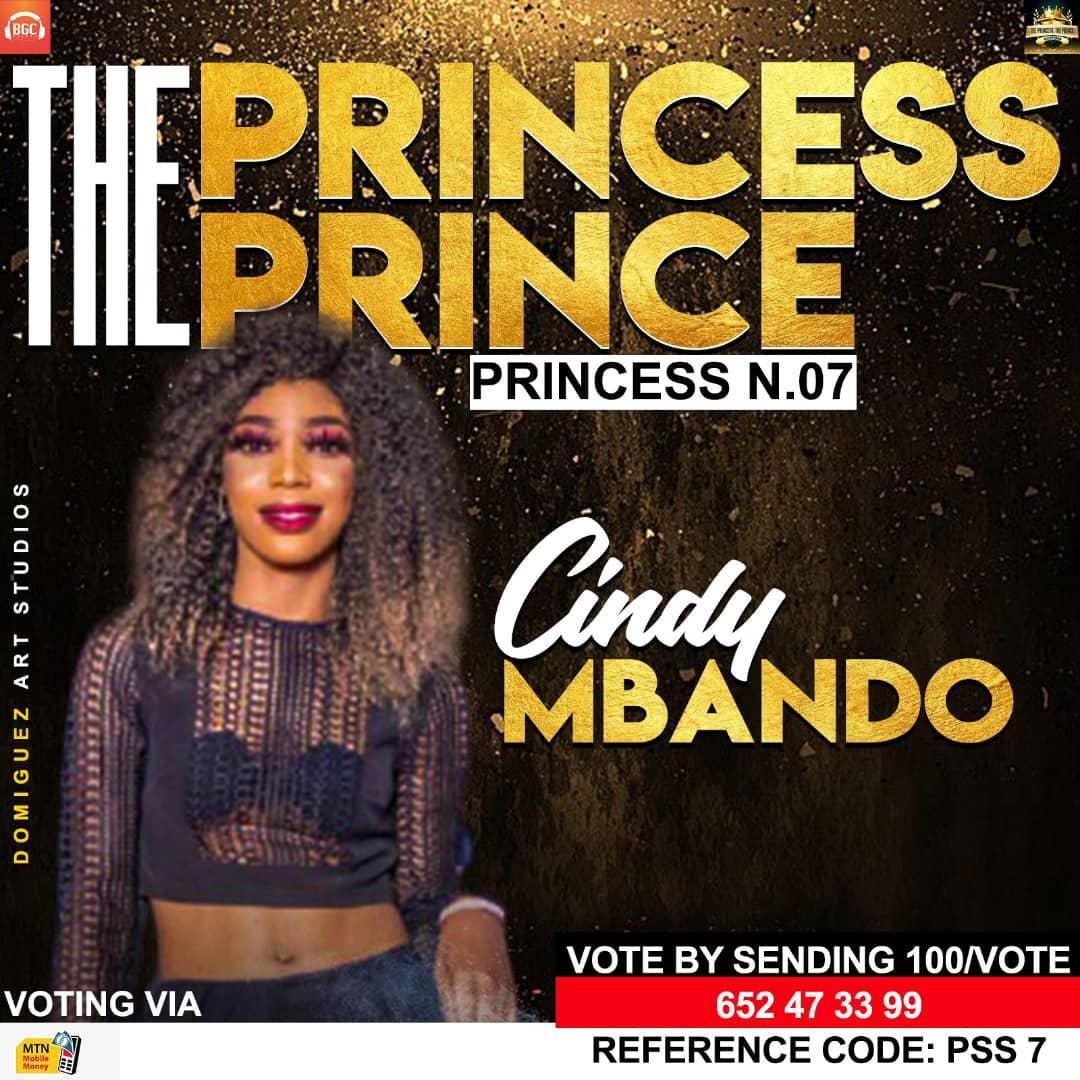
Cindy
-
Ziiana
-
Cameroonian artist Tasa
-






Comments
This post currently has no comments.