
How to Download African Music Albums Safely
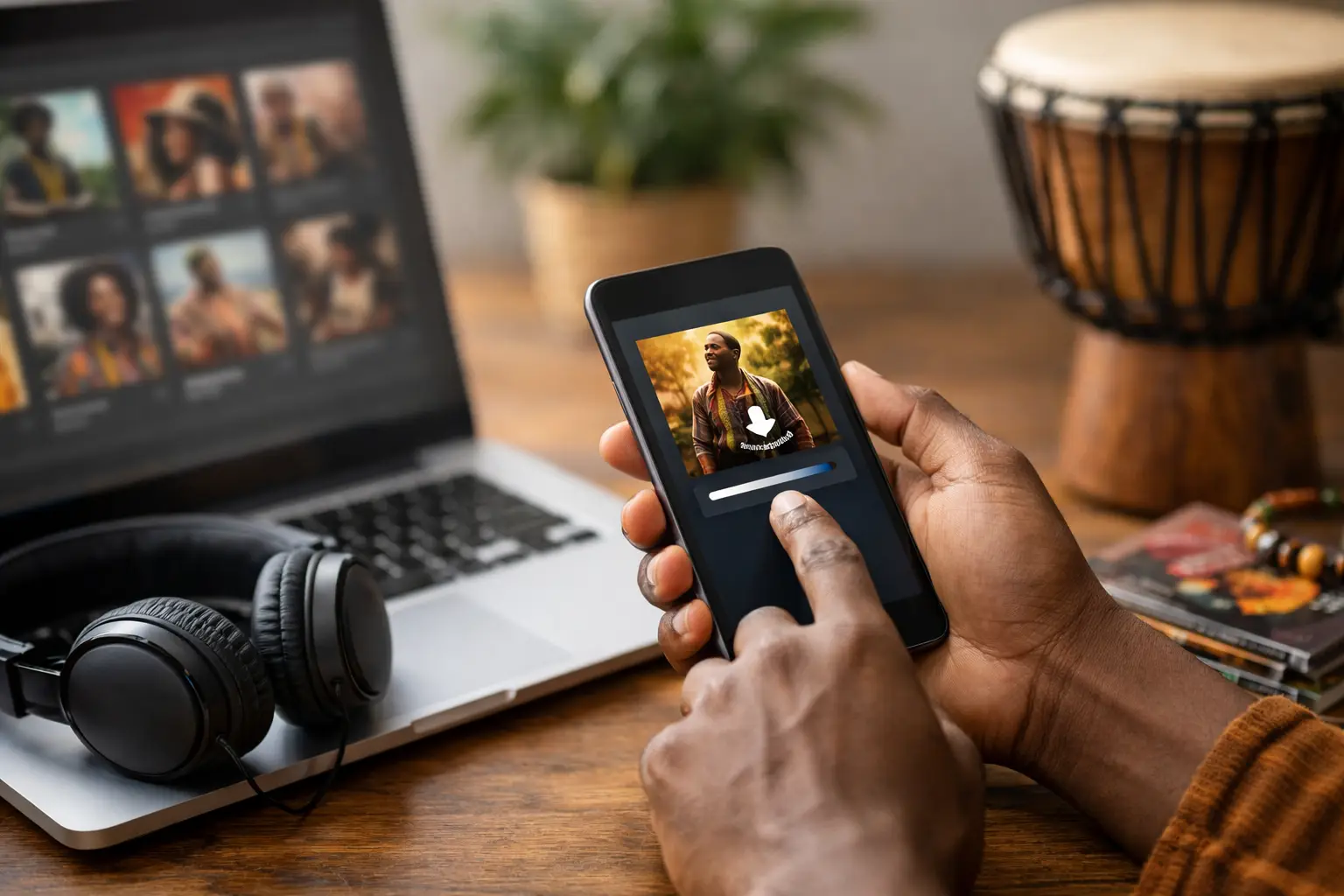
To download African music albums is to do more than add files to a phone. It can be a direct way to stay connected to home, follow a rising artist before the mainstream catches up, and put real value behind the sounds moving from Lagos to Kinshasa, Yaoundé, Accra, London, Atlanta, and beyond. But a good download should deliver more than a working audio file. It should be legitimate, high-quality, complete, and tied to the artist or authorized release team.
For listeners in the diaspora, albums often carry memory as much as melody. For artists, every legitimate purchase or approved download helps create the numbers, revenue, and audience signal needed for the next release, video, radio campaign, or live booking. That makes where and how you get music part of the culture.
Where to Download African Music Albums With Confidence
The safest starting point is an artist’s official release channel or an established digital music store that clearly identifies the album, artist, label, price, and file format. Official social pages and release announcements can also help confirm that a project is real, especially when a new EP or album is circulating across multiple platforms at once.
Be cautious with sites that promise every new album for free, bury the download button under pop-ups, or ask you to install unfamiliar software before accessing a track. A file labeled as music may be incomplete, poorly encoded, packed with ads, or worse, harmful to your device. If a page feels built to trap clicks rather than celebrate a release, leave it.
Legitimacy matters even when an artist has made a project free to download. Some artists release mixtapes, promotional singles, and selected albums at no cost to build reach. That is their choice. The difference is authorization: a free release shared by the artist, label, or management team is a campaign decision; an unauthorized upload is someone else benefiting from work they did not create.
For emerging artists, that distinction is commercial. A properly managed release can be paired with press coverage, visual content, radio plugging, performance opportunities, and audience data. An unapproved copy strips away that connection and makes it harder to measure where genuine fans are responding.
Choose the Format That Fits How You Listen
Not every download serves the same purpose. If you mainly listen through earbuds during commutes, workouts, or travel, a standard compressed format may be practical because it takes less storage and transfers quickly. If you care about production detail, live instruments, layered harmonies, and the low-end weight of amapiano, Afrobeats, coupé-décalé, or African rap, higher-quality files can be worth the extra space.
The right choice depends on your device and habits. A large lossless album may sound excellent through a proper speaker system, but it can fill a phone quickly and make offline-library management harder. A smaller file is easier to keep on hand, but poor encoding can flatten drums, blur vocals, and reduce the energy that makes a record hit.
Before you download, check whether the release includes full metadata. Album art, track titles, featured artists, producer credits, and release year are not minor details. They keep your library organized and give credit to the people who shaped the work. This matters especially on collaborative African music projects, where a breakout chorus, a guitar line, or a producer tag can introduce listeners to the next artist they want to follow.
A complete album should also include the intended track order. Sequencing is part of the artist’s statement. The opening track sets the temperature; the mid-album records hold the momentum; the final song can leave a message that a shuffled playlist never reveals.
Build an Offline Library You Will Actually Use
Downloading music is most valuable when it solves a real listening problem. Maybe your daily route has unreliable service. Maybe you are traveling internationally, saving mobile data, DJing a family event, or preparing a set for a cultural program. An offline library gives you control when streaming is not the best option.
Start with albums you will return to, not just whatever is trending this week. Keep a mix of current releases and catalog records: dance-floor energy for weekends, reflective projects for late nights, gospel or acoustic selections for quieter moments, and high-tempo tracks for the gym or road. African music is not one genre, and your collection should reflect that range.
Organization makes a difference. Use consistent artist names, album titles, and cover art so you can find music without scrolling through duplicate files. Create simple folders or playlists by mood, region, language, year, or occasion. A Cameroonian makossa classic, a Congolese rumba album, a Ghanaian highlife project, and a new Afrobeats release may all fit the same celebration, but each deserves to remain easy to identify.
Back up your library, too. A lost phone should not mean losing the music you paid for or carefully collected. Store a secure copy on a trusted personal device or approved cloud storage, and retain purchase records where possible. That small habit saves time and protects your collection.
Downloading Albums Should Support the Music Ecosystem
Fans often see downloading as a simple transaction. For an independent artist, it can be evidence that a market exists. A strong release response helps an artist and their team make better decisions about where to promote, which cities to target, whether to fund a video, and how to position the next campaign.
That is why buying directly from authorized sources, when available, has impact beyond one album. It supports studio time, producers, engineers, musicians, designers, visual teams, and the management work behind a professional release. It also gives artists a stronger case when approaching promoters, media partners, brand collaborators, and booking teams.
For diaspora talent, professional distribution is especially valuable because the audience may be spread across countries and time zones. A release needs to be accessible, but it also needs a story, visible branding, clean credits, and a campaign that gives people a reason to pay attention. BGC Melody operates in that space by connecting digital releases with artist development, marketing, media visibility, and cross-border representation.
Listeners can play a role without becoming industry experts. Buy the project if it moves you. Share the official announcement. Credit the artist when you post a favorite track. Attend a show when the artist comes to your city. These actions create momentum that unauthorized uploads cannot provide.
Watch for Red Flags Before You Save a File
A trusted download experience should be clear about what you are getting. You should know the artist name, release title, number of tracks, format, and any price before you commit. If the page hides those basics, redirects repeatedly, or makes exaggerated claims about exclusive music, treat it carefully.
Also pay attention to file extensions. Music downloads should arrive as recognizable audio files, not unexpected applications, installers, or compressed packages that demand extra permissions. Keep your device software current and use normal security practices, particularly when downloading from a computer you also use for work, creative projects, or financial activity.
There is another red flag that is less technical but just as relevant: a release page that erases credits. African music is built through collaboration. If the album information removes featured acts, producers, composers, or label identity, it may not be the original source. Seek a version that respects the full creative team.
Make Every Album Part of a Bigger Connection
The best collections are not built through random accumulation. They grow through curiosity. When an album catches your attention, look beyond the single. Listen to the deep cuts, learn the featured voices, and notice the producers whose sound keeps appearing across your favorite records. That is how a casual download becomes real artist discovery.
Keep one simple standard: download music from places that respect the people who made it. Your library will sound better, stay safer, and carry a more meaningful connection to the artists and communities behind every record.
Latest Movie
The Princess, The Prince Reality TV Show
Cindy MbandoContestant Number: Princess 07To vote for her, send momo to 652473399 and write PSS 07 as REFERENCE.NOTE: 1 vote is 100FCFA, and it is through the momo number given above. You can vote as many times as you can. Remember, momo vote is 70%.Also like, comment, and share this video as many times as possible to maximize her chances.The Princess, The Prince Reality TV Show.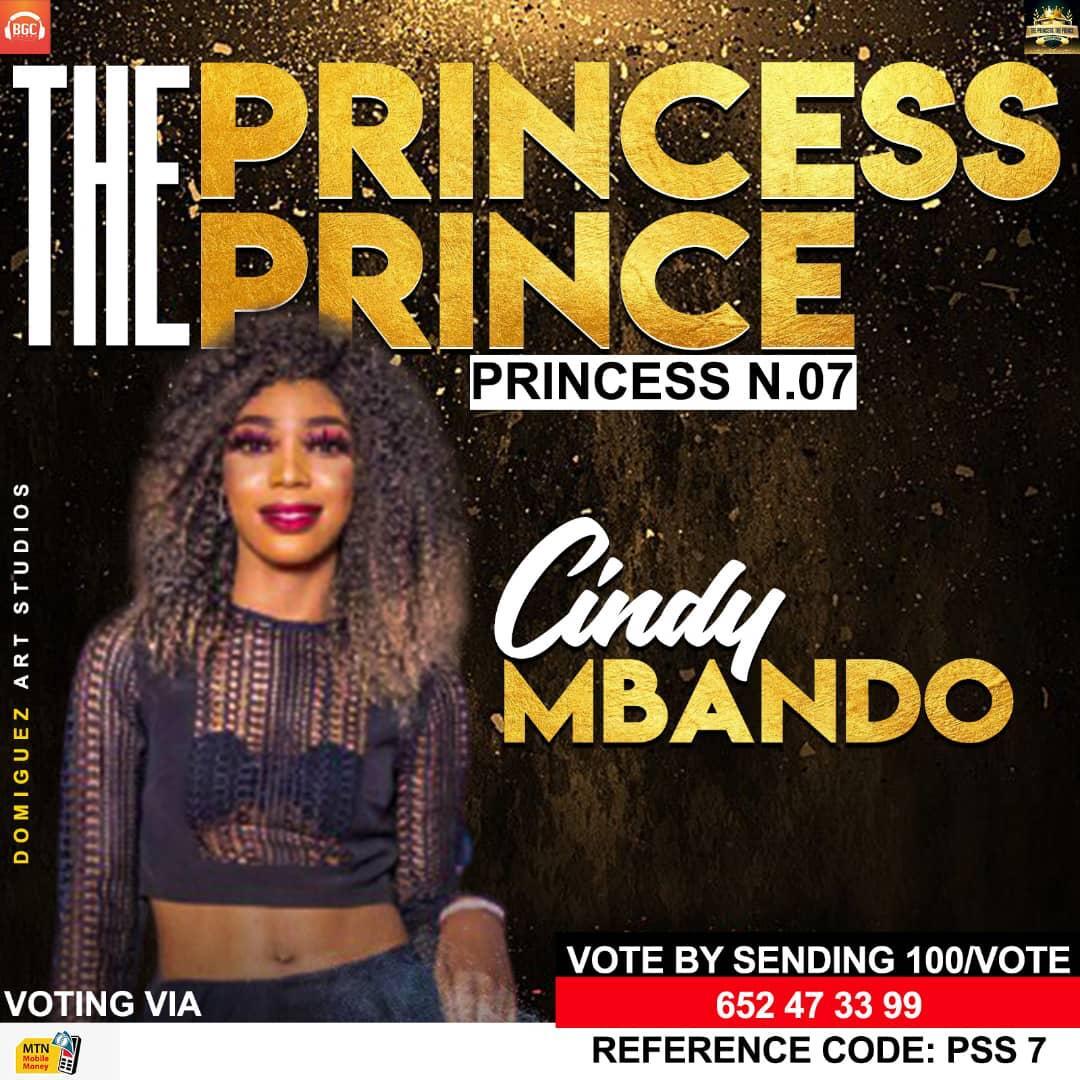
Cindy
-
Ziiana
-
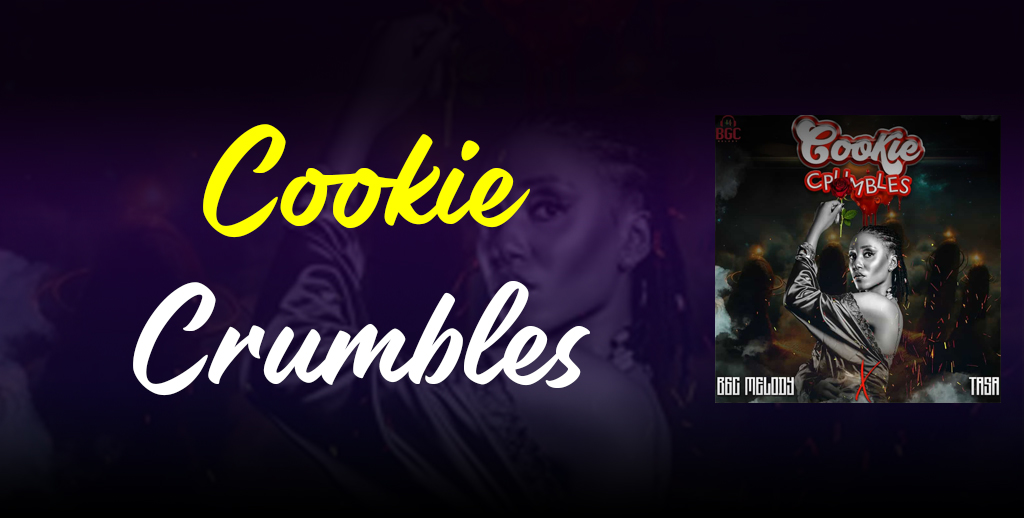
Cameroonian artist Tasa
-








Comments
This post currently has no comments.