
How Afrobeats Is Building a Bigger Global Stage

A Lagos club record can move through Accra, London, Johannesburg, Atlanta, and Arlington before the weekend is over. That reach is no accident. Afrobeats has become one of the most visible forces in popular music because it carries rhythm, language, fashion, dance, and identity across borders without asking listeners to leave their own culture behind.
For artists, the opportunity is real, but so is the competition. A catchy chorus may create a moment; a clear team, release plan, visual identity, and audience relationship are what turn that moment into a career. For fans, the upside is just as exciting: there has never been a better time to find African and diaspora talent before the rest of the market catches up.
Afrobeats Is More Than a Sound
Afrobeats is often used as a wide label for contemporary African pop music with global reach. It can include Nigerian pop, Ghanaian highlife influences, amapiano crossovers, Afro-fusion, R&B, rap, dancehall, house, and sounds developed throughout the African diaspora. Its flexibility is part of its power. The music can be bright and percussive, romantic and melodic, street-focused and raw, or polished for a major international pop campaign.
The term also needs care. Afrobeat, singular, refers specifically to the politically charged, jazz-rich style associated with Fela Kuti and other pioneers. Afrobeats, plural, is the modern industry category most listeners use for a broad range of African popular music. The two are connected by history and influence, but they are not interchangeable.
That distinction matters because culture travels faster when the story is clear. A song should not need to be reduced to a generic “global beat” to be marketable. Its language, local references, production choices, and point of view can be the very reasons listeners connect with it.
The rhythm carries, but the identity stays
Afrobeats works internationally because it is built for movement. Percussion creates momentum, bass lines hold the groove, and hooks are designed to live beyond the first listen. Yet its strongest records do not sound manufactured for everybody. They sound specific.
An artist singing in Pidgin, English, French, Lingala, Yoruba, Igbo, Duala, or a blend of languages can connect with listeners who may not understand every word. The emotion arrives through melody, delivery, and rhythm. Then the listener leans in, learns the phrase, follows the artist, and becomes part of the cultural exchange.
Why the Global Afrobeats Market Keeps Expanding
The rise of Afrobeats is not only a streaming story. Streaming made discovery easier, but the genre’s growth has been powered by a larger network: DJs, dancers, radio personalities, video directors, promoters, diaspora communities, fashion creators, and fans who turn songs into shared experiences.
A record can break in different ways. One track may move through dance challenges and short video clips. Another may build gradually through DJ support, live performances, and a committed core audience. A third may gain traction after a feature connects two regional fan bases. There is no single formula, which is good news for artists who have a strong identity but do not fit a narrow mold.
Diaspora communities remain central to this expansion. African music has long traveled through families, churches, house parties, student organizations, community radio, and independent events. What has changed is the scale. A listener in the United States can now hear a new release at the same time as fans in multiple African markets, then see a performance clip, save the song, and share it with friends within minutes.
That visibility creates commercial possibilities, from touring and brand partnerships to licensing, digital sales, and collaborations. But attention is not the same as infrastructure. Artists need a plan for what happens after a song starts moving.
A Strong Record Needs a Strong Release System
Independent artists sometimes treat release day as the finish line. In reality, it is the point when the public campaign begins. The record needs accurate credits, polished artwork, platform-ready audio, a release date that gives the team time to work, and visual assets that make people stop scrolling.
The most effective campaigns connect every piece. The cover art establishes a recognizable world. The video gives fans something to quote, imitate, or discuss. Press coverage provides context for new audiences. Radio plugging can create repeat exposure in the right markets. Live appearances turn passive listeners into supporters who will buy tickets, bring friends, and stay invested between releases.
This does not mean every artist needs a huge budget. It means the budget should match the goal. If an artist is introducing a first single, focused audience targeting and a strong performance video may be smarter than trying to be everywhere at once. If a record is already connecting in a city or community, event support and local media may deliver more value than broad, untargeted promotion.
Consistency also matters more than constant posting. Fans do not need an artist to reveal every hour of every day. They need a reason to remember the artist when the next release arrives. That can come from a recognizable voice, thoughtful visuals, live clips, studio moments, community engagement, or a story that feels honest.
Visuals are part of the record
Music video culture has always been important to African popular music. A great visual can show movement, style, location, humor, aspiration, and personality in ways audio alone cannot. It also gives media outlets, DJs, promoters, and fans a practical asset to share.
The trade-off is that expensive does not automatically mean memorable. A glossy production without an idea can disappear quickly. A smaller shoot with intentional lighting, strong styling, clean editing, and a concept connected to the song can travel much further. The best choice depends on the track, the artist’s stage of development, and where the campaign needs to land.
For artists building across borders, visual quality signals readiness. It tells potential partners that the artist understands presentation and can carry a larger opportunity. That is why access to capable production crews, camera resources, creative direction, and distribution support can make a meaningful difference.
Building an Afrobeats Career Beyond the Viral Moment
Virality can introduce an artist to millions, but career development is built through repeatable habits. The first is catalog thinking. Every release should add to an artist’s story instead of feeling like an isolated attempt to chase a trend. A listener who finds one single should quickly understand what else the artist stands for.
The second is ownership and organization. Keep track of masters, splits, publishing information, contributor agreements, artwork rights, and release files. These details are not glamorous, but missed credits and unclear agreements can create major problems when a song begins generating income or attracting partnership interest.
The third is smart collaboration. A feature can expand reach, but it should make musical and strategic sense. The right partnership introduces a new audience while protecting the identity of both artists. Chasing a famous name without a real creative fit can make a release feel temporary.
Finally, artists need a professional team around the music. Management, A&R guidance, PR, digital promotion, radio support, event planning, and talent representation serve different functions. Not every developing artist needs every service at once. But trying to manage all of them alone can slow momentum at the exact moment a record needs attention.
BGC Melody approaches that gap as an integrated creative and commercial challenge. African and diaspora artists need more than distribution. They need the right release strategy, a public-facing story, visual support, media visibility, and representation that can carry their work into new rooms.
The Next Audience Is Looking for Something Real
The global appetite for Afrobeats will keep creating openings, but it will also bring more imitation. That makes originality more valuable, not less. The artists with staying power will be the ones who understand where their sound comes from, respect the people who shaped it, and present it with enough discipline to compete anywhere.
For listeners, keep searching beyond the names already at the top of the charts. For artists, make the next release easy to find, impossible to confuse with someone else’s, and supported by a team that sees the long game. The next record that connects across continents may already be sitting in a home studio, waiting for the right plan to carry it forward.
Latest Movie

The Princess, The Prince Reality TV Show
Cindy MbandoContestant Number: Princess 07To vote for her, send momo to 652473399 and write PSS 07 as REFERENCE.NOTE: 1 vote is 100FCFA, and it is through the momo number given above. You can vote as many times as you can. Remember, momo vote is 70%.Also like, comment, and share this video as many times as possible to maximize her chances.The Princess, The Prince Reality TV Show.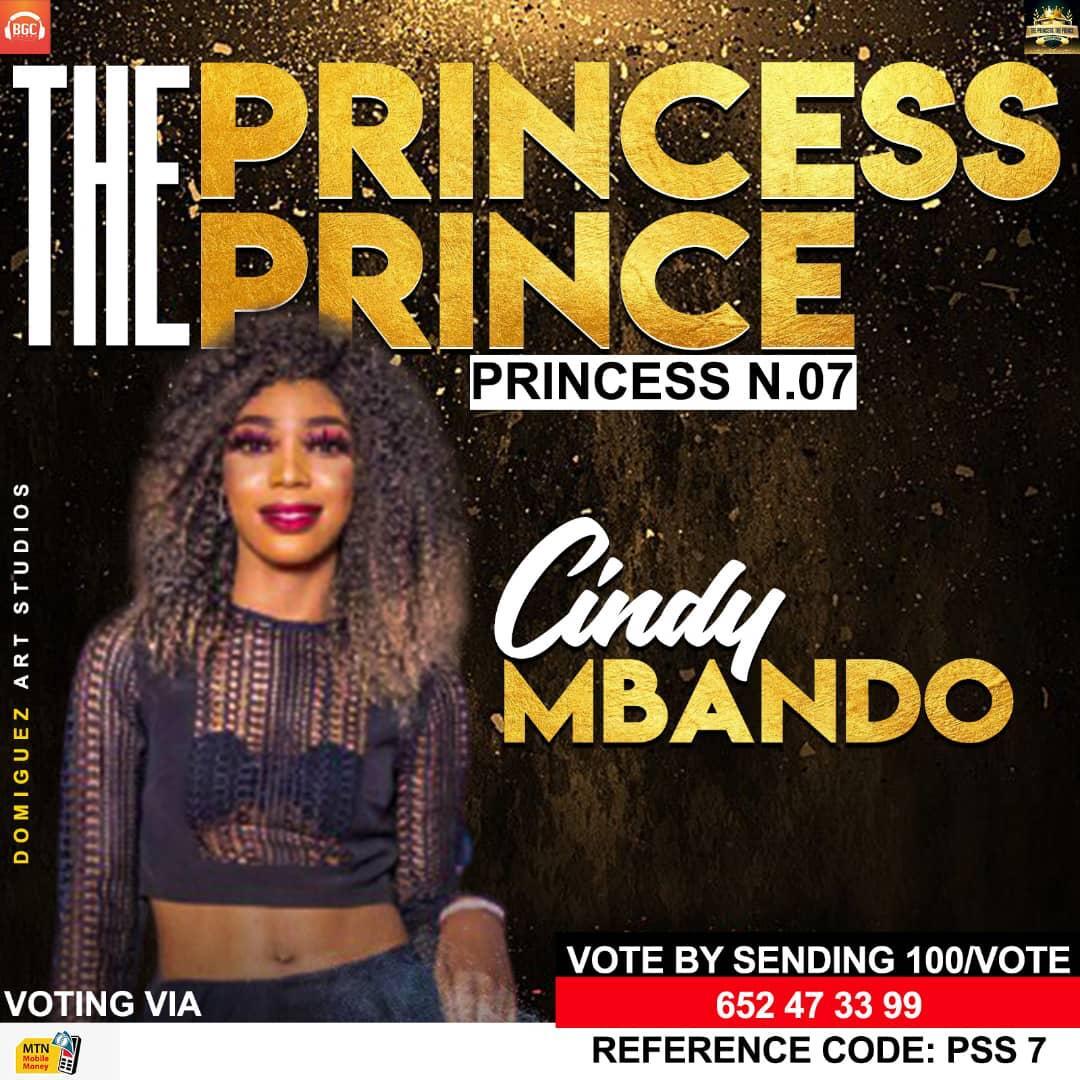
Cindy
-
Ziiana
-
Cameroonian artist Tasa
-





Comments
This post currently has no comments.