
African Music Videos That Build Artist Momentum
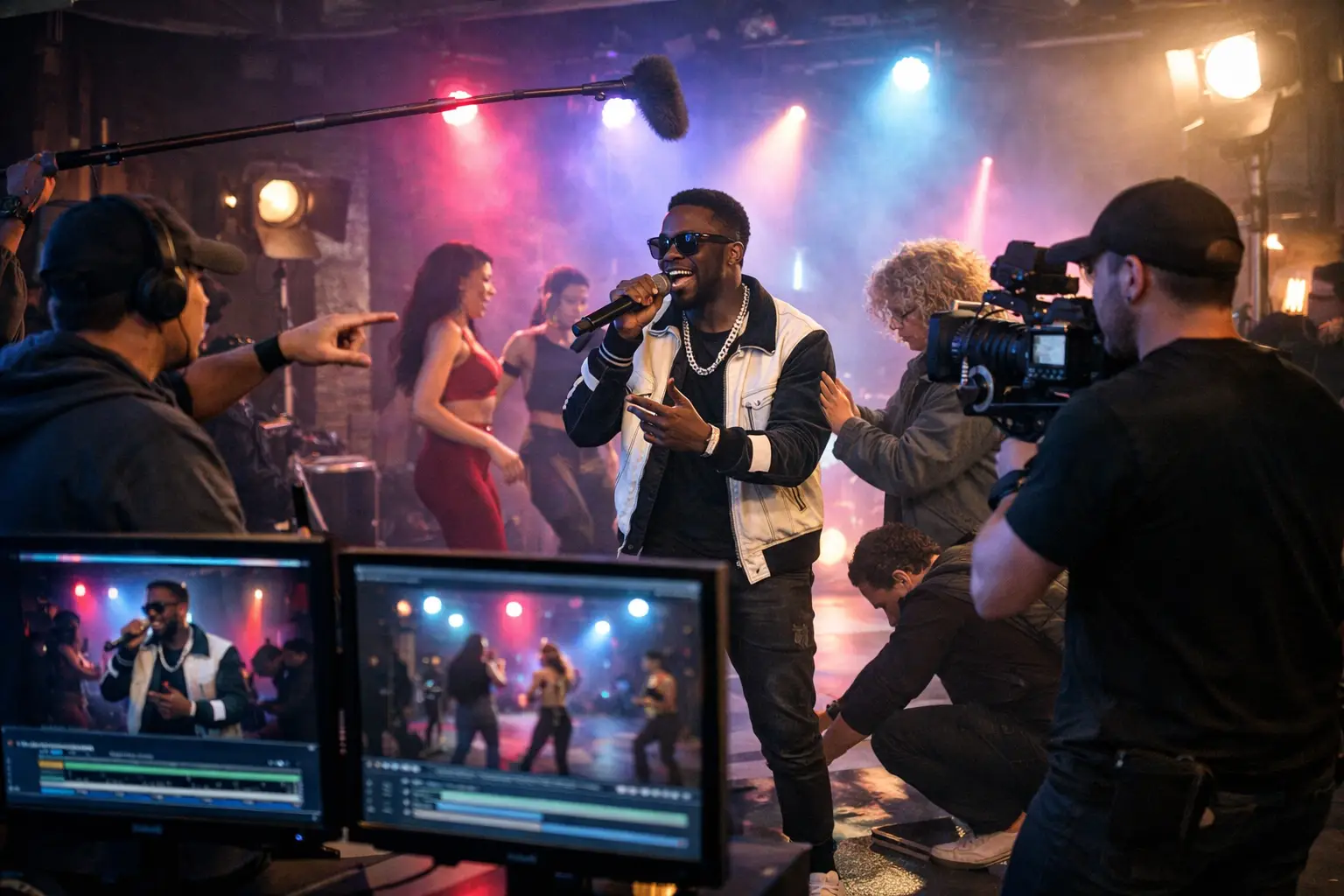
A video can introduce an artist before a listener hears the second verse. For African music videos, that first impression often carries the weight of a whole campaign: the sound, fashion, movement, language, location, ambition, and identity of the artist all arrive at once. A strong release is not simply content for a channel. It is a commercial asset that can move a record across borders.
For independent African and diaspora artists, that distinction matters. A song may have real potential, but without a clear visual world and a release plan behind it, it can disappear in a crowded stream of weekly drops. The goal is not to chase expensive visuals for their own sake. The goal is to create a video that gives fans, media, DJs, promoters, and potential partners a reason to pay attention.
Why African Music Videos Carry More Than the Song
Music videos have always been part of African popular music culture, from the television era to the mobile-first audience now watching clips on phones, smart TVs, and social platforms. What has changed is the speed of the conversation. A visual can travel from Yaoundé, Kinshasa, Lagos, Accra, Johannesburg, London, Berlin, or Arlington to a global audience within hours.
That reach is powerful, but it raises the standard. Viewers are not only judging the track. They are deciding whether the artist feels memorable, current, distinctive, and worth following. A performance video with a confident concept can do more for an emerging act than a technically polished video with no point of view.
For diaspora audiences, visuals also create connection. The location might recall home. The styling may reference a local scene, a traditional textile, a neighborhood dance, or a shared language. That does not mean every video needs to carry a cultural lesson. It means the details should feel intentional rather than borrowed from a generic global-pop template.
Start With the Song’s Job
Before a treatment is written or a camera is booked, decide what the record needs to accomplish. Is this the artist’s introduction? A dance record built for repeat viewing? A statement piece meant to establish credibility? A release designed to support a new EP, an event date, or a press campaign?
The answer shapes the visual approach. A romantic Afrobeats track may need chemistry and atmosphere. A rap single may need performance authority, a recognizable setting, and sharp editing. A gospel, rumba, amapiano, or Afro-pop release may call for a different pace, wardrobe language, and audience expectation. There is no single look for African music because there is no single African sound.
Artists sometimes make the mistake of selecting a concept before they understand the song’s strongest selling point. If the hook is the record’s engine, build scenes that make viewers remember it. If the artist’s dance ability is the advantage, do not bury it under a story that leaves no room for movement. If personality is the differentiator, use close performance shots that let it come through.
Build a treatment people can repeat in one sentence
A useful treatment can be explained quickly: an artist turns a local night market into a moving stage; two lovers keep missing each other across a city; a dancer leads a street procession from afternoon into night. If the concept cannot be described clearly, it may be difficult for viewers to remember after the final frame.
Simple does not mean small. It means focused. One strong location, excellent lighting, a committed performance, and disciplined styling can look more premium than five disconnected setups. Budget is real, especially for independent talent, so spend where the camera will see it: image quality, lighting, art direction, wardrobe, and a crew that understands music performance.
Make the Visual Identity Consistent
The best African music videos do not feel isolated from the artist’s wider career. They connect to the cover art, press photographs, social clips, live look, and next release. That consistency gives audiences a clearer memory of the artist, which is especially valuable when building a catalog from the ground up.
Choose a visual direction that can travel across the campaign. It may be a color palette, a signature garment, a specific graphic style, or a recurring setting. The point is not to become predictable. It is to make the artist recognizable at a glance.
This is where professional management and marketing can protect a release from mixed signals. An artist may have a strong song, a strong video, and strong photos, yet lose momentum if each asset looks like it belongs to a different project. A coordinated campaign gives media outlets cleaner materials, gives fans a stronger story, and gives booking partners a more complete picture of the act.
Production Choices That Actually Show on Screen
Camera quality matters, but it is not the whole production. A RED camera can capture exceptional detail and give a production more flexibility in post, particularly when lighting conditions change or color grading is central to the look. Still, a high-end camera cannot repair weak framing, flat lighting, rushed styling, or an artist who has not prepared to perform for the lens.
Rehearsal is one of the best investments in a music video. Artists should know the lyrics, key movements, marks, and emotional shifts before the shoot day. Lip-sync performance needs energy beyond the recording booth. On camera, a small expression can read louder than a broad gesture, while a dance sequence needs timing that remains strong after multiple takes and edits.
Location choice requires practical judgment too. An iconic outdoor setting may create instant character, but it can introduce noise, weather risk, permit issues, crowd control, and limited power. A controlled studio offers consistency and speed, but it may need stronger art direction to avoid looking empty. The better option depends on the track, budget, schedule, and story.
Release Day Is Not the End of the Campaign
Posting the full video is a milestone, not a strategy. The release needs a runway before launch and a second wave after the first views arrive. Teasers should create curiosity without giving away the entire visual. Behind-the-scenes moments can show the work and personality behind the record. Short performance cuts can target the hook, a dance break, a fashion moment, or an emotional line that viewers will want to share.
Timing should reflect where the artist’s community is active. A diaspora act may need to consider time zones across the United States, Europe, and African markets. A video aimed at a dance challenge needs short clips ready immediately. A visual positioned for press should launch with strong stills, accurate credits, an artist bio, and a concise story around the release.
The full video and the short-form pieces should work together, but they do not have to be identical. The long version builds immersion. The short clips earn attention. One drives the other when the campaign is organized around the same message.
Measure the audience, not just the view count
A large view count can be encouraging, but it does not automatically mean the release is building a career. Watch time, repeat engagement, comments, saves, follows, audience location, and traffic to streaming platforms provide a fuller picture. So do inquiries for performances, interviews, collaborations, and brand work.
For an artist planning the next move, the useful question is: what did this video prove? It may have proven that a particular market responds to the sound, that a dancer has become a recognizable collaborator, or that fans connect most strongly with the artist’s live-performance side. Those lessons should shape the next release rather than sit unused in an analytics report.
Protect the Work and Credit the Team
A serious visual release needs clear agreements. Confirm ownership and usage rights for the master recording, video footage, beat, locations, wardrobe, choreography, artwork, featured talent, and any third-party material visible on screen. Get releases for models and actors. Discuss credit language before the video is published, not after it gains traction.
This is not paperwork that slows creativity. It is part of making creative work commercially usable. A video may later be needed for media placements, brand opportunities, screenings, compilations, or promotional campaigns. Unclear rights can turn a promising asset into a problem at the exact moment the artist needs to move quickly.
BGC Melody approaches visual releases as part of an integrated artist-development conversation: the music, the video, digital promotion, press visibility, talent representation, and live opportunity should reinforce each other. That is where a video becomes more than a beautiful upload.
The next time a song is ready for visuals, ask one direct question before the first shot: when a new viewer finishes this video, what should they know about the artist? Build every creative and campaign decision around that answer, then give the audience a reason to come back for the next record.
Latest Movie
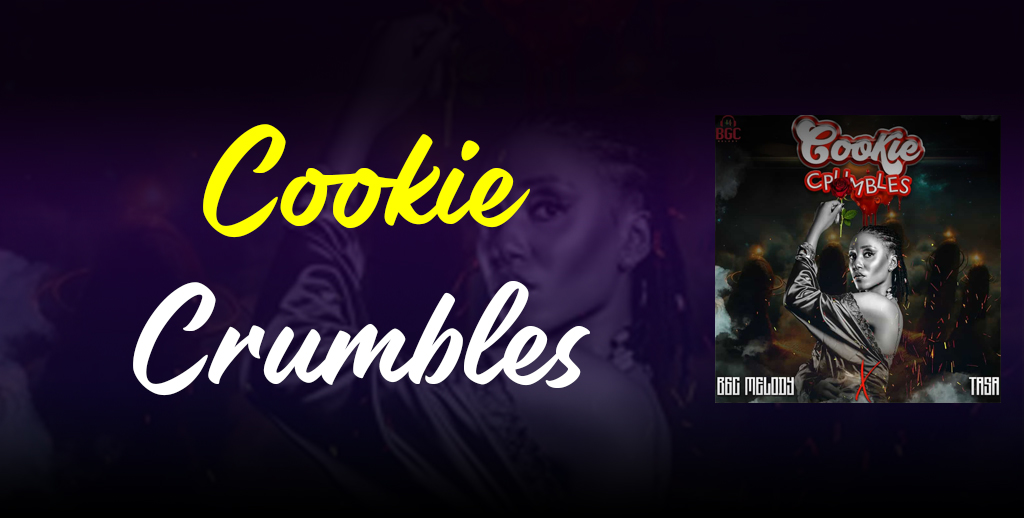
The Princess, The Prince Reality TV Show
Cindy MbandoContestant Number: Princess 07To vote for her, send momo to 652473399 and write PSS 07 as REFERENCE.NOTE: 1 vote is 100FCFA, and it is through the momo number given above. You can vote as many times as you can. Remember, momo vote is 70%.Also like, comment, and share this video as many times as possible to maximize her chances.The Princess, The Prince Reality TV Show.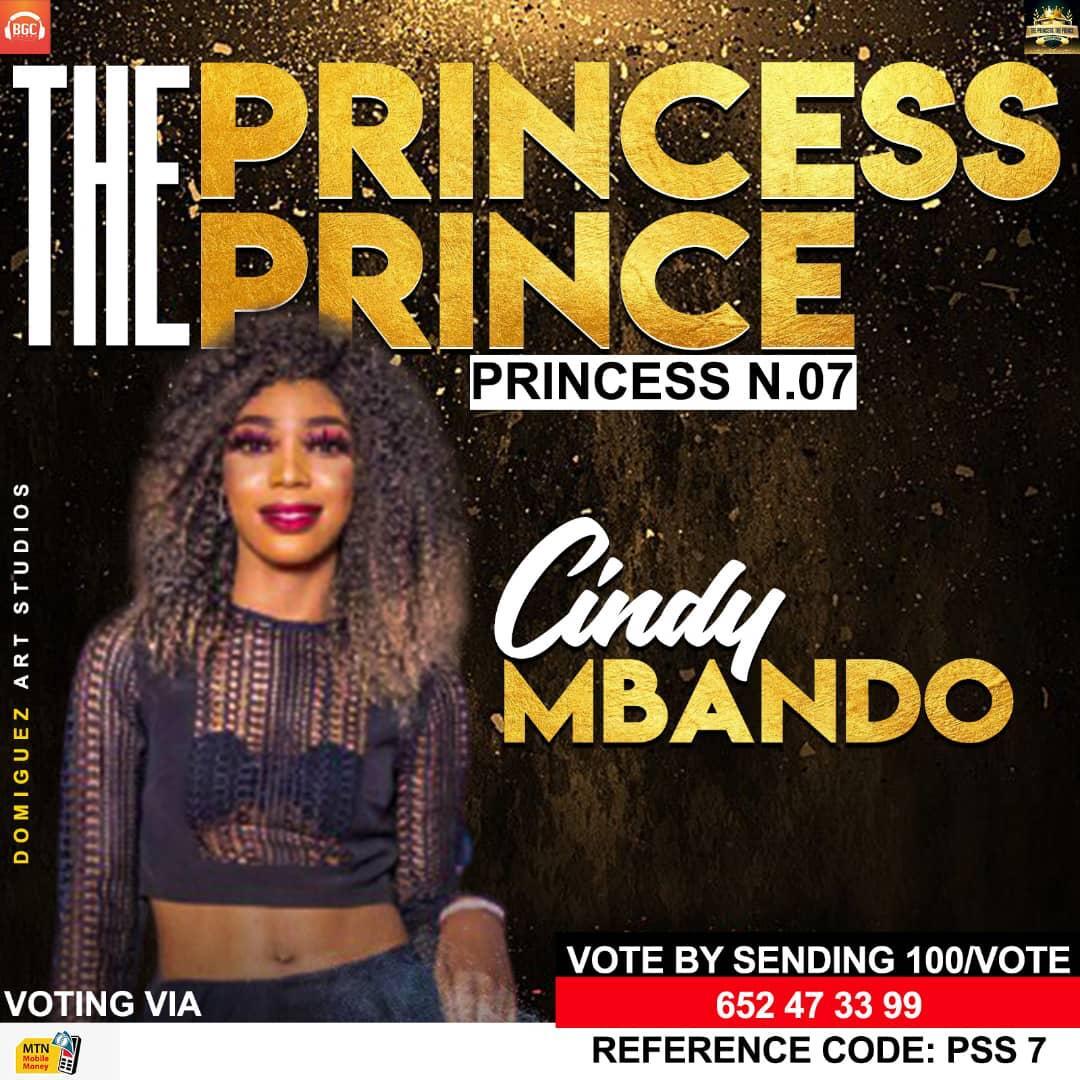
Cindy
-
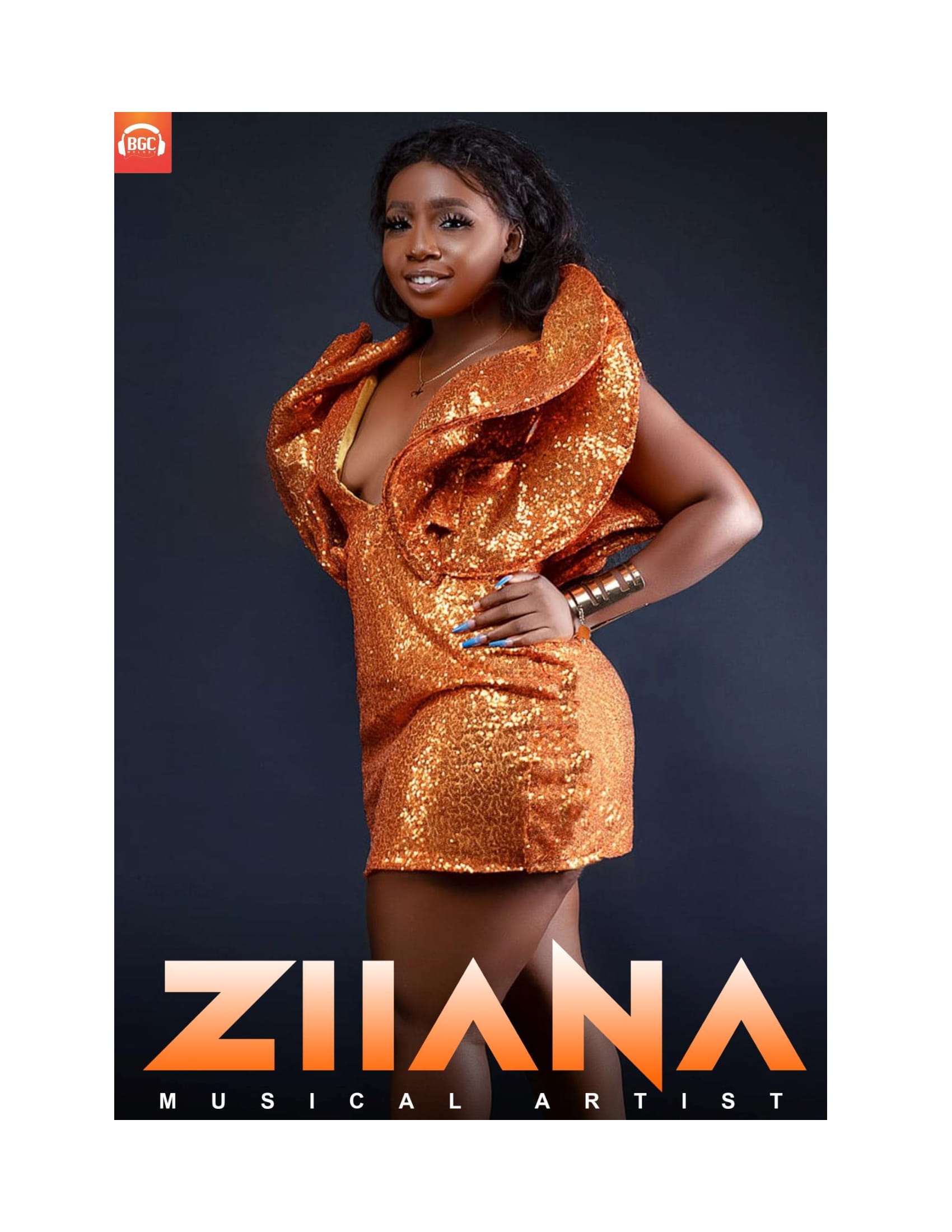
Ziiana
-
Cameroonian artist Tasa
-

Comments
This post currently has no comments.