
Music Artist Management Services That Build Careers

A strong record can introduce an artist. A well-managed career gives that artist a reason to stay in the conversation after the release week ends. Music artist management services turn creative momentum into a working plan: the right release timing, stronger media visibility, better opportunities, and decisions that protect the artist’s long-term value.
For African and diaspora artists, management often has an added layer. The music may travel between cities, countries, and cultures before the business catches up. An Afrobeats artist in Cameroon, a rapper in Germany, or a singer building an audience from the United States may need support that understands both the sound and the markets around it. The goal is not simply to get attention. It is to build a career that can convert attention into streams, bookings, partnerships, and a recognizable public identity.
What Music Artist Management Services Actually Do
Artist management is the business structure behind the creative work. A manager helps set priorities, organizes the moving parts around releases, represents the artist in conversations with industry professionals, and pushes for opportunities that fit the artist’s direction.
That does not mean management should control every artistic choice. The artist remains the source of the vision. Good management makes that vision easier to execute by asking practical questions early: What is the next single? Who is the audience? What content is needed? Which media platforms matter? Is the artist ready for live bookings, brand work, or a larger campaign?
The work often includes career planning, release coordination, marketing oversight, public relations, booking support, negotiation, brand positioning, and communication with labels, producers, promoters, distributors, and other partners. The exact scope depends on the agreement and the artist’s stage. A developing artist may need hands-on release planning, while an established act may need stronger deal strategy and international representation.
Management is not a magic shortcut. No manager can manufacture a loyal audience around music that is not ready, or replace an artist’s commitment to writing, recording, performing, and showing up. What professional support can do is stop good opportunities from being lost to poor timing, unclear communication, or a lack of follow-through.
The Difference Between Management, PR, and Marketing
These roles work together, but they are not the same service.
A manager looks at the whole career. They help decide which opportunities deserve energy and which ones distract from the larger plan. A publicist focuses on visibility through press coverage, interviews, media angles, and announcements. A marketing team turns a release into a campaign through audience targeting, digital content, platform promotion, and measurable outreach.
An artist can hire PR for one single without having a manager. An artist can run paid promotion without securing radio attention. But when these efforts are disconnected, the campaign can feel scattered. A music video drops before the song has a clear rollout. Press arrives after the social conversation has cooled. A booking request comes in without a professional rate, rider, or performance plan.
Integrated support matters because music releases are not isolated events. They are moments that should build on each other. A single can introduce a new visual identity. A video can provide media stories and short-form content. Radio plugging can create regional credibility before a live show. A clean artist profile can make it easier for fans, promoters, and collaborators to understand the brand immediately.
Why African and Diaspora Artists Need Market-Aware Management
African music is global, but global access does not mean every artist has the same path. A campaign for an artist with a strong local fan base may need to focus on converting community support into ticket sales and regional media. An artist with diaspora listeners may need a digital-first rollout that speaks to fans across time zones, languages, and cultural references.
Management should understand where the artist’s sound naturally connects. That could be Afrobeats, African pop, rap, dance music, gospel, R&B, or a hybrid sound that does not fit one playlist label. The best approach is not to force an artist into the trend of the month. It is to identify the strongest entry point for listeners while keeping the identity real.
Cross-border work also requires patience. Media relationships, travel documents, payment structures, contracts, radio formats, and venue expectations can vary widely. A deal that looks exciting may not make financial sense after expenses. A high-profile appearance may be valuable for credibility but weak as a direct revenue opportunity. Management helps weigh those trade-offs instead of chasing every invitation.
At BGC Melody, that wider perspective can bring together artist development, digital releases, music video promotion, publicity, radio outreach, and talent representation. For artists building between Africa and the diaspora, having these services aligned can create a more consistent public presence.
A Release Plan Should Start Before the Song Is Out
The most common management mistake is starting the campaign when the song is already live. By then, the artist is reacting instead of directing the story.
A stronger rollout begins with the release objective. Is this track meant to introduce a new artist, keep an existing audience engaged, test a different sound, support an upcoming EP, or create demand for a performance? The answer shapes every decision that follows.
From there, management can coordinate the essentials: final master delivery, cover art, metadata, distribution timing, artist photos, short-form video assets, press materials, a media angle, and a schedule for announcements. If a video is part of the campaign, it should not be treated as an afterthought. The video can extend the record’s life, give fans something to share, and provide visual proof of the artist’s ambition.
The campaign should also leave room for real audience response. If a chorus starts performing well in short clips, that may justify more performance content. If one city responds strongly, radio and event outreach can follow. Planning creates direction, but good management stays flexible enough to recognize the moment.
What Artists Should Expect From a Manager
A manager should bring clarity, not confusion. The relationship needs regular communication, clear responsibilities, and written expectations around commissions, term length, expenses, approvals, and what happens if either side wants to end the agreement.
Artists should expect honesty about readiness. Sometimes the best next step is not a major release campaign. It may be improving the recordings, building a stronger performance set, organizing professional photos, or creating enough content to support a release properly. That can feel slower, but it is often smarter than spending a budget before the foundation is in place.
A credible manager should also be able to explain the plan in plain language. Artists need to know what is being done, why it matters, what it costs, and how success will be measured. Streams matter, but they are not the only measure. Growth can also show up through stronger audience retention, press mentions, radio adds, booking inquiries, mailing-list growth, content engagement, and better industry relationships.
The artist also has responsibilities. Be prepared for meetings. Deliver music and content on time. Keep communication professional. Respect contracts. Show up for rehearsals, interviews, shoots, and performances. Management works best when the artist is organized enough to act on the opportunities being created.
When Management Is the Right Next Move
Not every emerging musician needs full management immediately. If an artist has only a few unfinished songs and no defined direction, focused development may be more useful first. If the artist already has a release schedule, audience activity, and incoming opportunities that are becoming hard to manage alone, professional management can become a major advantage.
The right time is usually when the artist has proof of commitment and needs a more coordinated business approach. That proof does not have to mean millions of streams. It can mean a consistent sound, quality recordings, regular releases, a growing local or digital audience, and the discipline to build beyond one song.
A career is built in the space between releases: the calls returned, the assets prepared, the relationships maintained, the audience respected, and the opportunities chosen with purpose. The right management team helps an artist use that space well, so the next record arrives with more than hope behind it.
Latest Movie

The Princess, The Prince Reality TV Show
Cindy MbandoContestant Number: Princess 07To vote for her, send momo to 652473399 and write PSS 07 as REFERENCE.NOTE: 1 vote is 100FCFA, and it is through the momo number given above. You can vote as many times as you can. Remember, momo vote is 70%.Also like, comment, and share this video as many times as possible to maximize her chances.The Princess, The Prince Reality TV Show.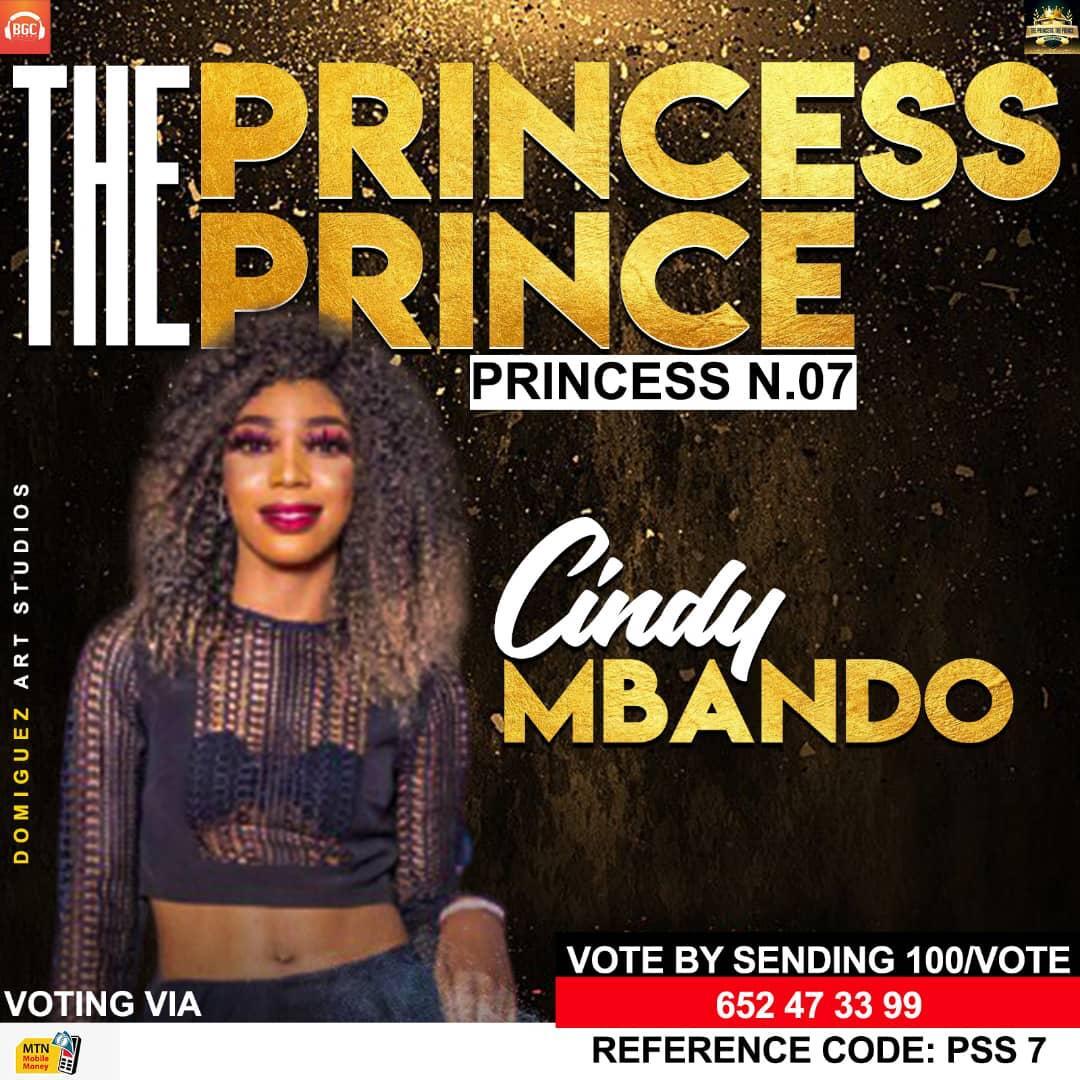
Cindy
-
Ziiana
-
Cameroonian artist Tasa
-









Comments
This post currently has no comments.