
Music Press Release Distribution That Gets Heard
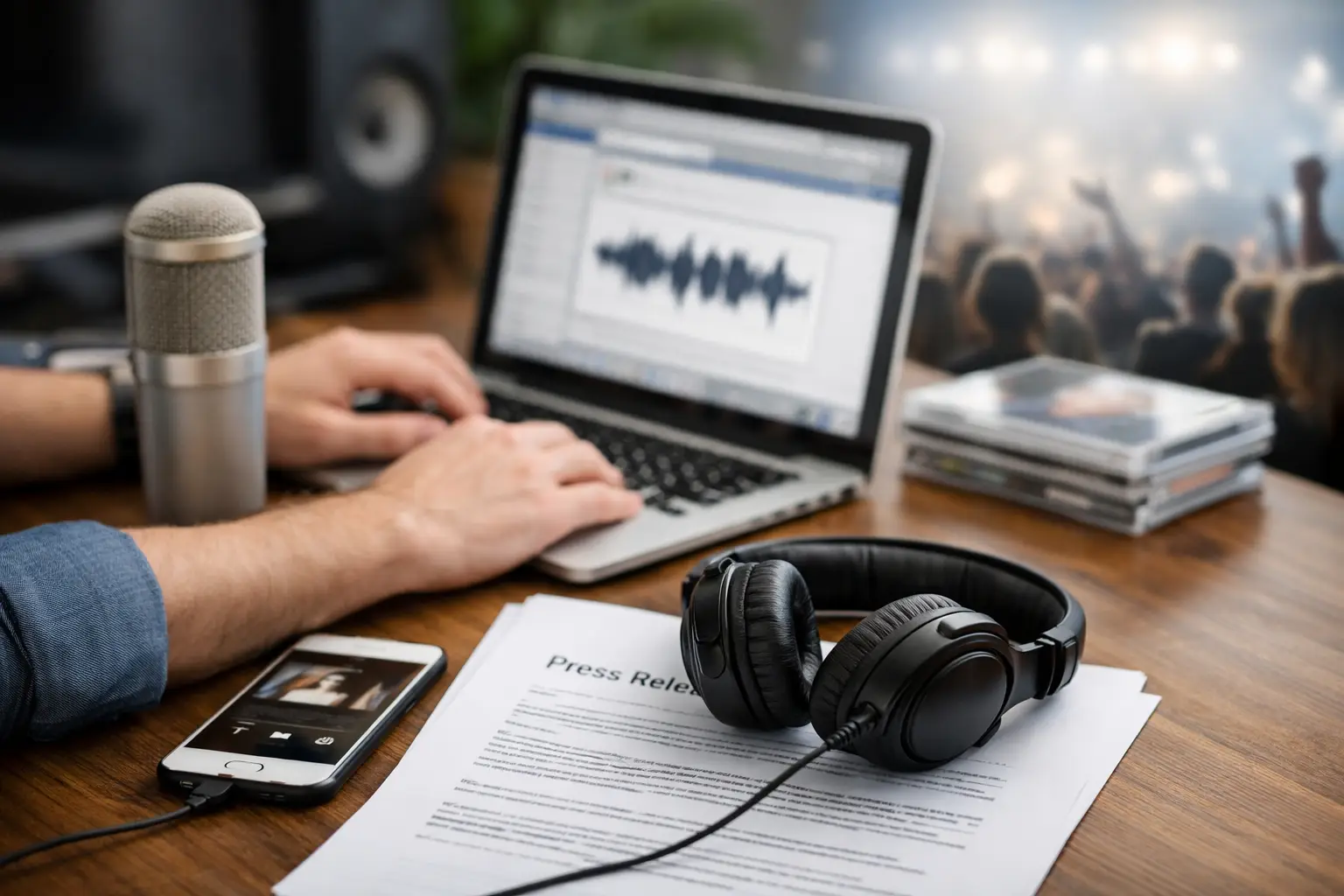
A release can be live on every major platform and still feel invisible by Friday. That gap is where music press release distribution matters. For African and diaspora artists building across cities, countries, and cultures, the right press outreach gives a single, video, or EP a public story that media outlets, DJs, promoters, fans, and industry partners can recognize.
A press release is not a substitute for a strong song, a visual rollout, or consistent artist development. It is the professional announcement that connects those pieces. Done well, it gives your campaign a clear reason to exist beyond “new music out now.” Done badly, it becomes another copied email that never reaches an editor’s consideration pile.
What Music Press Release Distribution Really Does
Music press release distribution is the process of preparing a release announcement and delivering it to relevant media contacts, music platforms, radio teams, culture publications, blogs, newsletters, and industry gatekeepers. The goal is not simply to send a mass email. The goal is to create qualified visibility around a release and make it easy for the right people to cover, play, share, interview, or book the artist.
For an Afrobeats artist in the United States, a rapper connecting Kinshasa and the diaspora, or a Cameroon-born singer launching a first international video, relevance matters more than volume. A dance-music blog may care about the beat and club potential. A diaspora publication may care about identity, language, and community impact. A radio programmer wants clean metadata, a clear format fit, and a track they can actually use.
Distribution creates a coordinated entry point for those conversations. It can support editorial coverage, artist interviews, radio plugging, premiere opportunities, event promotion, search visibility, and social proof for an artist team approaching future partners.
Start With a Story, Not a Streaming Link
Editors receive endless release notices. “Artist X drops new single” is accurate, but it is rarely enough to earn attention. Your release needs a real angle, stated early and without inflated claims.
The angle may be a cross-border collaboration, a video shot in a meaningful location, an artist’s first project after a major career shift, a song tied to a cultural moment, or a campaign that brings a new sound to a defined audience. It can also be straightforward: an emerging artist with an exceptional record, a focused visual identity, and a credible team. The key is specificity.
A strong press release usually answers five questions in its opening section: Who is the artist? What is being released? When is it available? Why does this release matter now? Where can the media access the music and approved assets?
Avoid claiming that a song is “the next global hit” or calling an artist “the best” without proof. Journalists and playlist curators make those judgments for themselves. Give them facts they can use: previous releases, notable performances, collaborators, production credits, audience milestones, community activity, or the creative context behind the record.
Build a press-ready release package
The written announcement works best when it arrives with a complete, organized package. Before outreach begins, make sure your team has:
- A final press release with the release date, artist name, song or project title, and contact details
- A private listening link or downloadable clean audio file, plus the public release link once live
- High-resolution artist photos, cover artwork, and a music video link when applicable
- A concise artist biography and accurate credits for producers, featured artists, directors, and writers
- Social handles, location, genre positioning, and one direct media contact who can respond quickly
This preparation protects momentum. If a publication replies asking for photos, a clean version, interview availability, or a short quote, a delayed answer can cost the opportunity. Treat every asset as part of the campaign, not as an afterthought.
Timing Makes Distribution More Valuable
For most independent releases, outreach should begin before release day. A reasonable window is two to four weeks ahead for a single, and longer for an EP, album, major video, or event-connected campaign. That gives selected media outlets room to review the music, schedule coverage, or discuss an interview or premiere.
There is no universal timeline. A surprise drop may be right for an artist with an active audience and a fast-moving social strategy. A developing artist with limited media history often benefits from more runway, especially when introducing a new image or entering a new market.
Release day should not be the end of distribution. It is the first public moment of a campaign. Follow up with updated streaming results, new video clips, radio adds, performance footage, fan reactions, or a strong editorial feature. Those developments give the media a reason to revisit the project after the initial announcement.
For a video release, coordinate the press push with short-form content, artist posts, behind-the-scenes material, and direct outreach to culture pages. If the video has a visual concept rooted in African fashion, dance, a hometown, or diaspora life, say so clearly. A video is more likely to travel when people understand what they are looking at and why it was made.
Choose Targets by Fit, Not by Famous Names
A large media list can look impressive while producing almost no results. The better approach is to divide targets by their relationship to the release: genre publications, African and diaspora outlets, local city media, radio and DJ contacts, entertainment writers, video platforms, and event or culture publications.
A respected national outlet may be valuable, but a focused regional station or diaspora publication can produce more meaningful engagement if its audience already cares about your sound. A feature in a publication serving African communities in the DMV, Houston, Atlanta, Toronto, London, Berlin, or Paris may put the artist in front of listeners who will attend shows, share videos, and become repeat supporters.
Personalized outreach improves the odds. You do not need to write a long letter to every contact, but the subject line and first few sentences should show why the release suits that outlet. Mention a recent article, a relevant column, or the editorial lane they cover when it is genuine. Never pretend to be familiar with work you have not read.
Also separate earned media from paid promotion. Sponsored posts, advertorial placements, and guaranteed digital features can have a role in a campaign, particularly when they reach a clearly defined audience. They are not the same as independent editorial coverage. Be transparent internally about what each placement is designed to deliver.
Make the Release Easy to Cover
Media teams move quickly. Your job is to remove friction. Use a direct subject line that includes the artist, release, format, and date. Put the essential details near the top. Keep the main release to a readable length, then provide additional materials separately.
Quotes should sound like the artist, not a corporate brochure. A useful artist quote explains the emotion, inspiration, or intention behind the release. A useful manager or producer quote can add context around the campaign, collaboration, or sound. Neither needs to be dramatic. Honest language is often more memorable.
Accuracy is part of professionalism. Confirm spelling, release dates, featured artists, producer credits, social handles, territories, and file names before distribution. One wrong date or broken link signals that the campaign may not be ready. That is especially damaging when an artist is trying to earn confidence in a new market.
At BGC Melody, the strongest campaigns connect press activity with the wider release plan: digital distribution, video promotion, radio outreach, artist representation, and performance opportunities. Press is most effective when it is working alongside the full team rather than operating as a one-off announcement.
Measure More Than Placements
A campaign should be evaluated by quality and movement, not just by the number of sites that reposted a release. Track where coverage appeared, whether the outlet reached the intended audience, how much referral traffic or social conversation it generated, and whether the coverage created new opportunities.
A single thoughtful interview can be more valuable than twenty low-quality reposts. It may provide video clips for social media, establish the artist’s story in search results, give bookers something credible to review, and introduce the record to a committed audience. On the other hand, broad distribution can help when an artist needs basic visibility and verified announcements across multiple markets.
Ask practical questions after each release. Did journalists respond to the angle? Which markets engaged? Did the video perform better than the audio? Did radio contacts request clean edits? Did a feature lead to an interview, playlist consideration, show booking, or new partnership? The answers shape the next campaign.
Music press release distribution cannot manufacture a career, and no reputable team can promise coverage from every major publication. What it can do is place a prepared artist in the right conversations at the right time. Bring a release with a real story, clear assets, and a campaign that continues after launch day. Then every piece of attention has somewhere to go: toward the music, the video, the audience, and the next opportunity.
Latest Movie
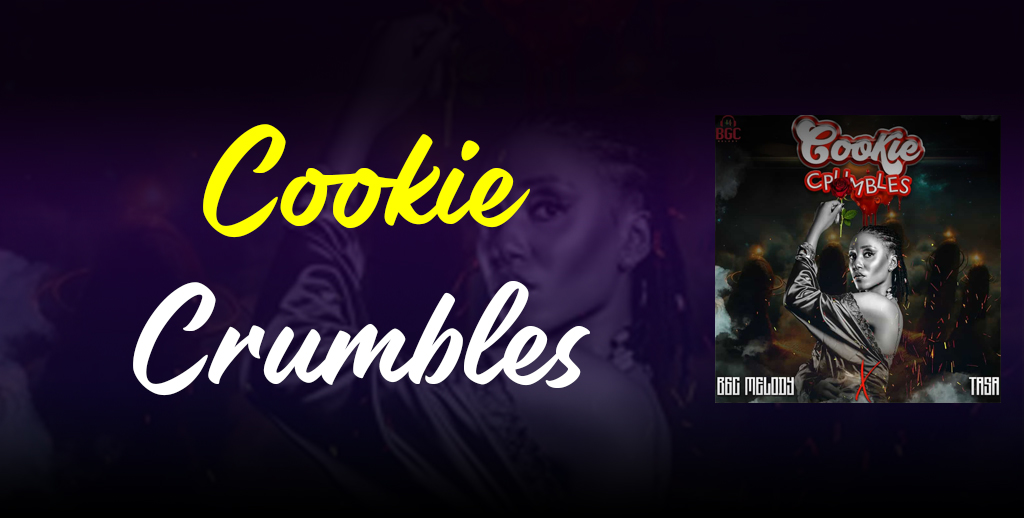
The Princess, The Prince Reality TV Show
Cindy MbandoContestant Number: Princess 07To vote for her, send momo to 652473399 and write PSS 07 as REFERENCE.NOTE: 1 vote is 100FCFA, and it is through the momo number given above. You can vote as many times as you can. Remember, momo vote is 70%.Also like, comment, and share this video as many times as possible to maximize her chances.The Princess, The Prince Reality TV Show.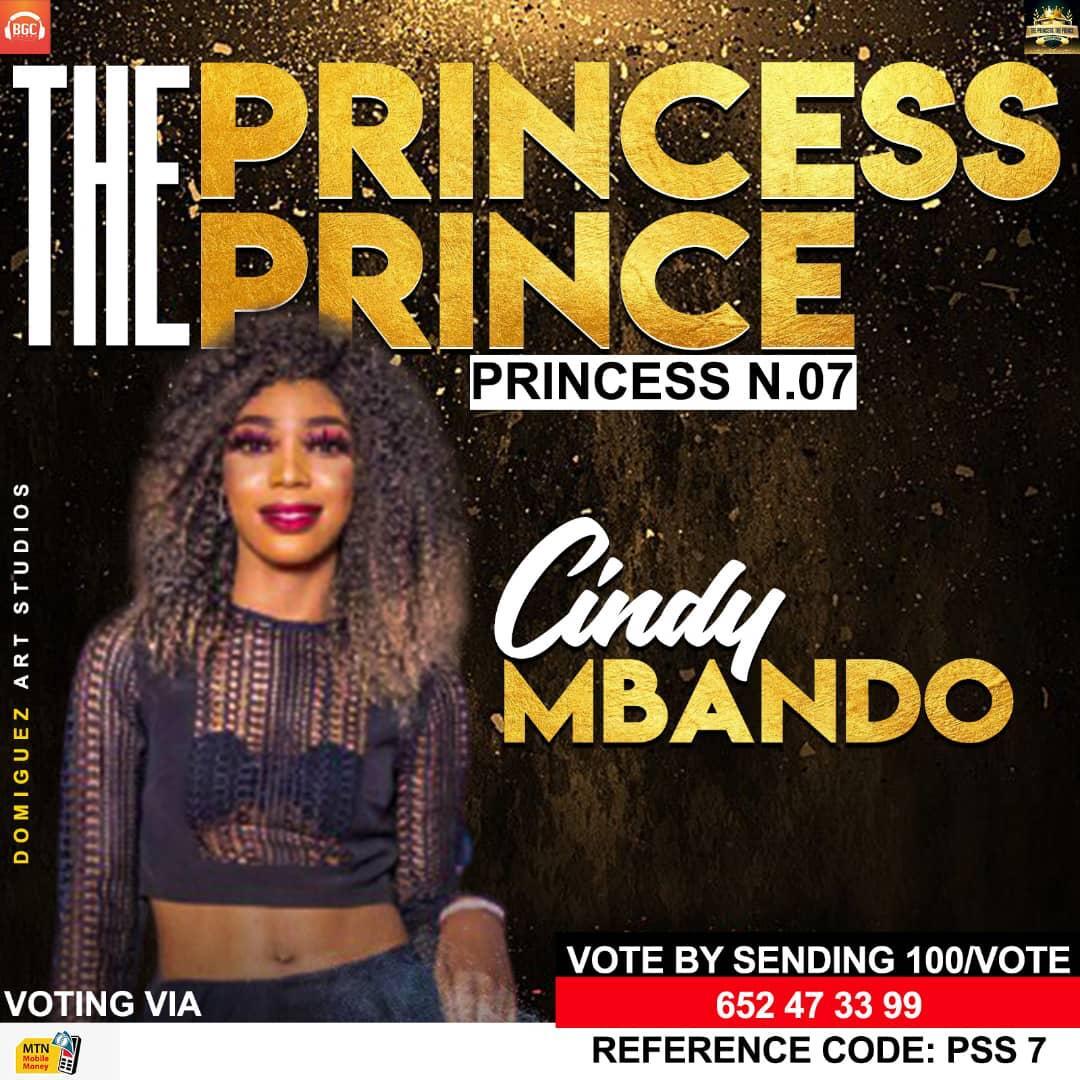
Cindy
-
Ziiana
-
Cameroonian artist Tasa
-



Comments
This post currently has no comments.