
Music Release Marketing Checklist That Builds Momentum
A strong record can still disappear if the release arrives with no story, no visual world, and no reason for listeners to return after the first play. This music release marketing checklist is built for African and diaspora artists who want every single, EP, or video to create real movement: more listeners, stronger media visibility, better booking conversations, and a clearer artist brand.
The goal is not to post the cover art once and hope an algorithm finds you. The goal is to create a release cycle that gives fans, DJs, bloggers, curators, and industry partners multiple reasons to pay attention. Your budget, audience size, and genre will shape the plan, but preparation is what makes a campaign feel professional.
Start With the Release Strategy
Before setting a date, decide what this record needs to accomplish. A first single may be designed to introduce a new sound or image. A lead single for an EP may need to build anticipation and collect pre-saves. A visual release may be the right move when dance, fashion, location, or performance is central to the song’s appeal.
Be specific about the primary outcome. Trying to maximize streams, radio spins, press coverage, ticket sales, and brand attention all at once can spread a developing artist too thin. Pick one main objective and two supporting objectives. For example, an Afrobeats artist entering a new diaspora market may prioritize audience discovery, with radio support and social growth as secondary goals.
Define the audience in practical terms. Do not stop at “Afrobeats fans” or “rap listeners.” Consider where they live, what language they use online, which platforms they open first, and what cultural moments they respond to. A release targeting Cameroonian listeners, Congolese dance communities, and U.S.-based diaspora fans may need different captions, media outreach, and posting times.
Lock the assets before the announcement
A release date is only as credible as the material behind it. Your audio master, cover art, metadata, credits, lyrics, artist biography, and distributor delivery should be ready well before launch. If the song includes a featured artist, producer, songwriter, or sample, confirm approvals and splits early. A last-minute clearance issue can delay a campaign after you have already built public anticipation.
Your visual assets should make the release recognizable at a glance. At minimum, prepare a clean cover image, artist portraits, vertical video clips, a short release description, and a one-sentence hook that explains why this song matters. If the song has a dance challenge, a striking lyric, or a powerful cultural reference, make that the center of the campaign rather than trying to communicate five ideas at once.
The Pre-Release Music Marketing Checklist
The weeks before release are where momentum is built. Give yourself at least three to four weeks for a single when possible. Larger projects and video campaigns often need more time, especially if you want press, radio, playlist pitching, or creator partnerships to have a real runway.
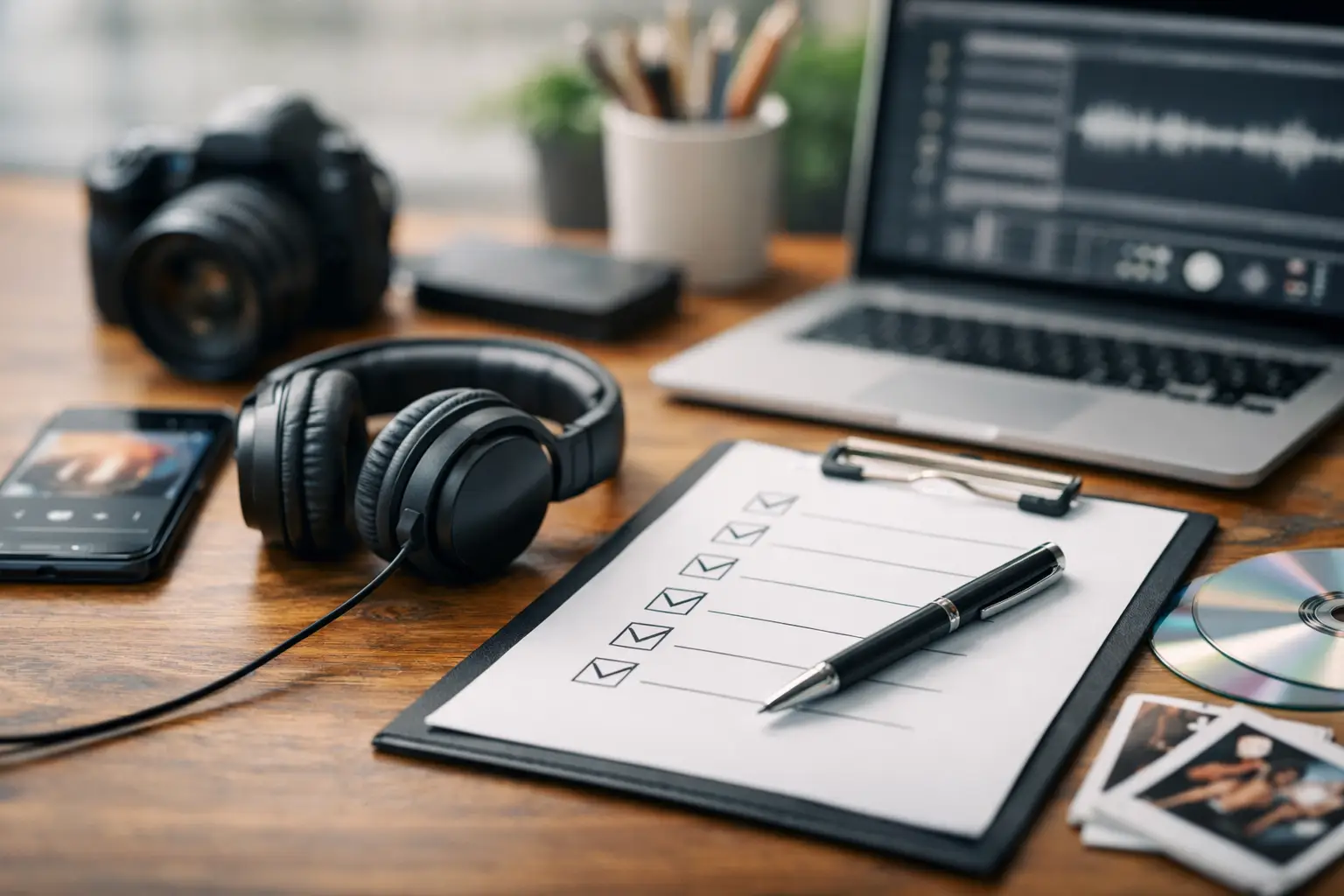
Use this working checklist to organize the pre-release phase:
- Confirm distribution delivery, release date, territories, credits, explicit-content settings, and artist profiles.
- Create a campaign folder with master audio, artwork, press photos, video clips, lyrics, bios, and contact details.
- Write a concise pitch for media, DJs, curators, and collaborators that explains the sound, story, and audience.
- Prepare pre-save or smart-release messaging and give fans a clear action they can take before launch.
- Schedule a content sequence that includes announcement posts, studio moments, lyric teasers, rehearsal footage, and countdowns.
- Build a targeted outreach list for radio presenters, music blogs, playlist curators, culture pages, promoters, and community tastemakers.
Pre-release content should reveal the world around the song without giving away everything. A 15-second clip with the right lyric can be more effective than a full chorus posted repeatedly. Show personality, process, and confidence. Fans connect with the artist behind the record, not just the release graphic.
This is also the moment to activate collaborators. A featured artist should know exactly when and what to post. Producers, dancers, video directors, DJs, and friends with credible communities can all amplify the campaign, but only if you provide them with assets and a simple message. Do not assume people will know how to support the release on their own.
Build a Launch Day That Feels Like an Event
Release day should not begin with a quiet upload and end with a thank-you post. Treat it like a live entertainment moment. Publish the main announcement early, then keep the conversation moving through the day with short-form clips, behind-the-scenes footage, fan reactions, lyrics, and direct calls to listen, save, share, and add the track to personal playlists.
If there is a music video, decide whether it launches at the same time as the audio or creates a second peak later. Releasing both together can deliver a big statement, particularly for a visual artist with a polished concept. Holding the video for one or two weeks can extend the cycle and give the song another chance to travel. It depends on whether your current audience needs an immediate visual hook or a reason to revisit the record.
Go live if it fits your personality. A brief live session to discuss the song, perform an acoustic version, answer questions, or introduce the video can turn passive listeners into participants. It does not need a large production budget. It needs energy, a reliable setup, and a clear invitation to hear the release.
Track activity without becoming obsessed with every hourly number. Look for useful signals: saves, completion rate on videos, comments that repeat a lyric, shares from influential accounts, radio feedback, and which city or audience segment responds first. These patterns tell you where to concentrate promotion after launch.
Keep Working After Release Week
Many independent releases lose energy because marketing stops after 48 hours. In reality, the first month is where a record proves whether it has a longer life. The song may connect when a DJ plays it at an event, when a dance creator uses the beat, when a fan discovers the video, or when a press feature gives listeners context.
Create fresh angles from the same release. A performance clip can spotlight vocal ability. A lyric visual can spotlight songwriting. A producer breakdown can attract music-minded listeners. A fashion or location post can strengthen the artist image. A fan video can provide social proof that the record is landing beyond your own page.
Continue professional outreach, but keep it personal. Send the record to contacts whose audience genuinely fits the sound. A gospel-influenced Afro-pop song does not need the same radio strategy as a hard-hitting rap record. A club track may benefit from DJ pools, dance pages, and event promoters, while an introspective singer-songwriter release may need editorial storytelling and intimate performance content.
Paid promotion can help, but it should support a message that is already clear. Start with a controlled budget, test a few creative clips and audience groups, then move spending toward the strongest response. Buying broad, low-intent attention may inflate views without producing followers, saves, or ticket buyers. Strong targeting is more valuable than a big number with no community behind it.
Turn Release Data Into Artist Development
Every campaign should leave you smarter than the last one. Review what happened two to four weeks after release: which content earned saves or shares, which markets responded, what press or radio outreach converted, and whether listeners moved from one song to your wider catalog.
Keep a campaign record with your best-performing posts, media contacts, ad results, fan comments, and lessons. Over time, this becomes an artist-development tool. You will know which visual language fits your brand, which cities deserve event outreach, and which collaborators actually help move your audience.
Most importantly, do not let the next release erase the previous one too quickly. If a song is gaining traction, give it room. Follow with a remix, live version, dance visual, acoustic performance, or targeted media push before changing the conversation. Consistency matters, but so does allowing a great record to breathe.
A release campaign is not just promotion for one track. It is proof of how you operate as an artist. When the music, visuals, press, audience engagement, and follow-through move together, people see a career taking shape. BGC Melody approaches that work with the same focus: position the talent, create the moment, and give the audience a reason to come back for more.
Latest Movie
The Princess, The Prince Reality TV Show
Cindy MbandoContestant Number: Princess 07To vote for her, send momo to 652473399 and write PSS 07 as REFERENCE.NOTE: 1 vote is 100FCFA, and it is through the momo number given above. You can vote as many times as you can. Remember, momo vote is 70%.Also like, comment, and share this video as many times as possible to maximize her chances.The Princess, The Prince Reality TV Show.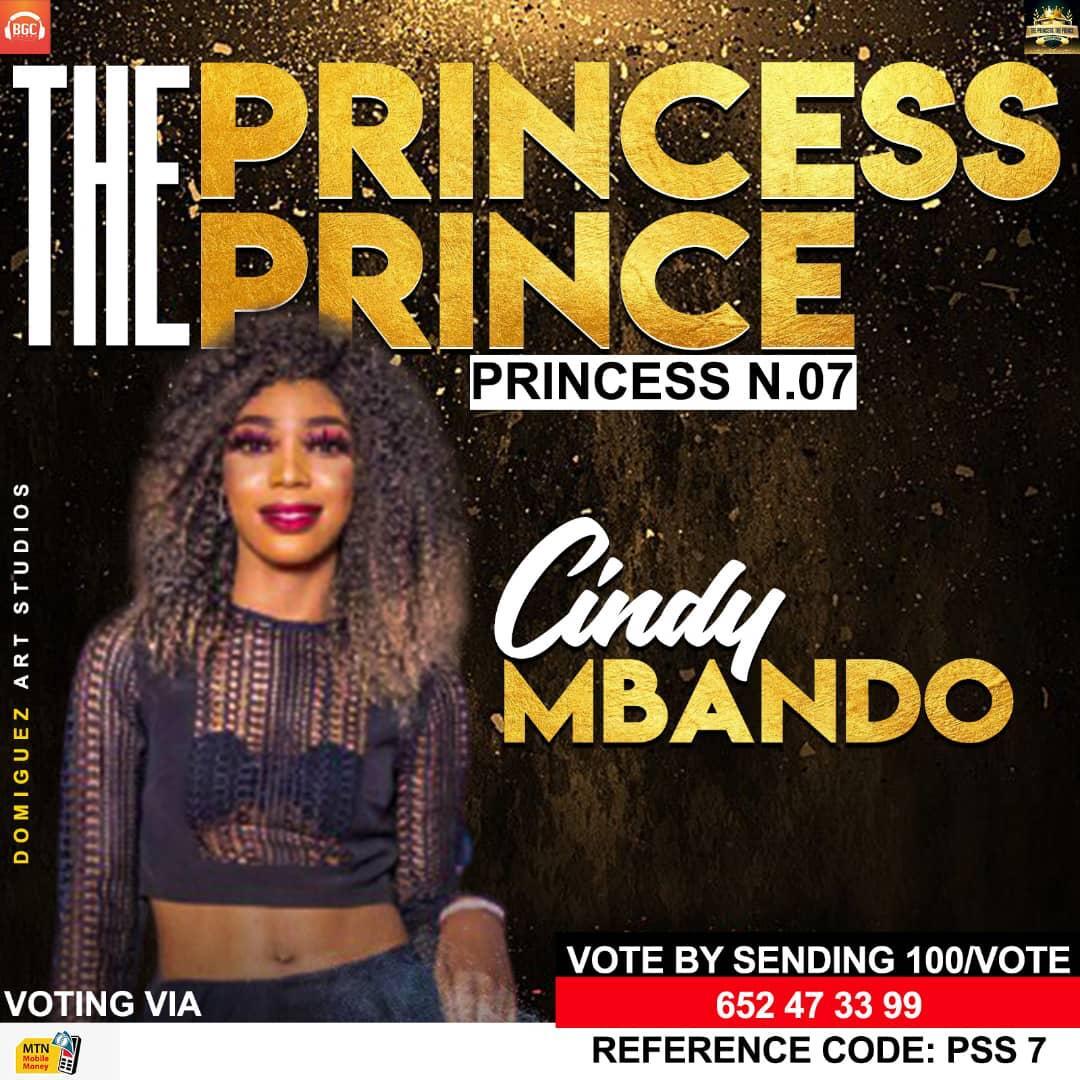
Cindy
-
Ziiana
-
Cameroonian artist Tasa
-



Comments
This post currently has no comments.