
How to Get Music Blog Coverage That Builds Fans
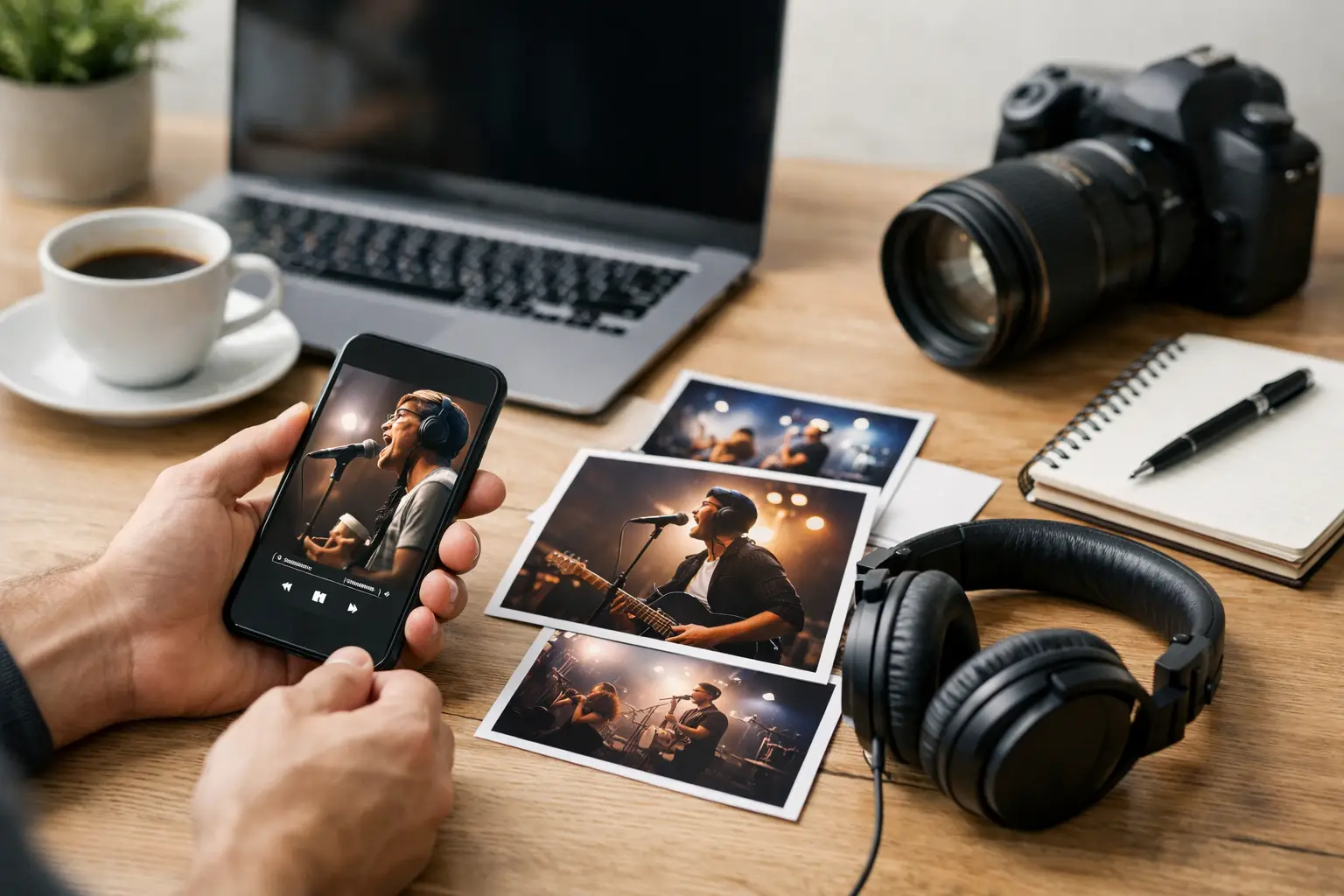
A music blog feature can do more than announce a new single. Done well, it gives a release context, introduces your story to new listeners, and creates a credible media moment you can reuse across social platforms, radio outreach, and booking conversations. Learning how to get music blog coverage is not about sending hundreds of identical emails. It is about making the right editor feel that your release belongs in front of their audience.
For African and diaspora artists, that distinction matters. A new Afrobeats record, rap visual, amapiano crossover, or Congolese dance track may have a powerful cultural point of view, but a blog still needs a clear reason to cover it now. Your job is to make that reason immediate.
How to Get Music Blog Coverage Before Release Day
Most independent artists start media outreach too late. They finish the song, upload it to distribution, post a teaser, then begin asking blogs for coverage once the record is already live. That approach can work if the song catches momentum organically, but it gives editors little time to plan a feature, premiere, interview, or playlist inclusion.
Build your outreach around a release window instead. Start preparing your press materials three to four weeks before the release date. For a larger campaign with a video, several markets, or radio promotion, allow more time. Editors are managing crowded inboxes, scheduled content, and breaking entertainment news. A well-timed pitch gives them room to say yes.
Your campaign should answer four questions before the first email goes out:
- What is being released, and on what date?
- Why does this record matter beyond being new?
- Which audience is most likely to connect with it?
- What asset makes the story visually or emotionally compelling?
That last question is often where a campaign becomes memorable. A polished music video, a striking artist photo, a behind-the-scenes story, a hometown angle, a collaboration, or an unexpected sample can give an editor a real entry point. “My new song is out” is an announcement. “A Cameroonian-American artist turns a family voice note into an Afropop chorus” is a story.
Match the Blog to the Music, Not Just Its Audience Size
The biggest music sites are attractive, but they are rarely the only media outlets that matter. A focused blog that consistently covers African pop, diaspora hip-hop, underground dance, emerging artists, or a specific city scene may reach fewer people on paper while delivering a more responsive audience.
Research the publication’s recent posts. Notice the genres it covers, the way it writes about artists, whether it publishes premieres, and whether its readers comment, repost, or engage on social media. If a site primarily covers established global stars, it may not be the right first destination for a developing artist. If it regularly spotlights new African talent, its editorial direction is already closer to your campaign.
Think in layers. A release can be pitched to niche genre platforms, diaspora culture outlets, local media in your home city, entertainment sites in the country connected to your sound, and broader music publications. Each outlet may need a slightly different angle. The same record can be a local success story, a diaspora identity story, a dance-floor record, or a visual release depending on who is receiving the pitch.
Do not treat editors as a mailing list. Sending an amapiano pitch to a rock writer, or a long album story to a site that only posts short video features, signals that you did not do the work. Targeting takes longer, but it protects your reputation and improves response rates.
Build a Press Package Editors Can Use
Blog coverage becomes easier when the editor does not have to chase you for basic information. A clean electronic press kit should give them everything needed to understand the release and publish a post quickly.
Include a concise artist bio, a short release description, high-resolution press photos, cover art, social handles, release date, producer and featured-artist credits, and a private listening option before the song goes public. If there is a music video, include a preview or private viewing option. Be precise with names, song titles, locations, and credits. Incorrect details create extra work and can cost you a feature.
Your bio should not read like a life story. Lead with who you are musically, where your sound sits, and what makes your journey relevant. An artist who moves between Kinshasa, Berlin, and the United States has a natural cross-border narrative. A rapper building a following through independent visual releases has a clear development story. Use the details that support the current release rather than trying to include every achievement.
A one-page press release can also help, especially when the campaign has a real news angle. Keep it readable. Explain the song’s sound, subject, collaborators, and release plan in language that a writer can understand without translating marketing claims into a story.
Write a Pitch That Sounds Like a Person
The strongest pitches are short, specific, and respectful of the editor’s time. The first two lines should make the point. Name the artist, name the release, and explain why it suits that publication.
A simple structure works: personalize the opening, introduce the release, share the story angle, state what you are offering, and provide the materials. If you are requesting a premiere, say so clearly and offer it early enough for the outlet to decide. If the song is already out, pitch an interview, video feature, track breakdown, or artist discovery post instead of pretending it is a premiere opportunity.
Avoid inflated language such as “the next biggest artist” or “guaranteed hit.” Editors hear those claims every day. Let the music and details carry the confidence. You can say the track blends Afrobeats percussion with melodic rap and was produced between Accra and Arlington. That is more useful than calling it “revolutionary.”
Personalization does not require a long paragraph. Mentioning a recent feature, a recurring column, or the publication’s focus is enough when it is genuine. The goal is to show that you understand their platform and have a reason for reaching out.
Give Coverage a Reason to Travel
A blog post is not the finish line. Once coverage arrives, turn it into an active campaign asset. Share it from the artist account, include a pull quote in your posts, thank the writer directly, and send the feature to promoters, DJs, radio contacts, and potential partners when relevant. Media validation works best when it is visible.
Make the post easy for fans to act on. Pair it with the song, video, performance clip, or a direct invitation to follow the artist. If the feature includes a strong quote about your sound or story, use it in future promotional graphics. One piece of coverage can strengthen the next pitch because it shows that the artist is already entering the conversation.
This is where integrated campaigns have an advantage. Press works harder when the release also has coordinated visual content, radio outreach, short-form social clips, and a consistent artist profile. BGC Melody approaches artist visibility as a connected system because a great record needs more than one moment of exposure to build commercial momentum.
Follow Up Without Becoming Noise
Editors miss emails. A polite follow-up after five to seven business days is reasonable, particularly if the release date is approaching. Keep it brief, reply to the original thread, and add one useful update such as a new video teaser, early fan response, confirmed interview availability, or an upcoming performance.
If there is no response after that, move on. Repeated follow-ups rarely create interest and can damage a relationship you may need for a future release. Not every record will fit every outlet. That is normal. A good publicist and artist manager learns from the pattern: which angles receive replies, which blogs publish quickly, and which markets react most strongly.
Coverage is built through consistency. Release strong work, deliver professional assets, meet deadlines, and be easy to work with. Over time, editors begin to recognize artists who bring clear stories and reliable communication.
The next feature may start with one thoughtful email, but the larger goal is bigger: create enough clarity around your music that the right people can hear it, understand it, and feel confident sharing it with their audience.
Latest Movie
The Princess, The Prince Reality TV Show
Cindy MbandoContestant Number: Princess 07To vote for her, send momo to 652473399 and write PSS 07 as REFERENCE.NOTE: 1 vote is 100FCFA, and it is through the momo number given above. You can vote as many times as you can. Remember, momo vote is 70%.Also like, comment, and share this video as many times as possible to maximize her chances.The Princess, The Prince Reality TV Show.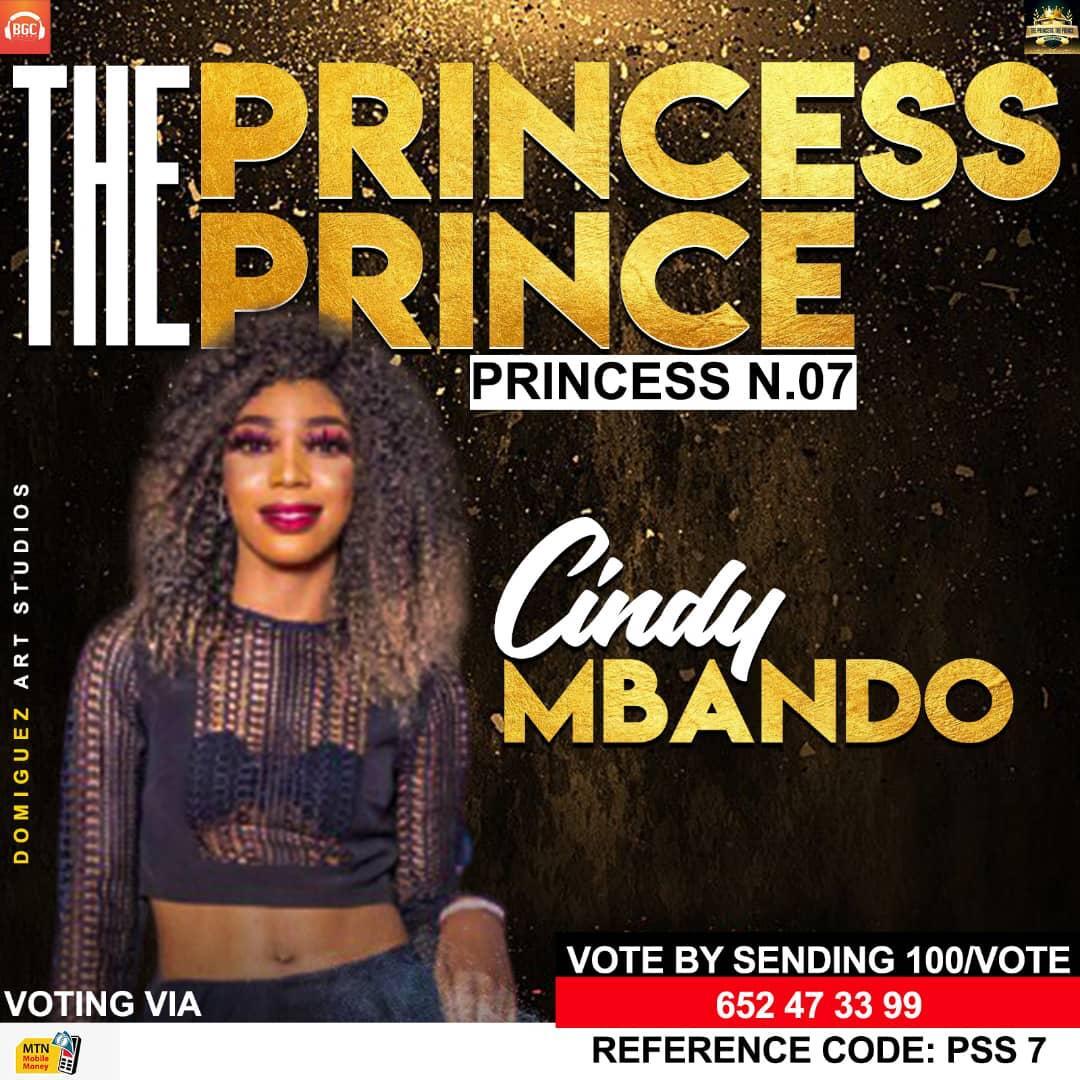
Cindy
-
Ziiana
-
Cameroonian artist Tasa
-

Comments
This post currently has no comments.