
What an African Artist Booking Agency Delivers

A great live show can introduce an artist to a new city in one night. A badly handled booking can cost that same artist money, momentum, and trust. An African artist booking agency exists to make sure the opportunity is real, the terms are clear, and the performance creates value beyond the final song.
For Afrobeats performers, rappers, vocalists, DJs, dancers, and crossover artists across Africa and the diaspora, booking is not simply about getting on a flyer. It is about placing the right act in front of the right audience, at the right stage of a release cycle, with professional commercial terms behind the performance.
What an African Artist Booking Agency Actually Does
A booking agency represents talent in conversations with promoters, festivals, venues, colleges, private-event clients, brands, and cultural organizations. Its job is to identify suitable opportunities, present the artist professionally, negotiate the deal, coordinate essential details, and protect the artist’s interests from inquiry through settlement.
That sounds straightforward until a show involves multiple cities, international travel, a promoter working across time zones, a production rider, a featured guest, or a release campaign that needs support. At that point, booking becomes part sales operation, part logistics desk, and part reputation management.
The agency should understand more than an artist’s fee. It should know what makes the artist bookable: the live set, audience demographic, streaming activity, social engagement, visual identity, press story, language reach, and ability to convert a first-time crowd into lasting fans. A popular track matters, but a promoter is also buying reliability, audience pull, and a show that delivers on the promise of the campaign.
Booking is different from artist management
Artist management helps shape the larger career. Managers may guide releases, long-term strategy, brand partnerships, team building, and creative decisions. A booking representative concentrates on live opportunities and performance agreements. One person or company can provide both services, but the roles should be defined clearly.
For an emerging artist, integrated support can be useful. A new single may need digital promotion, radio outreach, press coverage, video distribution, and targeted live appearances working together. For a more established artist with a manager already in place, a dedicated booking relationship may be the better fit. It depends on the artist’s team, market position, and goals.
How the Right Agency Builds Better Shows
The strongest bookings begin before a promoter sends an offer. An agency needs a current artist package: high-quality live footage, approved photos, a concise biography, music links, performance history, social metrics, contact details, technical needs, and a clear description of the available set. Without these materials, even an excellent performer can look unprepared beside artists with organized presentations.
A good representative then matches the artist to realistic opportunities. A 2,000-capacity festival stage may be right for an act with a proven regional following. A curated diaspora concert, campus event, listening experience, club residency, or brand activation may be smarter for an artist establishing a new market. Bigger is not always better. An underfilled room can weaken negotiating power, while a well-promoted smaller event can build demand for the next appearance.
Routing is another major advantage. Flying an artist across the country for one modest date can make little financial sense after flights, hotel costs, ground transport, crew expenses, and time away from recording or promotion. When several shows are planned within a region, the economics and the exposure improve. Smart routing can turn a single appearance into a focused run of diaspora events, media interviews, content capture, and fan engagement.
Contracts protect the performance and the payment
No artist should rely on vague promises in direct messages. A professional booking agreement should establish the performance date, venue, set length, fee, deposit structure, payment timing, billing position, cancellation terms, hospitality, travel responsibilities, technical requirements, and promotional obligations.
It should also clarify who is responsible when plans change. If a flight is canceled, a venue changes, or a promoter postpones an event, the parties need a written process rather than a public argument after the fact. International bookings may also require additional planning around work authorization, passports, insurance, and local tax requirements.
The fee itself is only one part of the negotiation. A lower guarantee with strong travel coverage, a marketing commitment, professional production, and a strategically valuable audience can be more useful than a higher fee attached to poor promotion and expensive artist-paid logistics. An agency should explain those trade-offs directly, not push an artist to accept every offer that appears on paper.
What Artists Should Ask Before Signing
Artists deserve transparency from the people representing their live career. Ask which territories the agency covers, whether the relationship is exclusive, how long the agreement runs, and which categories of events are included. A representative who books club shows may not automatically control festival, corporate, university, or international opportunities.
Commission terms must also be straightforward. The agreement should state the percentage, what income it applies to, when it is earned, and whether it applies to bookings the artist secures independently. There should be no confusion over travel reimbursements, taxes, deposits, or payments collected on the artist’s behalf.
It is also reasonable to ask how the agency pitches artists. Does it have relationships with credible promoters? Does it provide regular updates? Does it understand the difference between a paid headline show and an exposure-only performance? Does it have a process for verifying events before an artist commits? A booking agency cannot guarantee every show, but it should operate with clear standards and accountable communication.
Why Promotion Must Travel With the Artist
A show announcement is not a full campaign. The best live dates are supported with coordinated assets: performance posters, artist clips, interview opportunities, radio mentions, social content, press outreach, and clear calls to buy tickets or attend. For African and diaspora talent, this coordination is particularly valuable because audiences are often spread across cities, countries, and cultural communities.
A booking team that works alongside marketing and media professionals can carry the energy of a live date further. A performance can create short-form video, new press angles, audience data, backstage content, collaborations, and a stronger case for the next promoter. The artist is not just appearing at an event. The artist is building proof of demand.
That is why BGC Melody approaches creative representation as part of a wider music and entertainment ecosystem. When live bookings align with release promotion, visual content, publicity, and artist development, each investment has more room to work.
The Red Flags That Cost Artists Money
Not every inquiry is a serious booking opportunity. Artists and promoters should be cautious when basic details are missing, payment is repeatedly delayed, venue information is vague, or a client pressures talent to perform without a written agreement. A promise of “major exposure” is not a substitute for a defined audience, credible production plan, or fair compensation.
Be especially careful with promoters who want extensive artist promotion but cannot explain their own marketing budget or ticketing plan. Promotion is a shared responsibility, yet the organizer must have a real plan to reach buyers. An agency should assess past events, venue capacity, promoter reputation, proposed budget, and the fit between the artist and expected audience before recommending acceptance.
Another warning sign is a request for an artist to pay upfront fees just to be considered for ordinary performance opportunities. Legitimate expenses can arise in touring and production, but an artist should understand exactly what they are paying for, who receives the money, and what deliverable is attached to it.
Turning One Booking Into a Career Asset
After the show, the work should not disappear. Review the attendance, audience response, sales, content captured, promoter feedback, and costs. Identify what worked: Was the strongest response tied to a particular song? Did a certain city produce more fan sign-ups? Did local media coverage increase streams or social followers? These answers help refine the next pitch.
Artists who treat live performance as a measurable business activity make stronger decisions over time. They can adjust fees with evidence, select better markets, improve their stage presentation, and build a dependable network of promoters and collaborators. The goal is not to be booked once. The goal is to become an artist audiences ask for again.
The right agency relationship should feel ambitious but grounded: bigger rooms when the demand supports them, better terms when the value is proven, and every performance handled with enough care to make the next opportunity easier to win.
Latest Movie

The Princess, The Prince Reality TV Show
Cindy MbandoContestant Number: Princess 07To vote for her, send momo to 652473399 and write PSS 07 as REFERENCE.NOTE: 1 vote is 100FCFA, and it is through the momo number given above. You can vote as many times as you can. Remember, momo vote is 70%.Also like, comment, and share this video as many times as possible to maximize her chances.The Princess, The Prince Reality TV Show.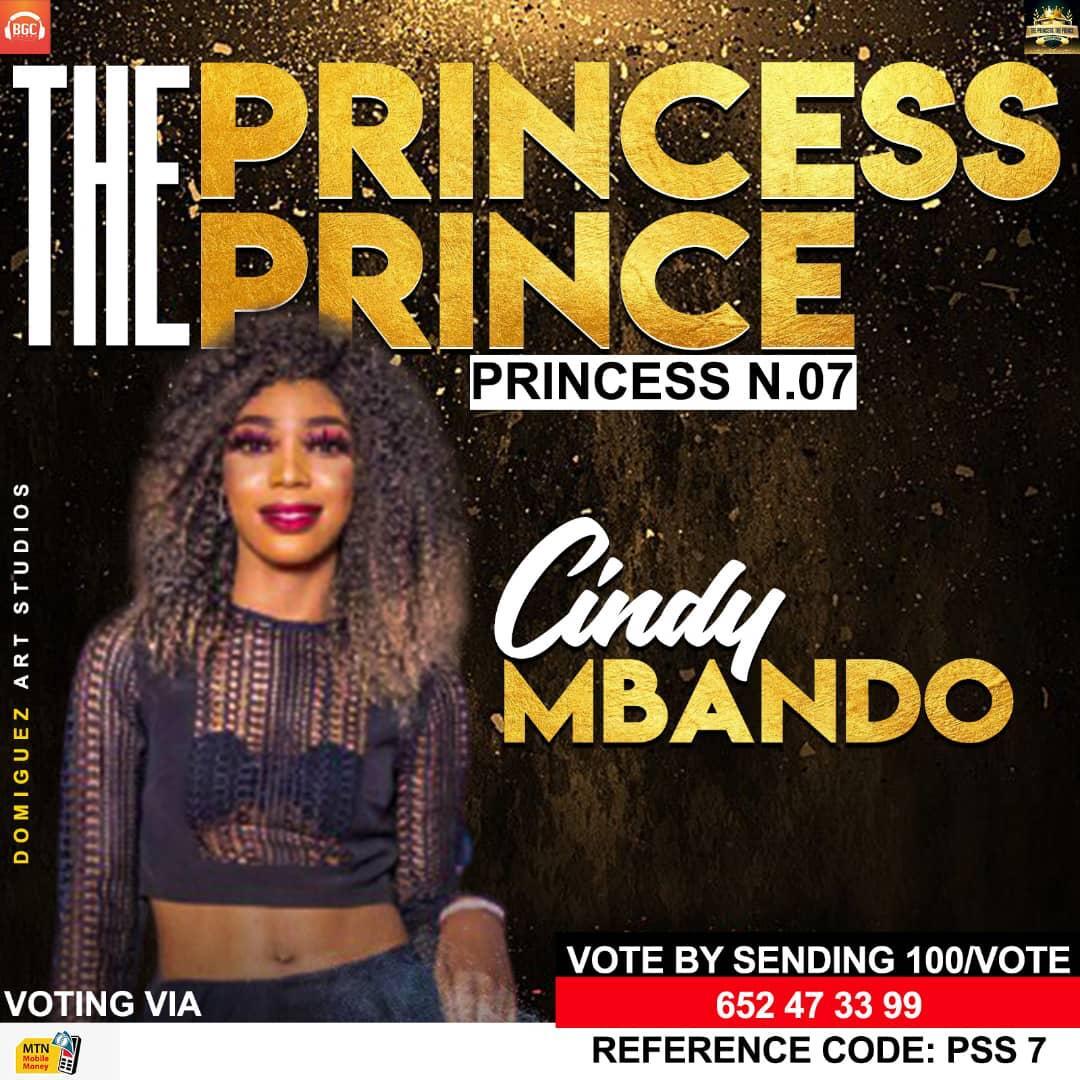
Cindy
-
Ziiana
-
Cameroonian artist Tasa
-





Comments
This post currently has no comments.