
Live Music Event Management That Builds Fans
A sold-out room is exciting. A room where people follow the artist, share the clips, buy the next ticket, and remember the name is a business asset. That is the real standard for live music event management. For African and diaspora artists, every show can move culture, prove demand to partners, and create the content needed for the next release campaign.
A live event is not just a booking on a calendar. It is the meeting point of artist development, audience building, production, promotion, and commercial positioning. When one of those pieces is treated as an afterthought, the audience feels it.
Live Music Event Management Starts With a Clear Job
Before choosing a venue or announcing a date, decide what the event must accomplish. A release concert has a different purpose from a club appearance, a diaspora cultural festival, a private brand event, or an artist showcase. Trying to make one night do everything usually creates a confused lineup, a weak message, and a budget that disappears too quickly.
For an emerging Afrobeats performer, the goal may be converting online listeners into first-time ticket buyers. For an established Congolese rumba, rap, or African pop artist, it may be testing demand in a new U.S. city. For a manager, the show may be a chance to present an artist to media, DJs, promoters, and potential commercial partners in one room.
That objective should shape the event from the beginning. It affects the venue size, ticket price, support acts, media plan, visual direction, and even the set list. A 150-capacity room with real energy can be more valuable than a half-full 600-capacity venue. Capacity is not prestige if it makes the performance look under-attended on camera.
Build the Show Around the Audience You Want
Know who is most likely to show up first. Is the audience students, young professionals, African community groups, dance crews, nightlife regulars, family audiences, or fans who discovered the artist through music videos? The answer changes the experience.
A late-night club audience may want a concise, high-energy set with a DJ transition and recognizable hooks early. A cultural program can support live musicians, longer storytelling moments, and a stronger connection to heritage. A release event needs a clear reason for fans to care now: a new single, visual premiere, special guest, limited merchandise item, or first live performance of a record.
Do not program support acts only because they are available. Choose artists whose audiences overlap without completely competing. The strongest opening acts bring people in early and make the headline performance feel like the peak of the night.
Build a Production Plan Before You Promote
Promotion can fill a room, but production determines whether people enjoy being there. A great artist can still lose a crowd to poor sound, long changeovers, unclear entry procedures, or a stage that cannot support the performance.
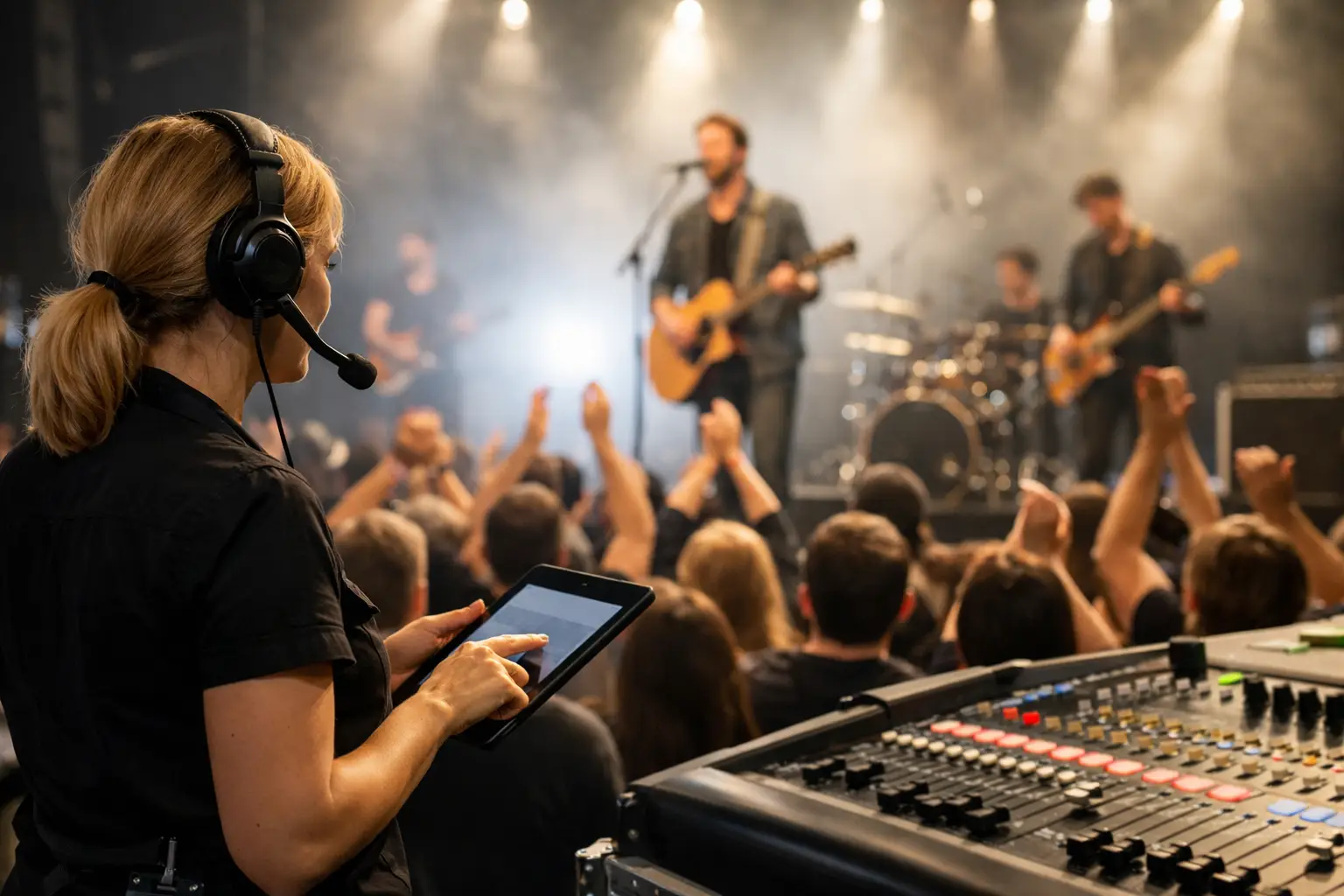
Start with a technical conversation between the artist team, venue, sound engineer, DJ, bandleader, lighting operator, and content crew. Confirm the basics: microphones, monitor mixes, playback format, DJ equipment, stage plot, power needs, lighting cues, and soundcheck timing. If the artist uses dancers, live percussion, props, or video content, those details need to be discussed before show day.
A simple run of show is one of the most useful documents in live music event management. It tracks doors, support sets, artist arrival, soundchecks, media access, headline set time, guest appearances, and venue closing requirements. It does not need to be complicated. It needs to be shared, current, and followed.
The same applies to the budget. Separate the costs that create the experience from the costs that simply decorate it. Sound, security, artist transport, staffing, venue requirements, insurance where applicable, and reliable content capture should be protected first. Premium extras can come later if the ticket model supports them.
Market the Event Like a Campaign, Not a Flyer
Posting a flyer once is not event marketing. Fans need repetition, context, and a reason to act before they postpone the decision. The campaign should begin with a clear announcement: who is performing, where, when, why the night matters, and how to get tickets.
After that, build momentum through the artist’s story. Share rehearsal footage, a short performance clip, the record that inspired the event, a message to the local community, or a behind-the-scenes look at the band and dancers. The strongest content makes the show feel active before the doors open.
The message should also match the audience. A fan in the local diaspora community may respond to cultural pride, shared language, and a familiar sound. A newer listener may need a quick introduction to the artist’s catalog and stage presence. Promoters and media contacts need professional event details, approved photos, and a direct reason the performance is newsworthy.
Use ticket urgency honestly. Early-bird pricing, group offers, VIP access, and limited meet-and-greet opportunities can work when they are real and operationally manageable. Do not create a VIP package without defining what the guest receives, where they check in, and how the artist’s time will be protected.
BGC Melody approaches events as part of a wider artist visibility plan, connecting the performance with release promotion, press opportunities, video assets, and the artist’s next commercial step.
Give Partners Something Worth Sharing
Community organizations, DJs, dance teams, campus groups, African restaurants, fashion brands, and local media can extend an event’s reach. But a partner is more likely to participate when the offer is specific.
Instead of asking everyone to “support the event,” offer a meaningful role. A DJ can host a playlist countdown. A dance crew can create a challenge around the headline single. A community group can receive a group-ticket code. A local media outlet can secure a short artist interview before the show. Each collaboration should have a clear deliverable, contact person, and timeline.
This is where event management becomes relationship management. A promoter who communicates well before, during, and after the event is more likely to gain trusted partners for the next city.
Protect the Artist Experience on Show Day
The artist is not the person who should be solving door delays, missing towels, or a late opener five minutes before stage time. Assign an event lead who can make decisions and keep the artist team informed without flooding them with every problem.
A calm backstage operation protects the performance. Confirm artist arrival, dressing room access, hospitality, security, stage access, guest list procedures, and media windows. If there are special guests, ensure they know exactly when and where to report. Surprise appearances are exciting for fans, but they should never be surprises for the sound engineer or stage manager.
Four show-day details deserve extra attention:
- Start close to the advertised time, especially for audiences relying on transit or managing childcare.
- Keep entry moving with clear ticket scanning, signage, and a separate process for guests and media.
- Have security that understands the crowd and protects people without creating unnecessary tension.
- Capture the night intentionally, with designated photo and video priorities rather than random footage alone.
Safety and hospitality are part of the brand. Fans remember whether they could hear, whether they felt welcome, whether the room was organized, and whether the artist respected their time.
Turn the Night Into Momentum
The event does not end when the final song stops. The next 72 hours are where much of its value is either captured or lost. Post a strong recap clip while the excitement is still fresh. Tag performers, partners, and the venue. Share fan moments, professional images, a thank-you message, and a direct next action such as streaming the new release, watching a music video, or following the artist’s official pages.
Collect what happened beyond ticket sales. Review attendance, no-shows, audience response to songs, merchandise performance, content quality, media mentions, and partner feedback. If fans reacted most strongly to an unreleased record, that is useful A&R information. If ticket sales came mainly from one neighborhood, university, or community partner, that informs the next campaign.
There are trade-offs. A highly produced event may create better visuals but reduce profit. A low-cost venue may help test a market but limit the sound and brand perception. A co-headline bill may broaden ticket reach but make it harder to establish one artist as the main draw. Good management is not about avoiding every compromise. It is about making the compromise that serves the artist’s larger direction.
The next great show begins with the notes from the last one. Treat every performance as proof of what your audience will travel for, sing back, film, and share. When the planning respects both the music and the people in the room, one live night can become the start of a much bigger run.
Latest Movie
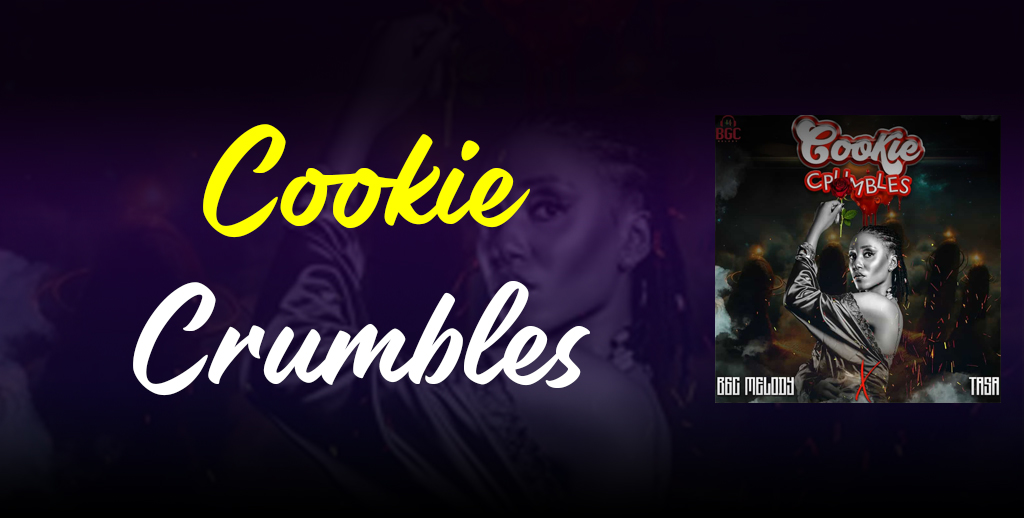
The Princess, The Prince Reality TV Show
Cindy MbandoContestant Number: Princess 07To vote for her, send momo to 652473399 and write PSS 07 as REFERENCE.NOTE: 1 vote is 100FCFA, and it is through the momo number given above. You can vote as many times as you can. Remember, momo vote is 70%.Also like, comment, and share this video as many times as possible to maximize her chances.The Princess, The Prince Reality TV Show.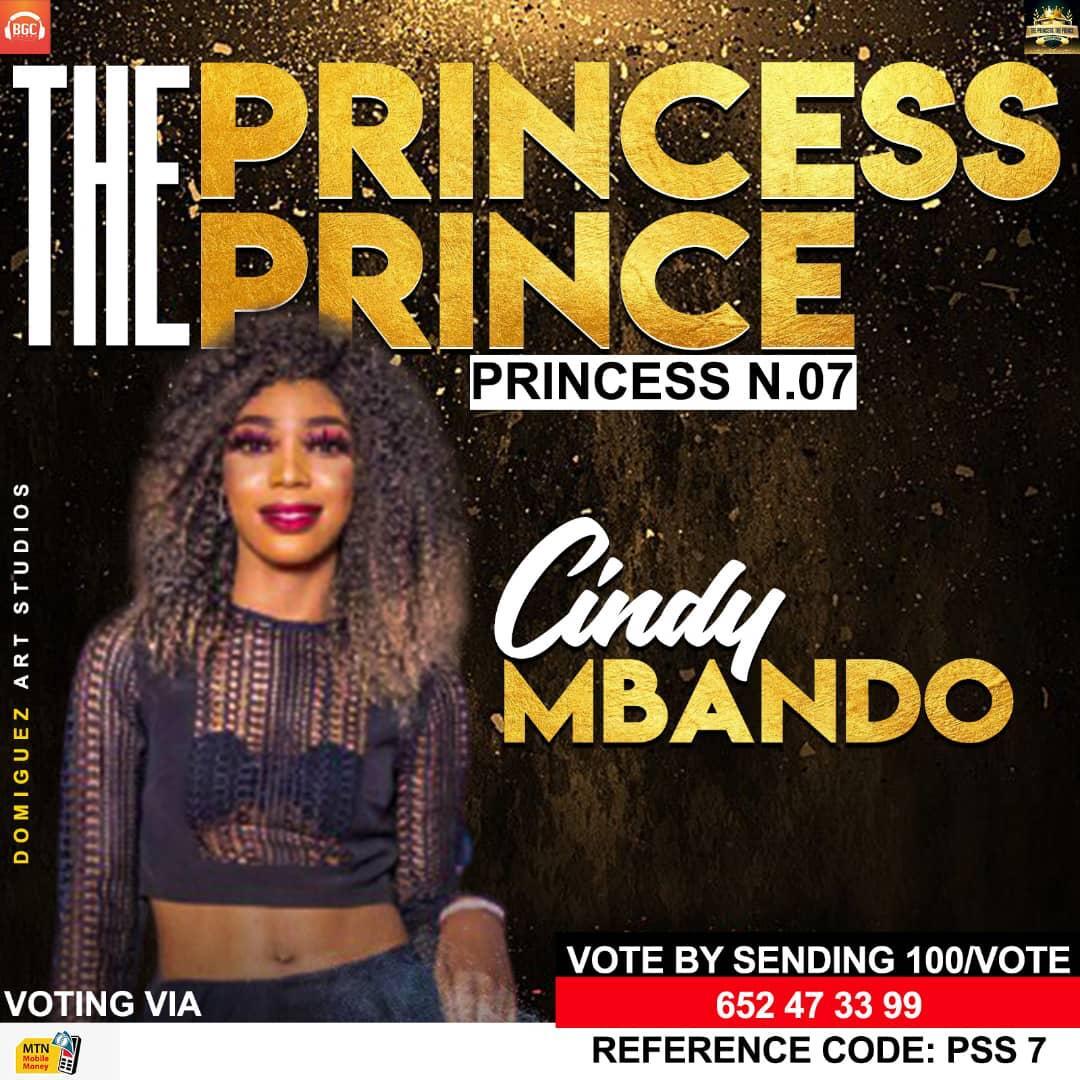
Cindy
-
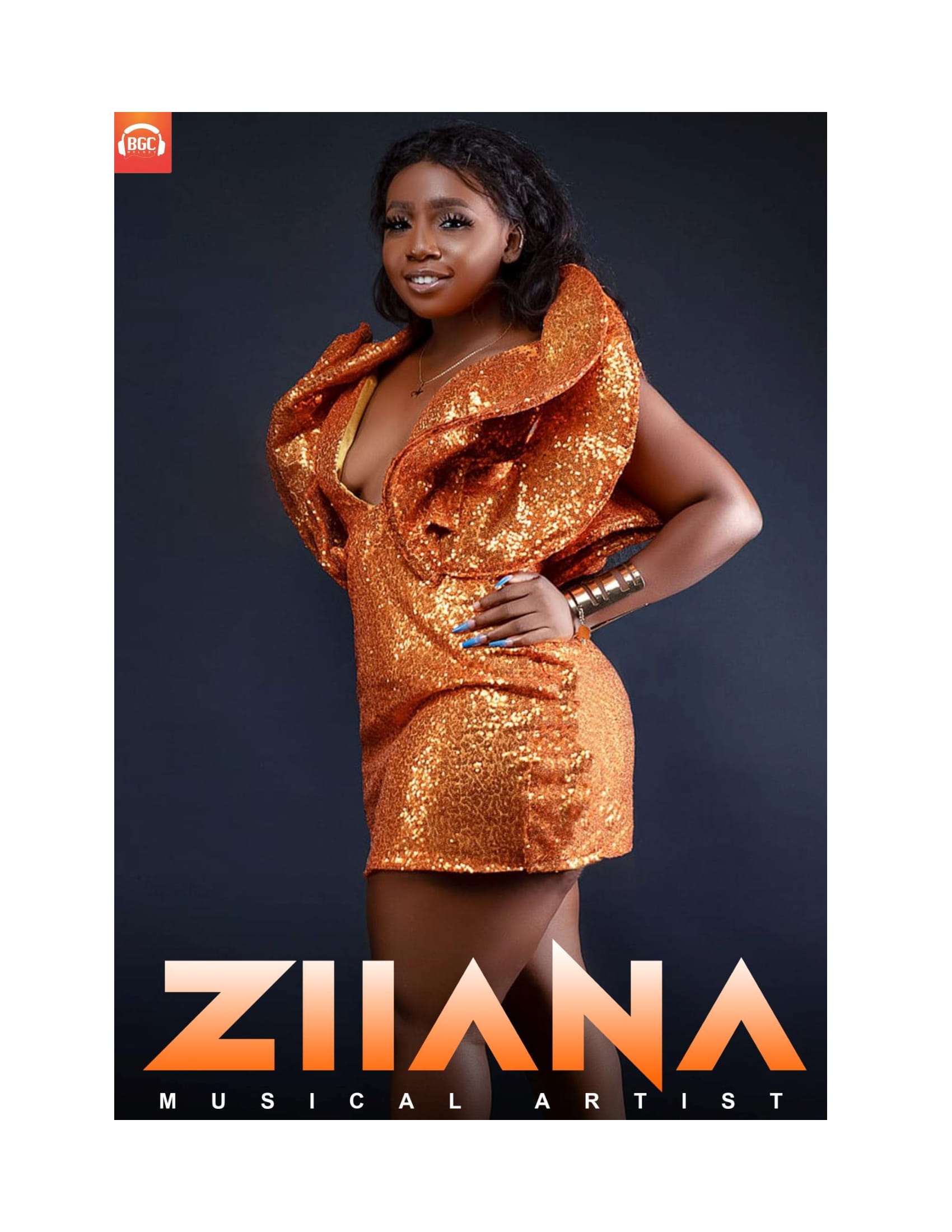
Ziiana
-
Cameroonian artist Tasa
-




Comments
This post currently has no comments.