
Artist Branding Strategy Guide for Music Careers
A new single can bring listeners to your page. A clear identity gives them a reason to stay, follow, stream again, and show up when the next release lands. For African and diaspora artists building across local scenes and international audiences, an artist branding strategy guide is not about inventing a fake personality. It is about making the strongest, most truthful version of your creative world easy to recognize.
Your sound may move between Afrobeats, rap, amapiano, R&B, dancehall, gospel, or experimental pop. That range can be an advantage. But if every release looks, sounds, and speaks like it came from a different artist, fans, promoters, radio programmers, and potential partners have to work too hard to understand the opportunity. Branding creates the connection between your music, your visuals, your story, and the market you want to reach.
Start With the Artist Story, Not the Logo
A logo, color palette, and polished photos are useful tools. They are not the foundation. The foundation is the point of view behind the artist.
Ask the questions that make people lean in: What experience do you turn into music? What city, language, rhythm, faith, fashion, or community shapes your work? What should someone feel after hearing your record? Why are you the person to make this particular sound right now?
The answer should be specific enough to guide decisions but broad enough to grow with you. “I make good Afrobeats” is a genre label, not a brand. “I make late-night Afrobeats for diaspora listeners who miss home but are building new lives” gives a creative team something to work with. It can influence songwriting, cover art, styling, video locations, press angles, and the captions used to introduce a song.
Do not confuse a difficult personal story with a brand story. You do not owe the public every detail of your life. Choose the parts of your experience that support the music and that you can discuss consistently without feeling exposed or trapped. The best artist identity has boundaries.
Build a Brand Platform You Can Repeat
Repetition is not boring in music marketing. Repetition is how recognition is built. Your brand platform should make it easier to repeat the right signals across release campaigns without making every post look identical.
Define your core promise
A core promise is the feeling or value fans can expect from you. It may be high-energy dance records with Congolese guitar influence, direct rap for young African entrepreneurs, or cinematic love songs rooted in Cameroonian melodies. Keep it short. If your team cannot explain it in one or two sentences, it will be hard for media, DJs, and new listeners to repeat it accurately.
Then identify the proof. Your proof is not a claim such as “the next big star.” It is the work: vocal style, production choices, live energy, language, performance discipline, songwriting perspective, visual taste, and the audience response you are earning.
Choose a visual system with room to move
Your visual identity should be recognizable in a phone-sized post, a streaming thumbnail, a press image, and a music-video frame. Select a small number of recurring choices: colors, typography, photography mood, wardrobe direction, and graphic treatment.
This does not mean wearing the same outfit or using one color forever. An artist with a sensual, minimalist look can still release a bright dance record. The key is to keep one or two familiar threads. Maybe it is the photography texture, a signature accessory, a strong color contrast, or the way titles appear on artwork.
Avoid copying the current look of a more established artist. Trends can help your work feel current, but imitation weakens recall. If a fan could cover your name and mistake your cover for someone else’s, the visual strategy needs more ownership.
Set the voice behind the posts
Some artists are funny and conversational. Others are private, mysterious, political, devotional, or intensely performance-led. None of these approaches is automatically better. What matters is alignment.
Your captions, interview answers, backstage clips, and direct messages should feel like they come from the same person who made the songs. A reflective songwriter can be warm without forcing loud online comedy. A charismatic rapper can speak with confidence without turning every post into a boast. Fans notice when the public voice feels borrowed.
Make Every Release Prove the Brand
A single is not just audio. It is a campaign moment that tells the audience what chapter you are entering. Before setting a date, decide what the record needs to accomplish. Are you introducing a new sound, deepening your connection with core fans, reaching a new territory, or creating a performance record for clubs and festivals?
That goal affects the campaign. A deeply personal song may need an intimate performance video and a strong editorial story. A dance record may benefit from choreography, DJ support, short-form performance clips, and a visual hook listeners can copy. The song comes first, but the rollout should give the right people a clear reason to care.
Keep the release assets connected. The cover, teaser clips, press photos, video stills, biography, and artist quote should all point to one central idea. When they do, a listener who finds a 15-second clip can move to the full record and immediately recognize the same world.
A practical release package should include at least these four elements:
- A clear one-sentence pitch that explains the track and artist angle.
- Strong cover art and current press images sized for digital platforms.
- Short video assets that show personality, performance, or the song’s emotional center.
- A focused list of media, DJs, radio contacts, creators, and communities that actually fit the record.
Mass outreach has limits. Sending a club-focused record to every gospel outlet or pitching a local story without any local connection wastes time. Targeting may feel slower, but it produces better conversations and gives your team useful feedback for the next campaign.
Turn Cultural Specificity Into International Positioning
Artists are often told to make their work “global.” Too often, that advice leads to flattened language, generic visuals, and songs stripped of the details that made them powerful. International positioning does not require cultural dilution.
A listener in Atlanta, London, Toronto, Berlin, or Los Angeles may not share your full background, but they can connect to conviction, rhythm, style, and a clearly told story. The local reference in your lyrics or the traditional element in your production can become the very thing that separates you from thousands of interchangeable releases.
The trade-off is accessibility. If your message relies on references only one community understands, give new listeners a doorway through visuals, subtitles, a short explanation, or a bilingual hook. You are not translating your identity away. You are giving more people a way in.
For diaspora artists, this can be especially powerful. Your position may sit between places: family heritage and the city where you grew up, home languages and American slang, traditional rhythm and new-school production. That tension is not a branding problem. It is often the story.
Protect Consistency as Your Team Grows
As opportunities grow, more people will touch the brand: producers, photographers, video directors, publicists, stylists, managers, booking contacts, and sponsors. Without direction, each collaborator may bring a different version of you to the public.
Create a simple brand brief before major campaigns. It should state your artist story, audience, visual references, approved biography, key themes, words to avoid, and current release objective. This is not corporate paperwork for its own sake. It saves money on reshoots, prevents weak messaging, and helps collaborators make stronger choices faster.
At BGC Melody, integrated artist development means treating music, video, promotion, and representation as connected parts of one commercial picture. An impressive video with no release plan can disappear quickly. Radio activity without a strong public image has less impact. A consistent artist brand gives every investment a better chance to compound.
Consistency also requires knowing what to say no to. Not every feature, brand offer, event, or visual trend will fit your direction. Early-career artists often accept everything because visibility feels scarce. Some opportunities are worth taking for income or experience, and that is real. But make the decision consciously. If a move confuses the audience you are trying to build, the short-term attention may cost more than it delivers.
Measure Recognition, Not Just Reach
Views and streams matter, but they are not the whole score. A post can reach thousands of people and still fail to build a durable audience. Look for signs that people understand and remember you: recurring comments about a recognizable quality, saves and shares, direct messages that quote lyrics, stronger show attendance, playlist additions, repeat listeners, media descriptions that match your intended story, and invitations that fit your lane.
Review each release after the campaign. Which visual got the strongest response? Did listeners respond to the hook, the performance, the cultural reference, or the story behind the song? Which territory showed momentum? What did people misunderstand? This is where branding becomes strategy rather than decoration.
Do not change your identity every time one post performs poorly. Give a direction enough time to register. At the same time, do not protect a concept that the music has outgrown. Brand development is disciplined adjustment: hold on to the core, improve the expression, and let the strongest work lead.
Your name should eventually carry a feeling before the listener presses play. Build that feeling record by record, image by image, and room by room. When your next opportunity arrives, make sure the audience can recognize that it belongs to you.
Latest Movie
The Princess, The Prince Reality TV Show
Cindy MbandoContestant Number: Princess 07To vote for her, send momo to 652473399 and write PSS 07 as REFERENCE.NOTE: 1 vote is 100FCFA, and it is through the momo number given above. You can vote as many times as you can. Remember, momo vote is 70%.Also like, comment, and share this video as many times as possible to maximize her chances.The Princess, The Prince Reality TV Show.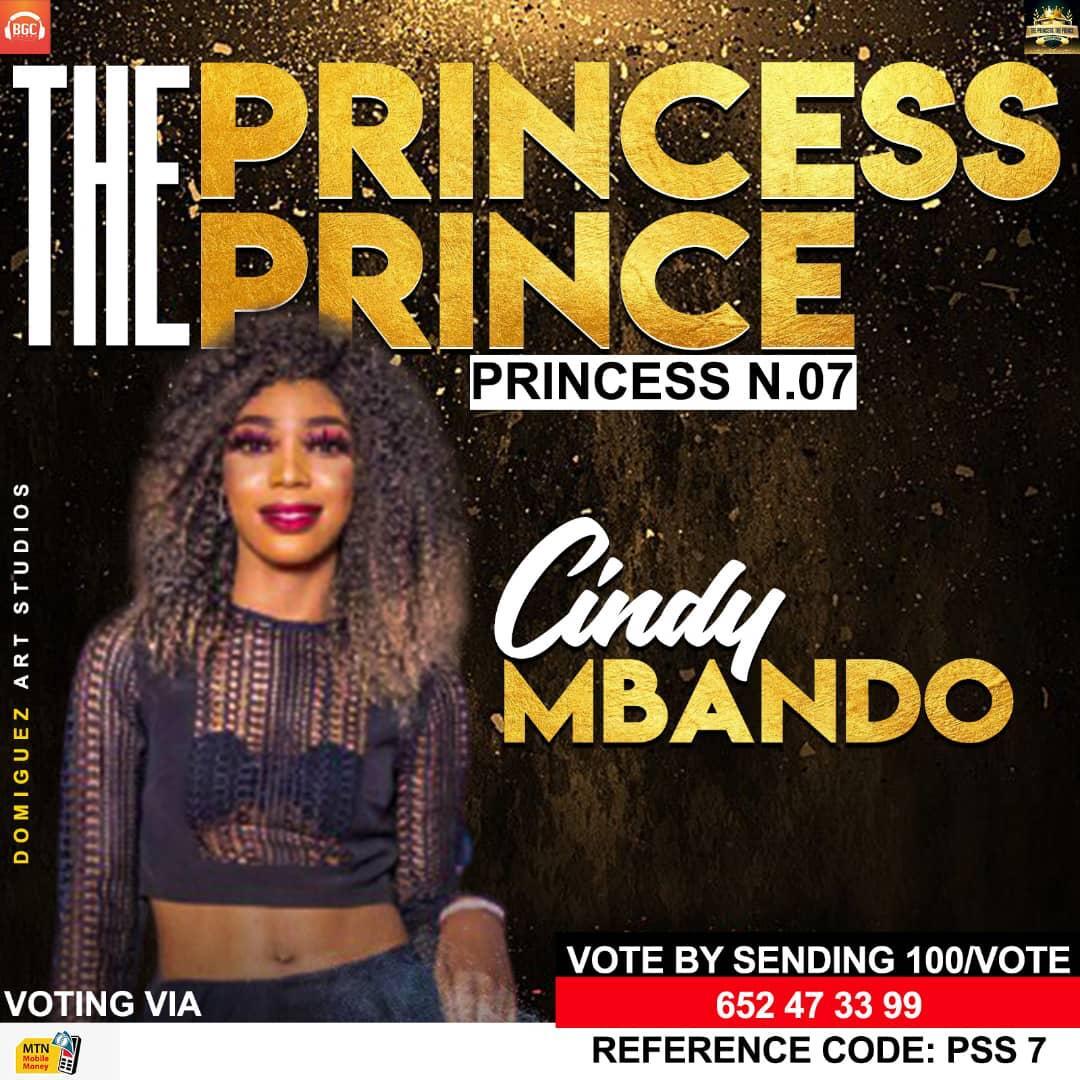
Cindy
-
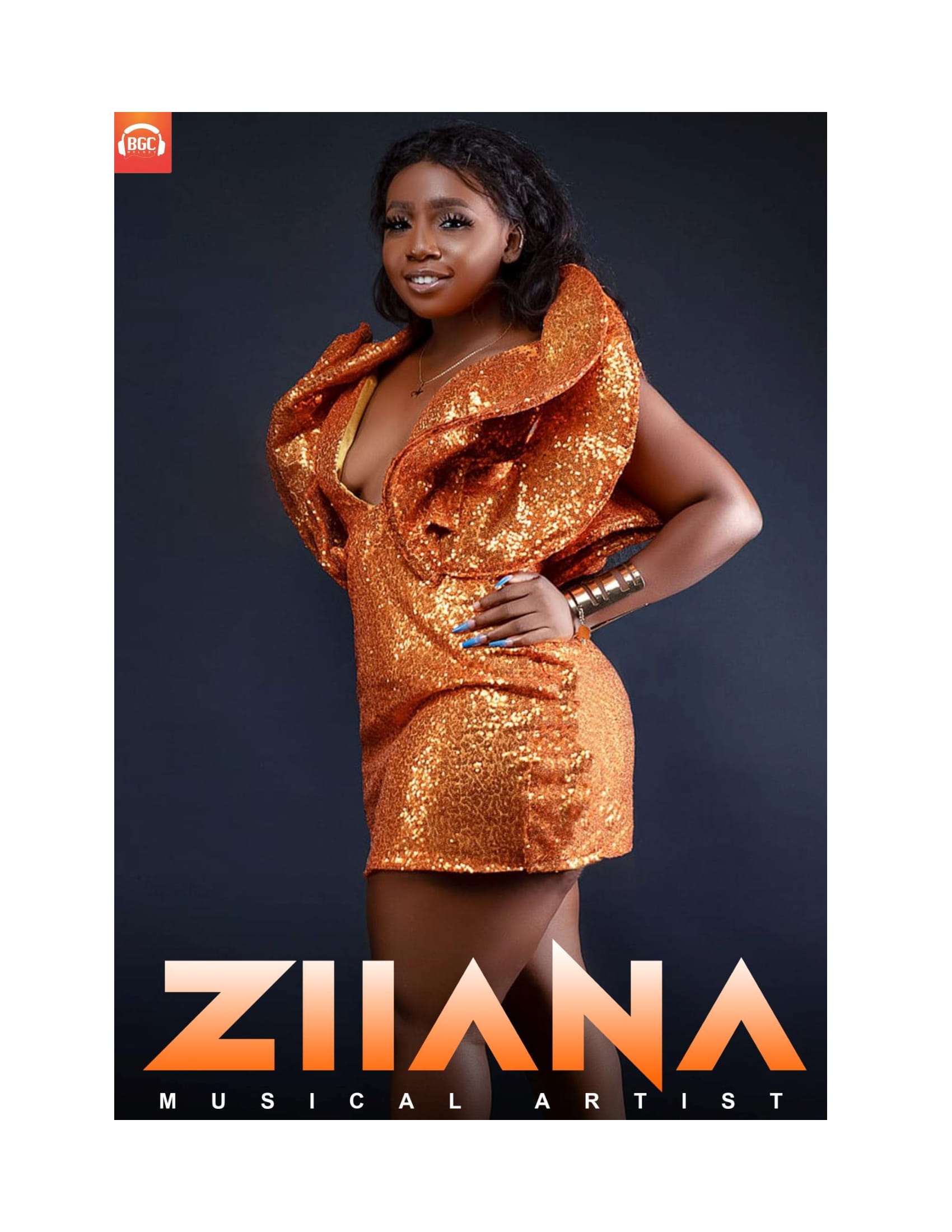
Ziiana
-
Cameroonian artist Tasa
-


Comments
This post currently has no comments.