
How to Register Music Copyright Before Release
A song can travel from a bedroom session in Yaounde, a studio in Arlington, or a diaspora collaboration online to listeners worldwide overnight. That momentum is exciting, but it can expose a gap in your business. Knowing how to register music copyright before a release gives your work a stronger legal foundation when money, credits, takedowns, licensing, or disputes enter the picture.
For independent artists, producers, and writers, registration is not paperwork for later. It is part of release preparation, just like final masters, cover art, distribution metadata, and a marketing plan. If your record earns attention, you should be able to show who owns what.
Copyright starts the moment the music is created
Under U.S. law, copyright generally exists as soon as an original work is fixed in a tangible form. That can mean recording a vocal memo, saving a beat session, writing lyrics in a document, or exporting a finished track. You do not have to register a song for copyright to exist.
Registration is still a different and valuable step. Registering with the U.S. Copyright Office creates a public record of your claim. For U.S. works, registration or refusal is generally required before filing a copyright infringement lawsuit in federal court. Timely registration can also affect the remedies available if someone uses your work without permission.
Think of it this way: creation gives you rights. Registration helps you enforce and document those rights professionally.
Know the two copyrights in a song
A commercially released track often contains two separate copyrights. This is where many emerging artists lose control of their catalog.
The musical work is the underlying composition: lyrics, melody, chord progression, and musical arrangement as expressed in the song. Songwriters and composers typically own or control this side, subject to any publishing or split agreements.
The sound recording is the recorded performance: the specific master listeners hear on streaming platforms, radio, video channels, and downloads. The recording artist, producer, label, or financier may own the master, depending on the agreement.
If you wrote, performed, recorded, and funded your own Afrobeats single, you may own both copyrights. If a producer made the beat, a co-writer contributed the hook, and a label paid for the session, ownership may be shared or assigned differently. Do not assume the name shown as the artist is automatically the owner of every right.
Before you register, separate the composition from the master on paper. It prevents confusion during distribution, publishing administration, sync licensing, and royalty collection.
Settle ownership before opening the application
The strongest registration begins before the form. Gather the people involved in the track and confirm contributions in writing. This is especially necessary for remote collaborations across countries, where WhatsApp messages and voice notes may show the creative process but do not always explain ownership clearly.
For each song, confirm the legal names of writers, producer credits, percentage splits for the composition, and who owns the master. If someone was paid a flat fee, clarify whether that payment included an assignment of rights or whether they keep a share. If your team intends a work-for-hire arrangement, use a written agreement that matches the requirements of applicable law. Calling a session “work for hire” after the record becomes successful is not a reliable strategy.
Keep signed split sheets, producer agreements, recording agreements, beat licenses, invoices, and dated session files in one organized folder. These documents do not replace registration, but they support your ownership story.
A practical example: an artist writes 50% of a song, a featured singer writes 25% of the hook, and a producer writes 25% of the musical composition while owning the master under a separate agreement. The registration should reflect the real facts, not a simplified credit line created for social media.
How to register music copyright with the U.S. Copyright Office
For artists releasing in the United States, registration is handled through the U.S. Copyright Office’s electronic registration system. The office updates its application options, fees, and instructions from time to time, so review the current requirements before submitting.
Start by deciding what you are registering. If you are registering an unreleased song as a composition, you will provide the title, authors, claimant or owner, creation and publication details, and a deposit copy of the work. If you are registering a released recording, you may need to identify both the sound recording and any musical work included in the application, depending on what you own and what the application allows.
The basic workflow is straightforward:
- Create an account in the Copyright Office’s electronic registration portal and select the application that fits the work.
- Enter accurate title, author, claimant, publication, and ownership information. Use legal names where required, even if your stage name appears in the credits.
- Pay the filing fee shown for that application.
- Upload or submit the required deposit copy, such as the audio file, lyric sheet, or other requested material.
- Save your submission confirmation, application details, and registration certificate when it is issued.
Do not rush the claimant field. The author is the person who created copyrightable material. The claimant is the person or company claiming ownership. Those can be the same person, but not always. If your company owns the master through a signed assignment, the company may be the claimant while the artist and producer remain authors of their contributions.
Register at the right point in your release cycle
There is no universal answer to whether you should register before or after release. The right timing depends on your catalog and how ready your ownership information is.
For a priority single with a video campaign, radio promotion, and an international rollout, register as early as possible once the track is final and ownership is clear. That is sensible when you expect the record to be widely shared, pitched to curators, or used in user-generated content.
For a songwriter building a large unreleased catalog, grouping eligible unpublished works may be more efficient than filing one application for every demo. However, grouping rules are specific. The works must meet the office’s current eligibility requirements, and guessing can create delays or require corrections.
For an album, do not assume one submission automatically covers every possible right, remix, alternate version, or video. A deluxe edition with new tracks, a new featured artist, or substantially new material may require separate consideration. A music video also has its own layers of rights, including the audiovisual work, the master, the composition, performances, and visual elements.
Registration is not the same as distribution or royalty collection
Uploading music to a distributor does not register your copyright. A distributor can deliver your track to streaming services, but it does not necessarily establish your legal claim with the Copyright Office.
Copyright registration also differs from joining a performing rights organization, using a publishing administrator, or registering compositions for mechanical royalty collection. Each system serves a different purpose. A performance organization tracks certain public-performance royalties. Publishing administration can help collect songwriting income. A distributor handles digital delivery and often master-side payments. Copyright registration documents your claim to the work itself.
A complete release operation needs all of these functions working together. Your metadata should match across your copyright application, distributor dashboard, songwriter registrations, credits, and promotional materials. If the title is “Night in Kinshasa” in one system and “Night In Kinshasa feat. Jae” in another, your team can create unnecessary royalty and reporting problems.
Common mistakes that create expensive problems
The first mistake is waiting until a dispute. By then, collaborators may disagree, files may be missing, and a viral record may have already generated conflicting claims.
The second is registering only the master while ignoring the composition, or the reverse. Review what each application covers and what you own. If you are one of several writers, do not claim 100% of the song unless the agreements truly support that claim.
The third is relying on poor documentation. A producer tag does not establish ownership. A verbal promise made during an excited late-night session may be real between friends, but it is difficult to manage when the song starts generating income.
Finally, do not confuse copyright with trademark. Copyright protects original songs and recordings. Trademark protects branding, such as an artist name, label name, logo, or slogan, when used to identify goods or services. A serious artist-development plan may need both, but they solve different problems.
BGC Melody works in a release environment where African and diaspora talent can move across markets quickly. Treat your rights records with the same seriousness as your visual rollout, press campaign, and next performance opportunity.
Your next song deserves more than a release date. Give it clean credits, clear ownership, organized files, and a registration plan before the audience finds it. That preparation lets you focus on the part that matters most: making the next record bigger.
Latest Movie
The Princess, The Prince Reality TV Show
Cindy MbandoContestant Number: Princess 07To vote for her, send momo to 652473399 and write PSS 07 as REFERENCE.NOTE: 1 vote is 100FCFA, and it is through the momo number given above. You can vote as many times as you can. Remember, momo vote is 70%.Also like, comment, and share this video as many times as possible to maximize her chances.The Princess, The Prince Reality TV Show.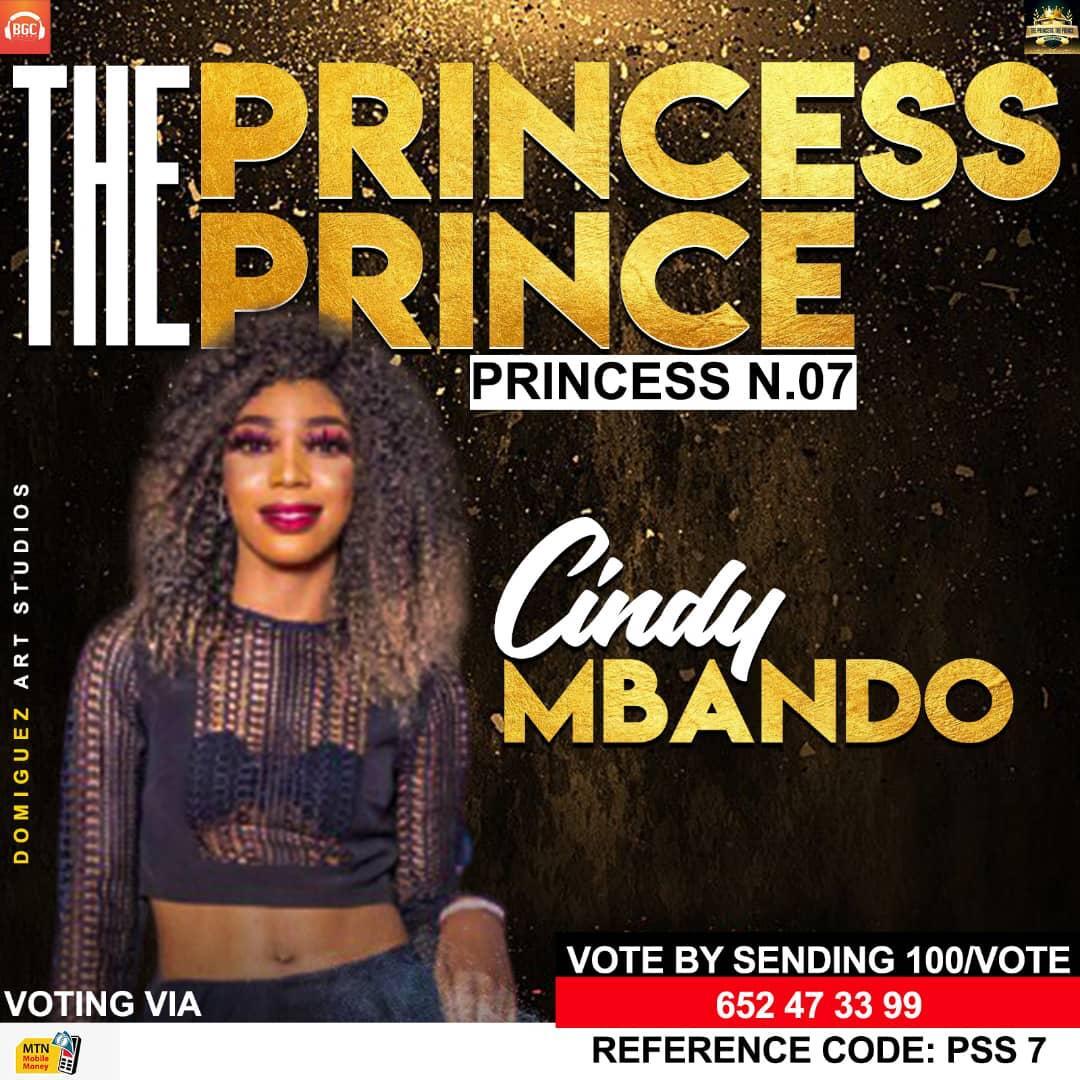
Cindy
-
Ziiana
-
Cameroonian artist Tasa
-








Comments
This post currently has no comments.