
What Makes Songs Radio Ready? A&R Essentials
A radio programmer may give a new record only seconds before deciding whether it fits their station. That reality changes the question from “Is this song good?” to what makes songs radio ready for a specific audience, market, and format. A powerful record can still miss radio if the intro drags, the vocal is unclear, the language is not cleaned for broadcast, or the release arrives without a plan.
For African and diaspora artists, radio readiness is not about sanding off cultural identity. It is about presenting the strongest version of the record so a listener in Lagos, Yaoundé, London, Atlanta, or the DMV can immediately feel its purpose. The sound can be proudly local, multilingual, rhythmic, and adventurous. The delivery simply has to be intentional.
What Makes Songs Radio Ready in Practice
A radio-ready song has a clear musical identity, broadcast-safe assets, and a practical route to the right listeners. It is not one fixed sonic formula. A late-night urban mix, a college radio record, an Afrobeats crossover single, and a commercial pop song can all sound completely different.
What they share is focus. The hook is easy to locate. The vocal lands with confidence. The arrangement keeps moving. The mix translates beyond studio speakers. Most importantly, the team behind the release knows where the song belongs.
Radio is still a relationship business, but relationships work best when the record makes a programmer’s job easier. Deliver a file that sounds finished, properly labeled, legally usable, clean where needed, and matched to the station’s format.
Start With a Hook That Arrives Early
Listeners do not need every song to begin with a chorus, but they do need a reason to stay. A memorable vocal phrase, a distinctive guitar figure, a drum pattern, a chant, or a dramatic melodic entrance can create that reason within the opening moments.
In Afrobeats, amapiano, African pop, and rap, intros are often part of the record’s character. A producer tag, a spoken line, or a percussion build can be valuable. The trade-off is length. If the intro takes 30 seconds before the song reveals its melody or groove, a station may see it as harder to program, particularly during a busy daytime block.
The strongest solution is not always to cut the intro entirely. It may be to create a radio edit that reaches the main vocal or recognizable instrumental motif sooner. Keep the original version for streaming and fans who want the full experience. Give radio a version designed for immediate impact.
Make the chorus easy to remember, not simple-minded
A hook should be repeatable after one or two listens. That can come from a title phrase, call-and-response lyric, melodic turn, or dance-focused rhythm. Repetition matters, but it must serve the song. If every section feels identical, the record can lose momentum.
For multilingual records, do not assume English is required for accessibility. A compelling phrase in French, Lingala, Pidgin, Duala, Swahili, or another language can become the signature listeners remember. What matters is sonic clarity and emotional directness. The listener should understand the feeling even before they understand every word.
Build an Arrangement That Keeps Moving
Radio favors records with direction. The beat may stay consistent, but the arrangement should create small moments of lift: a pre-chorus change, a drop, stacked harmonies, a new drum element, a featured vocal, or a bridge that resets attention before the final chorus.
This is especially relevant for dance-driven music. A groove can be hypnotic on a club system, at a party, or in a DJ set, yet still require a tighter edit for radio. A programmer needs a track that holds up between announcements, advertisements, and songs from other artists. A radio edit should preserve the movement that makes the original special while reducing repetition that only works in a long-form set.
Song length depends on the station and genre. There is no magic number, although many radio-friendly edits land comfortably in the roughly two-and-a-half to three-and-a-half-minute range. Do not shorten a great song just to chase a number. Instead, remove sections that repeat without raising energy or revealing a new reason to listen.
Make the Vocal and Mix Translate Everywhere
A record may sound impressive in a treated studio and fall apart on a car stereo, phone speaker, or station processor. Radio-ready production needs translation. The lead vocal should be understandable over the instrumental, the low end should feel controlled rather than cloudy, and high frequencies should add energy without becoming harsh.
The goal is not maximum loudness. Over-compression can flatten a track, fatigue the listener, and make the chorus feel no bigger than the verse. Leave enough dynamics for the song to breathe while ensuring the overall level is competitive with current releases in its lane.
Before submitting, test the master in several real listening environments: headphones, a basic Bluetooth speaker, a car, a phone, and a fuller sound system. Listen for lyrics that disappear, bass notes that overwhelm the beat, piercing hi-hats, and transitions that lose impact outside the studio.
A clean, well-balanced mix also protects the artist’s brand. If a station gives an emerging artist a first spin, that first impression should sound like a serious commercial release, not an unfinished demo with a good idea buried inside it.
Prepare Clean Versions and Professional Release Assets
A station cannot use what it cannot safely air. If the original contains explicit language, sexual references, or content that conflicts with a station’s standards, provide a real clean version. Do not simply mute a word if the silence breaks the rhythm or leaves the meaning obvious in an awkward way. Re-recording a line often produces a smoother result.
Your radio package should also be organized. At minimum, the team needs the final master, clean edit if applicable, instrumental, correct artist and track title, release date, writer and producer information, artwork, and contact details. Metadata errors create friction and can cost opportunities. A song listed under inconsistent artist names across files, artwork, and distribution platforms is harder to track and promote.
If there is a featured artist, confirm how the credit should appear everywhere before release day. The same applies to samples, interpolations, and beat licenses. Radio exposure can amplify attention quickly, so rights questions should be handled before the campaign begins.
Match the Record to the Right Radio Lane
One of the biggest mistakes in music promotion is treating radio as a single gate. It is a network of formats, cities, community stations, online broadcasters, specialist shows, mix shows, and tastemakers. A record built for diaspora Afrobeats audiences may need a different approach than a mainstream rhythmic pop single. A lyric-heavy rap record may first connect through late-night mix shows, campus radio, or culture-led programming rather than daytime commercial rotation.
This is where artist development meets strategy. Ask who the record is for, where those listeners already gather, and what adjacent artists the station plays. A regional hit can create a credible case for larger markets, but forcing a record into the wrong format rarely helps.
BGC Melody approaches this as part of an integrated release cycle: the music, video, artist story, media outreach, and radio campaign should support one another. A station is more likely to care when there is evidence of movement – audience engagement, a strong visual, live performance momentum, press interest, or a community that is already requesting the song.
Give Programmers a Story They Can Use
Programmers are not only evaluating sound. They are considering relevance. Why this artist, why this record, and why now? A concise artist story can answer those questions without exaggeration.
Maybe the release introduces a Cameroonian singer blending makossa roots with contemporary Afropop. Maybe it is a Congolese diaspora rapper connecting bilingual lyricism with a growing local audience. Maybe a dance record has gained momentum through choreography, events, or a video concept that viewers are sharing. These details make the pitch usable for DJs, hosts, and media teams.
Keep the story specific and current. “Next global superstar” says little. A clear angle, real audience response, and a polished record say much more.
Plan for Airplay After the First Spin
Getting played once is not the finish line. Encourage listeners to follow the station, tune into the relevant show, and request the song respectfully. Share verified airplay moments on social channels, thank hosts and DJs, and keep feeding the campaign with video clips, performance content, and audience conversation.
Do not flood stations with repeated messages or treat a programmer as a streaming playlist. Professional follow-up is timely, courteous, and based on useful updates: a new clean edit, a growing local response, a performance date, or an approved visual asset.
The record that earns repeat airplay is usually the record that connects on first listen and continues to give people a reason to talk. Make the song clear, culturally honest, technically finished, and strategically placed. Then let every spin become an invitation for a new listener to press play again.
Latest Movie

The Princess, The Prince Reality TV Show
Cindy MbandoContestant Number: Princess 07To vote for her, send momo to 652473399 and write PSS 07 as REFERENCE.NOTE: 1 vote is 100FCFA, and it is through the momo number given above. You can vote as many times as you can. Remember, momo vote is 70%.Also like, comment, and share this video as many times as possible to maximize her chances.The Princess, The Prince Reality TV Show.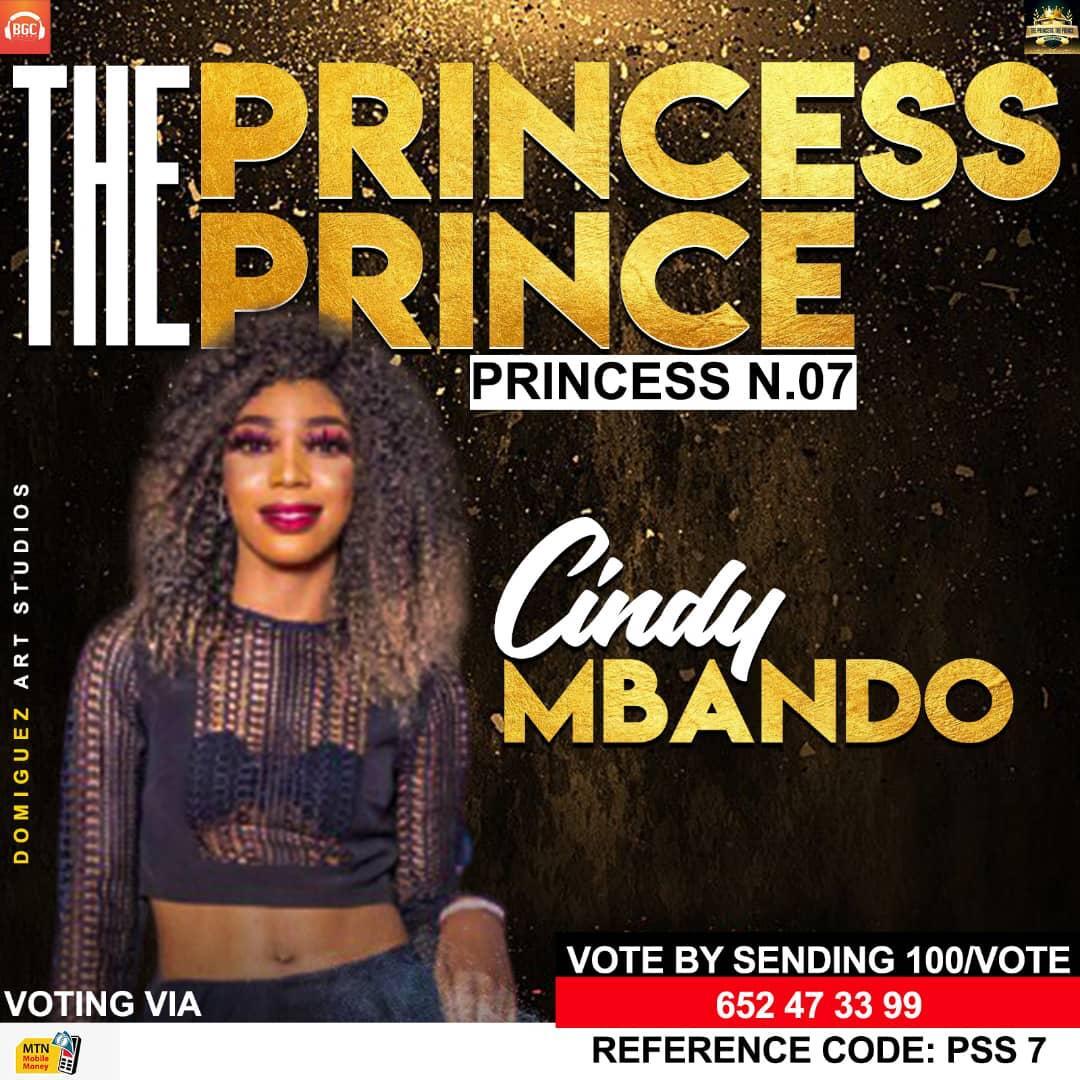
Cindy
-
Ziiana
-
Cameroonian artist Tasa
-









Comments
This post currently has no comments.