
A Guide to Music Video Budgets That Work
A music video can make a strong record feel unavoidable, or it can consume the money needed to promote that record after release. That is why a guide to music video budgets should begin with a hard question: what job must this visual do for your career right now? Is it introducing a new artist, giving a single social-media momentum, supporting radio and press outreach, or building a premium image for bookings and brand partnerships?
For African and diaspora artists, the answer often has to work across markets. A polished visual may need to speak to fans at home, audiences in the United States, and viewers discovering the artist through Afrobeats, rap, dance, or diaspora playlists. The goal is not simply to spend more. It is to put money where the audience will actually see the difference.
Start Your Guide to Music Video Budgets With Strategy
A budget is a creative plan in numbers. Before calling a director or booking a camera, define the song, release window, audience, and one primary outcome. If the song is your breakout single, the video may deserve a larger share of the campaign. If it is a frequent-release track designed to keep fans engaged, a lean but memorable concept can be smarter.
Your concept should match the record’s commercial role. A romantic Afropop track may need performance, styling, and atmosphere more than five locations. A dance record may need choreographers, rehearsals, and a cast that can make the hook travel online. A street-focused rap visual may gain more from an authentic location, strong art direction, and disciplined lighting than from expensive props.
Do not budget the video in isolation. Reserve money for artwork, distribution, short-form edits, press images, radio plugging, digital promotion, and release-week content. A $10,000 video with no launch support can disappear faster than a $4,000 video backed by a focused marketing plan.
Know What a Music Video Budget Actually Covers
Most first-time artists think of the budget as camera rental plus a director. In reality, production is a chain. Removing one essential department can create delays, safety problems, poor footage, or a finished video that looks unfinished.
A workable budget generally includes pre-production, production, post-production, and a contingency reserve. Pre-production covers treatment development, producer time, location scouting, permits, call sheets, casting, and rehearsals. This is where costly mistakes are prevented. A clear schedule can save more money than cutting the assistant camera position at the last minute.
Production includes the director, producer, director of photography, camera crew, lighting and grip, production assistants, hair and makeup, wardrobe, set design, transportation, meals, talent, locations, and equipment. The needs vary by concept. A one-location performance video may need a tight crew and excellent lighting. A narrative video with multiple scenes requires more time, coordination, and a stronger production team.
Post-production includes editing, color grading, visual effects, motion graphics, sound cleanup when needed, captions, and deliverables in horizontal and vertical formats. Do not treat editing as an afterthought. The edit is where the pacing, story, and replay value are built. If you need a clean version for television, a lyric visualizer, teaser cuts, or social clips, put them in the scope before filming.
Finally, hold back 10 to 15 percent for contingency. A location may require an unexpected fee. Rain may force a schedule change. A wardrobe replacement, additional drive storage, overtime, or reshoot pickup can happen even on organized sets.
A practical starting allocation
The exact split changes by city, crew, and concept, but this framework keeps the money visible:
| Budget area | Typical share | What it protects | | — | —: | — | | Pre-production | 10-15% | Planning, permits, casting, scheduling | | Cast, crew, and creative | 30-40% | Director, camera team, performers, styling | | Equipment, locations, and logistics | 25-35% | Cameras, lights, transport, sets, meals | | Post-production | 15-25% | Edit, color, effects, final deliverables | | Contingency | 10-15% | Overtime, changes, and unexpected costs |
These percentages are not rules. A fashion-forward performance video may put more into wardrobe, glam, and art direction. A cinematic narrative could require more location, cast, and production-design spending. What matters is knowing why each line exists.
Set a Budget Range Before You Pitch the Concept
For an emerging independent artist, a focused DIY or micro-crew video may land around $1,500 to $4,000. This can work when the concept is built around one location, one shooting day, and a small number of looks. The limitation is not automatically the camera. It is time. Fewer crew members and less setup time mean the idea must be simple enough to execute well.
A professional independent video often falls between $5,000 and $15,000. This range can support an experienced director and crew, quality camera and lighting packages, controlled locations, styling, cast, and a more refined post-production process. For many artist-development campaigns, this is the range where visual ambition and financial discipline can meet.
A $20,000-plus production may be justified for a major release, a well-funded brand campaign, a high-value collaboration, or a record with clear international momentum. At that level, artists can add more locations, stronger production design, larger casts, choreography, advanced visual effects, and longer shooting schedules. But a bigger budget only pays off when the song, release plan, and distribution effort can carry the attention it earns.
Rates differ significantly by market. A shoot in Los Angeles, New York, Atlanta, Washington, DC, London, Lagos, Douala, or Kinshasa will have different location costs, crew availability, permit requirements, and transportation realities. Ask for local production estimates instead of copying an online budget from another city.
Spend on What the Viewer Can Feel
Viewers may not know what camera captured a shot, but they recognize weak lighting, distracting soundstage details, rushed editing, poor styling, and performances that were never properly directed. The strongest value often comes from a capable director of photography, thoughtful lighting, a prepared artist, a skilled editor, and a concept with a clear visual identity.
This does not mean expensive equipment has no place. A RED camera package or cinema lenses can support a premium look when paired with the crew, lighting, data management, and post-production to use them properly. Renting high-end gear without investing in the people around it is usually false economy. BGC Melody can support artists who need production infrastructure to connect a visual project with a wider release and visibility campaign.
Cut costs where the audience is least likely to notice: unnecessary company moves, too many locations, last-minute prop purchases, oversized crews for a simple concept, or a long shoot day built around ideas that will not make the final edit. Keep the money on screen, but also keep enough behind the scenes to run a professional set.
Get Quotes That Make Comparison Possible
When requesting quotes, send the same brief to each production partner. Include the song length, treatment or reference videos, number of locations, preferred shoot date, cast needs, dance requirements, wardrobe expectations, visual effects, delivery formats, and the maximum amount available. Vague requests produce vague estimates.
Ask whether each quote includes camera, lenses, lighting, crew roles, location fees, insurance, transportation, meals, editing, color, revisions, raw footage, and usage rights. A low quote may exclude the very items that turn out to be essential. Also ask how many editing rounds are included. Endless revisions are one of the quickest ways to push post-production beyond budget.
Put payment terms in writing. A common structure is a deposit to secure the date, a production payment before or on the shoot day, and a final payment before delivery. Confirm cancellation terms, overtime rates, ownership of final masters, and whether talent releases are being collected. Professional paperwork protects the artist, the director, and everyone who appears on camera.
Build a Video That Can Carry the Campaign
Plan for more than the full-length upload. Capture vertical performance moments, behind-the-scenes footage, clean portrait images, teasers, and short clips built around the song’s most memorable lyric, dance, or visual reveal. These assets give your team material for several weeks instead of asking one video to do all the work in one day.
The most useful question is not, “Can we afford this video?” Ask, “Can this video help move the record, the artist brand, and the next opportunity?” If the answer is clear, the budget becomes a business decision with creative energy behind it. Make the visual memorable, fund the release around it, and give your audience a reason to press play again.
Latest Movie

The Princess, The Prince Reality TV Show
Cindy MbandoContestant Number: Princess 07To vote for her, send momo to 652473399 and write PSS 07 as REFERENCE.NOTE: 1 vote is 100FCFA, and it is through the momo number given above. You can vote as many times as you can. Remember, momo vote is 70%.Also like, comment, and share this video as many times as possible to maximize her chances.The Princess, The Prince Reality TV Show.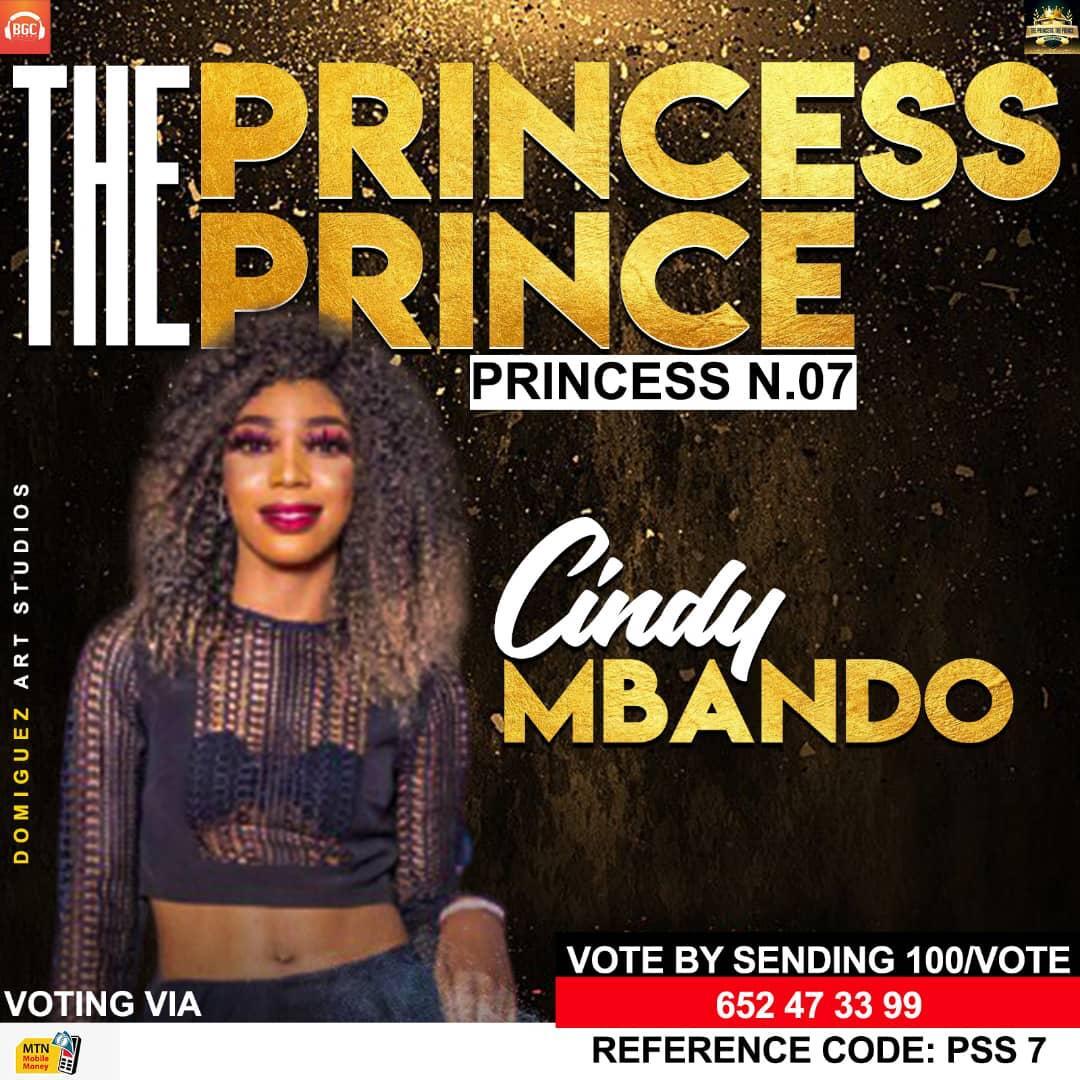
Cindy
-
Ziiana
-
Cameroonian artist Tasa
-



Comments
This post currently has no comments.