
Music Sync Licensing Opportunities for African Artists
A placement can change the life of a record before the listener ever searches for it. Your song might play beneath a pivotal scene in a film, drive a fashion campaign, introduce a sports highlight, or give a creator’s series its signature energy. For independent African and diaspora talent, music sync licensing opportunities are a serious route to income, global discovery, and long-term catalog value.
But sync is not a lottery ticket. Music supervisors, production companies, brands, and game developers need music they can clear quickly, use legally, and trust creatively. The artists who get placed are often not simply the loudest online. They are the ones with strong records, clean rights, accurate information, and a professional response when the opportunity arrives.
What music sync licensing opportunities really involve
Sync licensing is the permission to pair music with visual media. That media can include television, film, trailers, advertisements, streaming series, video games, social campaigns, documentaries, podcasts with video, and corporate content. A sync deal normally requires two separate permissions: one for the sound recording, often called the master, and one for the underlying composition or publishing.
If you wrote, produced, and recorded your song alone, you may control both sides. That makes your music much easier to license. If a producer, co-writer, featured artist, label, or publisher is involved, each rights holder may need to approve the use. A great Afrobeats record can lose a placement because one writer cannot be reached or a split was never documented.
The commercial value varies widely. A brief placement in an independent web series may pay modestly or offer exposure with limited cash. A global advertising campaign, major studio film, or high-profile game can pay far more. The better question is not, “What does sync pay?” It is, “What rights am I granting, where will the music appear, for how long, and what is the real value of that use?”
Build a sync-ready catalog before you pitch
Music supervisors work under deadlines. When they ask for an upbeat African pop track with female vocals, a clean lyric, and a summer feeling, they may need options that same day. Sending a streaming link with no ownership details creates more work. Sending an organized, clearance-ready package makes you easier to choose.
Start with the music itself. Your mix should translate beyond headphones. Dialogue, sound effects, and voice-over will compete with the song, so a muddy low end or crowded vocal can make a strong composition difficult to use. Professional masters matter, but so do alternate versions. Instrumentals, clean versions, radio edits, 30-second edits, and stems can turn one song into several usable assets.
An instrumental is especially valuable for sync. A supervisor may love the groove but need room for an actor’s dialogue. A clean version is just as essential if the project is family-facing, brand-safe, or broadcast-driven. Do not assume an explicit version can be edited later. Have the approved version ready.
Your metadata needs the same attention as your cover art. Every track should clearly identify the artist name, song title, writers, producers, publisher information, performing rights organization affiliation, contact email, ISRC, genre, mood, tempo, language, and ownership percentages. Keep a simple, current rights sheet for every song. It should state who controls the master and publishing, whether the track is one-stop clearable, and whether any samples or interpolations require outside approval.
One-stop clearance is a major advantage. It means a single authorized party can approve both the master and composition rights. This does not make the song automatically better, but it makes the supervisor’s job faster. For emerging artists, speed and certainty can be powerful competitive edges.
Clear samples and collaborator splits early
African music thrives on collaboration. Producers exchange ideas across Lagos, Douala, Kinshasa, London, Atlanta, and Arlington. That energy creates records with real crossover potential, but informal agreements can become expensive later.
Use split sheets when the song is created, not after a buyer asks questions. Confirm songwriter percentages, producer points where applicable, master ownership, featured-artist approvals, and publishing administration. If you use a sample, find out whether it is cleared for commercial synchronization. A beat labeled “free” online is not automatically safe for TV or advertising use.
A sync placement can expose weak paperwork quickly. Resolve the rights issue while the release is new and everyone is reachable.
Pitch the right song to the right brief
The most common mistake is pitching every song to every contact. A music supervisor is not looking for “good music” in the abstract. They are solving a story, brand, or scene problem. Maybe they need a confident entrance song, a tender acoustic moment, a pan-African party record, tension for a crime drama, or a rhythmic instrumental that feels modern without distracting from dialogue.
Describe your tracks in practical language. “Amapiano-influenced club record” is useful. “Warm, percussive Afropop with a triumphant female vocal, clean lyrics, and an instrumental available” is better. It tells the recipient how and where the music could work.
Research the creative lane before you submit. A cinematic Afro-soul track may fit a documentary, prestige drama, or travel campaign. A punchy rap record with a strong hook may suit sports, youth programming, gaming, or social content. A song that works brilliantly at an event may not be the right choice for an intimate scene. The aim is not to change your identity. It is to position your catalog with precision.
Avoid attaching large files in first contact unless requested. A short introduction, a private listening option, the relevant track details, and a direct statement about clearance status are usually enough. Keep your pitch focused on the brief. If you have five suitable songs, name the strongest one first instead of making the recipient search through twenty.
Where artists can find sync work
Direct relationships are valuable, but they take time. Music supervisors, sync agents, publishers, production music libraries, entertainment attorneys, independent labels, advertising agencies, and artist-management teams can all play a role. Each route has different trade-offs.
A non-exclusive library may allow you to place the same song through other channels, but it can mean heavier competition and less personal pitching. An exclusive sync representative may actively champion your catalog, but the agreement can limit where else you can submit the music. A publisher can help administer compositions and open doors, though its terms, commission, and creative control deserve close review.
Do not sign a sync agreement because the word “placement” appears in the offer. Read the length of the term, territories, exclusivity, commission, reversion language, reporting schedule, and whether the representative can approve uses without your consent. For sensitive songs, you may want approval rights over political campaigns, alcohol brands, gambling, or other categories that do not fit your values or audience.
For artists building internationally, an integrated team can make a meaningful difference. BGC Melody’s mix of artist development, release marketing, visual content, PR, and representation reflects how sync readiness connects to a wider career plan. A supervisor who discovers a song should be able to find an artist profile, clear visuals, current contact information, and a story that supports the music.
Protect the fee without killing the relationship
A sync fee is not the same as performance royalties. The upfront fee pays for permission to synchronize the music with the visual project. Depending on the use, there may also be backend performance royalties when the program airs publicly. Registration with the appropriate performing rights organization and accurate publishing data help those royalties reach the right people.
When an offer comes in, ask practical questions: Is the use in one scene or throughout a campaign? Is it online only, broadcast, theatrical, or all media? Is the territory local or worldwide? Is the term three months, one year, or perpetual? Will the client use the original recording, a re-record, or only the composition?
A lower fee can make sense for a respected independent film with limited distribution, particularly if the placement is meaningful and the terms are narrow. A low fee for worldwide, perpetual advertising rights is a different conversation. The bigger the usage, reach, and duration, the more carefully the license should be valued.
Never confuse visibility with compensation. Exposure can be real, especially when a placement introduces an artist to a new audience. Still, exposure does not pay collaborators, cover recording costs, or replace ownership. Negotiate with confidence and get qualified legal or business advice when the deal is significant.
Make your cultural identity an asset, not a label
African and diaspora music is not one sound. A supervisor searching for “Afrobeats” may actually need highlife guitar, Afro-house drive, Congolese rumba warmth, Makossa influence, Francophone pop, gospel harmonies, drill energy, or an experimental blend that has not yet been named by a playlist category.
Be specific about your sound and honest about your language. Do not flatten your work to fit an international keyword. The right creative partner may be searching for exactly the rhythm, vocal texture, and cultural detail that make your record distinct. Give them the information to understand it, then let the song carry the feeling.
Keep building a catalog that is organized, ownable, and ready to move when the call comes. The placement that matters may not arrive through a viral moment. It may arrive because someone needed one clearable song, at the exact right time, and yours was ready.
Latest Movie

The Princess, The Prince Reality TV Show
Cindy MbandoContestant Number: Princess 07To vote for her, send momo to 652473399 and write PSS 07 as REFERENCE.NOTE: 1 vote is 100FCFA, and it is through the momo number given above. You can vote as many times as you can. Remember, momo vote is 70%.Also like, comment, and share this video as many times as possible to maximize her chances.The Princess, The Prince Reality TV Show.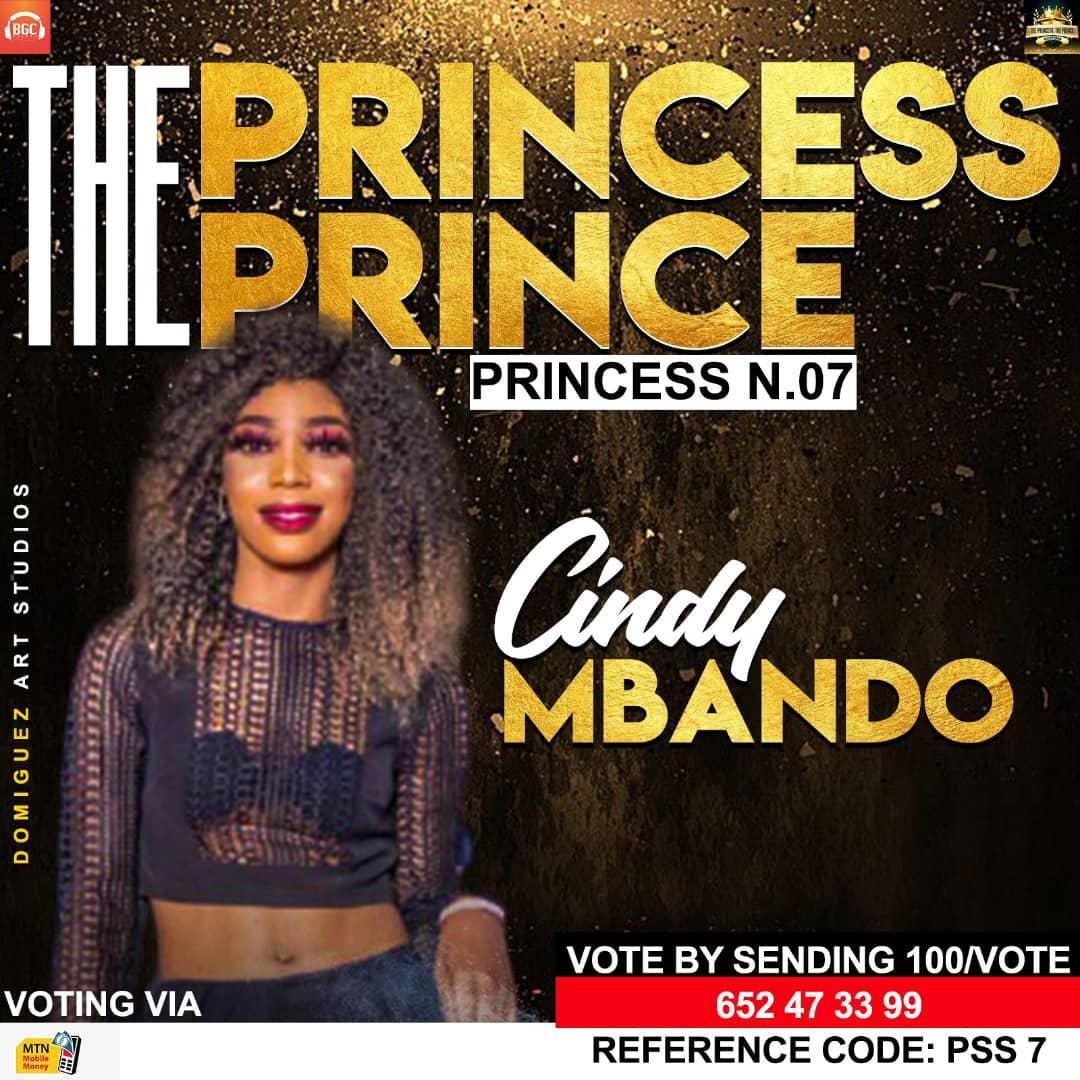
Cindy
-
Ziiana
-
Cameroonian artist Tasa
-








Comments
This post currently has no comments.