
A Guide to Artist Development Plans That Work
A strong song can open a door. A strong career needs a plan for what happens after the first listen, the first video, and the first burst of attention. This guide to artist development plans is built for African and diaspora artists who want more than a moment. It is for performers preparing to release consistently, grow a recognizable identity, reach media and radio, and build commercial value in multiple markets.
Artist development is not about forcing every musician into the same image. An Afrobeats singer with a dance-led visual identity needs a different runway from a conscious rapper, a gospel artist, or an actor moving into music. The goal is to turn clear creative potential into repeatable audience growth and professional opportunities.
Start With the Artist, Not the Release
Many independent artists begin with a release schedule because it feels productive. But releasing music before defining the artist can create noise without direction. Before choosing singles, establish the foundation: what the artist sounds like, what they represent, who they serve, and why a listener should return.
This is where honest assessment matters. Review the catalog, live performance, writing, vocal delivery, visual presence, social media behavior, work ethic, and team capacity. A promising record cannot compensate forever for inconsistent rehearsal, poor communication, or no follow-up after a campaign starts.
The development plan should answer a few direct questions in writing. What is the core genre and cultural lane? Which audiences are most likely to respond first? What is the artist’s story without exaggeration? Which markets make practical sense – local, diaspora, regional, or global? Finally, what is the next 12-month objective: build a fan base, secure bookings, improve streams, attract brand work, or prepare for a larger management or label conversation?
Clarity makes every later decision easier. It tells the producer what sonic world to protect, the photographer what image to capture, and the publicist what story is actually worth pitching.
Build a Guide to Artist Development Plans Around Milestones
A useful artist development plan is not a motivational document. It is a working calendar with milestones, responsibilities, budget ranges, and evidence of progress. The plan should move in stages because artists rarely need everything at once.
Stage One: Develop the Product
The first stage is music and performance readiness. Select the strongest two to four songs rather than trying to push an unfinished album. Test arrangements, tighten vocals, improve writing where needed, and make sure the final masters can stand beside current releases in the artist’s lane.
Performance development belongs here too. Rehearse full sets, transitions, audience engagement, choreography when appropriate, and microphone control. A record may introduce the artist, but a convincing live appearance can turn casual listeners into supporters.
The trade-off is time. Rushing a single may feel like momentum, while taking another month to improve a hook or mix may create a better long-term asset. There is no universal answer, but the decision should be deliberate rather than driven by pressure from social media.
Stage Two: Shape the Identity
Once the music is ready, create a visual and editorial system around it. That includes artist photos, a concise biography, cover art direction, content themes, stage wardrobe, and a consistent tone of voice. Consistency does not mean every post needs the same colors or every video needs the same location. It means people should recognize the artist’s world quickly.
For African and diaspora artists, cultural specificity is an advantage, not a limitation. Language, fashion, neighborhood references, dance, family history, and regional sound can make an artist more distinct in crowded global feeds. The strongest positioning does not imitate whatever is trending in another market. It translates an authentic point of view for audiences who may be encountering it for the first time.
Create an electronic press kit before the campaign needs one. Keep approved photos, a short and long bio, music links, video assets, key achievements, contact information, and clean metadata in one place. Media teams, promoters, playlist curators, and event partners move fast. Missing assets cost opportunities.
Stage Three: Release With a Campaign, Not a Post
A release date is only one moment in a campaign. The plan should map activity before, during, and after the music arrives. Pre-release content can introduce the song’s mood, story, hook, dance, studio moment, or featured collaborator. Release-week activity should direct fans to listen, watch, share, and save. The following weeks should provide fresh reasons to revisit the record through performances, acoustic clips, interviews, remix ideas, fan videos, or a visual rollout.
Every release needs one clear primary action. If the goal is streams, direct people to listen. If the objective is video views, lead with the video. If the song supports an upcoming event, connect the campaign to tickets and appearances. Trying to sell five actions in every caption weakens the message.
This is also where professional marketing earns its place. Digital distribution, video promotion, press coverage, radio plugging, audience targeting, and artist management should support one connected campaign. BGC Melody approaches this as an integrated operation because a strong record deserves more than being uploaded and forgotten.
Set realistic numbers before release day. A new artist may measure success through follower growth, saves, completion rate, media pickups, and direct messages from promoters. A more established act may focus on repeat listeners, radio rotation, ticket movement, or brand inquiries. Streams matter, but they are not the only sign that an artist is building a business.
Stage Four: Turn Attention Into Infrastructure
The most overlooked stage begins after the campaign. Review what actually happened. Which content drove comments rather than passive views? Which city produced the most listeners? Did media coverage lead to bookings? Did the video pull audiences toward the music, or did the music pull them toward the video?
Use those answers to decide the next move. If one territory responds strongly, plan targeted interviews, collaborations, live appearances, or radio outreach there. If short-form performance clips outperform polished lifestyle content, adjust the creative mix. If listeners love the record but do not follow the artist, improve the call to action and give them a reason to stay connected.
Attention must also be organized. Keep a clean contact database for collaborators, promoters, DJs, journalists, event clients, stylists, producers, and fans who opt in to updates. Protect rights, document splits, register works properly, and keep financial records from the beginning. A career becomes harder to manage when success arrives before the paperwork is in order.
Give Every Team Member a Job
Artist development fails when everyone is busy but nobody owns the result. The artist should own creative output, discipline, rehearsal, and audience connection. A manager should own priorities, partnerships, calendars, and follow-through. The marketing and PR team should own campaign execution, media relationships, reporting, and audience strategy.
For an early-stage artist, one person may cover several roles. That is normal. The key is to name the responsibility anyway. If nobody is responsible for collecting video assets or confirming radio submissions, those tasks will disappear behind more urgent work.
Schedule a short weekly check-in during active campaigns. Review completed actions, delays, budget use, incoming opportunities, and the next seven days. Keep it practical. Development plans become useful when they change what the team does on Tuesday, not when they sit in a folder after the first meeting.
Budget for What Moves the Career
A limited budget requires choices. Spending everything on one expensive video while releasing poorly mixed music or skipping promotion usually creates a beautiful asset with no sustained reach. On the other hand, an artist with a great song and no visual material may struggle to stop the scroll.
Prioritize the areas that match the current stage. Early on, that may mean recording quality, photography, basic performance rehearsal, and a focused single campaign. Later, the budget can expand into higher-level visuals, travel, radio promotion, events, collaborations, and targeted advertising. Do not mistake visible spending for smart investment.
Track both cost and return. A campaign that creates a modest number of streams but leads to paid bookings, media relationships, and a useful new audience can be more valuable than a viral post with no pathway to revenue.
Keep the Plan Flexible Without Losing Direction
The best development plans have structure and room to react. A song can take off unexpectedly in a city the team did not target. A featured artist may delay a verse. A live clip may reveal a stronger audience connection than the official video. Adjusting is not failure when the core identity and goals remain clear.
Give the artist enough time to grow into the plan. Not every promising performer is ready for a full-scale campaign this quarter, and not every record needs international ambitions on day one. Build the next credible step, execute it professionally, and let results inform the next release. A career earns momentum when the music, the message, and the team keep moving in the same direction.
Latest Movie
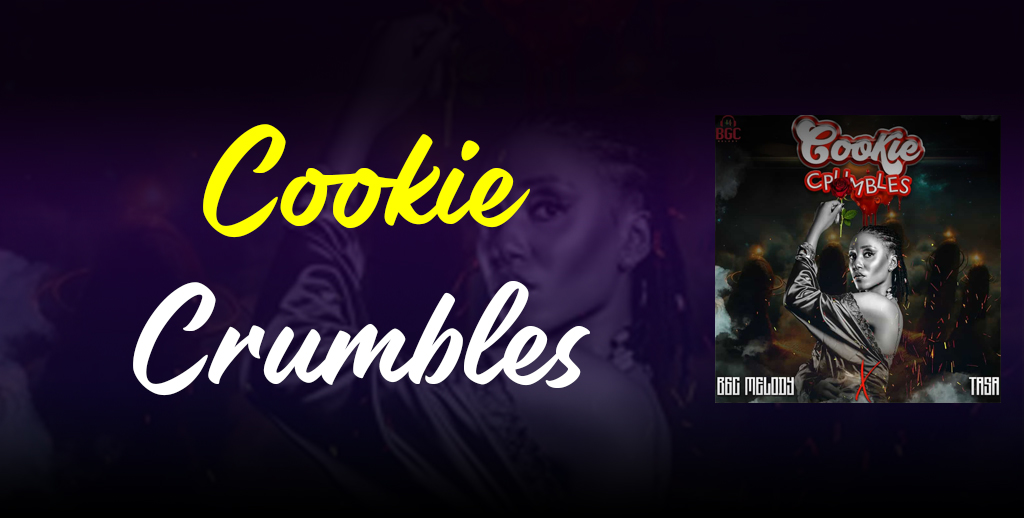
The Princess, The Prince Reality TV Show
Cindy MbandoContestant Number: Princess 07To vote for her, send momo to 652473399 and write PSS 07 as REFERENCE.NOTE: 1 vote is 100FCFA, and it is through the momo number given above. You can vote as many times as you can. Remember, momo vote is 70%.Also like, comment, and share this video as many times as possible to maximize her chances.The Princess, The Prince Reality TV Show.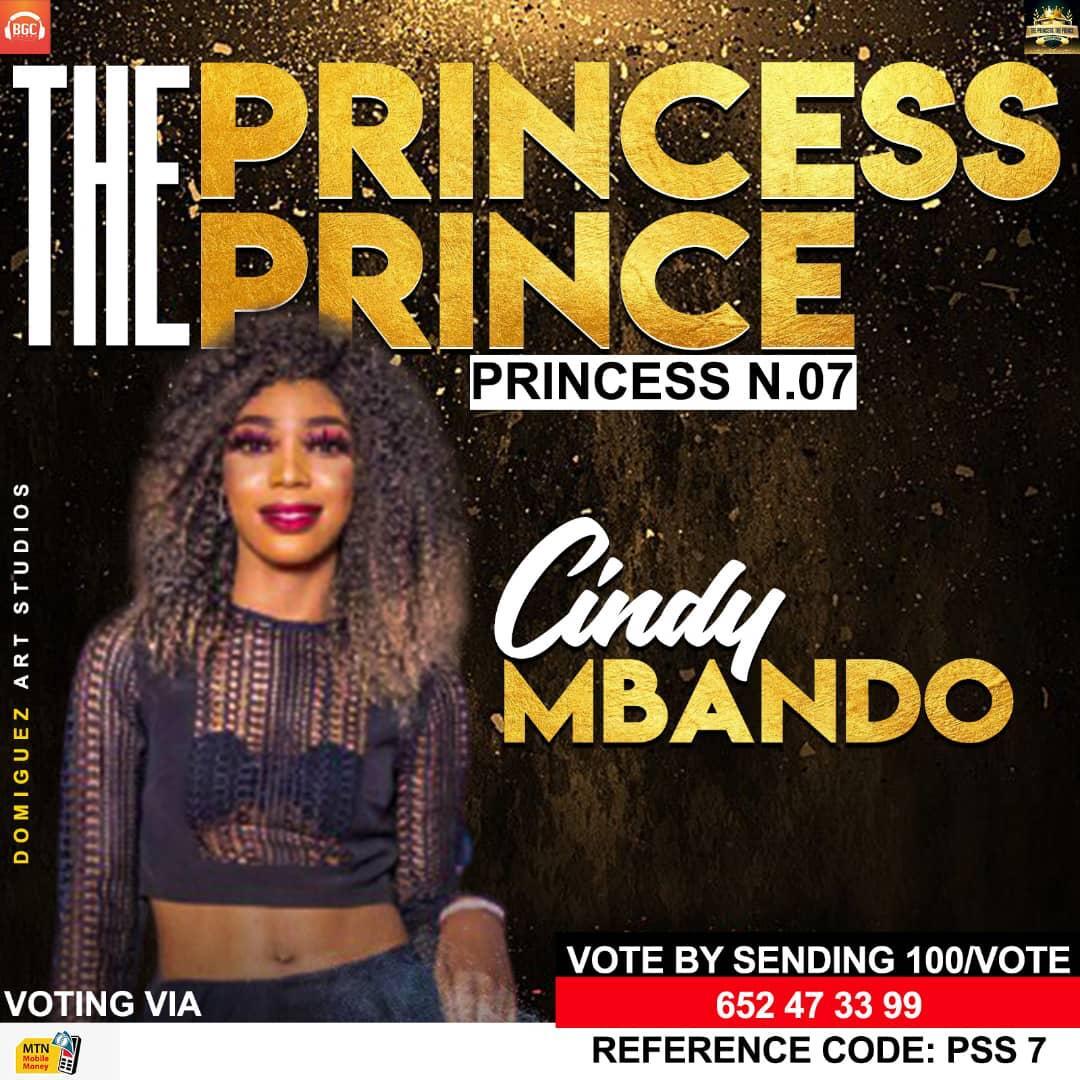
Cindy
-
Ziiana
-
Cameroonian artist Tasa
-





Comments
This post currently has no comments.