
Artist Management Versus Self Management

A strong record can travel far, but a release without a plan can disappear before its first weekend is over. The real question in artist management versus self management is not whether you are talented enough to do it alone. It is whether you can consistently make the right business moves while still creating music worth hearing.
For African and diaspora artists building audiences across cities, countries, and platforms, that decision carries extra weight. You may be coordinating a studio session in Douala, a video shoot in Maryland, radio outreach in London, and a digital release aimed at fans everywhere. Management can create structure around that ambition. Self-management can protect your independence. Neither route is automatically better.
Artist Management Versus Self Management: The Real Difference
Artist management is a professional relationship built around strategy, opportunity, and execution. A manager should help shape the larger career picture: which songs deserve investment, when to release, how to position the artist, what partnerships are worth pursuing, and where revenue can grow. Depending on the agreement, they may also coordinate bookings, brand discussions, media outreach, release calendars, budgets, and team communication.
Self-management means the artist holds those responsibilities personally. You decide the rollout, answer the emails, set the budget, schedule rehearsals, negotiate opportunities, follow up with DJs, and study the performance of every campaign. For some artists, this is not a temporary phase. It is the model they prefer.
The key difference is not ownership. An artist can retain ownership of masters, publishing, image, and business decisions while working with management. The difference is capacity. A good manager gives your career more organized attention than you can realistically provide alone.
What Self-Management Gives You
Self-management offers speed and direct control. If you want to release a new Afrobeats single next month, you do not need to wait for a manager to approve a plan or align competing priorities. You can move from recording to cover art to distribution with a clear vision and no internal debate.
It also forces you to understand the business behind the music. Artists who manage themselves learn how royalty systems work, what a campaign costs, how to read audience data, and why a strong visual can increase a song’s life. That knowledge remains valuable even if you later hire a manager.
There is a financial advantage as well. Managers commonly earn a commission, often based on the income they help manage. When money is limited, keeping more of each performance fee, streaming payment, or brand deal can feel like the smartest choice.
But control has a hidden cost: time. Every hour spent chasing a media contact or correcting an event contract is an hour not spent writing, practicing, recording, or connecting with fans. Self-management works best when you are organized, commercially curious, and realistic about how much administration you can carry.
Self-Management Works Best When the Foundation Is Simple
An emerging artist with a focused release plan may not need full-time management yet. If you have a consistent sound, a manageable schedule, a reliable producer, and a small but active audience, you may be able to lead your own campaign while hiring specialists only when needed.
For example, you might handle the release strategy but pay for professional artwork, video production, radio promotion, or press support. This can be more practical than handing over a percentage of all income before there is enough activity to justify a manager’s involvement.
The risk is confusing activity with progress. Posting daily, sending your song to dozens of contacts, and accepting every show can look productive while weakening your positioning. Self-management requires priorities, not just hustle.
What Artist Management Can Change
The right manager turns scattered movement into a coordinated career plan. Rather than treating each release as a separate event, they can connect the song, music video, interviews, live appearances, social content, and brand opportunities into one campaign. That continuity helps fans and industry partners understand who you are.
Management is especially valuable when opportunities begin arriving faster than you can evaluate them. A feature request may sound exciting but not fit your audience. A performance offer may pay well but conflict with a larger media opportunity. A manager can assess the details, protect your schedule, and negotiate from a less emotional position.
For artists seeking cross-border visibility, management can also bring local knowledge and networks. A campaign aimed at diaspora listeners needs more than a generic upload. It may require targeted press, radio plugging, culturally relevant content, video distribution, and outreach to the communities already listening to your sound. BGC Melody operates in that wider ecosystem, bringing artist development, marketing, PR, and visual promotion into the same conversation.
A Manager Is Not a Shortcut to Fame
This is where artists need to be careful. A manager cannot manufacture a committed fan base from weak music, unclear branding, or inconsistent work. They can amplify momentum, improve decisions, and open qualified conversations. They cannot replace your creative discipline.
The wrong manager can create the opposite result. Poor communication, vague promises, missed follow-ups, and unclear financial reporting can slow a career down. A manager who has many clients but no defined plan for you may be less useful than a focused self-managed artist with a dependable freelance team.
Before agreeing to management, ask how the manager plans to earn their commission. If the answer is only, “I know people,” keep asking. You need to understand their release strategy, communication rhythm, services, network, reporting process, and expectations for your time and budget.
Compare the Cost, Not Just the Commission
Artists often see management as expensive because of the percentage. That is only part of the calculation. The better question is whether the manager creates more value than they take.
If a manager helps secure better show fees, prevents poor deals, organizes a high-performing rollout, and gets your project in front of useful media and industry contacts, their commission may be well earned. If they mainly repost your content and send occasional messages, that percentage can become a costly burden.
Self-management is not free either. You may spend money on distribution, creative assets, advertising, publicity, legal review, travel, video production, and professional support. You may also lose income by accepting weak terms because no one had the time or experience to negotiate properly.
A practical approach is to separate management from services. You may need a publicist for one campaign, a booking agent for live dates, or a digital marketer for a targeted release without needing a manager for every part of your career. As the workload and revenue increase, full management may become the more efficient choice.
Choose Based on Your Current Season
Do not sign management because another artist has a manager. Sign because the relationship solves a real business problem. Maybe you are struggling to keep releases organized. Maybe your growing audience is not converting into show opportunities. Maybe you need stronger international positioning, better deal review, or one person to coordinate the team around your next project.
Likewise, do not stay self-managed only because you fear losing control. A clear agreement can protect your approvals, rights, and creative direction while allowing someone else to manage the operational weight.
The most useful decision may be a staged one. Start by building your own systems: a release calendar, organized files, a budget, a clear artist biography, performance-ready material, and reliable communication. Then bring in a manager when there is enough momentum for them to multiply, not merely supervise.
Your audience does not need to know who sends the emails. They need to feel that every release, video, performance, and public appearance belongs to the same rising story. Build the team structure that leaves you with enough energy to make that story worth following.
Latest Movie

The Princess, The Prince Reality TV Show
Cindy MbandoContestant Number: Princess 07To vote for her, send momo to 652473399 and write PSS 07 as REFERENCE.NOTE: 1 vote is 100FCFA, and it is through the momo number given above. You can vote as many times as you can. Remember, momo vote is 70%.Also like, comment, and share this video as many times as possible to maximize her chances.The Princess, The Prince Reality TV Show.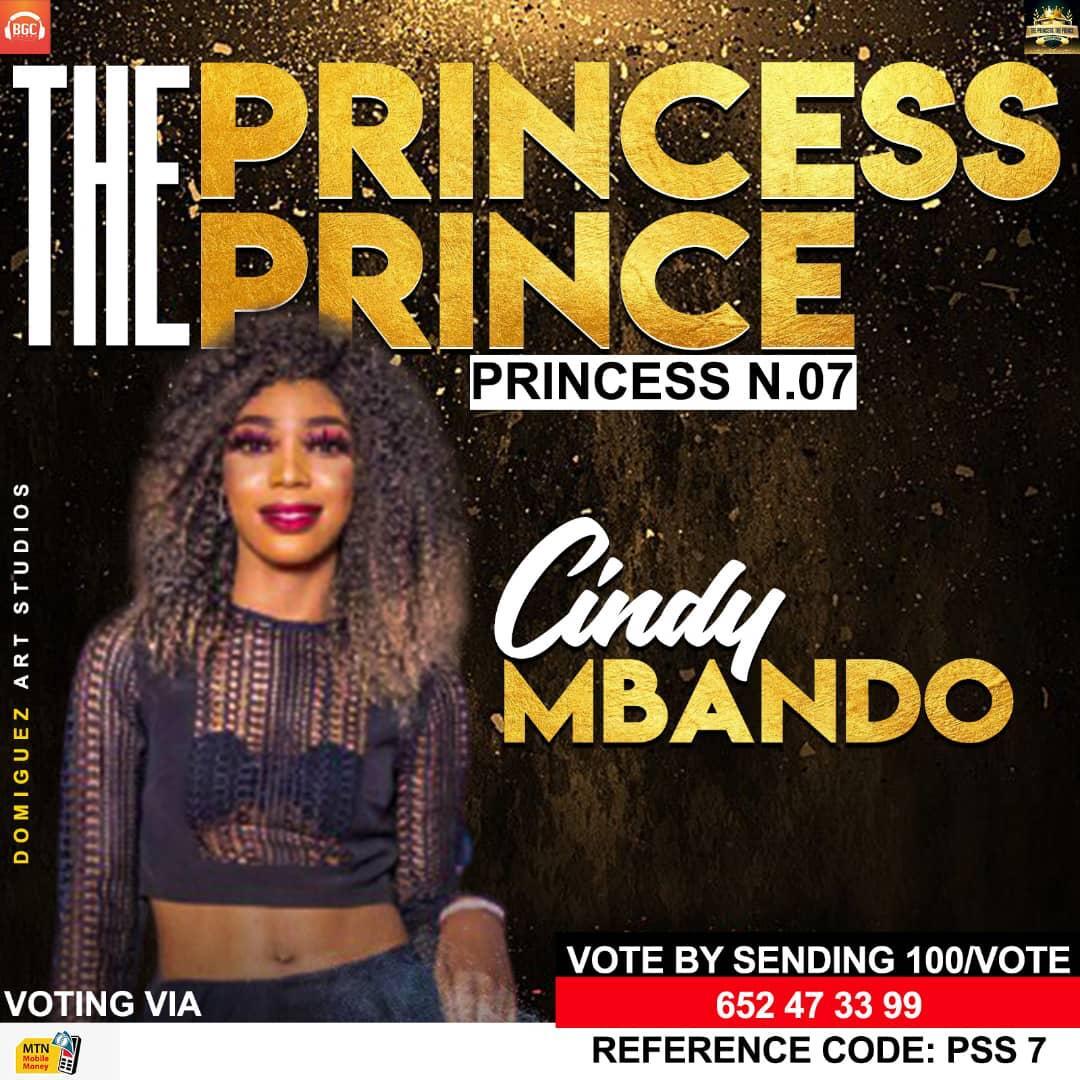
Cindy
-
Ziiana
-
Cameroonian artist Tasa
-









Comments
This post currently has no comments.