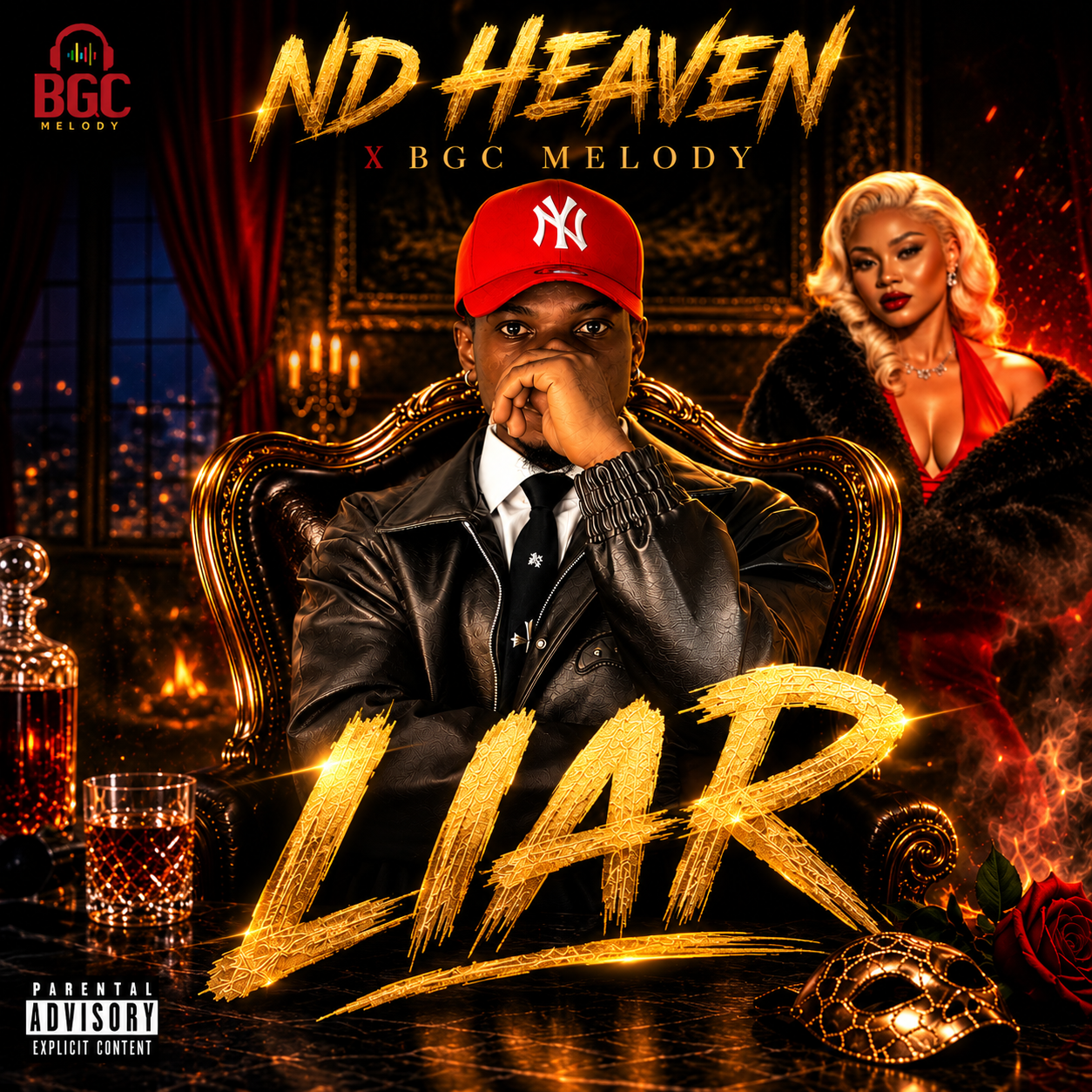
African Artist Launch Case Study for New Releases

A strong debut is not just a song upload. This African artist launch case study follows a realistic release path for an emerging Afrobeats artist with a polished single, a limited budget, and a clear ambition: build attention in the diaspora without losing the local identity that makes the music stand out.
The artist, called Naya for this illustrative case, had the vocal ability, the record, and a small but committed social following. What she did not have was a launch system. Her first release had gone live quietly and disappeared just as quickly. The next single needed to arrive as a campaign, with enough visual energy and media support to give fans, DJs, bloggers, and new listeners a reason to pay attention.
The Starting Point: Good Music Needed a Market Position
Naya’s new track was an upbeat Afropop record built around a memorable chorus, dance-ready percussion, and lyrics that moved between English and her home language. The strongest mistake would have been trying to sell it as music for everyone. A launch becomes weak when an artist has no clear first audience.
The campaign positioned Naya as a diaspora-ready Afropop voice with a sound rooted in Central African rhythm and contemporary club energy. That message gave every asset a job. The cover art, artist bio, video treatment, press pitch, and social captions all reinforced the same idea: this was not a random upload. It was the introduction of an artist with a recognizable lane.
Before choosing a release date, the team checked whether the artist had enough material to support attention after release day. She had one single, a performance clip, behind-the-scenes footage, professional photos, and a short artist story. That was enough to create a focused campaign. It would not have been enough for a three-month rollout, and pretending otherwise would have stretched the audience thin.
African Artist Launch Case Study: The 30-Day Rollout
The release was organized across 30 days, split into preparation, launch, and follow-through. The goal was not to chase vanity numbers. The goal was to create repeated points of discovery, then convert curiosity into streams, video views, follows, and bookings.
Days 1-10: Build the release package
The first ten days centered on readiness. The final master was delivered early enough for digital distribution, while the cover art was sized for platforms, press use, and social posts. The artist profile was updated with a short, credible biography that named her sound, background, and new release without overloading readers with generic claims.
A key asset was the electronic press package. It included high-resolution images, a concise artist bio, release details, a clean streaming call to action, and a one-paragraph story angle for media. For Naya, that angle was her ability to connect a Central African musical identity with the energy of diaspora nightlife. That is more useful to a journalist or radio producer than saying the song is simply “the next big hit.”
The visual strategy stayed practical. Rather than spend the entire budget on a cinematic music video that would arrive weeks late, the team created a sharp performance-led video, vertical teaser edits, and a dance-focused clip for mobile audiences. The trade-off mattered. A bigger production can raise perceived value, but speed and volume often matter more for a first launch when an artist needs content that travels across several channels.
Days 11-20: Create anticipation without exhausting fans
Teasers began ten days before release. Each post had a distinct purpose: one introduced the sound, another showed Naya on camera, another highlighted the hook, and another invited fans to choose their favorite lyric. The campaign did not post the same 15-second snippet every day. Repetition helps recognition, but lazy repetition makes an audience scroll past.
At the same time, targeted outreach began. Music writers, African entertainment outlets, community radio hosts, DJs, playlist curators, and culture pages received tailored messages. The outreach did not ask everyone for the same favor. A radio host was offered a clean radio edit and artist interview availability. A video platform received the official visual. A culture page received a concise story and a high-energy clip suitable for reposting.
Naya also recorded personal video messages for a small group of DJs and tastemakers. This took longer than sending a bulk email, but it made the request feel human. For an emerging artist, relationships are often more valuable than a large, untargeted contact list.
Release Week: Give listeners more than one way in
On release day, the single, visual content, and press announcement appeared together. Fans who discovered the track through a video had a direct route to listen. People who read about Naya had a clear reason to watch. DJs had the music and basic information required to consider it for rotation.
The artist went live that evening for a brief listening session and Q&A. It was not a highly produced virtual concert. It was direct, energetic, and built around participation. She explained the inspiration behind the song, performed a verse, acknowledged early supporters, and asked viewers to create clips using the chorus. That last prompt mattered because fan content works best when it feels like an invitation, not a demand.
Paid promotion was used selectively. Instead of boosting every post, budget went behind the strongest video asset and targeted audiences with demonstrated interest in Afrobeats, African pop, dance content, and diaspora culture in priority cities. This approach does not guarantee streams, and it cannot rescue a song that fails to connect. It can, however, put a compelling record in front of people who are more likely to respond.
What the Campaign Measured
The team watched more than total plays. Streams are useful, but they do not show the full health of a launch. The reporting tracked video completion, saves, shares, profile visits, follower growth, radio responses, media pickups, and direct inquiries for shows or collaborations.
The most encouraging signal was not the largest view count. It was the pattern of activity: people were saving the song, commenting with favorite lyrics, and returning to Naya’s profile after seeing short-form clips. A community radio interview produced fewer immediate streams than the paid video, but it led to local event interest. That is the kind of result that can shape an artist’s next move.
Not every tactic performed equally. A polished photo carousel received light engagement, while raw rehearsal footage earned stronger comments and shares. The lesson was not that professional visuals are unnecessary. It was that fans needed to see both the finished artist and the person behind the record.
The Work After Release Day
A launch often loses power when the artist stops posting after the first weekend. Naya’s team used the following weeks to extend the story. They released a stripped performance clip, shared fan dance videos, reposted radio support, and offered a short interview focused on her creative background rather than repeating the same release announcement.
The next release was also planned early. This is where artist development becomes more than promotion. If a new listener likes one song, there should be a credible next step: another single, a live performance, a collaboration, or a visual series. Momentum is easier to keep than rebuild.
For artists working across Africa and the diaspora, timing and territory should stay flexible. A radio-first campaign may be right for one market, while video-first storytelling may perform better in another. An artist with strong local community support might prioritize live events. An artist with a highly visual identity may put more resources into performance content. The strategy should serve the record and the audience, not follow a fixed formula.
BGC Melody approaches artist launches as connected campaigns across music, visual media, publicity, radio, and representation. The practical lesson is simple: give a strong song a clear identity, enough content to travel, and a team that keeps working after the first play. When the next release is already taking shape, attention has somewhere meaningful to go.
Latest Movie
The Princess, The Prince Reality TV Show
Cindy MbandoContestant Number: Princess 07To vote for her, send momo to 652473399 and write PSS 07 as REFERENCE.NOTE: 1 vote is 100FCFA, and it is through the momo number given above. You can vote as many times as you can. Remember, momo vote is 70%.Also like, comment, and share this video as many times as possible to maximize her chances.The Princess, The Prince Reality TV Show.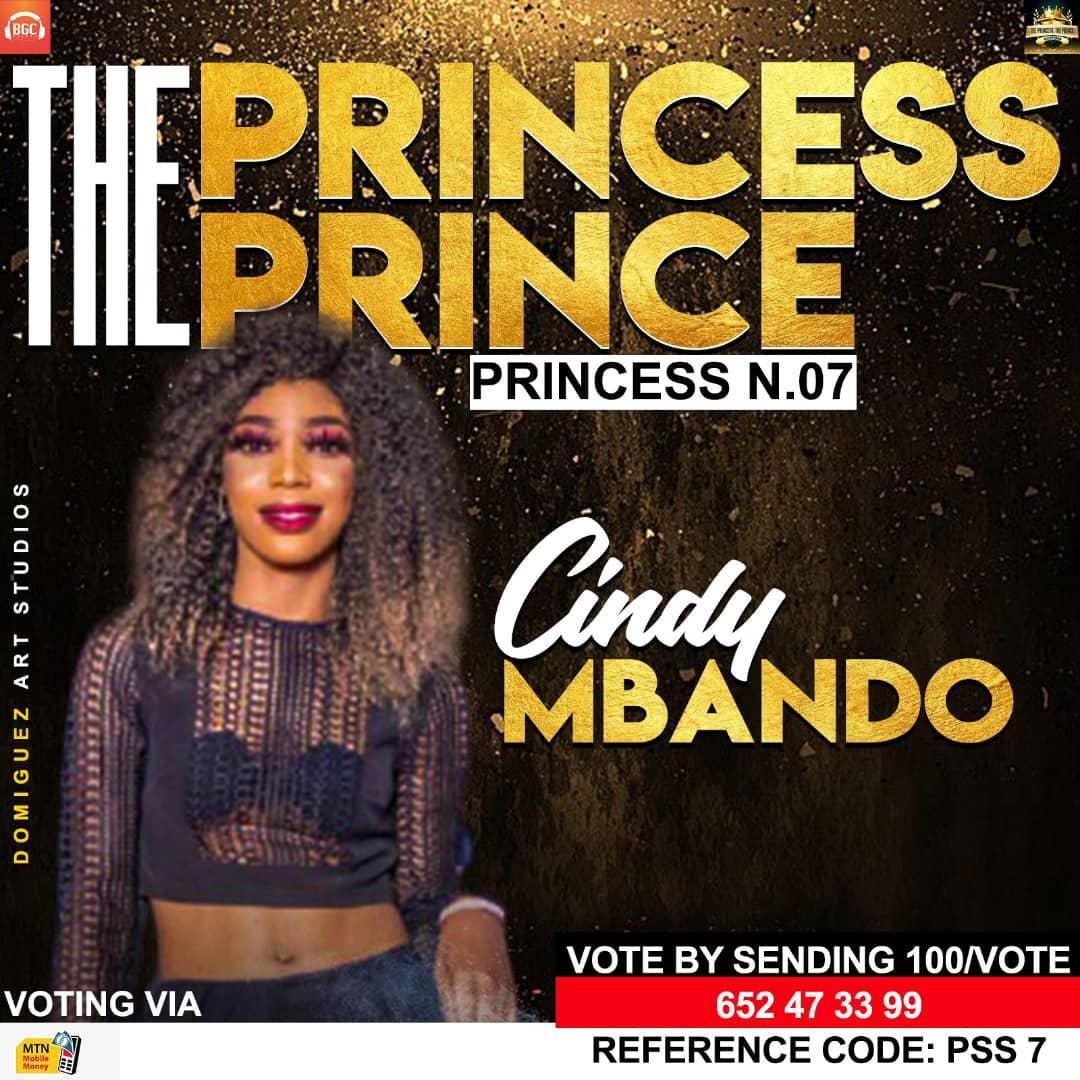
Cindy
-
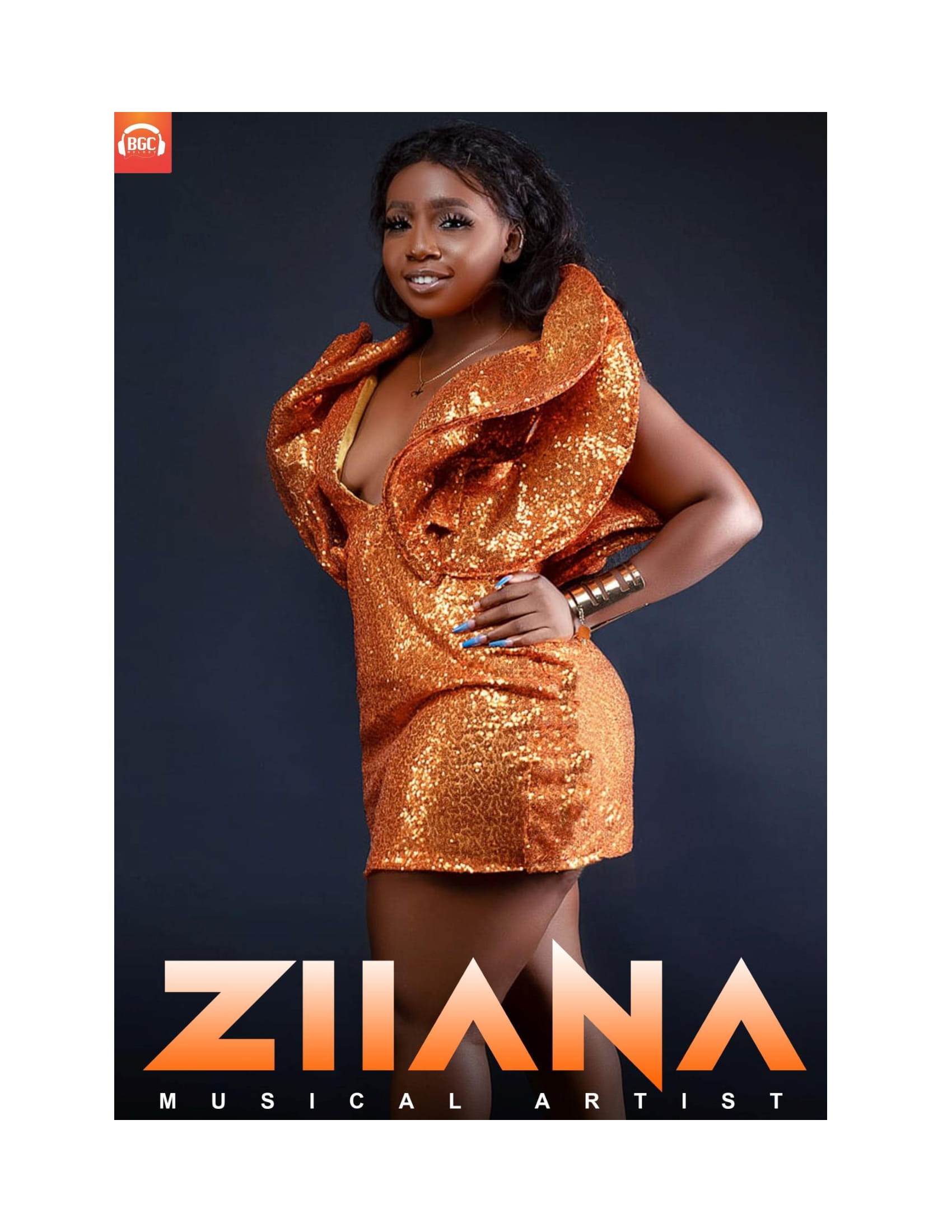
Ziiana
-
Cameroonian artist Tasa
-

Comments
This post currently has no comments.