
A&R Services for Independent Artists That Build Careers

A great song can earn a first listen. A clear artist strategy gives people a reason to come back. That is where A&R services for independent artists make a real difference – not by changing an artist into someone else, but by helping strong talent make sharper creative and business decisions before the release cycle starts.
For African and diaspora artists working across Afrobeats, rap, Afro-pop, R&B, dance music, and global fusion, the challenge is rarely just making music. The challenge is deciding which record should lead, what story the release tells, how the visuals support it, and where the music needs to travel next. Independent artists have more control than ever, but control also means carrying more decisions.
What A&R Really Means for Independent Artists
A&R stands for Artists and Repertoire. Traditionally, an A&R professional found talent, helped shape recordings, selected songs for projects, and connected artists with producers, writers, labels, and commercial opportunities. For an independent artist, that role becomes more flexible and more hands-on.
Good A&R is not a person telling an artist to chase every trend. It is informed creative direction. It looks at the songs, the voice, the audience response, the artist’s long-term position, and the realities of the market. Then it helps turn raw potential into a release plan people can understand.
That can mean identifying the strongest single from six finished songs. It can mean realizing that a great club record needs a cleaner radio edit, or that the strongest part of a visual concept is the artist’s personality rather than an expensive location. It can also mean advising an artist to wait. Releasing music constantly without a clear message can make a promising catalog harder to follow.
For independent talent, A&R should protect the artist’s identity while raising the standard of every decision around it.
A&R Services for Independent Artists Start Before Release Day
Many artists look for support after the record is already out and the momentum is slow. By then, some opportunities may have been missed. The best time to bring in A&R support is while the release can still be shaped.
Song selection is a positioning decision
The song an artist loves most is not always the song that introduces them best. A lead single needs more than a memorable hook. It should quickly communicate the artist’s sound, confidence, point of view, and audience lane.
An A&R conversation may compare a highly personal record with a more immediate record. Neither choice is automatically right. If the artist is building a loyal core audience, the personal song may create deeper connection. If the goal is to open doors with DJs, playlists, short-form video creators, and new listeners, the more immediate track may be the smarter first move.
The point is not to make every artist sound the same. It is to make the first impression intentional.
Production feedback should serve the record
Independent artists often work with limited recording time and tight budgets. That makes focused feedback valuable. A record may not need to be rebuilt. It may need a clearer vocal, a stronger intro, a more defined bass line, a shorter second verse, or a hook that arrives earlier.
This is where experienced ears matter. A&R feedback should be specific enough to act on: what is working, what distracts from the song, and what can be improved without removing its character. Vague advice such as “make it bigger” wastes studio time. Clear direction helps an artist spend where it counts.
Repertoire creates a career, not just a moment
One strong track can create attention. A coherent catalog creates leverage. Artists need to know what comes after the debut single, the video premiere, or the first radio interview.
A&R helps build that runway. It considers whether the next release should expand the sound, deepen the story, feature another artist, or give the current song more time to grow. The right answer depends on the artist’s resources, audience behavior, and the strength of the material. There is no universal release calendar that works for every act.
The Creative Direction Must Meet the Market
A song can be culturally powerful and commercially ready at the same time. In fact, the best artist development often comes from understanding exactly what makes a performer distinct – language, rhythm, fashion, regional influence, vocal tone, or lived experience – and presenting it with professional consistency.
For an artist moving between African markets, the United States, Europe, and diaspora communities, that consistency matters. A listener in Arlington, Atlanta, Berlin, Yaoundé, or Kinshasa may discover the same release through different channels, but they should meet the same artist world. The cover art, video, press description, performance clips, and social content should all feel connected.
That does not require a massive campaign. It requires a clear creative center. A&R can help define that center before marketing begins, so the promotional team is not trying to invent a story after the music is already live.
How A&R Connects to Promotion and Visibility
A&R without a release path can become an endless cycle of revisions. Promotion without A&R can become noise around the wrong record. Independent artists get better results when the creative and commercial sides speak to each other.
Once a lead record is selected, the team can build practical assets around it: a release description that says something real, press-ready photos, video concepts, performance content, a radio approach, and short clips that highlight the most recognizable moment in the track. Each asset should reinforce the song rather than compete with it.
This integrated approach is especially useful when an artist needs more than streams. A professionally managed release can support bookings, interviews, brand conversations, collaborations, and talent representation. BGC Melody works in that space by connecting artist development with digital promotion, visual content, publicity, and cross-border entertainment visibility.
Still, artists should be realistic about what promotion can do. No campaign can force a weak song into a lasting audience relationship. At the same time, a strong song with no plan can disappear quickly. The work is in matching the right record to the right message, audience, and timing.
What Artists Should Expect From a Useful A&R Relationship
A productive A&R relationship is collaborative, direct, and built around measurable next steps. The artist should receive honest feedback, not empty praise. They should understand why a track was selected, what needs attention before release, and what the next phase looks like.
The relationship should also respect ownership and boundaries. Independent artists need clarity about who controls masters, publishing, creative approvals, release dates, budgets, and revenue splits. A&R guidance can be valuable without requiring an artist to surrender every decision.
Before agreeing to work with an A&R team or manager, ask practical questions. What is their process for reviewing music? Do they offer feedback on songwriting, production, and sequencing? How do they connect A&R decisions to marketing and media? What is included in the service, and what requires a separate budget? Clear answers prevent confusion when the release pressure starts.
Be cautious of anyone promising guaranteed streams, instant stardom, or major-label results without examining the music and artist profile. Real development takes judgment, repetition, and patience. The goal is not just a high number for one week. The goal is stronger records, a recognizable identity, and better opportunities over time.
When A&R Support Makes the Most Sense
A&R support is particularly valuable when an artist has several completed tracks but cannot decide what to release, is changing sound or image, is preparing a debut EP, or is getting attention without a plan for the next move. It can also help established independent artists who have outgrown informal feedback from friends and need a professional perspective.
It may be less urgent when an artist is still learning the basics of recording, songwriting, or live performance. In that stage, consistent practice and affordable studio development may offer more value than a major campaign. But even early-stage artists can benefit from a focused song review and a realistic assessment of their direction.
The best investment depends on the artist’s current gap. Some need better music. Some need stronger visuals. Some need an audience strategy. Some have all three but need someone to organize them into a release that moves with purpose.
Build the Record Before You Ask the World to Hear It
Independent music moves fast, but a rushed release can cost more than a delayed one. Give your best songs the attention they deserve. Test the record, refine the presentation, identify the audience, and make sure the campaign reflects the artist you want listeners to remember.
The right A&R support does not replace your vision. It gives that vision structure, sharper choices, and a better chance to travel beyond your immediate circle. When the music is ready, make the release feel like a statement – then give people every reason to press play, watch the video, and stay for what comes next.
Latest Movie

The Princess, The Prince Reality TV Show
Cindy MbandoContestant Number: Princess 07To vote for her, send momo to 652473399 and write PSS 07 as REFERENCE.NOTE: 1 vote is 100FCFA, and it is through the momo number given above. You can vote as many times as you can. Remember, momo vote is 70%.Also like, comment, and share this video as many times as possible to maximize her chances.The Princess, The Prince Reality TV Show.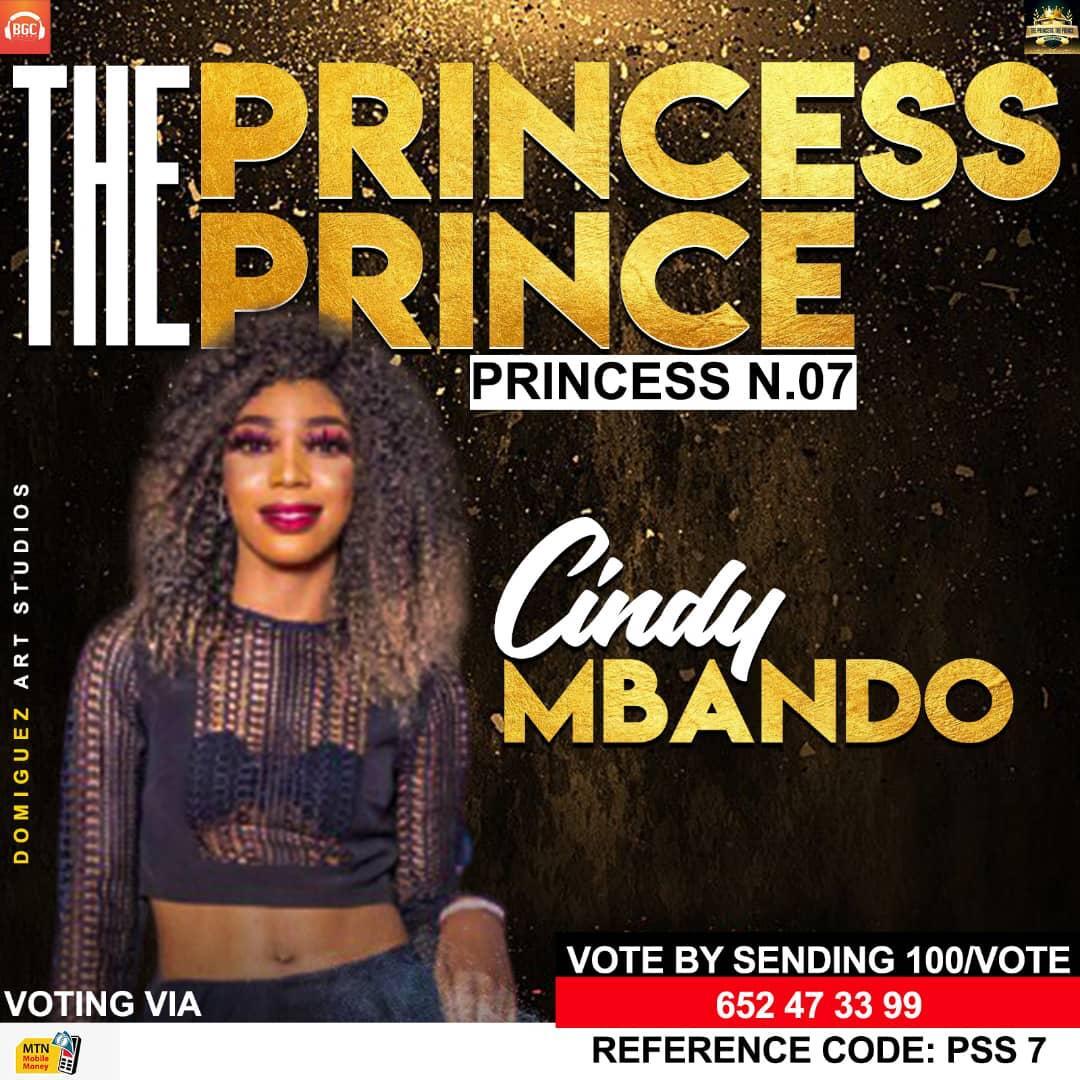
Cindy
-
Ziiana
-
Cameroonian artist Tasa
-








Comments
This post currently has no comments.