
A&R Consultant Versus Manager: Who Do You Need?

A strong record can bring attention overnight. Keeping that attention, turning it into a release plan, and building a career around it takes a different kind of team. The A&R consultant versus manager question matters because these roles can sit close to the artist, but they solve very different problems. Choosing the wrong one can leave an artist with polished songs and no direction, or plenty of bookings with no clear musical identity.
For African and diaspora artists working across cities, countries, and audiences, clarity is even more valuable. A song may be ready for Lagos club DJs, Cameroonian radio, a Washington, DC audience, and global streaming listeners at the same time. That opportunity needs creative focus and business coordination. One person may not be the right answer for both.
A&R Consultant Versus Manager: The Core Difference
An A&R consultant is primarily focused on the music and the market fit of that music. A manager is primarily focused on the artist’s career, opportunities, relationships, and long-term decisions. The distinction sounds simple, but it affects who has a say in your single selection, release schedule, studio budget, media run, performance strategy, and commercial partnerships.
A good A&R consultant asks hard creative questions. Is the hook memorable on first listen? Does the beat support the artist’s voice? Which record should lead the EP? Is the collaboration adding audience value or simply adding another name? They help shape a body of work that can compete in a crowded release cycle.
A manager asks a different set of questions. Is this release helping the artist reach a bigger goal? Does the proposed deal make business sense? Is the artist being paid fairly for a show? Who needs to be in the room for the next meeting? They protect time, organize priorities, and help turn momentum into a sustainable path.
Neither role is automatically more important. An artist with a great live following but inconsistent music may need A&R guidance first. An artist whose songs are gaining streams but who keeps missing deadlines, accepting weak offers, or operating without a plan may need management more urgently.
What an A&R Consultant Actually Does
A&R means artists and repertoire. In practical terms, an A&R consultant helps an artist make better records and make smarter decisions about what to release. Unlike an old-fashioned label executive who simply selects talent for a company roster, an independent consultant may work project by project, during a specific EP campaign, or at a key development stage.
Their contribution often begins before recording is complete. They can help define the direction of a project, identify producers and songwriters, review demos, and push an artist beyond the first version of a song. For an Afrobeats singer, that may mean finding the balance between a familiar rhythmic foundation and a vocal melody that creates a signature. For a rapper, it may mean sequencing records so the project has a point of view rather than sounding like a folder of singles.
A&R also has a market awareness function. The consultant should understand what is moving in the artist’s scene without forcing the artist to chase every trend. There is a difference between making music that is current and making music that expires when the trend changes. Strong A&R protects the artist’s identity while improving the record’s chances of connecting.
An A&R consultant can also support release readiness. They may recommend the strongest single, flag a weak feature, suggest a radio edit, or advise when a music video should be paired with a track. But they are not automatically responsible for securing interviews, negotiating appearance fees, collecting payments, or managing daily communication. Those are management responsibilities unless the agreement clearly says otherwise.
What a Manager Brings to an Artist Career
A manager is the artist’s strategic operator. The best managers see the career as a connected system: music, image, performances, fan growth, partnerships, press, finances, and personal capacity. They help decide what to pursue, what to decline, and what must happen before the next level is realistic.
This role is usually broader and longer term than consulting. A manager may coordinate the rollout of a new single with publicists, DJs, content teams, promoters, and distribution partners. They may negotiate terms with a venue, make sure a brand request does not damage the artist’s image, and keep the artist focused when five attractive opportunities arrive at once.
Management is especially valuable when an artist is building across borders. A diaspora performer may have a festival opportunity in one market, radio support in another, and a collaboration offer from a third. Without a manager or a properly organized management structure, those pieces can become scattered activity instead of a deliberate expansion plan.
A manager should not be confused with an assistant. An assistant handles tasks. A manager helps make decisions, builds relationships, and is expected to understand the business consequences of those decisions. At the same time, a manager should not control every creative choice. If a manager starts selecting songs without creative insight or trying to reshape an artist solely for quick commercial gain, the relationship can become damaging.
When an Artist Needs One, the Other, or Both
Early-stage artists often benefit from targeted A&R consulting before they need full management. If you are still learning your sound, recording uneven material, or unsure which songs deserve investment, a focused creative consultation can prevent expensive mistakes. It is often easier to market a strong three-song package than a ten-track project with no clear lead record.
An artist may be ready for management when activity has become difficult to control alone. That can look like recurring performance requests, consistent streaming growth, media interest, growing team needs, or deals that require negotiation. Management makes sense when there is enough opportunity to manage and enough potential income to support a professional arrangement.
Some artists need both roles, but not necessarily at the same time or under the same contract. An A&R consultant can guide the creative product for a defined period while a manager handles the wider career. This setup works well when the artist wants specialized musical feedback without giving one person authority over every part of the business.
BGC Melody’s integrated approach reflects why these roles must work together. A record needs development, but it also needs a release pathway that can include digital promotion, visual content, press visibility, radio outreach, and professional representation. A campaign is strongest when the music and the business strategy are speaking to each other.
Questions to Ask Before You Sign
Titles are easy to claim. Deliverables, experience, communication, and contract terms reveal whether the relationship is useful. Before agreeing to work with an A&R consultant or manager, ask direct questions about the work.
- What specific results or services are included in this agreement?
- How long is the commitment, and how can either side end it?
- What percentage, fee, expenses, or commission will be paid?
- Who has final approval over songs, deals, branding, and release dates?
- Which artists, producers, media contacts, or commercial partners can this person realistically connect me with?
Pay close attention to ownership and authority. A consultant may deserve a project fee or a clearly defined credit, but that does not automatically justify ownership of masters or publishing. A manager may earn commission on income they help build, but the scope should be clear. Avoid vague language that gives someone permanent control over every future opportunity because they attended a few studio sessions.
Also ask how success will be measured. For A&R, success might include a stronger single, better project sequencing, improved recording choices, or introductions to suitable collaborators. For management, it might include a calendar of opportunities, better deal terms, organized releases, revenue growth, and a credible positioning plan. Not every result happens immediately, but both parties should understand what progress looks like.
Build the Team Around the Stage You Are In
There is no prize for hiring the biggest-looking team before your foundation is ready. A developing artist may need honest A&R ears, a reliable producer, and a disciplined release plan more than a manager. A fast-rising artist with real demand may need management before the opportunities become too complex to handle alone.
The best choice is the person who can solve your next serious problem without taking ownership of your entire future. Make the music worth hearing, make the business worth respecting, and give each professional a role clear enough to deliver real value.
Latest Movie

The Princess, The Prince Reality TV Show
Cindy MbandoContestant Number: Princess 07To vote for her, send momo to 652473399 and write PSS 07 as REFERENCE.NOTE: 1 vote is 100FCFA, and it is through the momo number given above. You can vote as many times as you can. Remember, momo vote is 70%.Also like, comment, and share this video as many times as possible to maximize her chances.The Princess, The Prince Reality TV Show.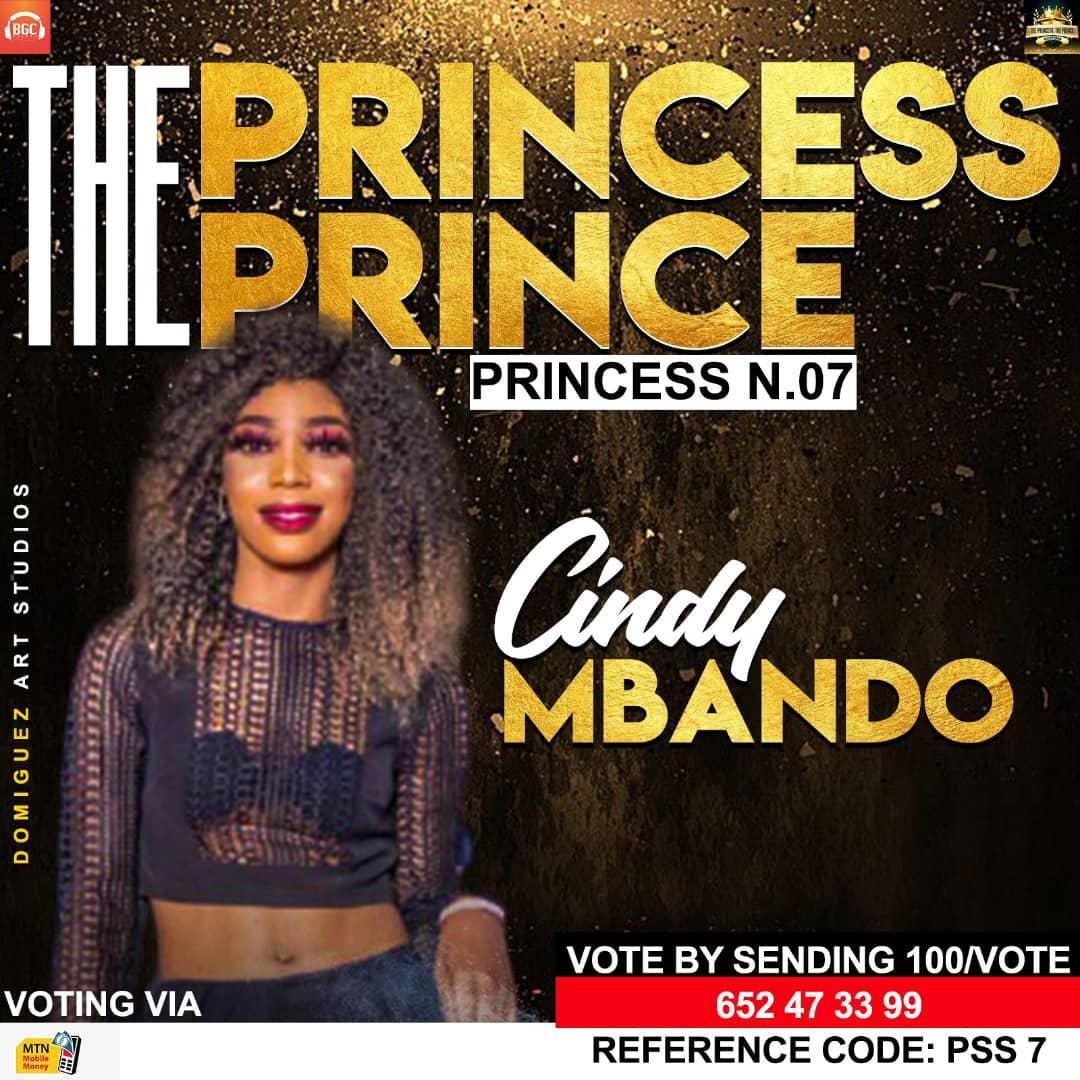
Cindy
-
Ziiana
-
Cameroonian artist Tasa
-









Comments
This post currently has no comments.