
Artist Management Review: What Talent Should Expect

A song can travel from Yaounde to Arlington, London, Lagos, Atlanta, and beyond in a weekend. The harder question is whether the artist behind that song has a team built to turn attention into a career. An artist management review is not about judging a manager by their contacts, promises, or social media presence. It is about measuring whether the relationship is creating real momentum for the artist’s music, image, income, and long-term position.
For African and diaspora talent, that review can be especially revealing. A manager may understand the sound but lack international release discipline. Another may secure interviews but have no system for converting press into streams, bookings, brand opportunities, or a stronger fan base. Great management connects the creative story to the commercial plan.
What an Artist Management Review Should Examine
Management is a working partnership, not a title someone adds to their bio. The review should look at what has happened across a defined period – usually the last three, six, or 12 months – and compare activity with the goals both sides agreed to pursue.
Start with the artist’s direction. Is there a clear identity around the music? Does the team know whether the next move is a single, EP, video, live run, media campaign, collaboration, or brand-building moment? An artist can be busy every week and still move nowhere if every decision is reactive.
Then examine execution. Were release dates planned early enough for artwork, metadata, distribution, video edits, press outreach, radio servicing, content creation, and fan communication? Did the team build anticipation before the release, then keep the record alive after launch day? A manager should not simply announce a record after it is available. They should help create the conditions for people to care when it arrives.
A useful review also separates effort from outcomes. A campaign can include quality work and still underperform because the song, timing, budget, audience targeting, or creative angle was wrong. That does not automatically make the manager ineffective. What matters is whether the team can explain the result honestly, learn quickly, and adjust the next campaign.
The Real Work Behind Artist Management
A serious manager protects the artist’s attention. That means organizing priorities, filtering low-value opportunities, maintaining calendars, following up with partners, and making sure the artist is prepared when visibility arrives. If an interview, showcase, casting call, or label meeting appears, the artist should not be scrambling for a press photo, bio, performance file, or business answer.
The role also requires commercial judgment. Management should help the artist understand how money moves through streaming, downloads, live appearances, publishing, features, sync, endorsements, merchandise, and licensing. Not every artist needs every income stream at once. A developing act may need to invest first in a strong catalog and visible content. A performer with a growing live audience may need a better booking strategy before chasing brand partnerships.
Deal guidance is another core responsibility. A manager does not replace an entertainment attorney, accountant, or qualified business adviser. Still, the manager should recognize when a proposal needs legal review, when a fee is too low, when usage rights are too broad, or when a contract could limit future opportunities. Silence around paperwork is not professional management.
For talent working between Africa and the diaspora, cross-border awareness matters. Release schedules, media tastes, payment systems, event markets, travel logistics, language, and fan behavior may differ widely. A manager should not treat every territory as a copy-and-paste campaign. The core artist brand can stay consistent while messaging, partnerships, and promotional tactics change by market.
Questions Artists Should Ask Their Management Team
The strongest questions are specific enough to produce useful answers. Instead of asking, “What are you doing for me?” ask what the next 90 days are designed to achieve. The answer should connect activity to a target: more saves, more press, a stronger EPK, a booked showcase, a radio push, a video premiere, an introduction to a producer, or a better negotiating position.
Ask how the manager measures progress. Vanity numbers can look impressive without building a career. A viral clip matters if it brings listeners into the catalog, grows a community, sells tickets, or creates credible industry interest. If it disappears after 48 hours with no follow-up plan, it is exposure without infrastructure.
Ask who owns each task. Confusion is common when artists have managers, publicists, distributors, content editors, producers, and booking contacts. A good manager coordinates the work and makes responsibilities visible. The artist should know who is handling media outreach, radio, digital assets, release delivery, live inquiries, and financial records.
Finally, ask what the manager needs from the artist. Management fails when the artist misses deadlines, delivers incomplete assets, changes creative direction every week, or avoids communication. Accountability works both ways. The artist brings the work, discipline, and openness to develop. The manager brings structure, advocacy, planning, and access earned through professional relationships.
Signs the Relationship Needs Attention
Not every difficult season means it is time to end a management deal. Music careers move in cycles, and a thoughtful team may decide to slow down, rebuild the catalog, improve the live show, or wait for stronger material. But repeated patterns should not be ignored.
Be concerned when there is no written plan, no regular communication, no reporting on money or campaign activity, and no clear explanation of what happens next. Be concerned when a manager claims credit for every win but disappears when a release misses its target. It is also a warning sign if the manager pressures the artist to sign documents quickly, accept unfair splits, or spend money without a transparent budget.
A lack of industry relationships is not always fatal. Emerging managers can be hardworking, strategic, and deeply committed. But they must be honest about their network and compensate with preparation, persistence, and partnerships. The problem is not starting small. The problem is selling influence that does not exist.
Reviewing the Contract, Not Just the Chemistry
Personal chemistry helps, especially when the artist and manager are building through uncertain stages. It cannot carry a weak agreement. The management contract should make practical business terms clear: the length of the term, commission percentage, what income is commissionable, expense approval, accounting frequency, post-term commissions, exit options, and authority to act for the artist.
Pay particular attention to expenses. Promotional spending can be necessary, but the artist should understand whether costs are recoupable, who approves them, and what proof will be provided. A manager who asks an artist to fund campaigns should be able to show a realistic purpose, budget, and expected deliverables.
Artists should also avoid treating a contract as a test of loyalty. Asking questions is not disrespect. It is how both sides prevent resentment later. Before signing or renewing, have a qualified entertainment attorney review the document. That step can protect the relationship as much as it protects the artist.
Building a Better Management Rhythm
The best management teams create a rhythm that keeps creativity and business moving together. A monthly meeting can review release timelines, content needs, opportunities, finances, audience growth, and obstacles. A quarterly review can look at bigger questions: Is the artist’s sound developing? Which market is responding? What is worth funding? What should stop?
At BGC Melody, integrated artist support matters because a campaign rarely succeeds through one service alone. Music distribution, video visibility, press, radio outreach, talent representation, and event opportunities work better when they are planned as connected parts of one artist story.
The goal is not to make every month look dramatic. The goal is to make each move count. A strong management relationship gives an artist more than introductions and encouragement. It gives the music a plan, the brand a direction, and the career a team ready to act when the right record begins to move.
Latest Movie

The Princess, The Prince Reality TV Show
Cindy MbandoContestant Number: Princess 07To vote for her, send momo to 652473399 and write PSS 07 as REFERENCE.NOTE: 1 vote is 100FCFA, and it is through the momo number given above. You can vote as many times as you can. Remember, momo vote is 70%.Also like, comment, and share this video as many times as possible to maximize her chances.The Princess, The Prince Reality TV Show.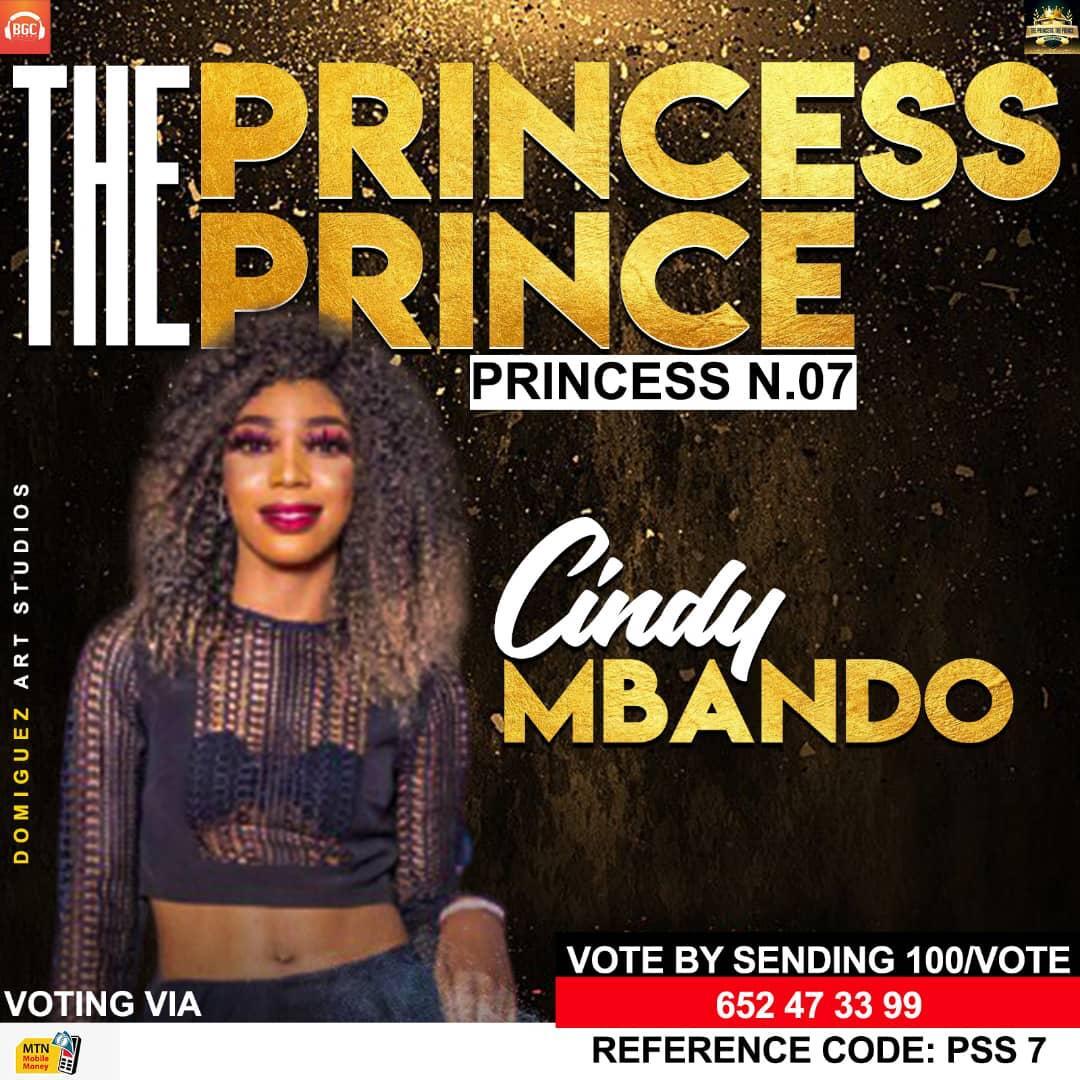
Cindy
-
Ziiana
-
Cameroonian artist Tasa
-









Comments
This post currently has no comments.