Music Publishing: Build Value Beyond the Stream

A record can light up playlists, radio shows, dance floors, and social feeds in a single week. But if the song itself is not properly registered, split, and administered, the money attached to that momentum can disappear into a maze of databases and unclaimed royalties. Music publishing is the business of making sure the people who create a composition are recognized and paid whenever that composition earns.
For African and diaspora artists building audiences across multiple territories, this is not background paperwork. It is part of the release strategy. A Cameroonian artist recording in Germany, collaborating with a producer in Lagos, and gaining listeners in the United States may create royalty activity in several markets at once. The song needs a business structure strong enough to travel with it.
What Music Publishing Actually Covers
Music publishing relates to the composition: the lyrics, melody, chord progression, and musical structure of a song. It does not refer to the specific sound recording, often called the master. Those are two separate rights, even when one independent artist owns both.
If an artist writes and records an original Afrobeats single, the artist may own a share of the composition and the master recording. When a listener streams the track, income can flow from the master side and the publishing side. When another artist covers the song, performs it live, uses it in a film, or samples part of its melody, the composition remains central to the transaction.
That distinction matters because artists often distribute a master without handling the publishing side with equal care. Digital distribution puts music on stores and streaming platforms. Publishing administration helps identify, register, license, and collect income from the underlying song.
The Royalties Behind a Song
A composition can generate several kinds of publishing income. Performance royalties are earned when a song is played publicly, including on radio, television, certain digital services, in venues, and during live performances. Mechanical royalties are tied to reproductions of a composition, such as streams, downloads, physical releases, and certain other uses.
Synchronization income enters the picture when music is used with visual content. A placement in a film, streaming series, commercial, trailer, game, or branded social campaign can create a meaningful opportunity for an artist with a clear rights position. For artists making music videos and building visual identities, sync readiness should be considered early, not only after a song becomes popular.
There are also print-related uses, lyric uses, samples, and international collections. The exact income path depends on where the music is used, who controls the rights, and whether the data has been registered correctly. This is why a strong catalog is more than a folder of finished songs. It is organized intellectual property.
Start With Splits Before the Release Gets Loud
The best time to discuss ownership is when the song is being made, not after it reaches 100,000 streams. A split sheet records who contributed to the composition and what percentage each writer owns. It can be simple, but it should be clear, agreed upon, dated, and signed by everyone involved.
A vocalist who writes lyrics, a producer who creates a melodic hook, and a songwriter who shapes the chorus may all have composition claims. Not every beatmaker automatically owns publishing, and not every performer automatically owns a writing share. The answer depends on the actual creative contribution and the agreement between the parties.
Do not confuse fairness with vagueness. A producer may deserve a percentage, an upfront fee, or both. A featured artist may be a writer on the record or may only be performing. Those details should be addressed directly. Ambiguity feels harmless in a late-night studio session, but it becomes expensive once a record gets attention.
For collaborations across Africa, Europe, and North America, write names exactly as they appear in professional records. Confirm legal names, stage names, contact details, publishing affiliations, and ownership percentages. Small inconsistencies can delay registrations and make claims harder to resolve later.
Register the Song, Not Just the Release
Once the split is finalized, the composition should be registered through the appropriate publishing and performing-rights channels. Artists also need to ensure their sound recording metadata is complete. Song title, writer names, performer names, producer credits, release date, identifiers, and ownership information should match across all platforms and registrations.
Metadata may not feel as exciting as a video premiere or radio interview, but it is commercial infrastructure. If the title is spelled one way in a distributor dashboard and another way in a rights database, royalty matching can become more difficult. The larger the catalog grows, the more these small errors compound.
Independent artists can handle basic publishing administration themselves, especially in the early stage. That approach offers direct control and may save costs, but it demands consistency, research, and follow-up. Working with a publishing administrator, manager, or experienced rights team can reduce administrative pressure and improve collection reach. The trade-off is that administration comes with fees or a share of collected income, so artists should understand the agreement before signing.
Keep Control of What You Can License
A publishing deal is not one thing. Some agreements are administration-focused: the writer keeps ownership while another party handles registration, collection, and licensing support. Other deals involve assigning part or all of the copyright for a defined period or permanently. A co-publishing deal may split ownership and income between the writer and publisher.
There is no universal best option. An emerging artist with a small but active catalog may prioritize administration and flexibility. A songwriter with proven commercial demand may consider a larger deal if the partner brings real sync access, advances, creative pitching, or international infrastructure. The key question is not simply, “What advance is available?” It is, “What rights am I giving up, for how long, and what practical work will this partner do for the songs?”
Read clauses covering term length, territory, recoupment, audit rights, approval rights, and reversion of ownership. If a company claims it can place music in film or advertising, ask how it pitches, what type of catalog it represents, and whether it has a real record of completed licenses. Promises are not publishing services. Registration, reporting, licensing relationships, and transparent accounting are.
Build Songs That Can Travel
Great publishing begins with great songwriting, but commercially useful songs also need usable records. Clean versions, instrumentals, acapellas, lyric sheets, and accurate credits make a catalog easier to pitch for media opportunities. If a brand likes the chorus but cannot use explicit lyrics, a clean version can keep a possible placement alive.
This does not mean every African record should be shaped to sound generic or designed around a commercial brief. Cultural specificity is often the reason a song stands out. A multilingual hook, a familiar rhythm, a local story, or a distinct vocal texture can make a record memorable in a crowded global market. The goal is to package that identity professionally, not dilute it.
Artists should also be cautious with uncleared samples. A sample may add flavor to a record, but it can block distribution, delay licensing, or create claims if the original composition and master rights were not cleared. Replaying a musical idea does not automatically remove the need for clearance either. When in doubt, get professional advice before the release campaign begins.
Make Publishing Part of Artist Development
A release plan should include more than cover art, distribution, press outreach, and social content. It should also include a rights checklist. Confirm splits. Collect writer details. Register compositions. Organize masters and alternative versions. Save agreements. Track where songs are being used. These steps protect the value created by every marketing dollar and every fan interaction.
For a growing artist, publishing can become a long-term foundation beneath the visible momentum. A viral moment may pass, but a well-managed song can continue earning from radio, live performance, streaming, sync, and future adaptations. That matters especially for artists who are not only chasing one hit, but building a catalog that can support a career.
BGC Melody approaches artist development as connected work: the release, the video, the media conversation, the audience campaign, and the rights behind the music all need to move together. A record deserves to be heard. The people who wrote it deserve to be found, credited, and paid when that sound reaches the world.
Before your next release goes live, give the song one more serious listen – not through the speakers, but through the lens of ownership. If the credits, splits, and registrations are in place, every new play has a better chance of becoming part of your future.
Latest Movie
The Princess, The Prince Reality TV Show
Cindy MbandoContestant Number: Princess 07To vote for her, send momo to 652473399 and write PSS 07 as REFERENCE.NOTE: 1 vote is 100FCFA, and it is through the momo number given above. You can vote as many times as you can. Remember, momo vote is 70%.Also like, comment, and share this video as many times as possible to maximize her chances.The Princess, The Prince Reality TV Show.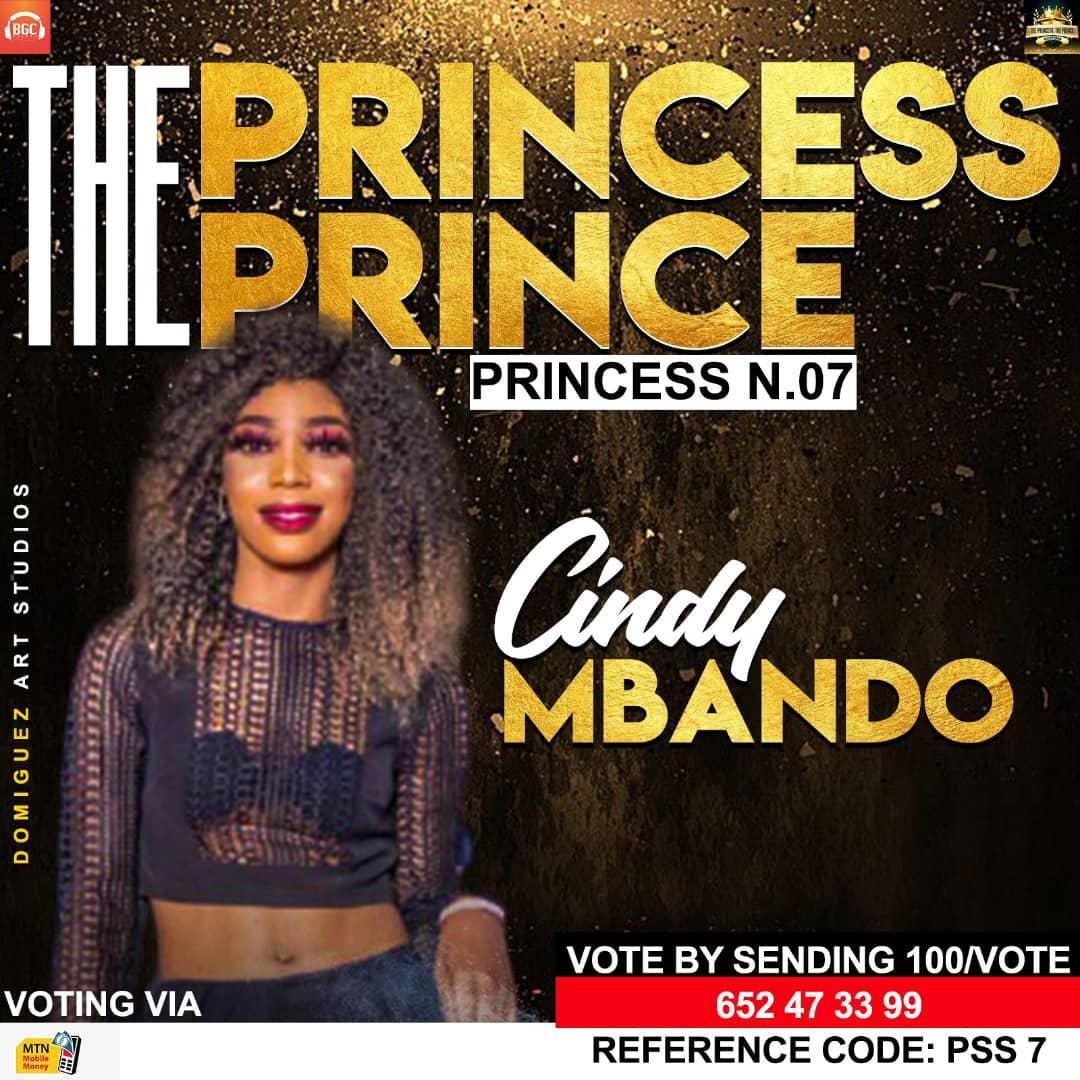
Cindy
-
Ziiana
-
Cameroonian artist Tasa
-








Comments
This post currently has no comments.