
Your Practical Guide to Concert Production
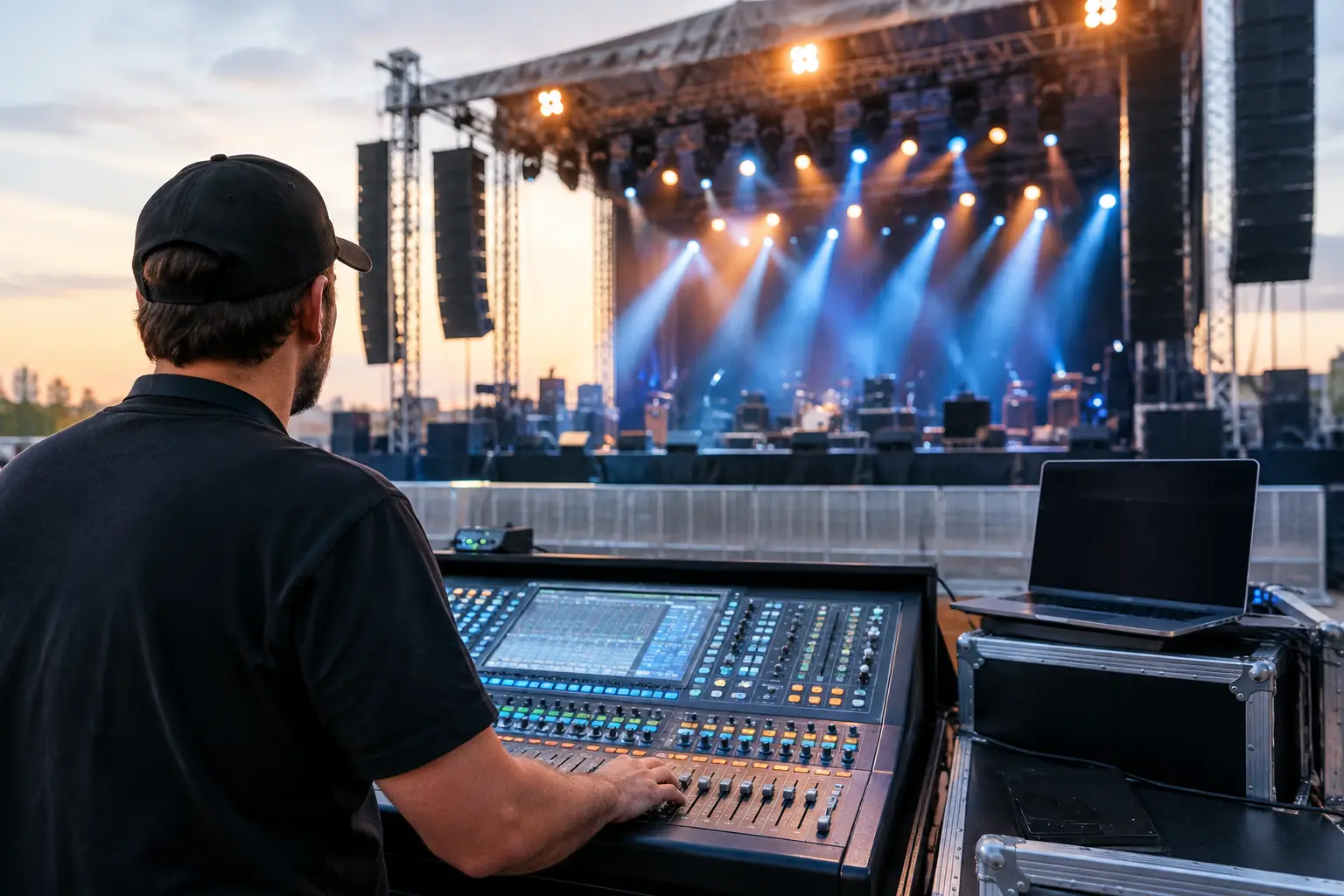
A sold-out room can still be a bad show if the artist cannot hear the monitors, the doors open late, or the promoter has no plan for getting fans home safely. This guide to concert production is built for African and diaspora artists, managers, and promoters who want more than a flyer and a packed guest list. A concert is a live product: the music, audience experience, technical delivery, brand partners, and financial outcome must work together.
For an Afrobeats night in Washington, DC, a Cameroonian artist showcase in Houston, or a diaspora tour stop in Los Angeles, the cultural energy may bring people into the room. Production is what gives that energy a professional frame. It protects the artist’s reputation, keeps the team calm under pressure, and gives fans a reason to return for the next event.
Start With the Show You Are Actually Selling
Before contacting venues or announcing a lineup, define the promise of the night. Is this a headline concert for an artist with a focused fan base? A discovery showcase featuring several emerging acts? A ticketed cultural event with DJs, fashion, food vendors, and sponsors? Each format requires a different budget, running order, venue size, and marketing plan.
Be specific about the audience. “African music fans” is too broad to guide production decisions. A crowd coming for contemporary Afrobeats may expect a high-energy DJ transition, visual moments, and a late finish. A live-band audience may value sound quality, seating, and an earlier start. Diaspora events often attract several age groups and communities at once, which can be a strength, but only if the program, pricing, and venue rules make sense for them.
Set measurable targets early: ticket sales, capacity percentage, break-even point, content captured, new email or SMS contacts, sponsor value, and artist merchandise revenue. Not every concert needs to make a major profit on night one. A strategically produced showcase can support artist development, build press interest, and create strong visual assets. But that trade-off should be intentional, not the result of weak planning.
Build a Real Concert Budget
A concert budget is not a wish list. It is a control document that tells you whether the event can survive before tickets go on sale. Start with fixed costs: venue rental, artist fees, sound and lighting, stagehands, security, insurance, permits, ticketing fees, transportation, hotel rooms, catering, and marketing production.
Then model variable costs, including payment processing, staff meals, merchandise staffing, guest-list consumption, and any percentage owed to the venue or ticketing provider. Put a contingency line in the budget. Ten percent is a useful starting point for smaller events, though a show involving international travel, rented backline, or complex video production may need more.
Your break-even calculation should be simple enough to explain to the whole team. If total projected costs are $12,000 and your average net ticket revenue is $30 after fees, you need 400 paid tickets to break even. Do not use the highest advertised ticket price in this math. Use the amount you realistically receive after discounts, fees, taxes, and promoter splits.
Artist deals need the same clarity. Agree in writing on the performance fee, deposit, balance payment timing, set length, hospitality, travel, hotel, backline, soundcheck, merchandise terms, content usage, and cancellation conditions. Vague conversations create expensive disagreements during show week.
Choose a Venue That Supports the Production
A beautiful venue can be the wrong venue. Capacity matters, but so do load-in access, stage dimensions, ceiling height, power, dressing rooms, curfew, parking, neighborhood transit, accessibility, and in-house technical rules. Ask whether you must use the venue’s sound team, security provider, bar service, or ticketing system. Those requirements can change the entire financial picture.
Visit the room before signing. Stand where the audience will stand. Check sightlines from the back and sides, locate restrooms, inspect the green room, and ask where merchandise, media, and artist arrivals will be handled. A venue with no protected artist entrance can turn a simple arrival into a safety issue.
For a first-time headline show, a smaller room that feels full is usually stronger than an oversized room with empty space. It looks better in video, creates urgency, and protects the artist’s market position. Scale up when ticket demand proves it, not because a larger capacity looks impressive in an announcement.
Create the Production Plan Before Show Day
The best guide to concert production is practical: write down who does what, when, and with which resources. Build a production schedule that begins at load-in and ends after settlement. Include equipment arrival, stage setup, lighting focus, soundcheck, doors, DJ sets, opening acts, headline set, curfew, load-out, and final payments.
Your key documents should include the event run of show, artist schedule, technical rider, stage plot, input list, contact sheet, security plan, and emergency procedures. The documents do not need to be overdesigned. They need to be current, shared with the right people, and easy to read from a phone backstage.
Sound, lighting, and playback
African pop, rap, amapiano, gospel, and live-band performances put different demands on a system. Do not assume a generic venue setup will reproduce the low end, percussion, vocals, and playback tracks properly. Send playback requirements in advance, confirm microphone needs, and schedule enough soundcheck time for every act.
If an artist performs with tracks, establish who supplies the playback device and backup files. Bring files in more than one format, keep them labeled in performance order, and assign one person to manage cues. For live musicians, confirm backline, changeover time, monitor mixes, and power requirements before the day of the show.
Lighting and video should serve the artist, not distract from them. A strong color palette, a clean spotlight, and reliable video playback can make a modest stage look intentional. If you are capturing content for release promotion, speak with the camera team about the moments that matter: the crowd entrance, the hook everyone sings, the artist’s introduction, sponsor visibility, and the final applause.
Market the Experience, Not Just the Poster
A concert announcement is the starting gun, not the campaign. Build a content rhythm around the artist’s story, rehearsal clips, fan memories, music-video moments, local radio mentions, DJ support, and direct calls to purchase tickets. The strongest campaigns make people feel that missing the night would mean missing a cultural moment.
Use the artist’s existing audience intelligently. Ask for scheduled posts, short vertical videos, ticket reminders, and direct messages to community connectors. Partner with diaspora associations, campus groups, dance communities, local media, and trusted DJs when the fit is genuine. A generic influencer post may create views; a respected community voice can create actual attendance.
Keep your ticket structure clear. Early-bird tickets reward fast buyers, but do not create so many tiers that fans get confused. Track sales by week, city, promotion source, and ticket type. If sales slow, adjust the message or add a relevant content moment before reaching for deep discounts. Heavy last-minute discounting can train your audience to wait.
Protect the Audience, Artists, and Money
Security is part of hospitality. Brief the team on entry procedures, bag policy, capacity limits, backstage access, artist movement, intoxication issues, and how to respond to conflict without escalating it. Make sure staff know who has authority to pause the show, call emergency services, or make a venue decision.
Also plan for the less dramatic problems: a late opener, a missing cable, a no-show photographer, a card reader failure, or bad weather affecting arrivals. Assign a production lead who can make decisions without chasing approval for every small issue. The artist should be focused on performance, not troubleshooting door staff or payment questions.
After the show, settle accounts carefully. Reconcile ticket reports, merchandise sales, bar guarantees where applicable, vendor invoices, and artist balances. Then hold a short debrief while details are fresh. What created friction? Which marketing source moved tickets? Did the schedule leave enough changeover time? The answers are the foundation for a better next show.
A concert earns long-term value when it becomes proof of what an artist and team can deliver. Capture the evidence, thank the people who showed up, and follow up while the room is still talking. For artists building across Africa and the diaspora, that discipline turns one night of performance into momentum that can travel much farther than the venue.
Latest Movie

The Princess, The Prince Reality TV Show
Cindy MbandoContestant Number: Princess 07To vote for her, send momo to 652473399 and write PSS 07 as REFERENCE.NOTE: 1 vote is 100FCFA, and it is through the momo number given above. You can vote as many times as you can. Remember, momo vote is 70%.Also like, comment, and share this video as many times as possible to maximize her chances.The Princess, The Prince Reality TV Show.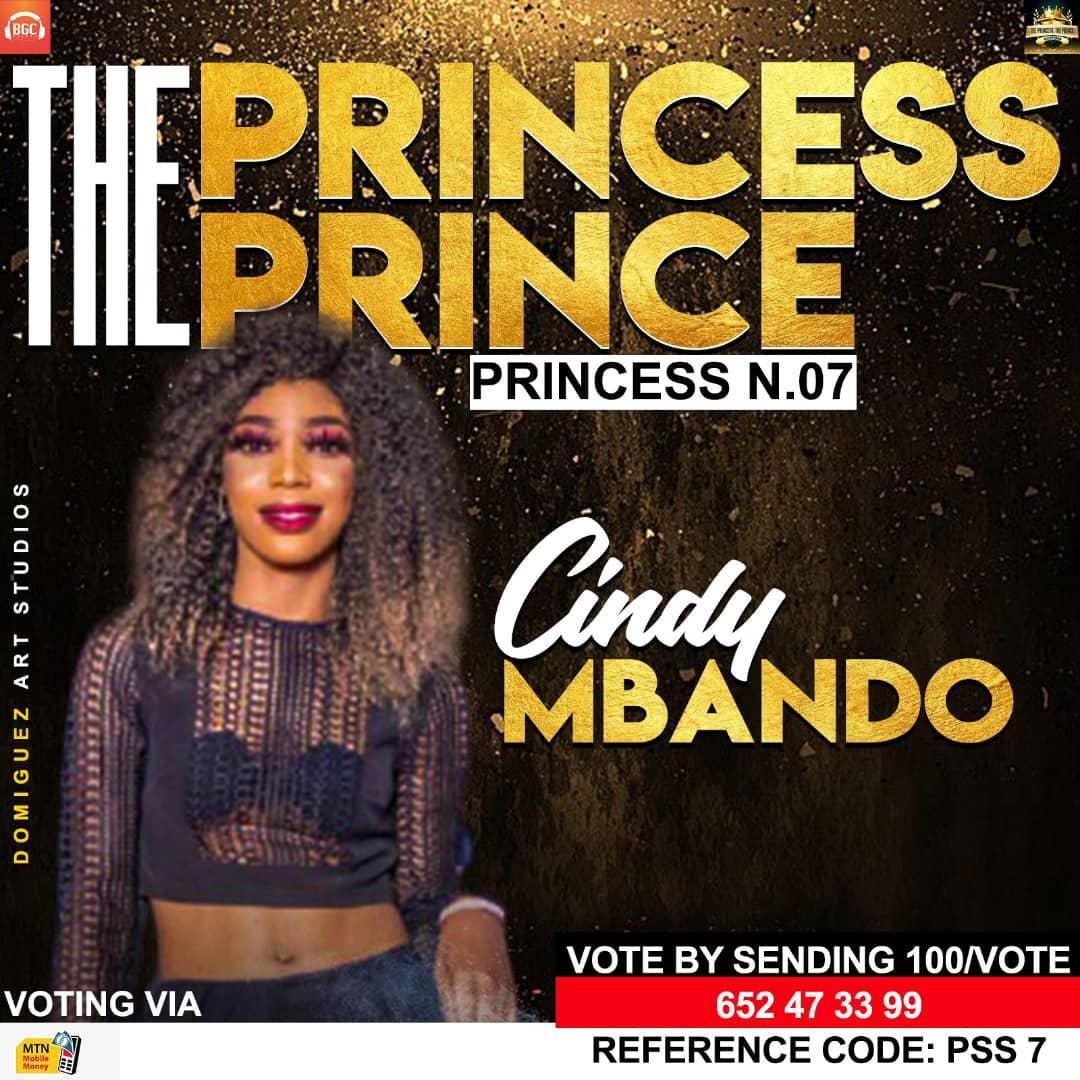
Cindy
-
Ziiana
-
Cameroonian artist Tasa
-






Comments
This post currently has no comments.