Artist Publicist Timing: When to Start PR

A strong record can still arrive quietly if the press campaign starts after the release date is already locked. Artist publicist timing is not about hiring PR because a song is finished. It is about giving your music, visual identity, story, and media targets enough room to build real attention before listeners are asked to press play.
For Afrobeats, African pop, rap, dance, and diaspora artists, timing also affects where the story lands. A campaign may need to reach community media, music blogs, radio programmers, DJs, playlist curators, culture platforms, and audiences across different time zones. That work cannot be rushed into three days simply because the master was delivered.
Artist Publicist Timing Starts Before Release Week
The best time to bring in a publicist is usually six to eight weeks before a key single, EP, album, video, tour announcement, or major career moment. For a larger project with multiple videos, a feature artist, a focused U.S. push, or a cross-border campaign, three months can be more realistic.
This does not mean every emerging artist needs a long and expensive press run. A focused campaign around one excellent record can create movement. But a publicist needs time to understand what makes the release newsworthy, organize the materials, choose the right media angle, pitch editors, and follow up professionally.
A release-day blast is promotion. Publicity is different. It works through relationships, relevance, and repetition. Editors and writers receive more pitches than they can cover, while radio teams plan programming in advance. If your request arrives when they are already committed to the week’s stories, even a quality track may have to wait.
What Must Be Ready Before PR Begins
Do not wait for every detail to be perfect, but do not send a publicist into the market with only an MP3 and a vague idea either. A campaign becomes more effective when the artist can provide a clear release date, final or near-final music, approved press photos, a short biography, social handles, and one strong reason this release matters now.
That reason might be an evolution in your sound, a powerful collaboration, a video filmed in a meaningful location, a personal story behind the lyrics, a festival appearance, or a growing audience in a new market. “I have a new song” is true, but it is rarely a story by itself.
Your visual assets matter just as much as the pitch. If the cover art, promotional photos, video teaser, and artist profile all feel disconnected, press interest is harder to convert into listener interest. A journalist may mention you once. A unified visual campaign gives new listeners a reason to remember your name after they leave the article or hear the record on radio.
For multilingual artists, be clear about language from the beginning. A song in English, French, Pidgin, Lingala, Duala, or another African language does not need to be explained away. It needs context. Help the publicist frame the sound and lyric themes for audiences who may be discovering the artist and culture for the first time.
The music must be ready enough to share
Publicists often pitch private listening links before release. If your vocal mix, featured verse, or sample clearance could still change, say so early. Sending unfinished music can create confusion and damage confidence, especially when a writer is preparing coverage around a specific version of the track.
There are exceptions. A major artist may use mystery and late delivery as part of a carefully managed campaign. Most independent artists benefit more from preparation than secrecy. The goal is not to remove all surprise. It is to make sure the team can tell one consistent story.
Match the Timeline to the Goal
Not every release requires the same publicist timeline. The right schedule depends on what success looks like for that campaign.
If the goal is to introduce a new artist, start earlier and keep the message simple. Media needs time to learn who you are, what market you represent, and why your sound deserves attention. A debut campaign can lead with a visual performance clip, a compelling artist profile, and targeted interviews rather than chasing a long list of top-tier placements immediately.
If the goal is a single release, four to six weeks may be enough when the artist already has usable assets and a defined audience. The campaign can build anticipation with an announcement, a short teaser, advance press outreach, and release-week amplification.
An EP or album needs more runway because there are more stories to tell. Consider the lead single, the project announcement, a focus track, a video, a behind-the-scenes moment, and possible interviews. Releasing every asset at once may feel exciting, but it can shorten the life of a project that took months or years to make.
For a tour, showcase, or live event, announce early enough for media and fans to plan. Publicity is strongest when it supports a clear action: buy tickets, watch the premiere, attend the screening, stream the project, or follow the artist. If tickets go on sale tomorrow and press receives the information tonight, there is little room for coverage to influence turnout.
Do Not Hire a Publicist to Fix a Missing Strategy
A publicist can create opportunities, sharpen the story, and bring professional follow-through. They cannot make an audience care if the music has no direction, the release date keeps moving, or the artist disappears when attention arrives.
Before committing to PR, be honest about your campaign foundation. Are you ready to post consistently during the release window? Can you show up for an interview, radio call, content shoot, or live appearance? Is your distribution set, and are the links correct? Have you agreed on the main message with your manager, producer, and feature artist?
The common mistake is bringing in PR after a release underperforms, then expecting one article to reverse everything. Sometimes a post-release campaign can work, especially if a song is growing organically on social media, gaining DJ support, or tied to a fresh video. But the publicist needs a genuine new angle. “The song came out last month” is not enough on its own.
Build a Campaign That Can Travel
African and diaspora artists often operate across several markets at once. Your hometown may be in Cameroon or the DRC, your core listeners may be in Germany or the United States, and your collaborators may be working from another continent. That reach is an advantage when it is organized.
Choose priority territories rather than trying to target everyone with the same pitch. A community radio station may care about local impact and language. A U.S.-based culture publication may respond to the artist’s diaspora story and sound. A dance platform may focus on the production and video energy. The release remains the same, but the entry point should fit the audience.
This is where integrated support matters. A campaign works better when the publicist is aligned with digital marketing, video distribution, radio plugging, artist management, and live-event planning. BGC Melody approaches artist visibility as a connected system: the press story should reinforce the record, the visual, the radio conversation, and the next commercial opportunity.
Keep communication fast and professional
Once pitching begins, artists should be available. A reporter may ask for a quote, a photo credit, a clean version, or an interview slot with little notice. Delayed replies can turn a promising opportunity into a missed placement.
Set one person to approve materials and keep everyone informed. Too many voices can slow a campaign down, particularly when management, label partners, producers, and featured artists all want changes. A clear approval process protects the momentum you paid to create.
The Best Time Is When You Can Sustain Attention
There is no magic calendar date for hiring a publicist. The practical answer is earlier than release week, after the core music and campaign direction are stable, and before your audience has heard every part of the story on social media.
Give the campaign enough space to earn interest rather than demand it. Release the record with a plan, a point of view, and something worth returning to. When the music is ready and the team is prepared to carry the attention forward, publicity becomes more than a launch-day announcement – it becomes part of artist development.
Latest Movie
The Princess, The Prince Reality TV Show
Cindy MbandoContestant Number: Princess 07To vote for her, send momo to 652473399 and write PSS 07 as REFERENCE.NOTE: 1 vote is 100FCFA, and it is through the momo number given above. You can vote as many times as you can. Remember, momo vote is 70%.Also like, comment, and share this video as many times as possible to maximize her chances.The Princess, The Prince Reality TV Show.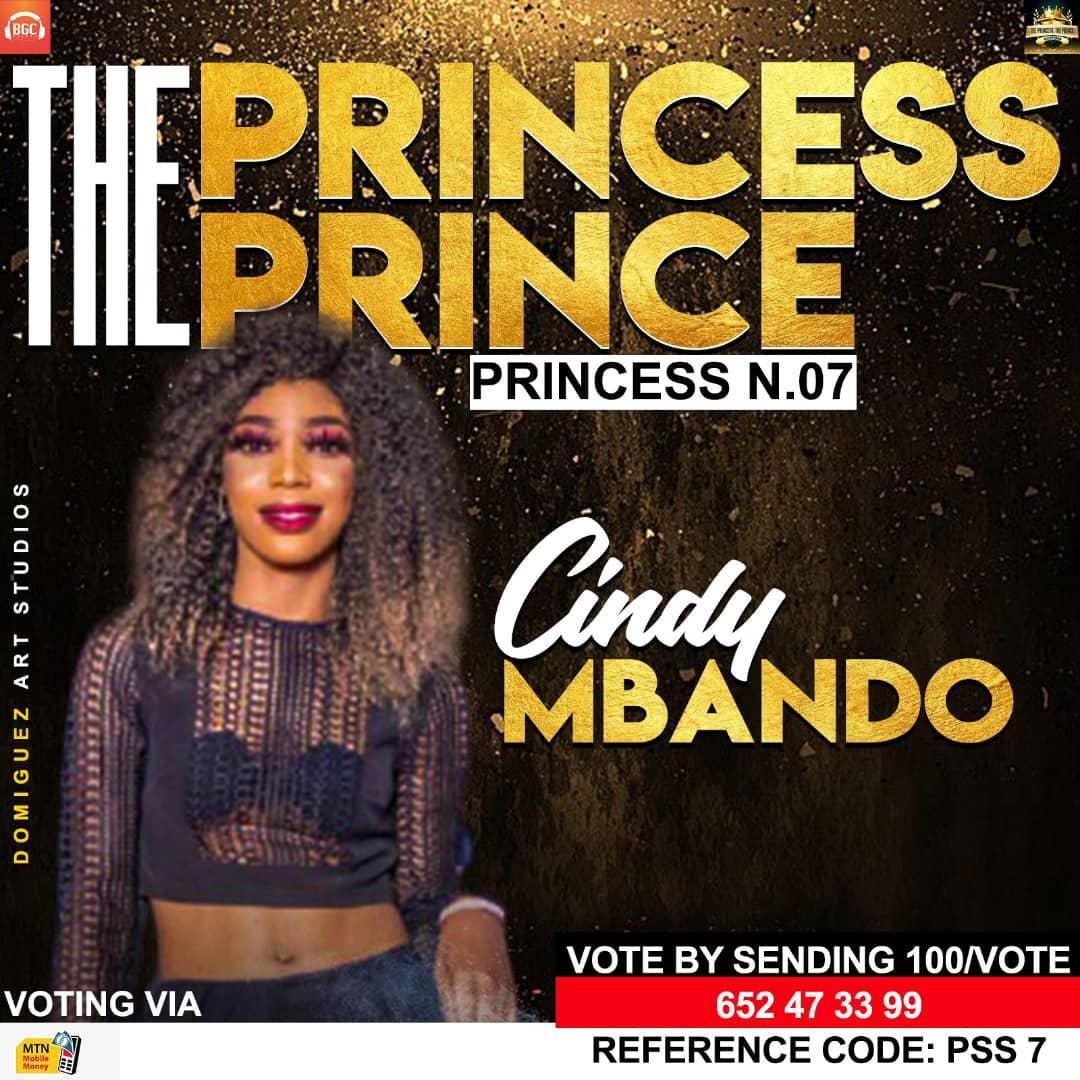
Cindy
-
Ziiana
-
Cameroonian artist Tasa
-



Comments
This post currently has no comments.