
Music Streaming That Builds an Artist Career

A new single can reach listeners in Atlanta, Accra, Arlington, Berlin, and Kinshasa on the same release day. That reach is the promise of music streaming, but reach alone does not create a career. For an independent African or diaspora artist, the real opportunity is using each stream to build recognition, audience data, industry credibility, and a reason for fans to come back.
Streaming is no longer a side channel after the video drops or radio starts spinning a record. It is often the first place a new listener meets the artist, hears the sound, saves a track, and decides whether to follow the journey. That makes every release a business moment as much as a creative one.
Music streaming is the new first impression
A listener may hear 20 seconds of an Afrobeats hook in a short-form clip, search the title, and land on a streaming profile. What happens next matters. If the profile has a clear artist image, current releases, accurate credits, and a consistent sound, curiosity can become a follow, a save, or a playlist addition. If the page is incomplete or the release is difficult to find, the momentum disappears fast.
For artists working across borders, this first impression carries extra weight. A fan in the United States may not know the language of a song, but they understand energy, melody, visual identity, and a strong chorus. Streaming gives African pop, rap, dance music, gospel, R&B, and diaspora sounds a direct route to listeners beyond the limits of one local market.
That does not mean every record must be made for everybody. The strongest international campaigns often start with a specific identity: a Cameroonian rhythmic pattern, Congolese guitar influence, a Nigerian street-pop phrase, or a diaspora rap perspective that cannot be copied. Streaming rewards music that is easy to access, not music that has been stripped of its origin.
A release strategy starts before the upload
Uploading a song is distribution. Building anticipation is release strategy. The difference shows up in the first days, when platforms and audiences are learning whether people are responding to the record.
Start by setting a release date with enough room for preparation. The artist needs final audio, official artwork, correct songwriter and producer information, a clean artist biography, and a focused content plan. Metadata may sound administrative, but it protects credits, helps prevent catalog confusion, and gives the release a professional foundation. A misspelled artist name or missing contributor can create problems that are difficult to repair after a song starts moving.
The campaign should also answer a simple question: what is the listener being invited to feel or do? A club record may lead with a dance moment. A romantic record may lead with a lyric that fans can quote. A conscious rap release may need the artist speaking directly about the story behind the track. One song does not require ten disconnected messages. It needs one clear entry point, expressed in different formats.
A smart rollout usually includes a short pre-release window, release-day content, and a follow-up period when the artist keeps giving the audience reasons to revisit the song. The first week is valuable, but it is not the whole career of a record. A video clip, live performance, remix, radio interview, dance challenge, or fan reaction can give a strong single a second and third life.
What streaming data can tell an artist
Streaming numbers should not be treated as a scoreboard only. They are signals. Monthly listeners show a broad picture of current reach, while saves, repeat plays, follows, and playlist additions can reveal deeper intent. A listener who saves a song is often more valuable over time than someone who hears it once and moves on.
Geography is especially useful for African and diaspora campaigns. If a track starts gaining attention in a city the artist has never visited, that can shape media outreach, event planning, paid promotion, and collaboration choices. A growing audience in Houston, Toronto, London, Johannesburg, or Paris may be a reason to target local DJs, community radio, promoters, and culture platforms in that market.
The trade-off is that data needs context. A burst of streams from a large playlist can look impressive, but it may not convert into followers or loyal fans. A smaller audience that consistently saves releases, watches videos, attends shows, and shares posts may be the stronger foundation. Do not chase a single number at the expense of a real community.
Artists should also resist the temptation to buy fake plays. Artificial streams can distort performance data, put releases at risk, and create a false picture for managers, promoters, and potential partners. Legitimate growth is slower at times, but it gives an artist something usable: an audience that actually listens.
Playlists matter, but artist identity matters more
Playlists can introduce music to people who would never have searched for the artist. Editorial playlists, independent curator lists, DJ sets, mood-based collections, and genre playlists all have a role. For emerging talent, placement can create a credible discovery moment and push a song into new listener circles.
Still, a playlist is rented attention. The listener can move on when the next track starts. The artist’s own profile, visual language, social channels, live presence, and catalog are what turn that attention into a relationship.
This is why an artist should build a catalog with intention. A listener who discovers one strong single should be able to find another reason to stay. That may be a previous EP, a performance video, a feature with a compatible artist, or a new release already being teased. Consistency does not mean releasing every week. It means making sure every public move strengthens the same artist story.
For BGC Melody, that connection between release, visibility, and artist development is central. Digital distribution works best when it is supported by media outreach, video promotion, radio strategy, creative direction, and professional representation rather than treated as a one-click finish line.
Connect streaming to the full campaign
A streaming link by itself rarely carries an entire campaign. Fans need to see the record where culture is happening: in rehearsal footage, artist interviews, behind-the-scenes video, event announcements, DJ conversations, and performance clips. Each piece of content should point back to the music without feeling like the same advertisement repeated all day.
Visual content is particularly important for African music audiences because the sound and image often travel together. A polished music video can create the headline moment, while vertical clips keep the song present in daily feeds. The video does not need to explain every lyric. It needs a memorable scene, movement, look, or emotion that gives listeners something to associate with the record.
Radio still has a place as well. Streaming gives artists measurable global access, while radio can create local familiarity and cultural validation. The strongest campaigns often combine both. A record might earn initial streams from a social clip, get reinforced by DJ and radio support, then convert new listeners through a video release and live performance.
Collaboration can expand that cycle, but only when the fit is real. A feature should bring shared audience potential, artistic contrast, or market relevance. Adding a recognizable name with no musical connection may generate a brief headline and little long-term value. The song must still feel like the artist’s record.
Build fans, not just release days
The most valuable action after someone hears a song is not always a play. It may be a follow, an email sign-up, a ticket purchase, a direct message, a comment, or a return visit for the next release. Streaming introduces the artist, but ownership of the fan relationship grows through continued communication and real experiences.
Treat release day as the opening night, not the closing statement. Watch what listeners respond to. If the chorus is driving saves, make more content around that section. If one city is showing unusual interest, speak to that audience and look for local partners. If a song is not connecting, learn from it without abandoning the next move.
A catalog grows one honest release at a time. Make the music easy to find, give people a clear reason to care, and keep showing up after the first stream. The right listener may only need one record to discover an artist, but they need a real story to stay.
Latest Movie
The Princess, The Prince Reality TV Show
Cindy MbandoContestant Number: Princess 07To vote for her, send momo to 652473399 and write PSS 07 as REFERENCE.NOTE: 1 vote is 100FCFA, and it is through the momo number given above. You can vote as many times as you can. Remember, momo vote is 70%.Also like, comment, and share this video as many times as possible to maximize her chances.The Princess, The Prince Reality TV Show.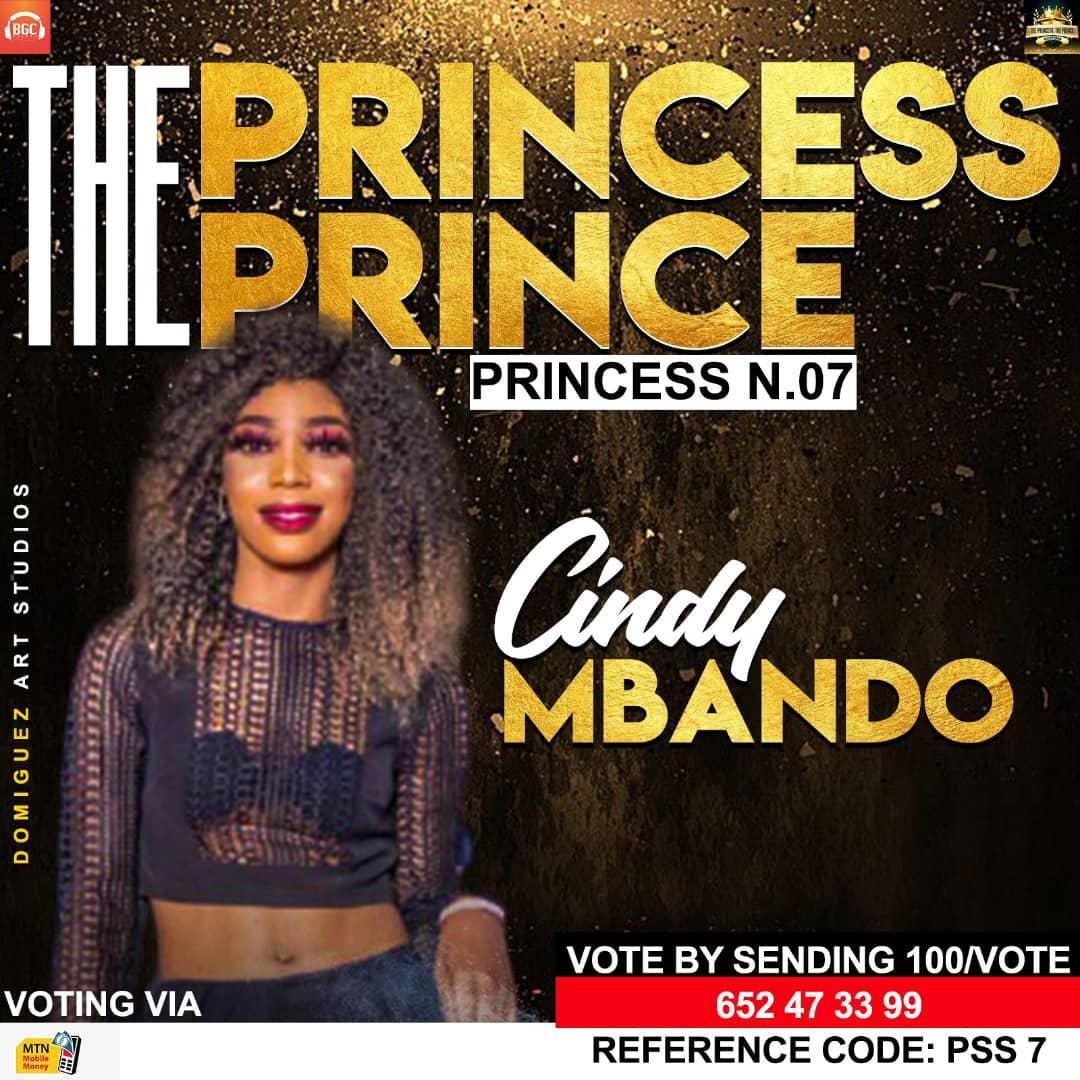
Cindy
-
Ziiana
-
Cameroonian artist Tasa
-







Comments
This post currently has no comments.