Music Publicity Review: What Artists Should Measure

A music publicity review is not a folder of screenshots or a report that says your song appeared on five blogs. For an artist building across Africa, the United States, and the diaspora, it is the moment to ask a more valuable question: did the release create attention that can move your career forward?
A headline can build credibility. A radio spin can put a record in front of a new community. A music video feature can give fans a reason to share. But publicity only becomes powerful when the coverage reaches the right people, supports a clear artist story, and leads to measurable next steps. That is the standard artists, managers, and independent labels should use after every campaign.
What a Music Publicity Review Should Reveal
Publicity is often confused with promotion. Promotion pushes a release toward audiences through digital campaigns, playlists, radio, video platforms, and direct fan outreach. Publicity earns or places visibility through press coverage, interviews, premieres, features, media relationships, and cultural conversation. The two work best together, but they should not be measured in exactly the same way.
A strong review looks beyond the raw number of posts. Ten articles on low-traffic sites with no clear music audience may do less for an Afrobeats artist than one well-positioned interview with a respected African entertainment outlet, diaspora publication, or radio personality whose listeners actually discover new music.
The review should answer three practical questions. Who saw the story? What did they learn about the artist? What did they do next? If those answers are unclear, the campaign may have generated noise without building momentum.
Reach Is More Than a Big Outlet Name
Outlet size matters, but relevance matters just as much. An artist releasing amapiano, Afro-pop, Congolese rumba, gospel, rap, or dance music needs coverage that reaches listeners who are open to that sound. A local African community radio station in a major US city may have more immediate value than a general entertainment site that never speaks to African music culture.
Review each placement in context. Consider its audience location, genre focus, social activity, editorial reputation, and whether the feature stayed visible beyond release day. A media mention can also have different value depending on an artist’s stage. Emerging artists often need discovery and validation. More established acts may need coverage that supports touring, brand partnerships, management conversations, or a larger international rollout.
The Story Must Be Clear Enough to Repeat
The best publicity gives people language they can carry forward. If every article describes the artist differently, the campaign has not established a usable identity. One feature calls the artist an Afrobeats singer, another calls them a rapper, and a third focuses only on a single without explaining their background or direction. That creates scattered awareness.
A publicity review should examine whether the core narrative appeared consistently. It may be an artist’s city, cultural roots, distinctive sound, new visual era, producer collaboration, live performance history, or the personal story behind a record. The goal is not to force a label onto the artist. The goal is to make the artist memorable and easy to introduce.
For diaspora talent, this is especially important. A release can connect home-country audiences, African communities abroad, and listeners who are discovering the culture for the first time. Each audience may respond to a different part of the story, but the artist’s identity should still feel connected.
How to Run a Useful Music Publicity Review
Start the review seven to fourteen days after the main release push, then revisit it after thirty days. Immediate reporting shows whether the launch landed. The later review reveals whether the campaign created a longer tail through radio support, search interest, streaming growth, additional interviews, or fan-made content.
Bring together the campaign brief, press release, media list, coverage links or clips, radio logs, social analytics, streaming data, video performance, and website or smart-link traffic if available. Do not judge everything by one number. A single campaign can be successful in one area and weak in another.
For example, a debut artist may receive modest streaming results but secure a credible interview that gives future booking pitches more weight. Another artist may get high views on a music video but no press story strong enough to explain who they are. Both results point to different next actions.
Measure the Campaign in Five Areas
Use a scorecard that keeps the conversation focused on outcomes rather than vanity metrics:
- Media quality: Track which outlets covered the release, their relevance to the artist’s market, the placement type, and whether the story was original, syndicated, or simply reposted.
- Message accuracy: Check whether the artist name, song title, release date, credits, biography, quotes, and social handles were correct. Errors weaken trust and can disrupt search discovery.
- Audience response: Look at comments, shares, saves, direct messages, profile visits, email sign-ups, and fan conversations. A smaller but active response can be more valuable than passive impressions.
- Conversion signals: Compare press dates with streaming lifts, video views, radio requests, ticket inquiries, booking emails, merchandise interest, or new followers from target cities.
- Relationship value: Note which journalists, DJs, presenters, curators, and community platforms engaged meaningfully. A professional relationship that grows over several releases can outperform a one-time mention.
Numbers need interpretation. A feature might create 20,000 impressions but few clicks because the headline did not mention the release clearly. A radio interview may not produce a visible spike that day, but it could help establish an artist with a regional audience before a live event. The question is not whether every activity converts instantly. It is whether the activity supports the current campaign goal.
Common Gaps That Limit Good Releases
Many publicity campaigns lose impact before the first email is sent. The artist may not have clear press photos, a concise biography, a working release link, accurate metadata, or a music video clip ready for editors and fans. Media teams cannot build a compelling story from incomplete assets.
Timing is another recurring issue. Sending a press announcement on release day can work for a fast news item, but it leaves little room for interviews, premieres, or thoughtful editorial coverage. For a focused campaign, prepare the materials early and give selected media contacts a reason to care before the record arrives.
Artists also sometimes expect publicity to replace fan engagement. It cannot. When a blog, station, or channel posts your story, show up. Share the feature with context, thank the platform, answer comments, post a short clip, and direct listeners toward the song or video. Media attention opens a door. The artist’s own activity helps turn that opening into community.
Turn Results Into the Next Release Plan
The most valuable part of a review is the decision that follows it. If interviews created the strongest response, build more interview angles into the next release. If video features drove the most discovery, invest in stronger visual snippets, behind-the-scenes content, and a coordinated video rollout. If radio interest came from specific cities, consider targeted appearances, DJ outreach, or events in those markets.
Do not repeat a campaign just because it looked busy. Repeat what produced evidence. That may mean prioritizing fewer, better media relationships instead of mass distribution. It may mean releasing a visualizer before the official video, improving artist photos, tightening the electronic press kit, or giving each single a more distinct story.
For artists with growing catalogs, compare reviews across releases. Patterns become visible over time. You may find that fans respond most strongly to songs in a particular language, that diaspora radio consistently supports one sound, or that press coverage increases when your visuals and biography arrive together. Those insights belong in A&R discussions, budget planning, and artist development, not only in a publicity report.
BGC Melody approaches visibility as part of a larger artist journey: music, visual content, radio, press, audience growth, and representation should reinforce one another. A good campaign does not end when the final article is published. It leaves the artist with stronger proof of value, better market knowledge, and a clearer reason for the next listener to press play.
Treat every release as both a creative statement and a learning opportunity. The coverage matters, but what you learn from it can shape a sharper story, a smarter campaign, and a more durable career.
Latest Movie
The Princess, The Prince Reality TV Show
Cindy MbandoContestant Number: Princess 07To vote for her, send momo to 652473399 and write PSS 07 as REFERENCE.NOTE: 1 vote is 100FCFA, and it is through the momo number given above. You can vote as many times as you can. Remember, momo vote is 70%.Also like, comment, and share this video as many times as possible to maximize her chances.The Princess, The Prince Reality TV Show.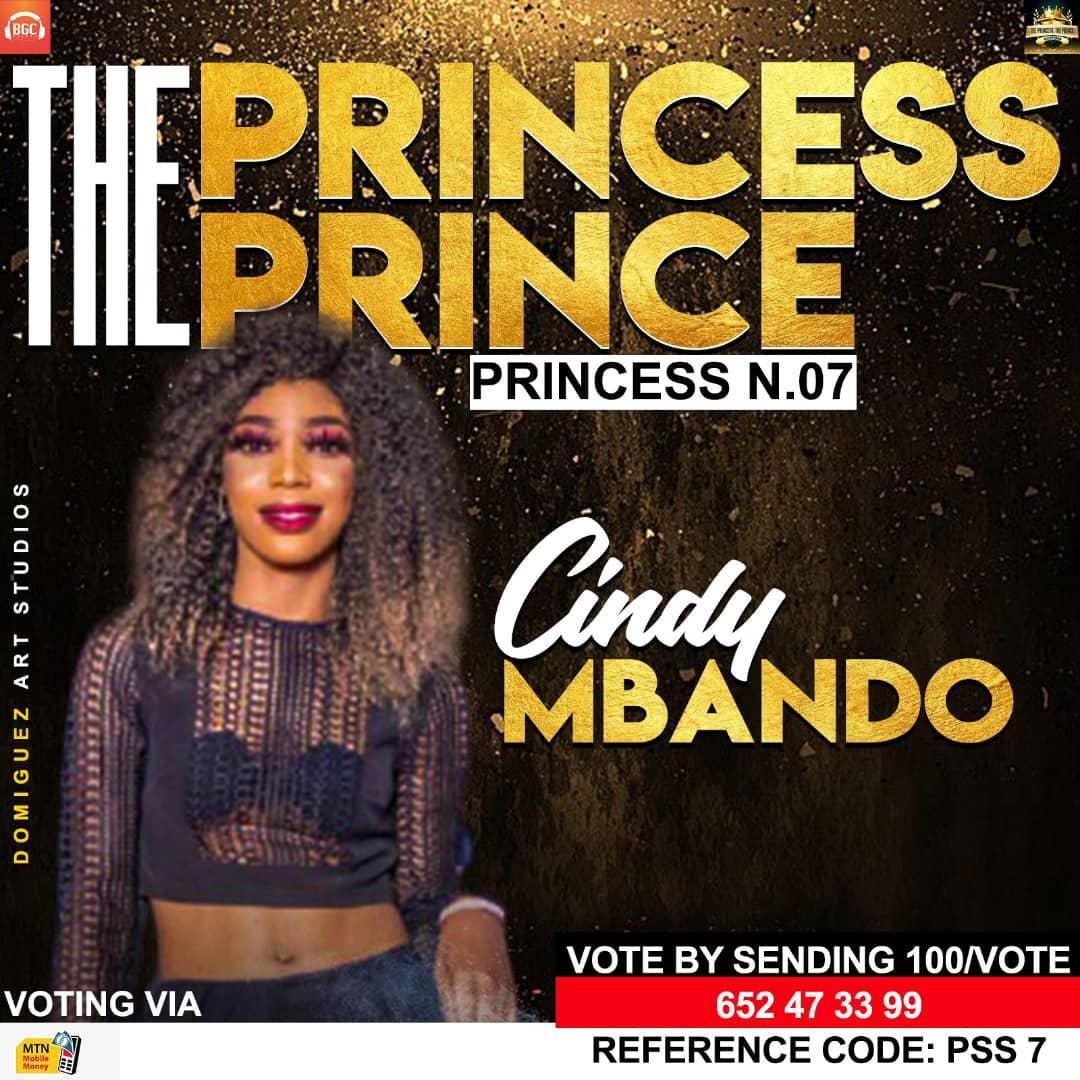
Cindy
-
Ziiana
-
Cameroonian artist Tasa
-








Comments
This post currently has no comments.