
What an Actor Talent Representation Agency Does

A strong self-tape can open a door. The right relationship can help make sure the door is one worth walking through. An actor talent representation agency exists to turn a performer’s skill, materials, and professional readiness into access to credible opportunities across film, television, commercials, digital campaigns, live events, and branded content.
For actors from African and diaspora communities, representation has another layer: positioning. Casting is often shaped by narrow assumptions about accent, background, language, age, and “type.” Professional representation helps an actor be seen as more than a category. It presents their range, market value, and distinct screen presence to the people making decisions.
What an Actor Talent Representation Agency Handles
Representation is not simply submitting an actor’s headshot and waiting for callbacks. The work starts with understanding where an actor can compete now and what needs to improve before bigger rooms become realistic.
A capable agency evaluates the essentials: headshots, résumé, reel, self-tape quality, training, credits, special skills, languages, and online presence. It then develops a clear market position. An actor may be strongest for dramatic leads, character roles, comedy, commercial lifestyle work, music videos, or host-driven digital content. There is room to grow beyond a first lane, but vague positioning rarely helps at the beginning.
From there, the agency may identify fitting casting notices, introduce the actor for opportunities, coordinate audition information, communicate availability, and negotiate terms once an offer arrives. The exact scope depends on the agreement and on whether the company is acting as an agent, manager, or both. Those labels matter, especially in regulated markets, so performers should always understand who is authorized to procure employment and what services are being offered.
Representation also protects time. Casting notices can move quickly, while producers need clear answers on schedules, usage, travel, exclusivity, wardrobe, and payment. An agency gives that process a professional point of contact. Instead of an actor trying to manage every email alone while preparing for an audition, the representative can keep the business conversation moving.
Visibility Is Part of the Booking Strategy
Talent gets an actor in the room. Visibility helps casting teams remember who belongs there.
That does not mean an actor needs to chase every trend or turn every private moment into content. It means their public materials should support the career they want. A current profile, a focused reel, polished production stills, and selected clips can make a casting director’s follow-up easier. If an actor has appeared in a short film, stage production, music video, or web series, the agency should know how to frame that credit as momentum rather than just another line on a résumé.
For African creatives working across borders, visibility can be especially valuable. A performer based in Cameroon, the Democratic Republic of Congo, Germany, or a US diaspora community may have credits and language skills that deserve a wider market. The challenge is packaging those strengths for audiences that may not already know the work.
This is where an integrated entertainment company can create real advantage. BGC Melody works within a broader ecosystem of artist development, visual promotion, public relations, events, and talent representation. For actors whose careers overlap with music videos, branded visuals, entertainment hosting, and screen projects, that connected infrastructure can create useful exposure. It is not a substitute for acting craft or legitimate casting relationships, but it can help an emerging performer build credible material and industry visibility.
Representation Is Not a Promise of Fame
No legitimate representative can guarantee roles, celebrity, or a specific number of auditions. Casting decisions involve scripts, budgets, producer preferences, union requirements, location, availability, chemistry reads, and details an actor may never see.
A good agency is valuable because it improves preparation and access, not because it sells fantasy. Sometimes the right advice is to wait before seeking major representation. If an actor has no current headshots, no usable footage, inconsistent training, or cannot deliver a clean self-tape on short notice, the next move may be to build the foundation first.
The same applies to career pace. A performer might want lead roles immediately, while the market first responds to supporting parts, commercials, stand-in work, or short-form projects. That can feel frustrating, but early credits create proof. The smartest path is often a sequence of strategic opportunities rather than one dramatic break.
What Actors Should Bring to the Relationship
An agency can advocate for talent, but it cannot manufacture reliability. Actors who are easiest to represent are prepared, responsive, and honest about their availability.
Before approaching an agency, assemble professional materials that show where you are today, not where you hope to be someday. Your headshots should resemble you now. Your résumé should be accurate and easy to scan. Your reel should lead with your strongest moments, even if it is short. If you do not have a reel yet, two well-produced scene clips can be more effective than a long montage of weak footage.
Be ready to discuss your practical working situation. Can you work locally only? Are you willing to travel? Do you have valid documents for the territories you want to work in? Which accents, languages, dance styles, combat skills, athletic abilities, or musical skills can you perform professionally? Details like these affect submission decisions.
Communication matters just as much. If a representative sends an audition request with a same-day deadline, silence can cost more than that one opportunity. Actors do not need to be available every hour, but they do need a clear system for checking messages, confirming receipt, and flagging conflicts early.
Questions to Ask Before Signing
The excitement of being offered representation can make people rush. Slow down long enough to understand the business arrangement.
Ask how the agency plans to position you and what kinds of roles it believes fit your current profile. Ask which markets it actively serves, whether it has experience with screen work, commercials, live appearances, or music-video casting, and how it communicates audition opportunities. You should also ask about commission, contract length, termination terms, exclusivity, expenses, and whether the agency expects you to pay upfront fees.
Upfront charges deserve careful attention. Professional materials, coaching, photography, and workshops can all cost money, but an actor should understand whether a service is optional, who benefits from the payment, and whether the provider is being presented as mandatory. Pressure, vague answers, guaranteed bookings, and requests for large payments before meaningful work begins are warning signs.
It is also reasonable to ask how the agency handles cultural specificity. An actor should not have to erase their accent, heritage, or language to be considered professional. At the same time, representation should be realistic about how particular markets cast. The best conversation balances pride in identity with a practical plan for expanding opportunity.
Building a Career Beyond the Audition
The most durable acting careers are built between bookings. Continue training. Watch your own footage with a critical eye. Update your materials after strong new work. Build relationships with directors, writers, producers, photographers, and fellow actors who take their craft seriously.
Actors with music, dance, modeling, hosting, or multilingual experience should not hide those strengths. Entertainment work is increasingly cross-platform, and a performer who can carry a scene, connect on camera, work a live audience, or bring cultural fluency to a global campaign may offer a producer more value than a résumé alone suggests.
Still, versatility needs discipline. Do not accept every unpaid or poorly organized project just to stay busy. Consider whether the role gives you usable footage, a credible credit, fair conditions, meaningful relationships, or needed experience. If it offers none of these, passing may protect your time for better work.
The right representative should make an actor feel more organized, more prepared, and more connected to real possibilities – not dependent, confused, or pressured. Bring your craft, your discipline, and your point of view to the relationship. The industry can recognize a profile, but it remembers an actor who arrives ready to deliver.
Latest Movie

The Princess, The Prince Reality TV Show
Cindy MbandoContestant Number: Princess 07To vote for her, send momo to 652473399 and write PSS 07 as REFERENCE.NOTE: 1 vote is 100FCFA, and it is through the momo number given above. You can vote as many times as you can. Remember, momo vote is 70%.Also like, comment, and share this video as many times as possible to maximize her chances.The Princess, The Prince Reality TV Show.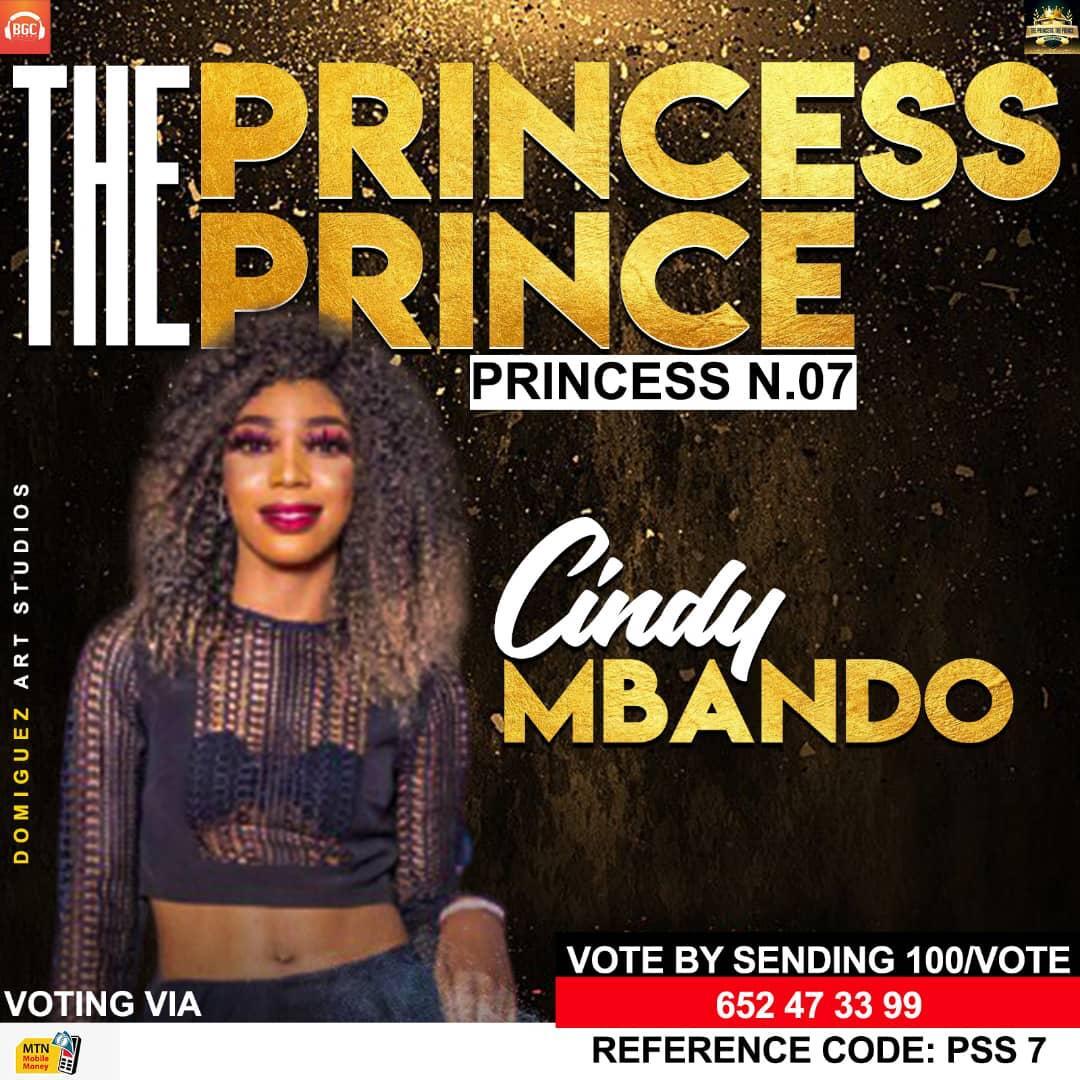
Cindy
-
Ziiana
-
Cameroonian artist Tasa
-








Comments
This post currently has no comments.