
African Music Needs More Than a Viral Moment
A record can catch fire on social media in one weekend and still leave its artist without a clear next move. That is the gap African music professionals must close. The sound is traveling farther than ever, from Afrobeats and amapiano to Congolese rumba, Afro-rap, highlife, bongo flava, makossa, and new diaspora fusions. But attention alone does not build a career. Artists need a release strategy that turns discovery into repeat listeners, media visibility, bookings, partnerships, and long-term cultural value.
For independent artists, managers, and creative teams, the opportunity is real. So is the competition. A strong song now enters a global feed alongside thousands of releases every day. The artists who break through are not always the loudest. They are the ones whose music, visuals, story, and professional operations give audiences a reason to stay connected after the first listen.
African Music Is a Global Market, Not One Sound
Treating African music as one genre is convenient for playlists and headlines, but it misses the depth that makes the market exciting. Africa contains distinct musical languages, local scenes, dance cultures, instruments, vocal traditions, and business realities. A listener drawn to the log drums of amapiano may not automatically know a Cameroonian afro-pop artist. A fan of Nigerian street-pop may be ready for Francophone rap, but only if the introduction feels natural and credible.
That diversity is not a branding problem. It is an advantage. It gives artists more ways to build a recognizable lane without copying whatever is currently trending. The goal is not to make every record sound globally neutral. The goal is to make the record clear enough that the right audience can find it, understand its energy, and share it.
Language is part of that identity. English can help an artist reach across borders, but it is not the only route to connection. Songs in Pidgin, French, Lingala, Duala, Swahili, Yoruba, Igbo, Zulu, Twi, or other languages can travel because rhythm, melody, performance, and visual storytelling communicate before translation does. What matters is context. Subtitles, concise artist bios, strong cover art, and useful media descriptions help new listeners step into the world of the song.
A Release Is a Campaign, Not a Upload
Uploading a track is distribution. Releasing it is a campaign. The difference shows up in the planning that happens before the song reaches listeners: selecting the strongest single, identifying its audience, preparing press assets, editing visual clips, setting a realistic promotion timeline, and giving DJs, radio presenters, bloggers, and fans something specific to respond to.
A polished release does not require an unlimited budget. It does require priorities. If resources are limited, invest first in the song, the mix, the artwork, and a clear visual asset that captures the artist’s personality. A simple, well-directed performance video can do more for a new artist than an expensive concept with no distribution plan. On the other hand, a major video can be worth the investment when the record already has audience traction and the team is prepared to extend its life through press, radio, events, and short-form content.
The campaign should answer a few practical questions. What makes this record timely? Is it built for the club, headphones, a wedding playlist, a dance challenge, or a late-night mood? Which cities and diaspora communities are most likely to respond first? What is the next action after someone listens: follow the artist, watch the video, attend a show, save the track, or hear the next release?
That last question matters because a viral moment without a pathway can disappear quickly. Every new listener should be able to recognize the artist, find more music, and understand what is coming next.
Build the visual world early
Music video culture remains central to African and diaspora audiences. A visual is not simply promotional decoration. It can establish fashion, movement, location, attitude, and the emotional point of view that listeners remember. For artists working across countries, video also makes a local story visible to people who may never have visited that place.
The trade-off is that visuals must serve the song. A video with beautiful images but no memorable performance or narrative can be hard to market in short clips. Plan for the full video and the cutdowns at the same time. Capture vertical moments, behind-the-scenes footage, clean photos, and direct-to-camera clips while the set, styling, and energy are available.
The Artist Story Makes the Song Easier to Place
Industry professionals cannot promote what they cannot describe. A strong artist profile should make it easy for a journalist, promoter, playlist editor, or potential collaborator to understand the artist within seconds. It should say where the artist is from, what musical space they occupy, what makes their voice distinct, and what is happening now.
Avoid generic claims such as “the next biggest artist” or “the future of Afrobeats.” Those lines do not tell anyone what the music feels like. A more useful story connects the artist’s background to their creative decisions. Maybe a rapper grew up between Kinshasa and Berlin and moves between French, Lingala, and German flows. Maybe a singer combines gospel-trained vocals with electronic Afro-pop. Maybe a producer is bringing a regional dance rhythm into a new club setting.
That story should remain consistent across bios, press releases, interviews, social captions, and live introductions. Consistency does not mean repetition. It means each touchpoint strengthens the same artist identity.
Cross-Border Growth Requires Local Credibility
The United States and the wider diaspora offer major opportunities, but expansion works best when it is built on real communities rather than broad assumptions. Diaspora audiences are not one block. A listener in Atlanta, Houston, Washington, D.C., Toronto, London, Paris, or Berlin may share cultural references while following different DJs, venues, radio programs, creators, and nightlife scenes.
Start with the markets where there is a natural connection. That may be a home-country community, a featured artist’s city, a college circuit, a dance community, or an existing digital audience. Then create reasons for local gatekeepers to care. A generic email blast rarely works as well as a focused pitch that explains why a record fits a particular show, event, station, or audience.
Collaboration can accelerate this process, but it must be more than a name on a track. The best cross-border records give each artist a real role and connect adjacent audiences without forcing the sound. A collaboration made only for numbers can feel temporary. One built around chemistry can create new fans for both sides.
BGC Melody approaches this work as an integrated process: artist development, digital releases, visual promotion, media outreach, representation, and event-facing visibility should reinforce one another. That coordination is especially valuable when an emerging artist is trying to convert international interest into professional opportunities.
Professional Infrastructure Protects Creative Momentum
Fans hear the song, but the business behind it determines whether the artist can keep moving. Accurate credits, organized files, split agreements, release metadata, usage permissions, and clear communication with collaborators are not glamorous tasks. They prevent confusion at the moment a record begins to gain attention.
Artists should also think beyond the single. A release calendar creates momentum and gives audiences a reason to return. It might include a lead track, visual content, a remix, an acoustic version, a live performance, or a follow-up single. Not every artist needs to release constantly. In fact, releasing too often without adequate promotion can dilute attention. The right pace depends on the artist’s catalog, team capacity, audience behavior, and quality control.
Live performance is another part of the infrastructure. Even artists who first break online need a compelling stage identity. Promoters look for reliability, audience pull, and a clear show experience. Rehearsed transitions, a confident opening, audience interaction, and professional technical preparation can make a developing artist memorable long before they headline a large venue.
Let the Culture Lead the Strategy
The commercial growth of African music should never require artists to flatten the culture that gave the music its power. The strongest campaigns understand the difference between making a song accessible and making it anonymous. Cultural specificity is often the hook: a dance, phrase, fashion reference, hometown image, rhythm, or vocal approach that cannot be copied from a generic pop template.
At the same time, artists should stay open to learning how different audiences consume music. A club record may need DJ support. A story-driven song may benefit from press and a visual narrative. A dance track may need creators who can activate it. A project with mature songwriting may find its audience through live sessions, interviews, and carefully targeted community spaces.
The next move does not have to be bigger than the last one. It has to be intentional. Release the music with a clear story, present it with professional care, and give every new listener a reason to come back for the artist behind the song.
Latest Movie
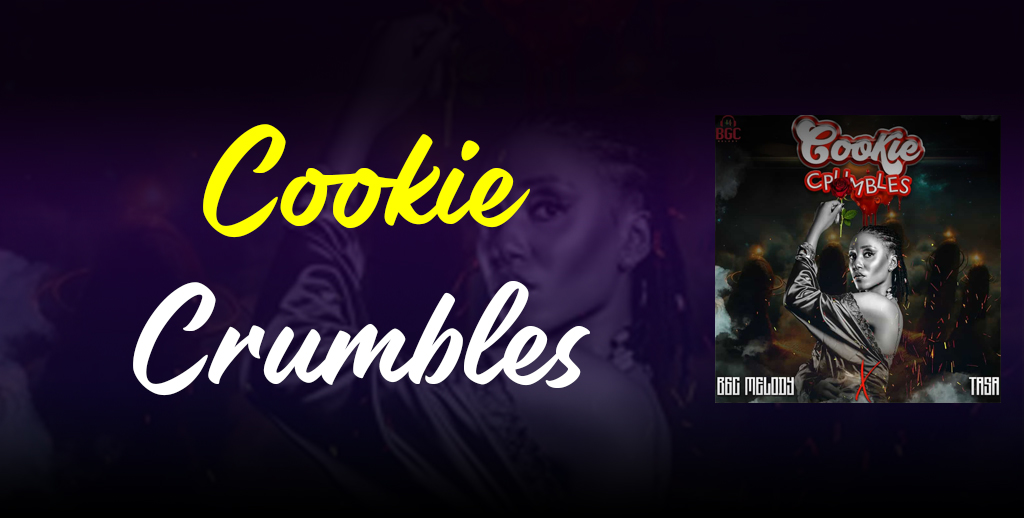
The Princess, The Prince Reality TV Show
Cindy MbandoContestant Number: Princess 07To vote for her, send momo to 652473399 and write PSS 07 as REFERENCE.NOTE: 1 vote is 100FCFA, and it is through the momo number given above. You can vote as many times as you can. Remember, momo vote is 70%.Also like, comment, and share this video as many times as possible to maximize her chances.The Princess, The Prince Reality TV Show.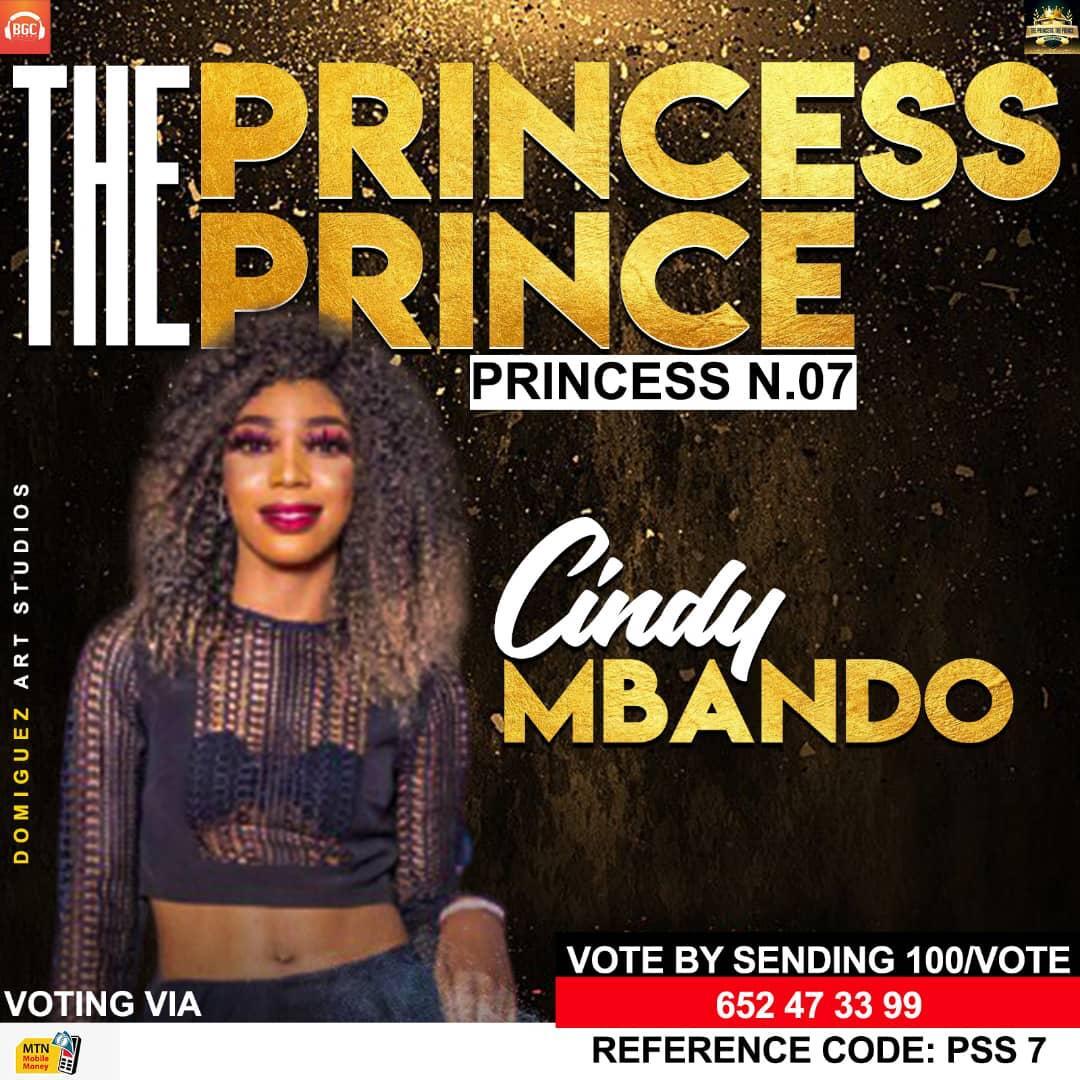
Cindy
-
Ziiana
-
Cameroonian artist Tasa
-






Comments
This post currently has no comments.