
Artist Discovery That Builds Real Careers

A record can catch fire in a bedroom, at a block party, in a dance challenge, or through one DJ who refuses to stop playing it. But artist discovery is what happens next: the work of recognizing real potential, shaping a public story, and putting the music in front of people who can move a career forward.
For African and diaspora creatives, that work often crosses borders before it crosses genres. A Cameroonian rapper may have fans in Maryland, a Congolese singer may find her strongest response in Paris, and an Afrobeats act in Germany may need media visibility in Lagos, London, and the United States. Talent matters. So does the infrastructure that turns a promising record into a repeatable audience relationship.
Artist Discovery Is More Than Finding a Hit
A strong song gets attention. A strong artist gives listeners a reason to return. Those are not the same thing.
The first stage of artist discovery is listening for more than polish. A&R teams, promoters, managers, and fans all respond to different signals: an unmistakable voice, songwriting perspective, live presence, visual confidence, cultural relevance, work ethic, or a community that already moves around the artist. Sometimes the demo is technically rough but the identity is clear. Sometimes the production is excellent, yet the artist has not found a point of view that separates them from thousands of similar releases.
This is why a viral clip should be treated as evidence, not a verdict. It may show that a hook works, that a dance moment is shareable, or that a particular audience is ready for the sound. It does not automatically prove that an artist is ready for a long campaign. The opportunity is to learn from the response quickly and build the next move with purpose.
For emerging talent, the most useful question is not, “Can this song go viral?” It is, “What will someone know about me after hearing this song?” If the answer includes a clear feeling, style, story, or cultural connection, the foundation is there.
What Industry Teams Look For
The best opportunities are rarely based on one number alone. Streams, followers, views, and comments can open a conversation, but context decides whether the conversation continues.
An artist with 5,000 committed listeners in a specific city or diaspora community may be better positioned than one with 100,000 passive views from an unclear source. A manager needs to see whether listeners save the music, show up at events, request songs from radio personalities, create their own content, and return for the next release. Those actions show audience belief.
Professional teams also look for consistency. That does not mean releasing music every week without a plan. It means presenting a recognizable standard across songs, visuals, social content, interviews, performance, and communication. An artist who can deliver a focused single, provide usable assets on time, and speak clearly about their direction is easier to promote than an artist with raw ability but no operating rhythm.
There is also a business reality. Representation, PR, video promotion, radio plugging, and release marketing require coordination and investment. The right partner should understand the music, but the artist should also understand the campaign. Visibility is not magic. It is a sequence of decisions made before, during, and after release day.
Build a Discovery-Ready Artist Package
Before pitching music to an A&R contact, a radio programmer, a blog editor, or an entertainment platform, organize the materials that let people understand the opportunity fast. The goal is not to look overly corporate. The goal is to remove friction.
Start with two or three strongest records, not an unfinished catalog of twenty tracks. Choose songs that show range without confusing your direction. If your sound sits between Afrobeats, rap, dancehall, R&B, amapiano, gospel, or African pop, explain the connection in plain language. Genre labels help people find a lane, but your identity should not disappear inside the label.
Your artist bio should be brief, specific, and current. Name your city or cultural roots, the sound you make, the story behind your current release, and one credible point of traction. Avoid calling yourself the next version of a famous artist. Comparisons can help a listener orient themselves, but a career needs its own name.
Visual assets matter because discovery now happens with the sound on and the sound off. Have a clean press photo, cover art that works at small sizes, performance clips, vertical video, and a music video or visualizer when the record calls for it. For artists with limited budgets, a focused visual concept is more valuable than expensive footage with no message.
Finally, make your contact information and credits easy to verify. Media teams and promoters should not have to search through old posts to find a manager, booking contact, song title, release date, or location. Professional readiness creates trust before the first meeting.
Turn First Attention Into a Release Campaign
Discovery gets stronger when every release gives the audience another way in. A record can lead with the hook, the lyric, the dance, the fashion, the behind-the-scenes story, the producer relationship, or the culture around the sound. The right angle depends on the artist and the market.
Start the campaign before the song arrives. Give listeners a reason to anticipate it, but do not post random teasers simply to fill a schedule. A short studio moment can work if it reveals the energy behind the record. A rehearsal clip can work if performance is part of the artist’s strength. A direct camera message can work if the song has a personal story. Every piece should point back to the release.
On release day, make the moment feel active. Share the music, the visual, the track story, and a clear invitation to listen, download, watch, or request the record. Then keep the campaign moving. Many independent artists stop promoting after the first weekend, just as new listeners are beginning to notice the song.
The post-release window is where teams can pitch media coverage, circulate video content, reach DJs and radio contacts, secure interviews, support performances, and identify the markets responding most strongly. A release campaign should not be judged only by its first-day numbers. It should be judged by what it teaches you about the audience and what it creates for the next release.
Cross-Border Discovery Needs Local Context
African music travels because its rhythms, language, fashion, and stories travel. Still, one campaign rarely lands the same way in every territory. A song may need different messaging for listeners in the United States, African markets, Europe, and diaspora communities.
That is not a reason to dilute the artist. It is a reason to frame the work intelligently. An artist can remain deeply rooted in Douala, Kinshasa, Accra, Lagos, or their family’s home culture while speaking to a broader audience through emotion, performance, and visual language. Specificity often travels further than generic international polish.
The strongest cross-border campaigns connect music distribution with practical representation. That can include press outreach, radio strategy, video placement, event opportunities, talent management, and partnerships that introduce the artist to the right rooms. BGC Melody approaches this as an ecosystem: the release, the image, the publicity, and the commercial path should support one another.
There is a trade-off. Chasing every territory at once can spread a small team too thin. For a developing artist, it is often smarter to identify one or two priority communities, build evidence there, and use that momentum to expand. A clear local win can become an international story.
The Artist’s Role in Being Found
No agency, label, manager, or publicist can manufacture commitment for an artist who is absent from their own career. Discovery works best when the artist stays involved in the details: understanding the campaign, arriving prepared for shoots and interviews, responding to fans, rehearsing for opportunities, and continuing to create.
That does not mean doing everything alone. It means knowing what your team is building and contributing the raw material only you can provide. Your voice, your discipline, your point of view, and your connection to people are the assets no campaign can copy.
Keep releasing with intention. Keep improving the performance. Keep your files, credits, visuals, and story organized. When the right listener, DJ, journalist, promoter, or manager comes across your work, make it easy for them to see that the next step is worth taking.
Latest Movie
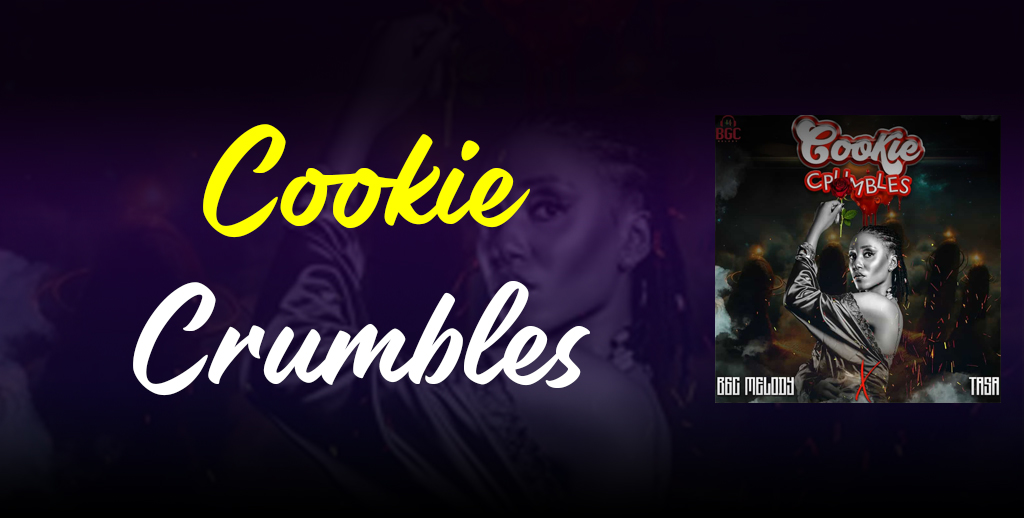
The Princess, The Prince Reality TV Show
Cindy MbandoContestant Number: Princess 07To vote for her, send momo to 652473399 and write PSS 07 as REFERENCE.NOTE: 1 vote is 100FCFA, and it is through the momo number given above. You can vote as many times as you can. Remember, momo vote is 70%.Also like, comment, and share this video as many times as possible to maximize her chances.The Princess, The Prince Reality TV Show.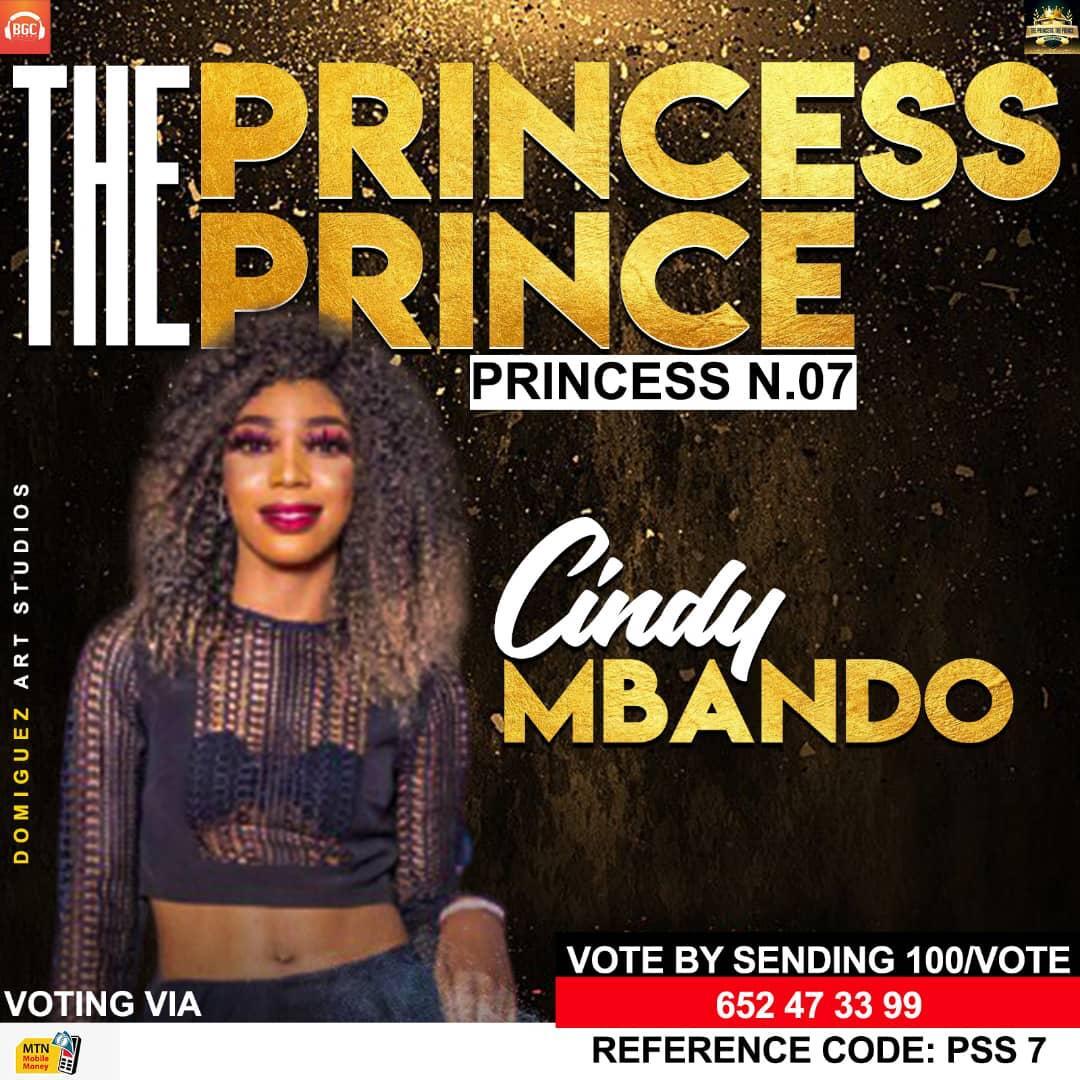
Cindy
-
Ziiana
-
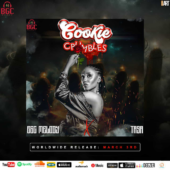
Cameroonian artist Tasa
-






Comments
This post currently has no comments.