
How Streaming Royalties Pay Indie Artists

A record can travel from Yaounde to Washington, DC, London, Lagos, and back through the diaspora in a single weekend. But streams do not automatically become money in an artist’s account. Streaming royalties move through several rights holders, platforms, distributors, publishers, and collection societies before they reach the people behind the music.
For an independent artist, that gap between audience growth and actual income can be frustrating. A song may be gaining real momentum on playlists, short-form video, and fan pages while earnings look smaller than expected or fail to arrive at all. The answer is rarely one fixed rate. It is usually about ownership, registration, metadata, territory, and the agreements signed before release day.
Why one stream can create more than one payment
Every commercially released song contains at least two core copyrights. The first is the sound recording, often called the master. This is the actual recorded performance heard on a streaming platform. The second is the musical composition: the lyrics, melody, and underlying songwriting.
If you wrote, performed, recorded, and released your own song, you may control both sides. If you worked with a producer, featured vocalist, co-writer, label, or sampled another work, those rights may be shared. That is where the paperwork matters. A stream may trigger money for the master owner and separate money for songwriters and publishers.
This is why an artist should never describe streaming income as one pot of money. It is a set of revenue paths connected to one piece of music. Missing one path can mean leaving money unclaimed even while your release is performing well.
How streaming royalties reach an artist
Most artists upload music through a digital distributor, not directly to major streaming services. The distributor delivers the release to platforms, reports usage, and pays the master-side revenue it receives after its fee, commission, or subscription terms are applied. The exact amount per stream changes constantly based on the service, listener location, subscription type, advertising revenue, currency, and the platform’s calculation model.
A premium stream in one market may produce more revenue than an ad-supported stream elsewhere. A track with a large audience in several territories can still earn modestly if much of that listening happens through lower-value tiers. That does not make those fans less valuable. It simply means artists should read royalty reports with context rather than judging a release by an internet-wide payment-per-stream rumor.
The publishing side follows a different route. Interactive streaming services generally generate performance and mechanical publishing royalties for the composition. Those funds may be collected through a performing rights organization, a mechanical licensing administrator, a publisher, or another collection entity depending on the territory and the rights involved.
For artists building internationally, the essential question is simple: who is collecting the master income, and who is collecting the composition income? If the answer to either question is unclear, the release setup is incomplete.
The key players behind the payment chain
An independent release commonly involves four different roles:
- The distributor delivers the master recording and pays the recording owner.
- The label or artist-owned company controls the master, unless a contract says otherwise.
- The songwriter and publisher own or administer the composition.
- Collection organizations license and distribute specific royalty types across their territories.
One person can fill several of these roles, but they should not be confused. A distributor is not automatically a publisher. A performing rights organization does not automatically collect every global publishing royalty. And a producer agreement does not automatically establish a clear ownership split unless it is written down.
The rights artists most often overlook
The most common gap starts with songwriting. An artist who wrote the hook, verse, melody, or lyrics needs accurate writer information attached to the composition. If three writers created a song, their splits should total 100 percent and be agreed upon before the music is delivered. A verbal promise made in a studio session becomes difficult to prove after a record takes off.
Producer participation also deserves attention. Some producers are paid a flat fee. Others receive a percentage of master revenue, publishing, or both. Neither arrangement is automatically right or wrong. The trade-off depends on budget, leverage, the producer’s contribution, and the long-term vision for the release. What matters is confirming the agreement in writing before the track becomes commercially active.
Featured artists can create a similar issue. A feature may be a work-for-hire performance, a master royalty participant, a co-writer, or all three. Credit alone does not explain compensation. The deal should.
There is also revenue from non-interactive digital radio and certain neighboring-rights uses. In the United States, SoundExchange collects digital performance royalties for sound recordings played on eligible non-interactive services, not on-demand services such as Spotify or Apple Music. Outside the United States, neighboring-rights rules and collection systems differ. Artists with listeners across Africa, Europe, North America, and the Caribbean should consider professional rights administration that can identify and collect internationally rather than assuming one registration covers every use.
Metadata is part of the music business
Metadata may sound technical, but it is the information that tells the industry who made a record and where money should go. A great Afrobeats single with incomplete metadata can circulate widely while creating a collection problem for its creators.
Before delivery, confirm the artist name is consistent across releases, writer names match their registered professional names, and all featured performers are properly credited. Keep the International Standard Recording Code, or ISRC, for each track and the UPC for the release. These identifiers help distinguish your music from another artist’s similarly titled song and make reporting easier to track.
Use correct language, lyric, publisher, producer, and ownership details. If the title is transliterated from French, Lingala, Pidgin, Duala, or another language, choose a consistent spelling and preserve it across distribution, publishing registration, video descriptions, and promotional assets. Small inconsistencies can create big problems when a catalog grows.
This is especially relevant for diaspora artists who work across countries. A writer may use one name socially, another name on a passport, and a third name on a prior release. Clean that up before launch. It is easier to establish a professional catalog once than to repair fragmented credits after thousands of fans have saved the record.
Release strategy affects royalty potential
Streaming royalties are not only an accounting issue. They are shaped by whether people hear the record more than once and whether the release has a long enough campaign to find its audience.
A rushed upload with no visual assets, no press story, no radio plan, and no follow-up content can disappear before the platforms receive enough signals to understand who should hear it. By contrast, a focused campaign gives the song multiple entry points: a music video, performance clip, behind-the-scenes story, dance content, DJ outreach, community pages, interviews, and direct fan prompts to save and revisit the track.
That does not mean every artist needs a huge budget. It means the release should have a purpose. A club-driven record may need DJ relationships and regional event support. A reflective Afro-pop song may connect through a lyric visual, a strong artist profile, and targeted media coverage. A collaboration can introduce both artists to new markets, but only if each team actively promotes it.
At BGC Melody, this is the practical connection between release support and artist development: a track needs both correct business foundations and sustained cultural visibility. Marketing cannot repair missing ownership data, and registrations alone cannot create a fan base. Both sides should move together.
Read the statement, not the hype
Streaming dashboards can be addictive, especially during release week. They are useful for watching where listeners are located, which songs are converting, and whether a campaign is creating momentum. But they are not the same as a final royalty statement.
Payments often arrive on a delay because platforms report usage after the listening period, distributors process those reports, and publishing collections follow their own schedules. A strong first month may therefore show up financially later. Plan cash flow accordingly, particularly if you are funding videos, travel, public relations, or a live rollout from your own budget.
When the statement arrives, examine more than the total. Look at territories, platforms, number of streams, deductions, and the terms of your distribution arrangement. If a number seems wrong, compare the reported period with your release date and check whether all stores were live. Do not confuse a low early payout with proof that a song has failed. At the same time, do not let impressive stream counts distract from an unfavorable contract or a catalog you do not control.
Build a catalog that can pay you back
The smartest royalty strategy begins before the first upload. Keep signed split sheets, producer agreements, feature agreements, lyric records, metadata files, cover art approvals, and proof of ownership in an organized release folder. Register works promptly, review your distributor terms, and know who has authority to approve licensing opportunities.
Then give every release time to work. A song that does not explode in its first week can still build through playlists, video discovery, radio, live performance, and the steady loyalty of diaspora communities. Your next release should not only sound ready for the world. Its rights, credits, and collection plan should be ready too.
Latest Movie
The Princess, The Prince Reality TV Show
Cindy MbandoContestant Number: Princess 07To vote for her, send momo to 652473399 and write PSS 07 as REFERENCE.NOTE: 1 vote is 100FCFA, and it is through the momo number given above. You can vote as many times as you can. Remember, momo vote is 70%.Also like, comment, and share this video as many times as possible to maximize her chances.The Princess, The Prince Reality TV Show.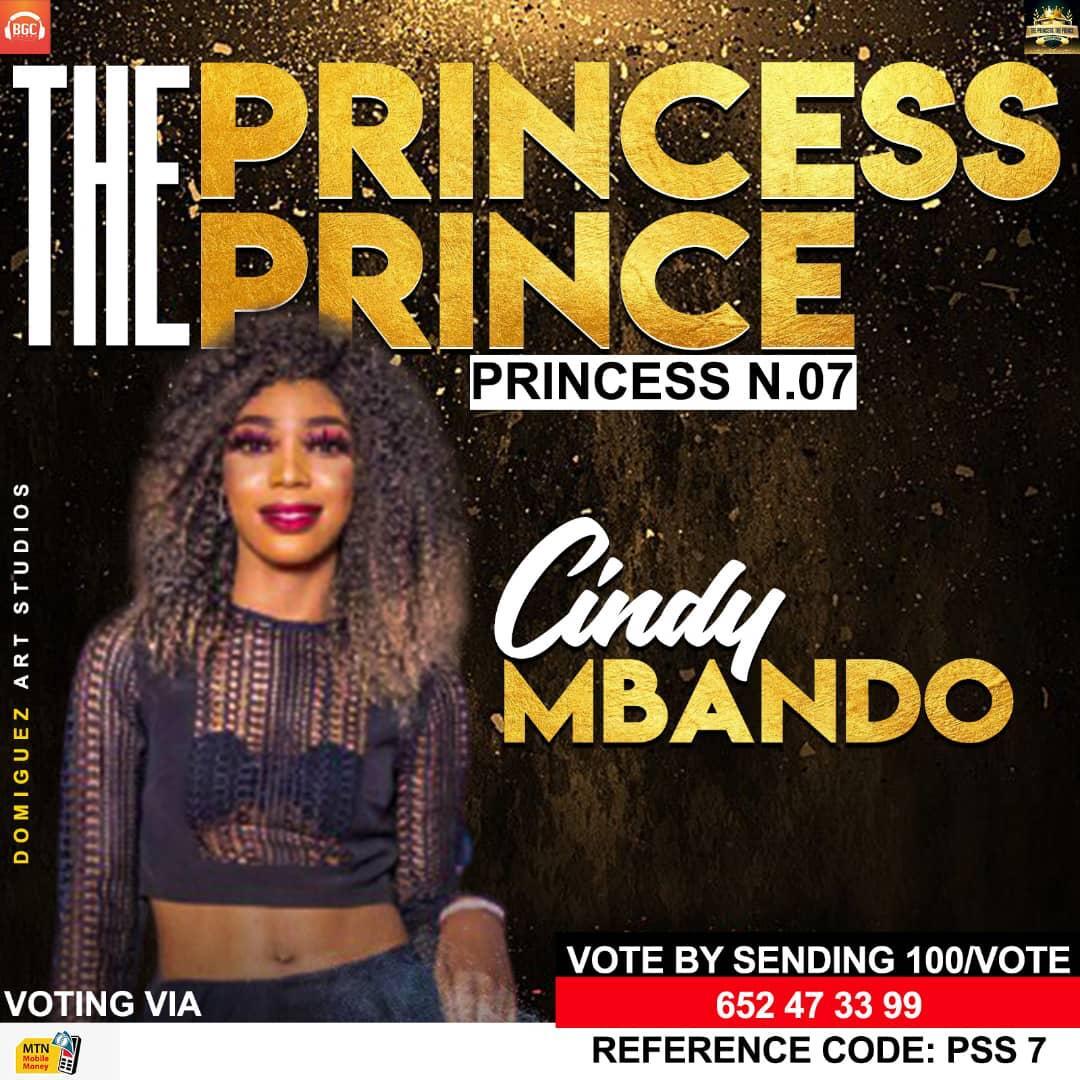
Cindy
-
Ziiana
-
Cameroonian artist Tasa
-








Comments
This post currently has no comments.