
How to Build a Diaspora Fanbase That Lasts
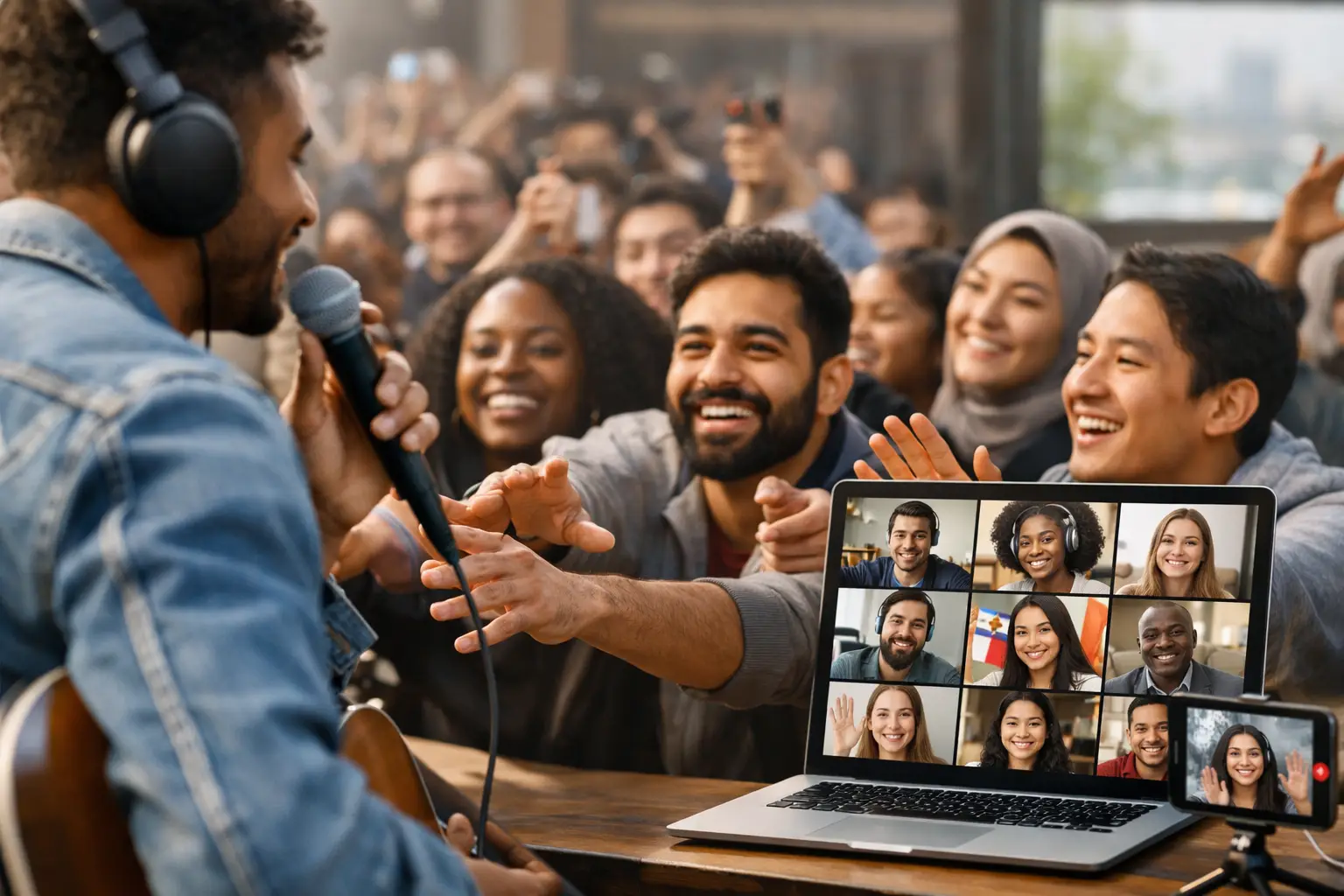
A listener in Houston hears your hook at a family cookout. Someone in Berlin finds the video through a dance clip. A fan in Douala sees their city and language represented in your lyrics. They may live thousands of miles apart, but each is looking for more than a song. They are looking for a cultural signal that feels real. That is the foundation of how to build a diaspora fanbase: make the music travel without making the identity generic.
For African and diaspora artists, international attention can arrive quickly and disappear just as fast. A viral moment is useful, but a fanbase is built through repeated reasons to listen, share, attend, and identify with the artist behind the release. The work is creative, but it also requires a release plan, media discipline, audience data, and direct communication.
Start With a Clear Cultural Position
Diaspora audiences are not one market. A Cameroonian listener in Maryland may respond to a different reference point than a Nigerian music fan in Toronto, a Congolese community in Brussels, or a global Afrobeats listener in Los Angeles. They may all enjoy the record, but their path to it can be different.
Start by defining the cultural center of your artist brand. This is not a request to reduce your sound to a flag, a language, or a costume. It means being clear about the stories, rhythms, visual codes, places, and values that make your work recognizable. If your music blends makossa with Afropop, say so and show it. If your rap carries Kinshasa slang over Detroit-inspired production, let that tension become part of the story.
Specificity creates recall. The artist who tries to sound like everybody often becomes difficult to remember. The artist who gives listeners a distinct world gives them something to represent.
Your positioning should answer three practical questions: What do people hear first? What do they see first? What do they repeat when recommending you to a friend? Keep those answers consistent across your artist profile, cover art, music videos, interviews, and stage introductions.
Build the Diaspora Fanbase Around Moments, Not Posts
A fanbase does not grow because an artist posts every day. It grows because the audience has a reason to care at the right moment. Each release should create a sequence of moments that moves people from discovery to participation.
Before the single drops, introduce the feeling behind it. Share a short studio performance, a lyric that carries emotional weight, or a visual detail from the video. Do not give away every part of the song. Give people a reason to anticipate the full experience.
At release, make the call to action simple. Choose the priority: listen, watch, save, download, attend, or create with the track. Trying to push every action in one caption weakens the message. A music video premiere may be about views and comments. A club-ready single may be about DJs, dance creators, and repeat listening. An intimate acoustic record may work better through lyric-led clips and fan stories.
After release week, keep the record alive with new angles. Show the making of the beat, perform a stripped version, highlight a fan dance, explain a phrase in the lyrics, or post footage from a live set. The goal is not to recycle content without thought. It is to let different parts of the audience enter through the door that fits them.
Make Content Legible Across Borders
Language is a strength, not an obstacle. Songs in French, Lingala, Pidgin, Duala, Swahili, or other African languages can build deep loyalty because they carry texture that listeners cannot get from a standard pop release. But clarity helps a broader audience connect.
Use captions on video clips. Translate key lyrics without flattening their meaning. Add short context when a reference is local or historical. A fan does not need to speak every word to feel the record, but they should have a path into the story.
Visual content matters just as much. A strong video can introduce fashion, movement, neighborhood energy, and personality to people hearing an artist for the first time. Low-budget does not have to mean low-intent. One focused concept, good lighting, clean editing, and a memorable performance often travel further than an expensive video with no point of view.
Go Where Diaspora Communities Already Gather
Do not wait for the algorithm to identify your audience perfectly. Diaspora fans already gather around cultural events, student associations, restaurants, faith communities, barbershops, dance classes, radio programs, nightlife, and community-led online spaces. The right approach is respectful participation, not dropping links into every available group.
Build relationships with DJs, hosts, promoters, dance instructors, campus organizers, and community radio personalities who already have trust. Give them material they can use: a clean version of the song, a concise artist bio, high-quality press photos, a video clip, and a clear contact point. If they support the release, acknowledge them publicly and keep the relationship active after the campaign ends.
Radio and local event circuits can be especially valuable for artists whose audience is spread across cities. A single play may not transform a career, but repeated exposure through trusted cultural platforms makes an artist familiar. Familiarity is what turns a name on a flyer into a ticket sale.
Live shows should match your current audience size. A headline event is powerful when demand exists. If it does not, open for an established act, join a diaspora festival, perform at a curated showcase, or host a smaller listening event. A room of 80 engaged people who film, sing, and return is more useful than a half-empty venue selected only for its prestige.
Turn Attention Into a Direct Relationship
Social platforms are rented space. Their rules change, reach fluctuates, and a strong post can disappear from view in a day. Build direct channels while attention is high.
Invite fans to join a text list, email list, broadcast channel, or close-friends community where they can receive first access to songs, show announcements, merch drops, and behind-the-scenes updates. Offer a real reason to join. Early access to an unreleased track or a chance to attend a private listening session is stronger than a vague promise of updates.
Speak to fans like collaborators in the journey. Ask which city should get the next show. Let them vote on a video still or track order when the decision is genuine. Feature fan-made dance clips and covers with credit. Diaspora audiences often become powerful street teams because music gives them a visible way to celebrate where they are from.
This does not mean every fan request should direct the art. Artists need vision. It means fans should feel seen when they invest time, money, and pride in the movement.
Use Data Without Letting It Flatten the Art
Streaming and social data can show where momentum is forming. Review the cities driving saves, repeat listens, video completion, profile visits, and ticket interest. Compare that information with comments and direct messages. Numbers tell you where activity is happening; conversation tells you why.
If listeners in Atlanta, Paris, and Johannesburg are responding to the same song, do not assume they need the same campaign. Atlanta may respond to DJ support and live appearances. Paris may engage with fashion-forward video content and Francophone media. Johannesburg may connect through collaborations, dance content, or regional playlists. The music can stay consistent while the entry point changes.
Watch for vanity metrics. A large view count with few saves, follows, comments, or repeat listeners may signal broad but shallow exposure. A smaller release with strong completion rates, direct messages, and show turnout may be the better foundation. Build around behavior that indicates commitment.
Collaborate for Credibility, Not Just Reach
The right collaboration can introduce an artist to a new diaspora pocket quickly. But a feature should feel musically and culturally believable. Chasing a bigger name with no connection can make the release feel transactional and leave both audiences cold.
Look beyond recording artists. A dance creator, filmmaker, radio host, stylist, or event curator can help a campaign move through culture in ways a standard feature cannot. Give collaborators room to bring their own audience and creativity to the record.
For emerging artists, BGC Melody approaches this as an integrated campaign: release strategy, visual promotion, press visibility, radio support, and live opportunities should reinforce the same artist story. A song needs a team around it if it is expected to cross borders with purpose.
Stay Long Enough to Become Part of the Community
A diaspora fanbase is earned through consistency. Release music people can return to, show up in the places that matter, and keep telling a story that sounds like a real person rather than a campaign slogan. Some songs will travel immediately. Others will find their audience months later through a DJ set, a family party, or a fan who finally hears their own experience in your lyrics.
Keep making it easy for that fan to take the next step. Give them a reason to listen again, bring a friend, and say your name with confidence.
Latest Movie
The Princess, The Prince Reality TV Show
Cindy MbandoContestant Number: Princess 07To vote for her, send momo to 652473399 and write PSS 07 as REFERENCE.NOTE: 1 vote is 100FCFA, and it is through the momo number given above. You can vote as many times as you can. Remember, momo vote is 70%.Also like, comment, and share this video as many times as possible to maximize her chances.The Princess, The Prince Reality TV Show.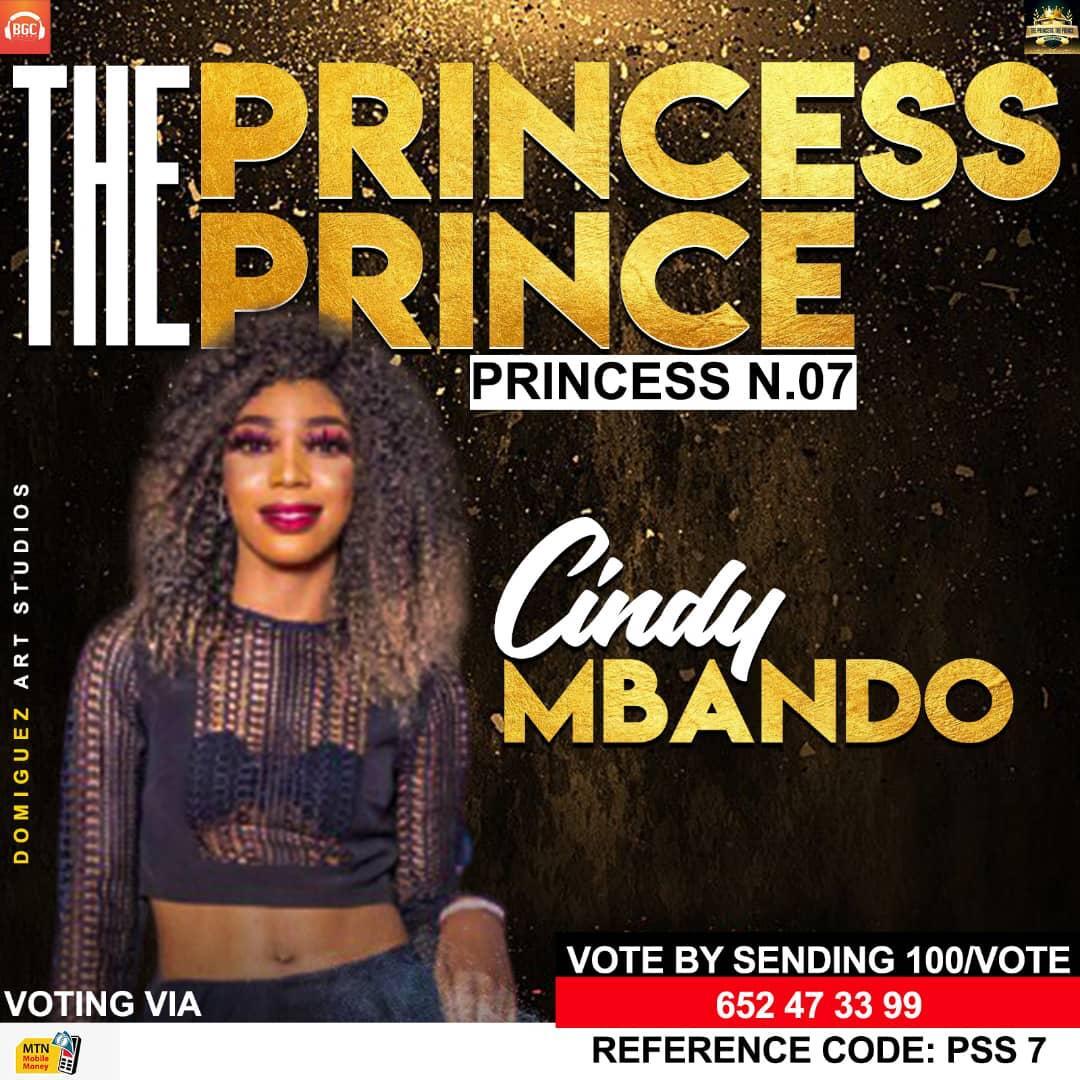
Cindy
-
Ziiana
-
Cameroonian artist Tasa
-




Comments
This post currently has no comments.