
How to Find A&R Representatives Who Fit

A&R is not a lottery ticket. The right representative can recognize a record’s potential, help shape its commercial direction, and connect an artist to a wider release strategy. But artists who learn how to find A&R representatives quickly discover that access is only half the work. You also need music that makes a busy listener stop, a clear point of view, and evidence that you are ready to build.
For African and diaspora artists, that readiness often means more than a strong song. It means being able to explain your sound, your audience, your market, and where your next release can travel – from your home city to diaspora listeners, radio, playlists, video platforms, and live stages.
Know What an A&R Representative Actually Does
A&R stands for Artists and Repertoire. At a label, music company, or management-connected operation, an A&R representative searches for talent, evaluates songs, helps develop recordings, and may advocate internally for signing, distribution, marketing support, or partnerships.
That does not mean every A&R professional has the power to sign an artist alone. Some are scouts. Some are executives who need approval from a larger team. Some focus on songwriting, producer relationships, or catalog projects. Others work independently and introduce artists to labels, publishers, managers, and brand partners.
The best opportunity depends on your goal. If you need funding and a structured release team, a label A&R contact may be relevant. If you already own your masters and want a stronger campaign, a distribution, marketing, or artist-management relationship may make more sense. Do not chase a major-label meeting simply because the logo is famous. Chase the person and the path that match your next move.
Build a Package Before You Start Looking
A&R representatives are listening for a reason to continue listening. Your first impression should make that decision easy.
Start with two or three finished tracks that represent your current sound. Do not send ten unfinished demos and ask someone else to find the single. Lead with your strongest record, then support it with songs that show range without making your identity confusing. If your music sits between Afrobeats, rap, R&B, amapiano, dancehall, makossa, or pop, describe that blend clearly and let the records prove it.
Your artist package should also include a short biography, professional images, active social profiles, and one clean place to hear the music. Add meaningful proof: recent releases, streaming traction, radio support, press mentions, live performance clips, notable collaborations, or a growing city-by-city fan base. Numbers matter, but context matters more. Ten thousand engaged listeners in a defined community can be more persuasive than inflated views with no comments, saves, ticket sales, or repeat engagement.
A one-sentence positioning statement helps. For example: “A Cameroon-born Afropop artist making melodic dance records for African and diaspora nightlife audiences.” This is not about limiting your artistry. It shows that you understand who the music is for and how a team can introduce it.
How to Find A&R Representatives Through Real Music Activity
The most effective way to find A&R representatives is to follow the work they already touch. Look at credits on records from artists whose careers feel comparable to yours. Study label rosters, distribution announcements, publishing news, producer credits, music-video rollouts, showcase lineups, and industry panels. You are looking for people who consistently engage with your lane, not generic decision-makers with impressive titles.
Social platforms can help when used with discipline. Search for A&R professionals, label teams, music supervisors, project managers, and artist-development staff. Read what they post. Notice the artists they celebrate, the events they attend, and the type of material they request. A profile that says “A&R” is not automatic permission to send an unsolicited file. Treat it as research first.
Industry events are still valuable because they let people experience your professionalism in real time. Attend showcases, listening sessions, conferences, open mics with credible curators, producer camps, and cultural festivals. Go to meet people, not to corner them. A concise introduction, a memorable performance, and a thoughtful follow-up can do more than dozens of copied direct messages.
Your existing network is often closer to A&R than you think. Producers, engineers, DJs, photographers, video directors, radio hosts, promoters, managers, and other artists can make credible introductions when they trust the music and your work ethic. Build those relationships before asking for favors. Show up for their releases and events. Pay people properly when you hire them. Be known as an artist who finishes records, respects time, and moves with consistency.
Make the First Contact Worth Opening
When you find a relevant person, send a short, specific message. Mention one reason you believe your music fits their interests, introduce yourself in one line, and lead with one record. Avoid life stories, oversized attachments, and messages that demand a deal.
A useful outreach note might say that you are an independent artist preparing a release, name the song, mention a relevant achievement, and ask whether they are open to hearing it. Keep it human. If the representative recently supported an artist in your scene, say so only if you genuinely know the work. Empty praise is easy to spot.
Give the listener a clean experience. Make sure the track title, artist name, artwork, metadata, and contact information are correct. If you are sending a private release, label it clearly. If a video exists, use the version that reflects your current visual standard. Broken links, unclear files, and unfinished mixes signal that you may not be ready for a larger campaign.
Follow up once after a reasonable period, especially if they invited you to send music. If there is no reply, do not turn silence into conflict. Keep releasing, improving, and creating new reasons for the market to notice you. Timing is real in music. A representative may pass on one record and respond strongly to the next.
Show Momentum, Not Just Potential
A&R teams want artists who can create demand as well as music. You do not need celebrity-level numbers, but you do need movement. A regular release schedule, engaged supporters, clear visual identity, and visible performance activity tell a stronger story than a private folder of unreleased songs.
Build each release as a campaign. Tease the record with purpose, create short-form performance content, secure quality images, involve DJs and community media, and give fans a reason to save, share, comment, and return. If you have a music video, make it part of the record’s narrative rather than an afterthought. Strong visual storytelling is especially powerful for artists introducing African sounds and identities to new audiences.
This is where integrated support can change the conversation. An artist with good records may need release planning, press coverage, radio plugging, video distribution, and management guidance before label attention becomes useful. BGC Melody works across those connected areas because visibility is not one action – it is a coordinated run of actions around the music.
Protect Yourself From False A&R Offers
Real opportunity should not require panic, secrecy, or unexplained fees. Be cautious when someone promises guaranteed placement, a major-label deal, or instant streams in exchange for money. Legitimate professionals may offer paid consulting, marketing, or development services, but they should explain exactly what they provide, what it costs, and what they do not control.
Before signing anything, understand the term, territory, ownership, recoupment structure, release commitments, creative control, and exit clauses. A distribution agreement is different from a licensing deal. A management agreement is different from a recording contract. Ask an entertainment attorney or an experienced music-business adviser to review serious paperwork. Excitement is not a substitute for clarity.
Also watch for representatives who ask you to remove your team immediately or pressure you to abandon your cultural identity for a trend. Development should sharpen your value, not erase the reason listeners connected with you.
Keep Building While You Search
The strongest A&R outreach is often the outreach you no longer need to force. When the songs improve, the audience responds, and the campaign has a clear rhythm, industry people start hearing your name through multiple channels. That is the position to work toward.
Make records that sound like a future people can recognize. Release them professionally. Be present where your audience gathers. Then approach the right A&R representatives with a story already in motion – not a dream waiting for someone else to begin.
Latest Movie

The Princess, The Prince Reality TV Show
Cindy MbandoContestant Number: Princess 07To vote for her, send momo to 652473399 and write PSS 07 as REFERENCE.NOTE: 1 vote is 100FCFA, and it is through the momo number given above. You can vote as many times as you can. Remember, momo vote is 70%.Also like, comment, and share this video as many times as possible to maximize her chances.The Princess, The Prince Reality TV Show.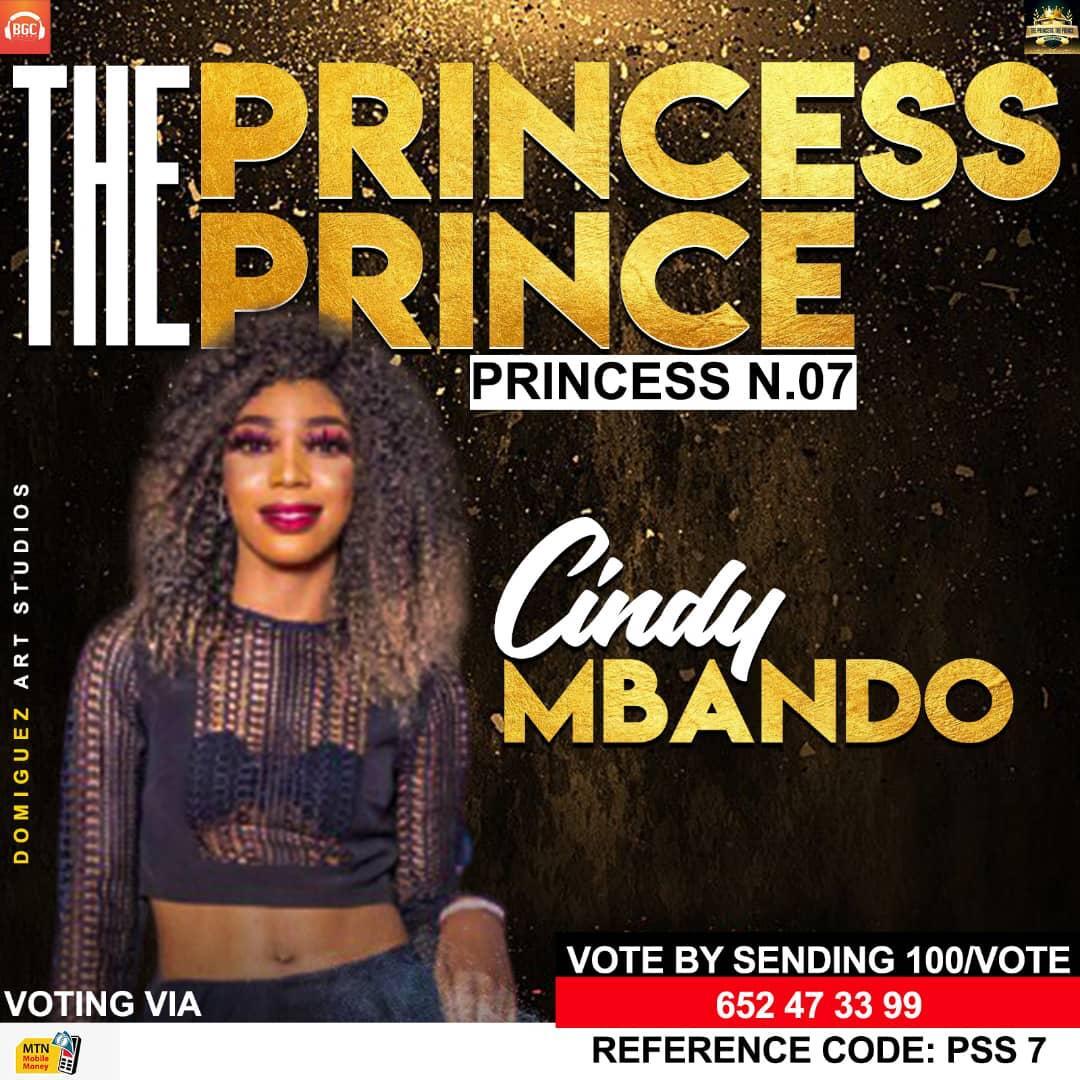
Cindy
-
Ziiana
-
Cameroonian artist Tasa
-







Comments
This post currently has no comments.