
How to Negotiate Performance Contracts for Better Shows

A promoter says the date is confirmed, the flyer is ready, and the room is waiting for your answer. That momentum feels good, but it is exactly when artists can agree to terms that cost them money, control, or credibility. Knowing how to negotiate performance contracts means turning a verbal opportunity into a professional booking that protects your music, your team, and your live reputation.
For African and diaspora artists building audiences across cities, countries, and different event markets, every show can carry more than a performance fee. It can introduce a new fan base, strengthen a release campaign, create video content, or open a relationship with a promoter who can book you again. The contract should support that opportunity, not leave the artist carrying all the risk.
Start With the Business Goal, Not the First Offer
Before you negotiate numbers, decide what this show needs to accomplish. A paid headline appearance is not the same as a strategic festival slot, a media showcase, a university event, or a brand activation. An emerging Afrobeats artist may accept a lower fee for a major market if the promoter covers travel, provides a strong production package, and commits to meaningful marketing. That can be a smart trade, but only when the trade is specific.
Ask what success looks like after the event. Is the priority income, new listeners, quality footage, press access, merchandise sales, or a foothold in a new territory? Your answer gives you a clear negotiating position. It also stops you from accepting vague promises such as “great exposure” in place of payment or documented promotion.
A promoter is not automatically acting in bad faith because they offer a low fee. Budgets vary, ticket sales are uncertain, and some events are genuinely small. The issue is whether the risk is being shared fairly. If the promoter expects a full performance, travel, rehearsal time, and exclusive use of your name, the agreement should reflect the real value of that work.
How to Negotiate Performance Contracts Before You Sign
The strongest negotiations happen before a contract draft arrives. Send a concise booking outline that states your requested fee, set length, available dates, travel party, technical needs, payment schedule, and any non-negotiables. This makes the conversation easier for the promoter and reduces confusion later.
Do not negotiate against yourself by lowering your fee before the promoter responds. Quote a figure based on your draw, the market, the event type, your travel burden, and the production expectation. If a promoter cannot meet the fee, negotiate the overall deal rather than simply accepting less. They may be able to cover flights, hotel rooms, ground transport, per diems, backline, content capture, or a larger share of ticket revenue.
If the show is part of a release campaign, ask for tangible promotional commitments. That may include your name and image on the main event artwork, agreed social posts, radio mentions, press outreach, and access to approved photos or video after the show. Marketing language should be measurable where possible. “Promoter will promote artist” is weak. “Promoter will publish artist-approved billing on event artwork and complete three social posts before the event” is easier to track.
Know Who Has Authority to Book You
Confirm who is actually responsible for the event. Is the person contacting you the venue owner, the promoter, an event producer, or a third-party coordinator? Request the legal business name, billing contact, event address, and the name of the person authorized to sign. A contract is only useful if the other party can be identified and held to its obligations.
For international bookings, clarify the currency, bank fees, tax withholding, visa support, and immigration documentation early. A fee that looks strong on paper can shrink quickly after exchange-rate losses, unreimbursed travel, and unexpected deductions. If taxes may be withheld, ask for the applicable documentation and confirm whether the stated fee is gross or net.
Put the Money Terms in Plain Language
The fee deserves more detail than one number at the top of the agreement. State the total guaranteed compensation, currency, due dates, payment method, and the person or entity receiving payment. If you are performing with a DJ, band, dancers, manager, or tour support, clarify whether their costs are included in the artist fee or paid separately.
A deposit is one of the clearest signs that a booking is real. For many engagements, requesting 50 percent upon signing and the balance before performance or on arrival is reasonable. The right split depends on the event and the relationship, but avoid arrangements where you carry all travel and preparation costs while waiting until weeks after the event to be paid.
If payment at the venue is unavoidable, identify the exact time and method. “After the show” can become a frustrating debate at 2 a.m. A better term specifies that the remaining balance is due before the artist takes the stage, or immediately after soundcheck, by cash, certified payment, or confirmed electronic transfer.
For percentage deals, define the math. Is your share based on gross ticket revenue or net revenue after expenses? Which expenses can be deducted? Who provides the ticket report, and when? A percentage can outperform a flat fee for a high-demand event, but it is risky when the promoter controls the reporting without transparency. Consider a guarantee plus a percentage after a clearly stated threshold.
Protect the Show Experience
A performance contract should cover the conditions that allow you to deliver the show your audience expects. Include the date, venue, set time, set length, soundcheck time, stage access, dressing room arrangements, security, and technical requirements. Your technical rider can be attached to the contract, but it should not be treated as an afterthought.
Be realistic about your rider. Asking for essential monitors, microphones, DJ equipment, playback capability, power, lighting, and security is professional. Making demands that do not match the event budget can create friction and distract from the requirements that truly affect your performance. If the promoter cannot meet a production need, agree on an alternative in writing before traveling.
Travel terms matter just as much. Confirm airfare or mileage, hotel standard, number of rooms, ground transportation, baggage allowances, and meal per diems. If a flight delay makes the performance impossible, determine who handles rebooking costs and whether the fee remains payable. Artists should not discover at the airport that “travel covered” meant only a one-way ticket.
Clarify Content, Recording, and Name Use
Live shows are content opportunities, but an artist should control how their performance and likeness are used. The contract should say whether the promoter may photograph, film, livestream, record, or monetize the set. A promoter may reasonably need short clips for event promotion. That does not automatically give them the right to release a full concert recording, sell footage, or use your image in unrelated advertising.
Also approve how your name appears in billing. Correct artist name, logo use, billing position, and event artwork may feel like small details, yet they directly influence audience trust. Never allow a promoter to advertise a guest appearance, collaboration, or headlining status that you did not agree to.
Address Cancellation Before It Becomes a Crisis
Every contract needs a cancellation and postponement section. If the promoter cancels, the agreement should explain whether the deposit is refundable, whether the full fee becomes due within a certain period, and who covers nonrefundable travel costs. If the artist cancels for a preventable reason, the promoter needs clarity too. Fair terms protect both sides.
Force majeure language covers events outside either party’s reasonable control, such as severe weather, government restrictions, venue closure, or major travel disruption. This section should not become a blanket escape clause. Define what happens to the deposit, whether the date will be rescheduled, and how each party documents the situation.
Exclusivity also needs limits. A promoter may ask you not to perform in the same city near the event date. That can be reasonable when they are investing in ticket sales. However, the restricted area and time period should be narrow enough that you are not blocked from other work across an entire region for months.
Negotiate Like a Partner, Document Like a Professional
A firm negotiation does not require hostility. Explain the business reason behind your request: travel is required, the band has costs, the show requires specific equipment, or the promotion must support the ticket price. When you present clear terms, you signal that your career is organized and that your audience deserves a quality experience.
Keep contract discussions in writing, even if the relationship began through a call, direct message, or mutual contact. After each conversation, send a short recap of what was agreed. If terms change, update the contract or use a signed amendment. Verbal assurances are easy to forget once the event is under pressure.
For major fees, complex international dates, brand partnerships, or contracts that transfer recording rights, have an entertainment attorney or experienced manager review the agreement. BGC Melody artists and independent creatives alike benefit from treating performance paperwork as part of career infrastructure, not as a last-minute administrative task.
The best deal is not always the highest fee. It is the booking where the money is clear, the stage is ready, the promotion respects your name, and both sides know what happens if plans change. Build that standard into every negotiation, and each show has a better chance of becoming the next strong step in your catalog and career.
Latest Movie

The Princess, The Prince Reality TV Show
Cindy MbandoContestant Number: Princess 07To vote for her, send momo to 652473399 and write PSS 07 as REFERENCE.NOTE: 1 vote is 100FCFA, and it is through the momo number given above. You can vote as many times as you can. Remember, momo vote is 70%.Also like, comment, and share this video as many times as possible to maximize her chances.The Princess, The Prince Reality TV Show.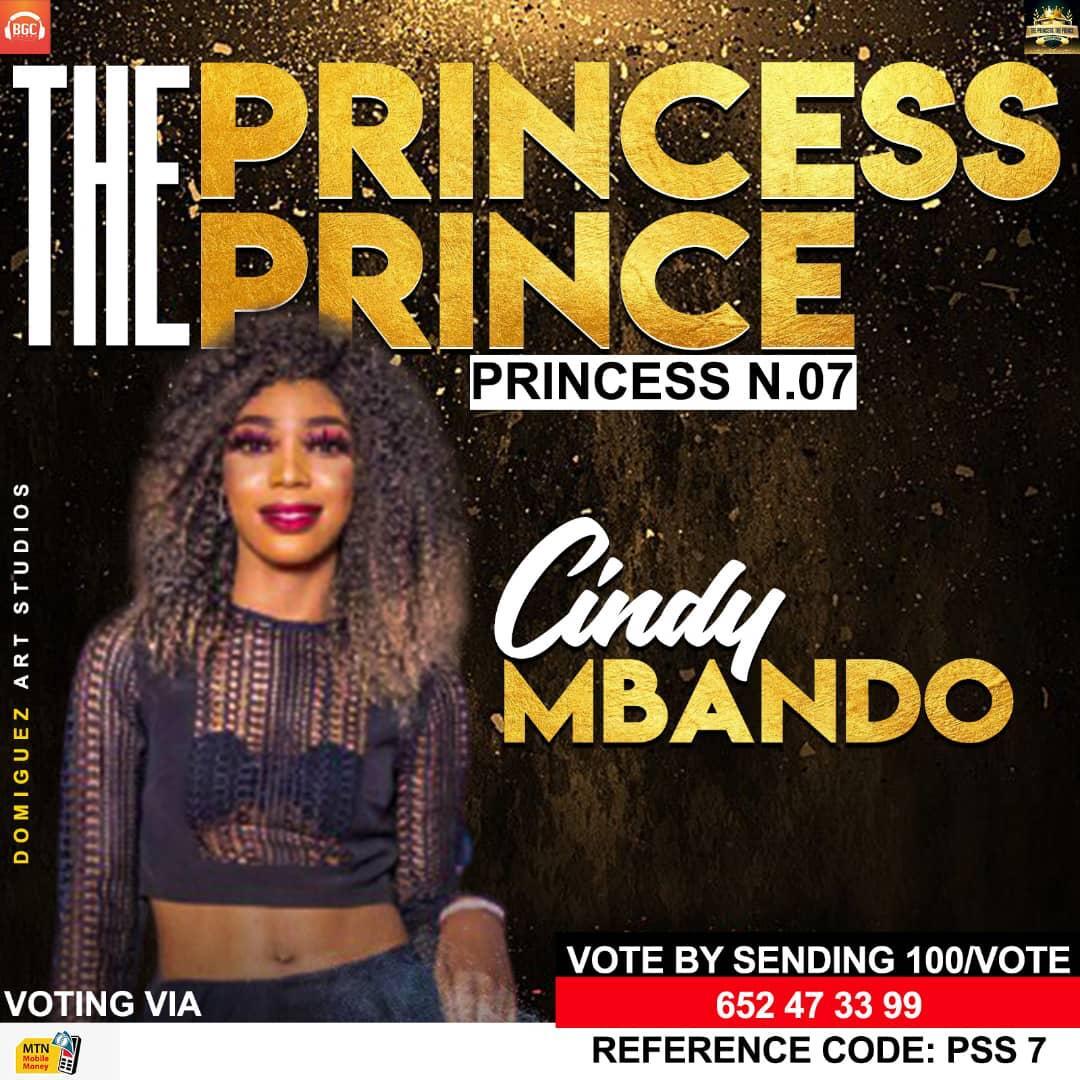
Cindy
-
Ziiana
-
Cameroonian artist Tasa
-





Comments
This post currently has no comments.