
How to Plan an Album Rollout for Bigger Momentum
An album can be finished, mixed, and ready for release while still arriving with no real moment around it. That is the gap a strong rollout closes. Knowing how to plan an album rollout means turning a body of music into a focused campaign that gives fans, media, DJs, curators, and new listeners repeated reasons to pay attention.
For African and diaspora artists, the opportunity is bigger than one release day. Your album may speak to fans in your home market, the U.S., Europe, and communities across the diaspora. Those audiences do not always discover music the same way or at the same time. A rollout gives you a plan for connecting the record, the story, the visuals, and the audience without wasting your budget on scattered promotion.
Start With the Album’s Position in Your Career
Before choosing a release date, decide what this album needs to accomplish. Is it introducing you to the market? Is it the project that moves you from local recognition to international positioning? Is it a statement after a viral single, or a record designed to strengthen a loyal core audience?
That answer changes the campaign. A debut album often needs more artist-story content, media introductions, and collaborations that build trust. An established artist with a fan base may put more energy into ticket sales, fan communities, premium video content, and converting listeners into long-term supporters.
Define one clear audience priority. You can speak to several territories, but you cannot lead every campaign message with every audience in mind. For example, an Afrobeats artist based in the U.S. might prioritize diaspora listeners in major cities while using the album to create press interest in West Africa. A Cameroonian rapper may lead with a home-market anthem while using English-language content and visual subtitles to reach a wider global audience.
Write down the album’s central message in one or two sentences. Not a generic description such as “my best work yet.” Explain the emotional or cultural territory of the record: celebration, migration, heartbreak, faith, street ambition, romance, political reality, or a new sound that blends your roots with where you live now. This message should guide every press pitch, visual, caption, and interview.
How to Plan an Album Rollout Around a Real Timeline
A serious album rollout usually needs at least six to eight weeks of preparation before release, and more if you are producing several videos, booking events, or targeting multiple territories. The music should be fully mastered before the campaign becomes public. Last-minute changes to metadata, cover art, track titles, credits, or distribution files can disrupt your release plan and confuse promotional partners.
Start by selecting a release date that gives your team room to work. Avoid choosing a date simply because it sounds exciting. Consider competing releases, public holidays, major cultural events, your travel schedule, and whether you can actually be available for interviews and content during launch week.
Work backward from that date. Your schedule should include distribution delivery, artwork approval, visual assets, single releases, media pitching, radio servicing, video premieres, rehearsals, and launch activity. Leave time for delays. A video edit can need another round. A feature artist may take longer to approve assets. A blog or radio host may need advance music to schedule coverage.
A practical rollout has three connected stages:
- The build-up creates curiosity through singles, short-form content, artist storytelling, and early press outreach.
- Release week concentrates attention with the album drop, video content, interviews, listening events, radio activity, and direct fan communication.
- The follow-through gives the album a longer life through additional visuals, performance clips, remixes, fan reactions, live dates, and focused promotion around the strongest songs.
The album release is not the finish line. It is the point where the campaign has enough public material to accelerate.
Choose Singles That Do Different Jobs
Do not select every single because it sounds similar or because it is the personal favorite in the room. Each pre-release song should perform a different role. One may be the immediate, high-energy record that works in clubs, dance content, and playlists. Another may reveal your lyrical range or emotional depth. A third may carry a strategic feature that introduces you to another fan base.
Two or three singles are often enough for an independent album campaign. Too many can make the final project feel old before listeners hear it as a complete body of work. Too few can leave press and fans without enough entry points. The right number depends on your budget, the size of your existing audience, and the strength of the songs.
Give each single its own mini-campaign. That means a cover or campaign visual, short clips, a clear call to listen, an artist explanation, DJ and radio outreach where appropriate, and content that shows how the song lives beyond a streaming link. A dance challenge may work for one record. An acoustic performance, lyric video, or behind-the-scenes studio story may better serve another.
Build a Visual World, Not Random Posts
Fans should be able to recognize that your singles, album cover, videos, photos, and live imagery belong to one era. This does not require an expensive production every week. It requires discipline. Establish colors, styling, locations, typography, and a visual mood that reflect the album.
Plan a content bank before the campaign starts. Shoot enough photos and videos to support the full schedule, not only release day. Capture vertical performance clips, rehearsal footage, interview moments, studio scenes, cover-art reveals, track-by-track commentary, and footage that can be edited into short social posts.
The trade-off is simple: polished visual content can create credibility, but too much perfection can make an artist feel distant. Mix high-production assets such as an official video with direct phone-shot updates, live reactions, and personal messages. The campaign should look intentional while still feeling alive.
If your album crosses languages or markets, make accessibility part of the visual plan. Use accurate subtitles on key videos, provide clean lyric excerpts, and make sure names, credits, and release details are consistent everywhere. This is especially valuable for artists whose music moves between French, English, Pidgin, Lingala, Swahili, or other languages spoken across African and diaspora communities.
Treat Press, Radio, and Community as Separate Lanes
Streaming promotion alone rarely creates the full visibility an album needs. Media, radio, tastemakers, and community platforms each add a different kind of credibility. A press feature can explain your story. Radio can create repetition and local recognition. A respected DJ, host, dancer, or culture page can put the music in front of an audience that already trusts their taste.
Prepare a professional campaign package before outreach begins. It should include a concise artist biography, high-resolution images, album artwork, release details, selected music, video assets, and a clear angle for the project. Journalists and programmers need a reason to care beyond the fact that an album exists.
Pitch the story behind the album, not every song at once. Perhaps it was recorded between cities, built around a new production direction, shaped by your heritage, or created after a defining career moment. Be specific, and avoid exaggeration. Strong media relationships are built when the information is useful and the artist follows through.
For radio, identify where the lead single genuinely fits. A club-ready record and a reflective album cut may need different stations, shows, and hosts. Do not force a song into every format. Focused radio plugging is more valuable than sending one email to hundreds of contacts with no follow-up.
Make Release Week Feel Like an Event
When the album arrives, fans should know exactly what to do: listen, watch, share, attend, request the song, or join the conversation. Keep the message clear. Use the same release language across your platforms, and make the lead call to action visible in every asset.
Schedule activity across the week instead of posting everything at midnight. Release day can begin with a direct artist message and a visual clip. The following days can feature a music video, track-by-track discussion, radio appearance, live session, fan reposts, or a listening gathering. If you have the capacity, host a release event that gives local supporters and industry contacts a reason to experience the project together.
Do not ignore your existing supporters while chasing new audiences. Send personal messages to collaborators, DJs, community leaders, content creators, and fans who have consistently backed your work. Ask for a specific action rather than a vague request for support. People are more likely to share a selected song, attend an event, or post a video when they understand the role they can play.
Keep the Campaign Moving After the Drop
The first week produces useful data, but it does not deliver a final verdict on the album. Look for signals: which songs are being saved, which clips hold attention, which cities are responding, what fans are quoting, and where radio or media engagement is growing. Then put more energy behind what is already moving.
This is where flexibility matters. Your planned focus track may not be the one fans choose. If an album cut begins appearing in videos, comments, or live requests, respond quickly with a visualizer, performance video, lyric content, or targeted outreach. The audience can reveal the next single if you are listening.
Continue releasing moments from the album for several weeks or months. A live performance, remix, feature version, dance edit, documentary-style studio piece, or well-shot video can restart attention without making the campaign feel repetitive. The goal is not to post constantly. It is to keep giving the strongest music a fresh context.
A well-planned album rollout gives your art room to travel. Build the calendar early, protect the story of the project, and stay close to the fans who respond. With the right management, visual strategy, PR, and release support, BGC Melody helps artists turn that attention into a bigger next move.
Latest Movie
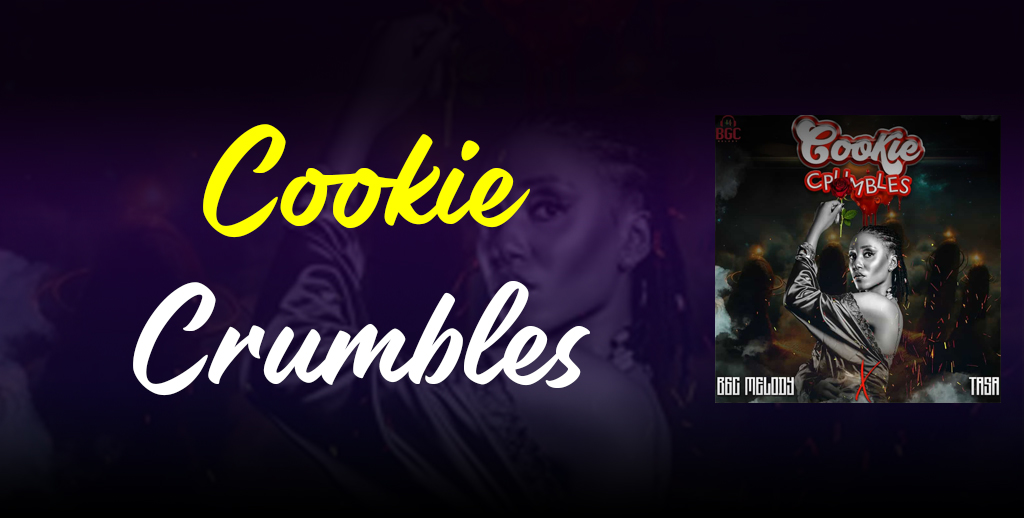
The Princess, The Prince Reality TV Show
Cindy MbandoContestant Number: Princess 07To vote for her, send momo to 652473399 and write PSS 07 as REFERENCE.NOTE: 1 vote is 100FCFA, and it is through the momo number given above. You can vote as many times as you can. Remember, momo vote is 70%.Also like, comment, and share this video as many times as possible to maximize her chances.The Princess, The Prince Reality TV Show.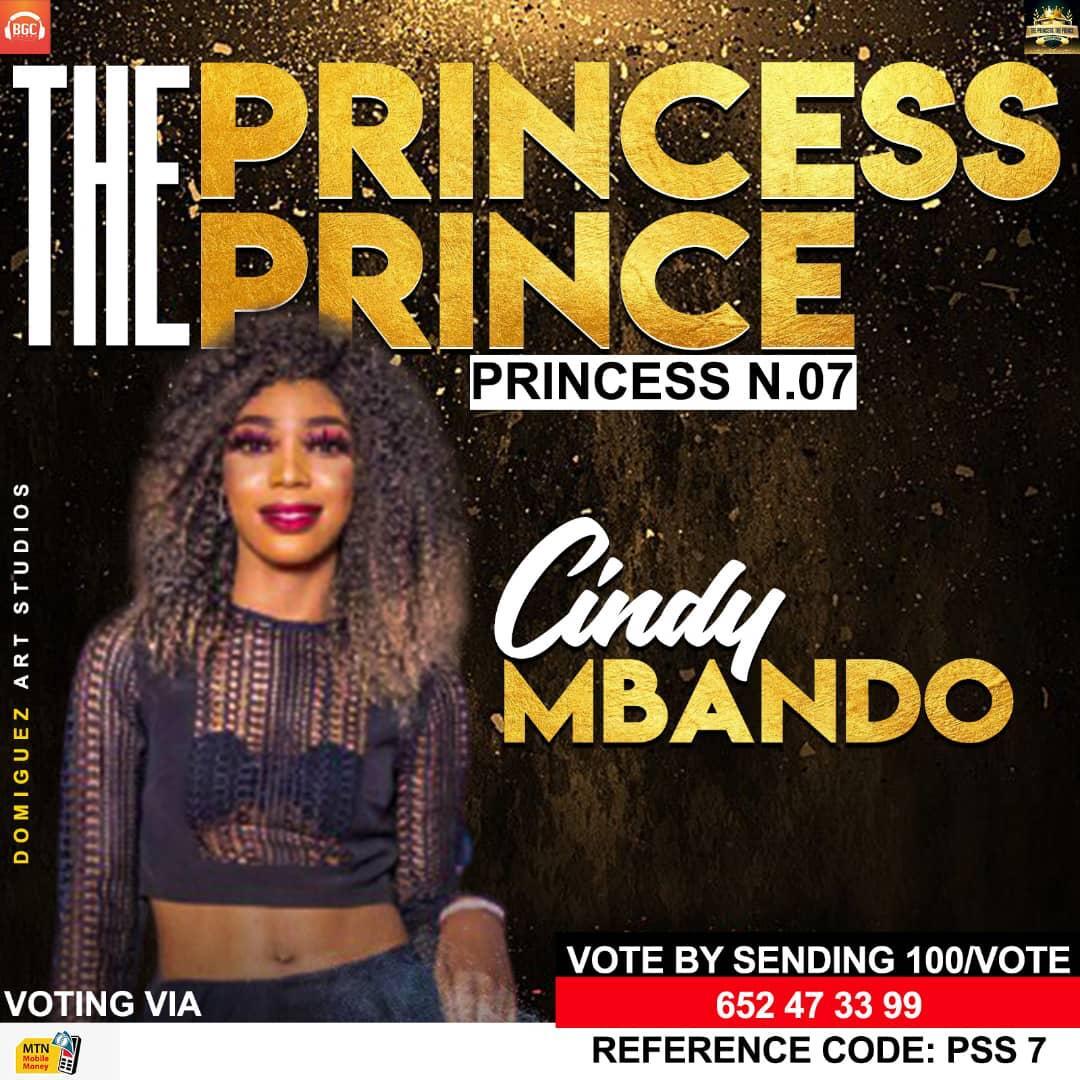
Cindy
-
Ziiana
-
Cameroonian artist Tasa
-



Comments
This post currently has no comments.