
How to Prepare Radio Promo That Gets Played
A strong record can still miss radio if the campaign arrives looking unfinished. Knowing how to prepare radio promo means giving a DJ, music director, or producer a clear reason to press play, enough information to speak about the artist confidently, and an easy path to get the right version of the song.
For Afrobeats, African pop, rap, dance music, and diaspora records, radio remains more than a spin count. It can introduce a new artist to local communities, put a record into a party DJ’s rotation, create social proof for press, and build momentum around a video, live appearance, or digital release. The preparation has to be as intentional as the music.
Start With the Radio Goal, Not the Contact List
Do not send the same pitch to every station just because they have an email address. Decide what the record needs first. A debut single may need discovery through specialty programs, college stations, online radio, community platforms, and DJ mixes. A record with strong local traction may be ready for commercial or regional programming. An established artist releasing a new project may use radio to drive interviews, ticket sales, and repeat listening.
Your goal determines the version of the track, the stations you target, the story you lead with, and how you measure progress. A campaign built for African diaspora radio in Washington, D.C., Houston, Atlanta, New York, Toronto, London, or international online platforms should speak to cultural relevance and listener fit. A crossover campaign may need a wider genre frame, cleaner language, and an especially immediate hook.
Be realistic about timing. If you want radio activity around a release date, prepare the campaign several weeks ahead. Programmers need time to listen, schedule music meetings, request edits, and see whether the song has support beyond the inbox.
Prepare the Right Radio Version of the Song
The radio edit is not an afterthought. It is a professional deliverable that protects the record’s impact while respecting station standards. If the original contains explicit language, sexual references, violent content, or lengthy intros, create an edited version before you begin pitching.
A clean version should sound intentional, not patched together. Muted words, awkward gaps, and obvious reverse effects can make a great song feel difficult to program. Re-recording a line or using a natural alternate lyric is often the stronger choice. Keep the vocal energy, the rhythm, and the memorable phrase that made the record worth releasing.
Length also matters. There is no universal rule, because specialty shows and mix programs can support longer records. Still, a concise version helps when a programmer is listening through dozens of new submissions. If the song takes too long to reveal its identity, consider a radio-focused edit that gets to the vocal, chorus, or central rhythm faster.
Check the technical details before sending
Export a high-quality WAV and a properly labeled MP3. Use a file name that immediately identifies the artist, title, and version, such as “Artist Name – Song Title – Clean Radio Edit.” Avoid vague files labeled “final final” or “new master.”
Listen to the export on headphones, a car system, a phone speaker, and standard studio monitors if possible. A record that feels powerful in a session can lose vocal clarity or low-end control in broadcast processing. The aim is not to flatten the track for every speaker. The aim is to make sure the lead vocal, rhythm, and hook still communicate.
Build a Radio Promo Package That Saves Time
A radio programmer should not have to search through social media to understand the release. Your promo package needs to answer basic questions quickly: who is the artist, what is the record, why does it matter now, and which asset should be played?
Include the clean radio edit, the original version if appropriate, cover art, a high-resolution artist photo, and concise release information. Add verified social handles, location or cultural background where it is relevant to the story, and contact details for the person handling radio follow-up. If the record has a visual, live performance, dance challenge, notable producer, feature, or early playlist support, mention it only when it strengthens the case.
The artist bio should be short enough to use on air. “Cameroonian-born Afropop artist based in Maryland” is more useful to a host than three paragraphs of broad career claims. Give them language they can say naturally before introducing the song.
For a campaign with multiple versions, label each one clearly. A DJ mix, instrumental, clean edit, explicit master, and short intro version can all be useful, but only if they are organized. Too many poorly explained attachments create friction. Send the primary radio version first and make the other options available on request.
Write the Pitch Like a Programmer Will Read It
The best radio email is direct. Lead with the artist and track title, then state why the record fits that particular station or show. A late-night Afrobeats program, a community drive-time show, and a hip-hop mix DJ may each respond to a different part of the same release.
Keep the first message tight. Introduce the record, identify the clean version, give one or two credible reasons to listen, and make the asset easy to access. Do not write as if airplay is owed. Ask for consideration, feedback, a mix-show add, an interview, or a premiere based on the campaign stage.
A useful pitch may highlight that the record connects amapiano percussion with melodic Afropop, features a respected regional artist, or is gaining momentum around a planned video release. Avoid empty statements such as “the next global hit.” Radio teams hear that language constantly. Specific evidence carries more weight than hype.
Target Stations by Audience and Format
Radio promo is relationship work, not mass mailing. Build a focused list around format, geography, language, audience, and program type. A diaspora-focused station may welcome a record that a mainstream pop outlet cannot program yet, while an online show with a dedicated African music audience can produce more engaged listeners than a larger station with little genre alignment.
Separate music directors, on-air personalities, mix-show DJs, producers, and station managers where possible. Their roles are different. A music director may approve adds, while a DJ may break a record in mixes, and a host may be interested in an artist conversation tied to a cultural moment or local appearance.
This is where a specialized team can turn a release into a coordinated campaign. BGC Melody approaches radio alongside digital promotion, press visibility, video content, and artist positioning, because a station is more likely to pay attention when the record is moving in more than one place.
Personalize without overdoing it
Refer to a show’s format or a recent relevant set when you have a real connection. Do not pretend to be a longtime listener if you cannot name what the program actually plays. One accurate sentence is enough to show that the pitch is purposeful.
Follow up professionally after a reasonable interval. A short follow-up can ask whether the clean edit was received or whether another version would help. Repeated messages every day can damage a relationship before the record gets a fair listen. If a programmer says the song is not a fit, thank them and keep the contact for the next release.
Give Radio a Reason to Stay With the Record
Getting a first spin and building a campaign are different jobs. Once a record starts receiving attention, support it with timely activity. Share confirmed airplay responsibly, thank participating shows, and direct fans to tune in when there is a scheduled interview or guest appearance. Do not claim spins that you cannot verify.
Create moments around the song. A video premiere, challenge clip, community event, tour stop, remix, acoustic performance, or producer interview can give radio a fresh reason to revisit the record. For artists working across Africa and the diaspora, these moments also help connect local identity with a broader international story.
Track responses as carefully as you track streams. Note who received the song, who asked for an edit, who played it, which cities reacted, and which programs may be open to future releases. The numbers matter, but so do the relationships and feedback. If several contacts say the intro is too long or the hook arrives too late, treat that as useful market intelligence, not rejection.
Avoid the Promo Mistakes That Slow Campaigns
The fastest way to weaken a radio campaign is sending unfinished music, missing contact details, and a generic message to everyone. Another common mistake is launching before the artist has decided what happens after airplay. If a listener hears the song and searches for it, the release, artist profiles, visuals, and social channels should be ready to receive that interest.
Do not confuse a large contact database with an effective strategy. Fifty relevant, well-prepared pitches can outperform five hundred random emails. It also depends on the record. Some songs are built for club DJs first, some need culture-focused radio to establish credibility, and others need a strong visual or social moment before programmers will see enough demand.
Prepare every radio campaign as an invitation: make the song easy to hear, make the artist easy to introduce, and give each station a reason to believe its audience will respond. When the next record is ready, bring a cleaner package, a sharper story, and a clearer plan than you brought last time.
Latest Movie
The Princess, The Prince Reality TV Show
Cindy MbandoContestant Number: Princess 07To vote for her, send momo to 652473399 and write PSS 07 as REFERENCE.NOTE: 1 vote is 100FCFA, and it is through the momo number given above. You can vote as many times as you can. Remember, momo vote is 70%.Also like, comment, and share this video as many times as possible to maximize her chances.The Princess, The Prince Reality TV Show.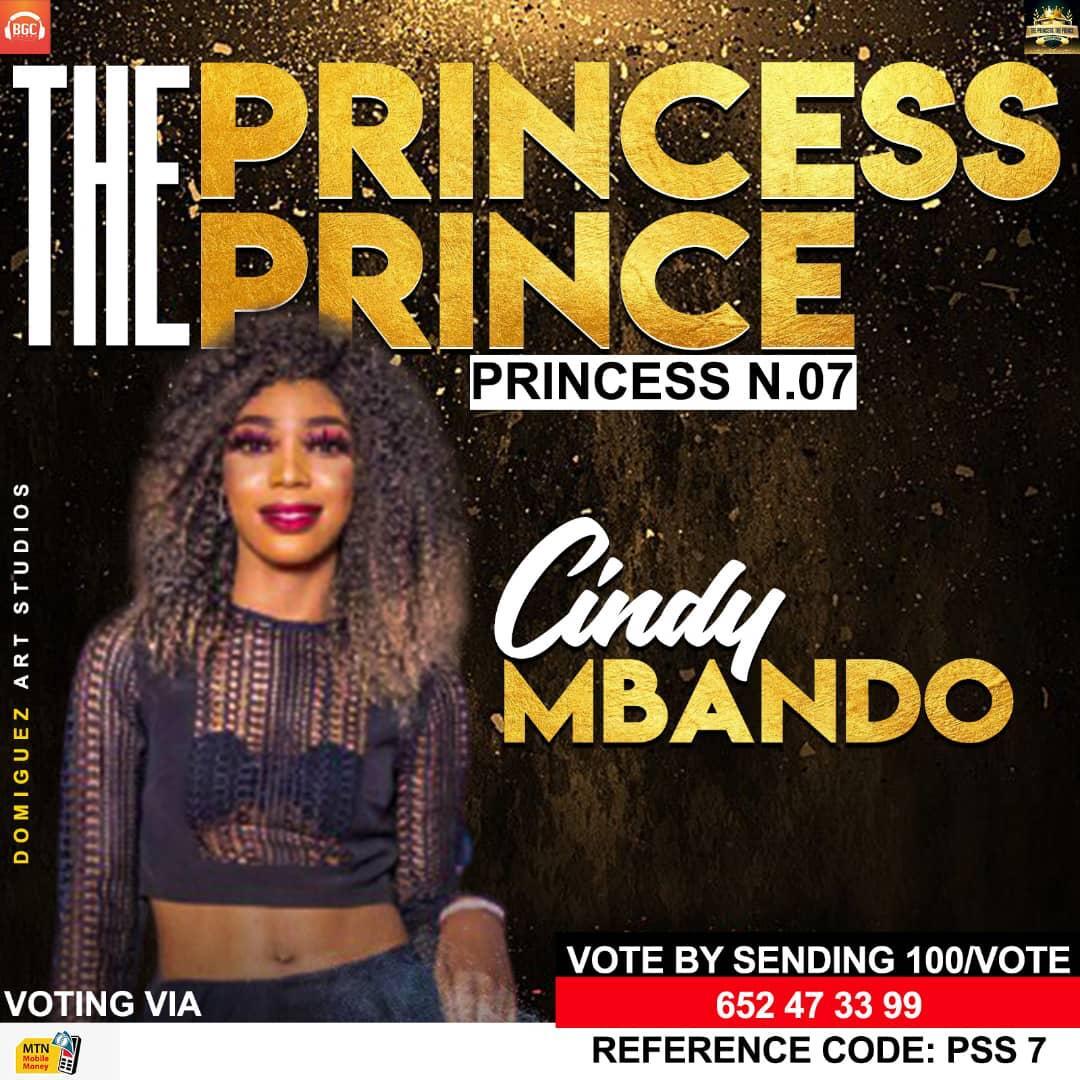
Cindy
-
Ziiana
-
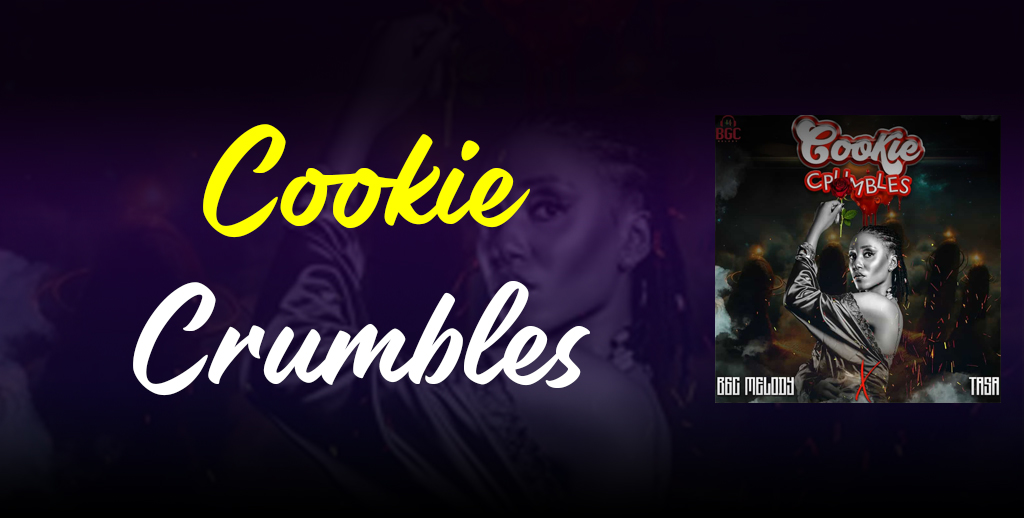
Cameroonian artist Tasa
-








Comments
This post currently has no comments.