
Independent Music Distribution in Africa

A great record can travel from Yaoundé to Atlanta, Kinshasa to Paris, or Lagos to Los Angeles in a weekend. But independent music distribution in Africa is not simply a matter of putting a song on streaming platforms and waiting for listeners to arrive. The artists who build real momentum treat distribution as the operating system behind a release: it protects the music, identifies the artist correctly, delivers the record where fans listen, and gives every promotion effort somewhere useful to land.
For African and diaspora artists, that system must work across different listener habits, payment realities, media markets, and time zones. A fan may discover a song through a short video, hear it on diaspora radio, save it on a streaming service, then search for the artist after a live performance. Distribution needs to support that full path, not just the first upload.
What Independent Music Distribution in Africa Really Means
Independent distribution gives an artist or their team a route to deliver music to digital stores and streaming services without handing over the entire career to a traditional record label. Depending on the distributor and agreement, the artist may retain ownership of the master recording, collect revenue through a dashboard, set release dates, and control how the catalog is presented.
That independence is valuable, but it comes with responsibility. A distributor can deliver audio files and metadata. It usually does not create a fan base, secure press, persuade a DJ to play the record, direct a video, or turn a new listener into a committed supporter. Those are marketing, publicity, visual-content, and artist-development jobs.
The strongest release plans separate the roles clearly. Distribution gets the music into the marketplace. Marketing creates attention. Artist management turns attention into a career decision: the next release, the best collaboration, the right performance, or a brand opportunity.
For an artist releasing Afrobeats, amapiano, hip-hop, gospel, makossa, ndombolo, dancehall, or a sound that refuses neat category labels, this distinction matters. Your music may have global potential, but potential needs accurate delivery and a visible campaign.
Choose a Distribution Model That Matches Your Stage
There is no single best distribution deal for every African independent. The right choice depends on your catalog, budget, team, territory, and how much support you genuinely need.
A self-service distributor can suit an artist who already has finished masters, cover art, accurate credits, a release calendar, and someone managing promotion. It is often the fastest and least expensive route to digital delivery. The trade-off is that you are expected to handle the detail. If the metadata is wrong or the campaign starts late, there may be no one proactively correcting the release.
A label-services or managed distribution arrangement can make more sense when an artist has a serious project, growing demand, and a team ready to execute. This model may include release strategy, platform pitching, reporting, marketing coordination, or catalog planning. It can also cost more, require a revenue share, or be selective about whom it represents.
Some artists need a broader partner rather than distribution alone. BGC Melody, for example, operates across digital releases, PR, music-video promotion, artist representation, and entertainment marketing. That kind of integrated setup can be useful when a release needs coordinated attention across multiple channels instead of a standalone upload.
Before signing, ask practical questions. Who owns the master? Is there an annual fee, commission, or advance recoupment? Can you remove your catalog if you leave? How quickly are royalties reported and paid? Does the service distribute to the platforms your audience actually uses? Clear answers are more valuable than a flashy promise of worldwide reach.
Prepare the Release Before You Deliver It
Most distribution problems begin before the music is sent anywhere. A song can be excellent and still appear under the wrong artist profile, miss a release deadline, or generate confusion because credits and titles were entered carelessly.
Start with final masters. Do not deliver an unfinished mix because a release date is approaching. Once fans hear a version, that version becomes part of the record’s story. Make sure the cover art is original, readable at a small size, and free of unlicensed logos, images, or trademarked material that can trigger rejection.
Metadata deserves the same care as the vocal recording. Confirm the artist name, featured artists, songwriters, producers, language, genre, explicit-content status, and publishing information. Keep naming consistent across every release. If one single says “K. Neba,” another says “K Neba,” and a third says “K-Neba,” platforms may fail to group the catalog correctly.
Rights need to be settled early. A beat lease, producer agreement, sample clearance, featured-vocalist split, and songwriter agreement should not be vague conversations sitting in old messages. Put terms in writing and keep copies. Distribution cannot fix a rights dispute after a song starts moving.
A simple pre-delivery checklist
Before you submit a release, confirm these essentials:
- Final master files and approved artwork are ready.
- Every contributor’s legal name, credit, and royalty split is documented.
- The title, artist name, and featured-artist formatting match your existing catalog.
- The release date leaves enough time for pitching, media outreach, and content production.
- You know who controls the master and who administers the composition.
Build the Campaign Around How Fans Find Music
A release date is a moment, not a strategy. If the first time anyone hears about your song is the morning it appears on platforms, you have given the audience no reason to anticipate it.
Begin several weeks earlier with a clear story. Maybe the record introduces a new sound, closes a personal chapter, celebrates a hometown, or features an artist from another market. The story does not need to be complicated. It needs to be true, repeatable, and strong enough to guide your cover design, video clips, press description, interviews, and social content.
Then create assets that can carry the story. A performance clip, official visualizer, studio footage, short artist statement, lyric-focused video, clean press photo, and concise electronic press information give radio presenters, bloggers, DJs, and fans material to work with. A full music video can be powerful, but it is not the only visual option. A sharp, well-planned short-form campaign can outperform an expensive video that arrives with no distribution plan behind it.
African music frequently grows through community before it grows through algorithms. Think about campus networks, DJs, dance communities, churches, diaspora associations, local tastemakers, event promoters, and radio hosts. A song aimed at Cameroon may find its first major conversation among Cameroonians in the United States, Germany, France, Canada, or the United Kingdom. That is not a detour. It is part of the market.
Make Diaspora Reach Part of the Release Plan
Diaspora listeners are not one audience. They have different languages, city cultures, streaming habits, and connections to home. A Congolese artist in the United States may need a different message for longtime rumba fans, younger Afrobeats listeners, and French-speaking audiences discovering the artist for the first time.
That is why release materials should be flexible. Keep a strong short biography, but also prepare a few direct talking points tailored to the record. Give media and promoters usable context: where the artist is from, what the song is about, what sound it carries, and what is happening next. Do not bury the music beneath a long life story.
Time your activity to when your priority listeners are active. If the campaign includes multiple territories, schedule announcements deliberately rather than posting randomly. Use one central release message, then adapt the supporting content for each market. The goal is consistency without sounding copied and pasted.
Track the Signals That Lead to Growth
Streaming numbers matter, but they are not the only signal. Watch which cities are responding, which songs bring new listeners to your profile, which videos create comments or shares, and whether people move from one track to another. A record with modest total plays but strong response in a few cities may point to a radio, event, or collaboration opportunity.
Revenue reporting also requires patience. Music income often arrives later than the excitement around the release. Keep organized records of expenses, royalty statements, promotional activity, and agreements. If you are collaborating across borders, agree on payment methods and accounting expectations before money becomes a source of tension.
Most importantly, use each release to improve the next one. If a visual clip outperformed the official audio announcement, invest more effort in visual storytelling next time. If radio created stronger engagement than paid social posts, strengthen your radio relationships. Independent does not mean doing everything alone. It means making informed decisions and keeping control of the direction.
Your next song deserves more than a place on a platform. Give it accurate data, protected rights, a campaign with a real cultural point of view, and enough time for listeners from home and across the diaspora to make it their own.
Latest Movie
The Princess, The Prince Reality TV Show
Cindy MbandoContestant Number: Princess 07To vote for her, send momo to 652473399 and write PSS 07 as REFERENCE.NOTE: 1 vote is 100FCFA, and it is through the momo number given above. You can vote as many times as you can. Remember, momo vote is 70%.Also like, comment, and share this video as many times as possible to maximize her chances.The Princess, The Prince Reality TV Show.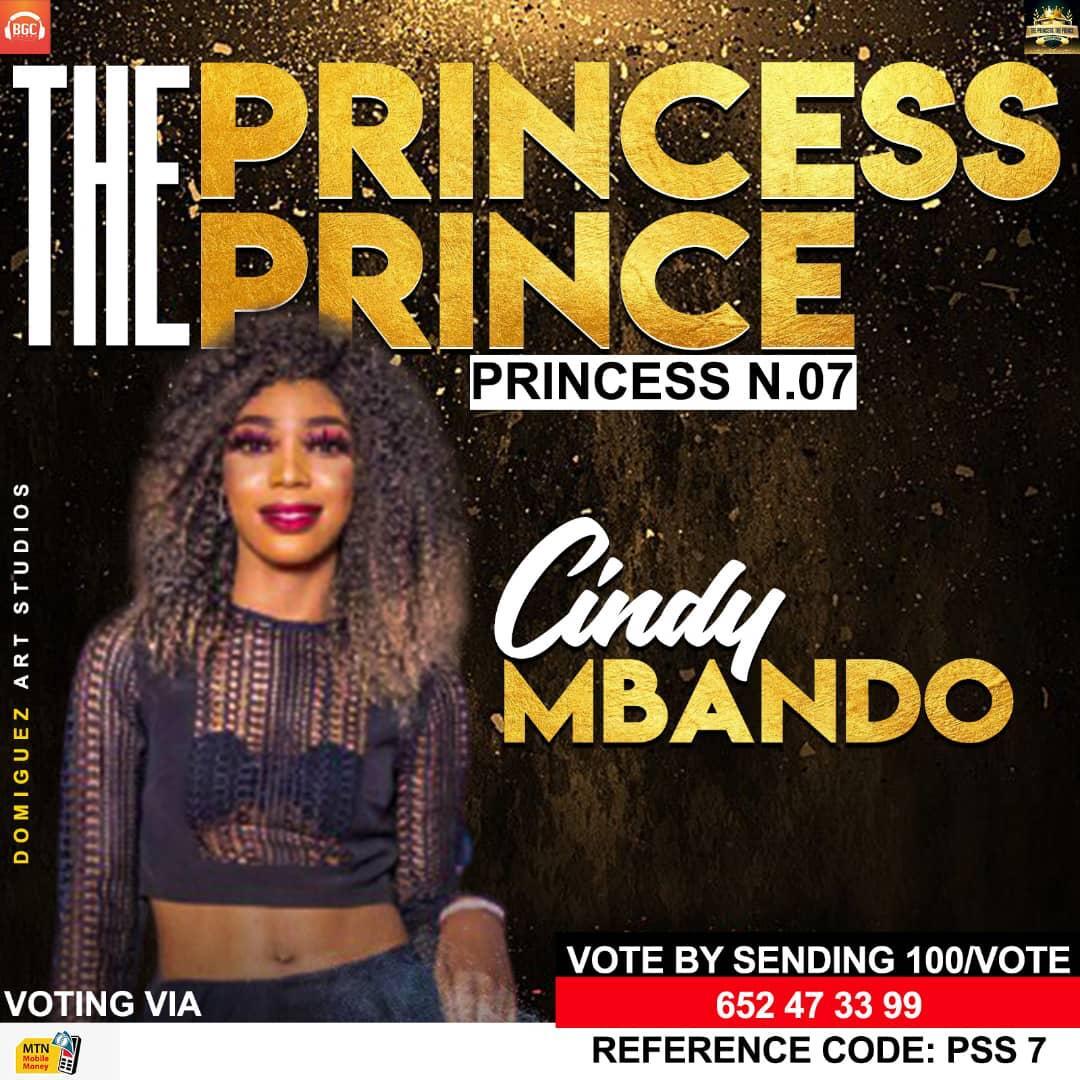
Cindy
-
Ziiana
-
Cameroonian artist Tasa
-








Comments
This post currently has no comments.