
Music Distribution Review for African Artists

A new single can be mixed, mastered, cover-ready, and still disappear at release. That is usually not a music problem. It is a distribution, metadata, timing, and promotion problem. This music distribution review is built for African and diaspora artists who want their Afrobeats, rap, amapiano, gospel, R&B, or dance record to reach listeners beyond their immediate circle.
Getting music onto streaming platforms is no longer the hard part. The real decision is choosing a distribution partner that fits your release plan, your budget, your team, and the markets you want to reach. A distributor can place your music in stores. It cannot automatically build a fan base, secure radio rotation, create a strong video campaign, or make the press care. Those are separate jobs, and your release strategy needs to account for all of them.
What a music distribution review should actually measure
Many artists compare distributors by looking only at annual pricing or the percentage of royalties they keep. Those details matter, but they are not the full business picture. The cheapest option can become expensive when it creates delays, confusing royalty statements, slow customer support, or limited tools at the exact moment your release starts moving.
Start with platform coverage. Your distributor should deliver to the major global streaming and download stores, but availability in African markets and diaspora listening communities also deserves attention. Your audience may stream on one major platform in the United States, use another service in Cameroon or the Democratic Republic of Congo, and discover your video through social channels before they ever save a track. Distribution must support that listener journey.
Then look at release control. Can you schedule a release far enough ahead to pitch it properly? Can you edit credits, swap artwork, manage territories, set a future takedown date, or correct a metadata error without losing momentum? These operational details feel small until a collaboration is missing a featured artist credit or a song launches under the wrong artist profile.
A serious review also examines royalty reporting. Artists need statements that clearly show where plays, downloads, and revenue came from. You should be able to identify whether growth is coming from the United States, Europe, Central Africa, the Caribbean, or another audience center. That information shapes the next campaign, the next video budget, and the cities worth targeting for shows.
Distribution is not music marketing
This distinction protects artists from unrealistic expectations. Distribution delivers music to digital platforms. Marketing gives that music a reason to be found, heard, remembered, and shared.
If you release a record with no visual assets, no press angle, no artist story, no pre-release content, and no outreach plan, placing it on 100 platforms will not change the result. The song is available, but availability is not visibility.
For emerging African artists, that gap can be especially costly. Your sound may be culturally specific, globally competitive, and made for movement, but unfamiliar artists still need context. A radio presenter needs a clean pitch. A blogger needs a story. Fans need clips that show the energy of the record. Playlist curators and DJs need an early reason to pay attention.
That is why an integrated team can be valuable. BGC Melody approaches releases through a wider artist-development lens that can include digital release support, video promotion, publicity, radio plugging, and representation. Not every artist needs every service. But an artist preparing a major cross-border release should know where distribution ends and the campaign begins.
The trade-offs behind common distribution models
There is no single best distributor for every artist. The right option depends on how often you release, how much support you need, and whether you prefer predictable annual costs or a revenue-share model.
Annual-fee distribution
Some distributors charge a yearly fee and allow artists to keep most or all of their royalties. This can work well for artists with an active release schedule, organized metadata, and the ability to handle basic account management themselves. The trade-off is that low-cost plans may offer limited support, extra charges for certain features, or removal of music if the subscription is not renewed.
Before choosing this model, ask what happens to your catalog if you stop paying. A song that has built playlists and fan saves should not vanish because an annual renewal date was missed.
Commission-based distribution
Other companies take a percentage of earnings rather than charging a standard upfront fee. This may suit a new artist with limited cash flow, especially when the company provides useful support or flexible release services. The trade-off is obvious: if a record performs well for years, the percentage can become far more expensive than a flat annual plan.
This model makes the most sense when the distributor offers real value beyond upload access, not just a digital delivery form with a different payment structure.
Label services and managed distribution
A managed partner may offer hands-on release planning, editorial pitching, campaign coordination, marketing support, and strategic guidance. This route can be strong for artists who already have traction, a serious project, or a team ready to execute. It may also involve stricter selection, larger fees, or a larger share of revenue.
The key question is not whether a managed service sounds prestigious. It is whether the support is specific, measurable, and appropriate for your current stage.
Questions to ask before you deliver your next record
Do not sign up based on a flashy promise of global reach. Ask practical questions that reveal how the company operates when there is a problem or opportunity.
- Which stores and territories receive my music, and can I choose territories?
- How early should I upload to protect my release date and support pitching?
- Do I retain ownership of my masters and control over takedowns?
- How are royalties reported, paid, and split among collaborators?
- Is customer support available when metadata, artist profiles, or release dates need correction?
- What extra fees apply to content ID, YouTube monetization, cover-song licensing, or faster delivery?
Also ask about content claims. If your beat includes uncleared samples, your artwork uses an image you do not own, or your song title copies another artist in a misleading way, a distributor cannot protect you from the consequences. Distribution requires clean rights, accurate credits, and professional records from day one.
Build the release before the upload
The strongest distribution choice cannot repair a rushed release. Give yourself enough runway to finalize the master, artwork, credits, lyrics, short-form video, artist photos, and campaign copy. For a lead single, four to six weeks of preparation is far more useful than uploading on Friday morning and hoping the algorithm notices.
Your metadata deserves the same care as the record itself. Use the correct artist name consistently. Confirm featured artists before delivery. Credit producers, writers, and publishers accurately. Choose the right genre without trying to game the system. A clean release looks professional to platforms, collaborators, media teams, and future business partners.
Think in assets, not only audio. A single can generate a cover reveal, a studio clip, a chorus performance, a dance challenge, a lyric visual, a music video teaser, a DJ pack, a radio edit, and a live-performance moment. Not every record needs all of these, but a release with multiple entry points gives fans more than one reason to engage.
Read the data, then move with it
After release day, watch what listeners do rather than relying only on total streams. Are people saving the song? Which city is responding first? Is one short video driving profile visits? Are listeners finishing the track or skipping early? Is a featured artist bringing real new fans or only a temporary spike?
Use those answers to direct the next move. If a city is responding, target local radio, DJs, event promoters, and community media. If a hook is winning on video, make more content around that section. If a record is growing in a new country, make sure your press story and audience messaging can travel there.
A distributor is a channel, not a career plan. Choose one that protects your catalog, reports your money clearly, and gives your team the control it needs. Then give the music a real campaign, a visible story, and enough time to find the people who will carry it forward.
Latest Movie
The Princess, The Prince Reality TV Show
Cindy MbandoContestant Number: Princess 07To vote for her, send momo to 652473399 and write PSS 07 as REFERENCE.NOTE: 1 vote is 100FCFA, and it is through the momo number given above. You can vote as many times as you can. Remember, momo vote is 70%.Also like, comment, and share this video as many times as possible to maximize her chances.The Princess, The Prince Reality TV Show.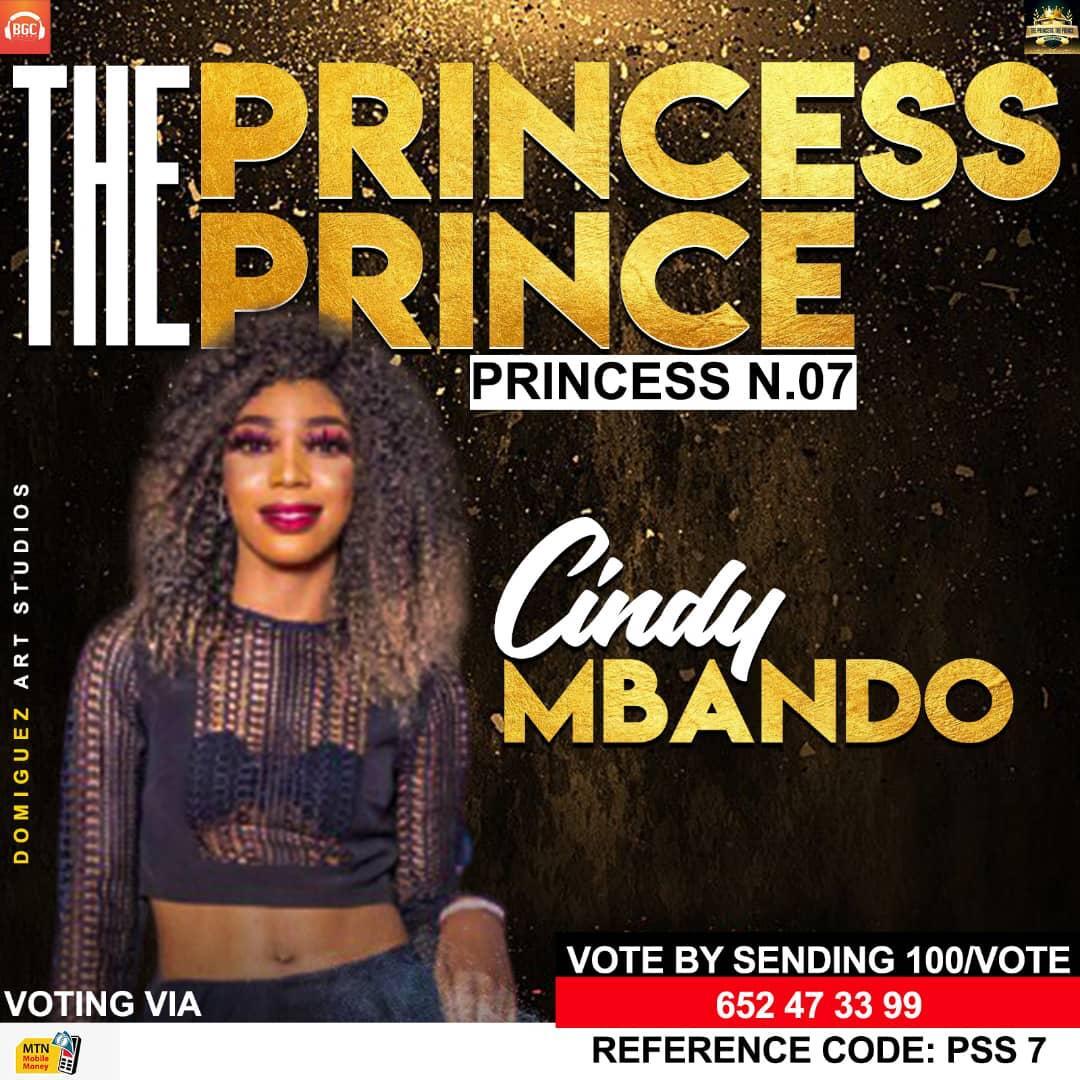
Cindy
-
Ziiana
-
Cameroonian artist Tasa
-








Comments
This post currently has no comments.