
Music Licensing for Filmmakers Made Clear
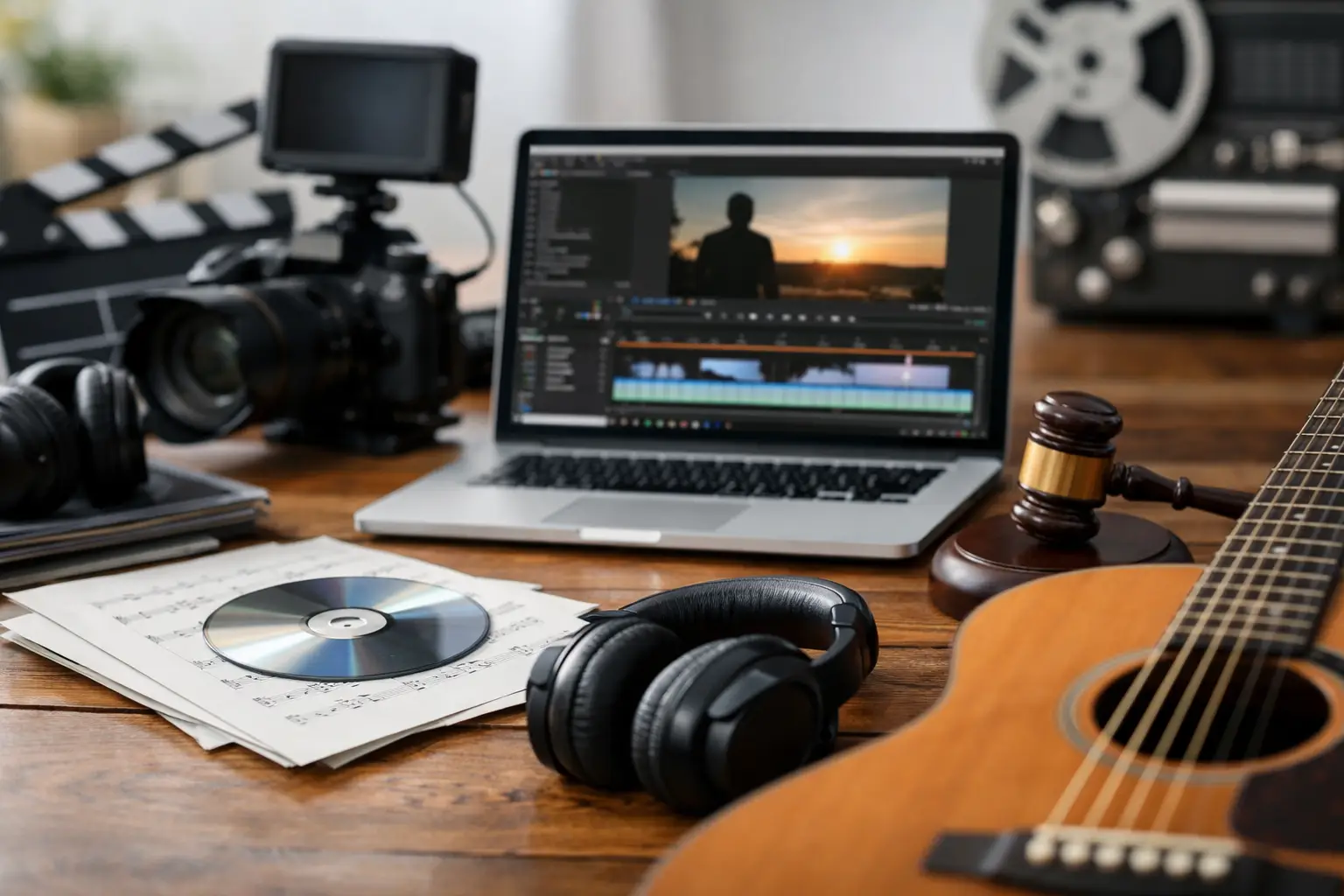
A powerful scene can lose its pulse the second the music is removed. For directors, producers, and independent crews, music licensing for filmmakers is not paperwork added after the edit. It is the business decision that determines whether a soundtrack can stay in the film when it reaches festivals, streaming platforms, theaters, broadcasters, social media, and audiences across borders.
For African and diaspora storytellers, music can carry even more weight. A Congolese guitar phrase, an Afrobeats rhythm, a Cameroonian vocal, or a gospel-infused hook can locate a story in a real community within seconds. That cultural specificity is valuable, but it also means the rights must be handled with care. A track that feels perfect in a rough cut is only an asset when every required permission is in place.
What Music Licensing for Filmmakers Actually Covers
Music licensing is permission to use music in a specific audiovisual project under agreed terms. Those terms should state where the music will appear, how long it can be used, which territories are included, how long the license lasts, and whether the producer may use the music in marketing.
The most common permission is a synchronization license, usually called a sync license. It allows a composition to be paired with visual content. If you want to use an existing recorded song, you normally need a separate master use license as well. The sync license covers the underlying song: lyrics, melody, and composition. The master license covers the specific recording.
That distinction creates a frequent problem for independent filmmakers. A producer may get verbal approval from a recording artist, then learn that a producer, songwriter, publisher, or label controls part of the rights. The artist may own the master but not the composition. Or the artist may control the song but have a distribution agreement that affects commercial use. A clear written agreement protects the film and the artist relationship.
Start With the Release Plan, Not the Playlist
Before choosing tracks, define where the film is meant to go. A short film screening at one local event needs a different license than a feature planned for global streaming. A music video, branded documentary, episodic series, film trailer, and social campaign each create different rights questions.
A smart music brief should identify the intended media: festival screenings, theatrical release, broadcast, subscription streaming, transactional video, airline or in-flight use, educational screenings, websites, paid ads, and social platforms. It should also identify territories and term. “Worldwide, all media, perpetuity” gives the producer broad protection, but it may cost more than a limited festival license.
There is no universal best option. If a filmmaker is testing a short at regional festivals with no immediate sales plan, a one-year festival license can preserve budget. The trade-off is that a later distributor may require expanded rights before acquisition. If the soundtrack is central to the film’s identity, clearing broader rights from the beginning can prevent a costly replacement edit later.
Do Not Forget the Trailer and Social Cutdowns
A license for the film does not automatically cover the trailer. It may not cover a 30-second Instagram reel, a paid promotional ad, a behind-the-scenes episode, or a television spot either. Ask directly whether promotional use is included and whether the music can be edited, looped, faded, or used under dialogue.
This matters because trailers often travel farther than the film itself. A campaign can reach viewers in the United States, Africa, Europe, and diaspora communities long before the first screening. If the music is not cleared for that campaign, the production may have to mute, replace, or remove the promotional material at the moment visibility is building.
Know What You Are Licensing
Filmmakers generally work with three practical music routes: original commissioned music, existing commercial music, and pre-cleared catalog music.
Original music gives the production the strongest creative control. A composer can build around pacing, character, language, and emotional changes in the cut. A filmmaker creating a story set between Arlington and Douala, for example, can commission a score that respects both places rather than using a generic “African-inspired” track. The agreement should specify ownership, payment, credit, revisions, delivery dates, and whether the composer may reuse themes elsewhere.
Existing commercial music can bring instant recognition and cultural energy. It can also take longer to clear and cost more, especially when a song has multiple writers, publishers, labels, or sample claims. A recognizable Afrobeats record may be worth the investment if it is essential to the story or marketing, but do not edit the entire climax around it until rights are confirmed.
Pre-cleared catalog music is often faster and more budget-friendly. The key phrase is “often,” not “always.” Read the license. Some catalogs limit use by project type, audience size, platform, budget level, or paid advertising. Others require an ongoing subscription that may not protect a film after the subscription ends. Pre-cleared does not mean consequence-free.
Build a Rights Chain Before Picture Lock
The strongest licensing process begins while the edit is still flexible. Create a music cue sheet that lists every piece of music in the project, even music playing faintly in a restaurant, car, club, or background scene. Include the title, writers, publishers, recording owner, source, exact timing, duration, and intended use.
Then keep the paperwork connected to that cue sheet. Save signed licenses, invoices, emails confirming terms, split sheets, composer agreements, and proof of payment in one production folder. Distributors, broadcasters, insurers, and legal teams may ask for this chain of title. If documents are scattered across personal inboxes and old messaging threads, a simple delivery request can become a serious delay.
Do not rely on a song being publicly available online. A track on a streaming service, YouTube channel, or artist page is not automatically cleared for film use. Buying a download gives you listening rights, not sync rights. Crediting an artist is good professional practice, but credit does not replace permission.
Samples, Covers, and Beat Leases Need Extra Attention
A cover version still involves the underlying composition. A new recording of a famous song may avoid the original master recording, but it does not remove the need to clear the song itself for audiovisual use.
Sample-based music can be even more complex. If a producer used an uncleared sample, the filmmaker may inherit the risk when the record enters a commercial film. Ask for warranties from the rights holder and, when the stakes are high, request confirmation that samples and collaborators have been cleared.
Beat leases deserve the same scrutiny. Many artists release music over leased beats with terms designed for audio distribution, not film synchronization. The artist may have the right to release the song but not the right to authorize a filmmaker’s commercial use. Read the producer agreement before accepting anyone’s approval.
Put the Budget Where the Audience Will Feel It
A limited budget does not require weak music choices. It requires early choices. Set aside a music line before production, not after the final cut. That line may include licensing fees, a composer fee, music supervision, legal review, soundtrack mixing, musician payments, and contingency for a replacement track.
Negotiation is part of the creative business. An emerging artist may offer a favorable rate in exchange for proper screen credit, a soundtrack placement, promotional visibility, or a relationship with a film team that understands their audience. Keep the conversation professional. Exposure alone is not payment, and a low fee should never mean vague rights.
For projects rooted in African and diaspora culture, work directly with artists and rights holders who understand the community behind the sound. BGC Melody’s wider creative ecosystem is built around that principle: music, visual storytelling, artist development, and commercial representation work best when they are connected, documented, and positioned for real audiences.
Make the Agreement Specific Enough to Survive Success
A useful license should name the production company and project, identify the song and recording, state the granted rights, and confirm the fee. It should also cover the term, territories, approved media, promotional use, credit language, editing permissions, exclusivity if any, and what happens if the project changes format.
Be especially careful with language that sounds broad but is not. “Online use” may not include paid advertising. “Festival use” may not include a festival’s streaming portal. “Worldwide” may still exclude certain platforms. If a distributor later requires errors and omissions insurance, unclear music rights can make coverage harder or more expensive to secure.
Music can make a film recognizable before a viewer remembers a line of dialogue. Treat the artists behind that sound as creative partners, clear every right with discipline, and give your story room to travel wherever the audience is waiting.
Latest Movie

The Princess, The Prince Reality TV Show
Cindy MbandoContestant Number: Princess 07To vote for her, send momo to 652473399 and write PSS 07 as REFERENCE.NOTE: 1 vote is 100FCFA, and it is through the momo number given above. You can vote as many times as you can. Remember, momo vote is 70%.Also like, comment, and share this video as many times as possible to maximize her chances.The Princess, The Prince Reality TV Show.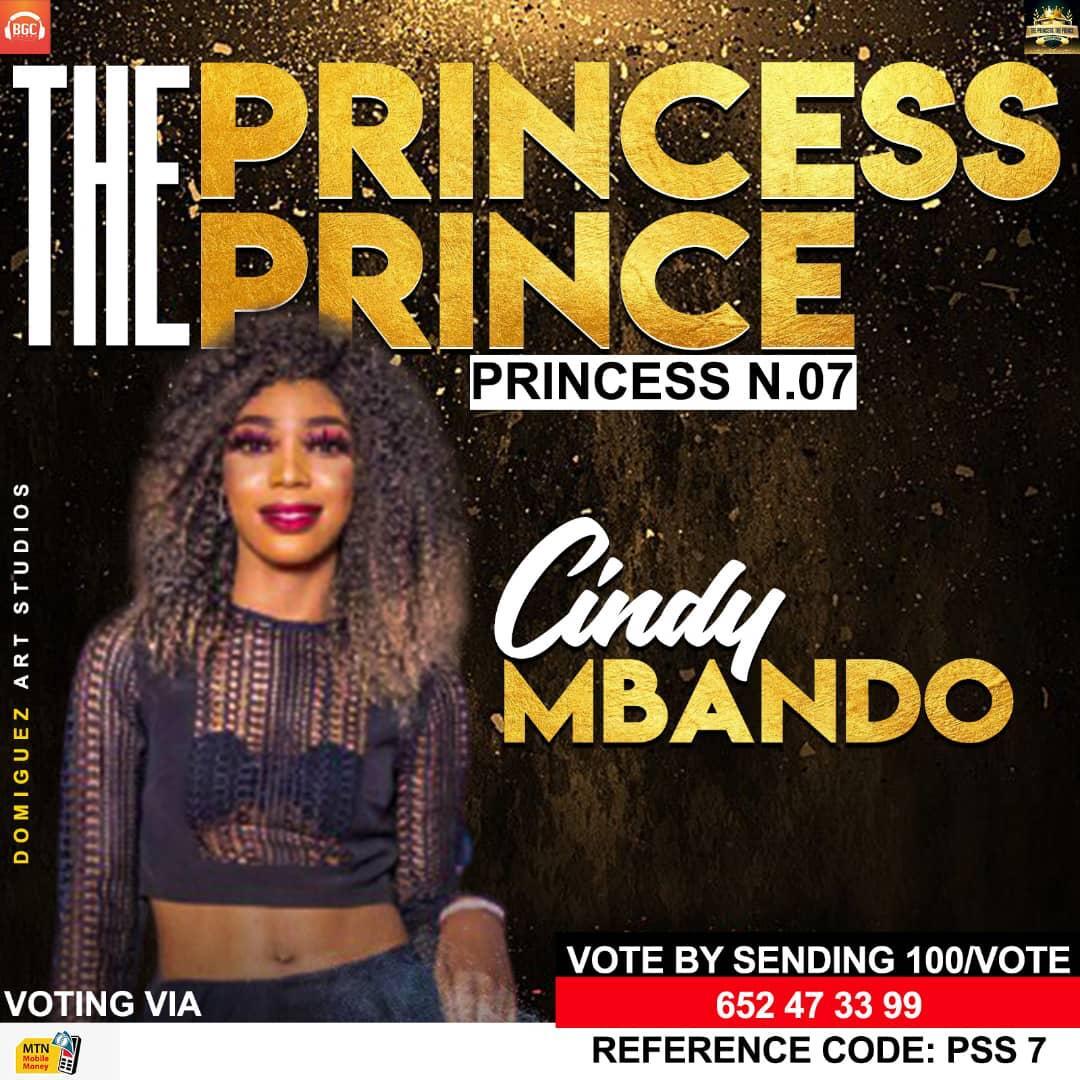
Cindy
-
Ziiana
-
Cameroonian artist Tasa
-








Comments
This post currently has no comments.