
Music Marketing Trends Moving African Artists

A strong record can travel from Douala, Kinshasa, Lagos, or Atlanta in a single night. But attention moves just as quickly. The music marketing trends shaping African and diaspora releases are less about chasing every new platform and more about building a release system that gives a record repeated chances to be heard, seen, discussed, and remembered.
For independent artists, the opportunity is real. Afrobeats, amapiano, African pop, rap, and diaspora dance sounds are influencing global playlists, club sets, fashion, film, and short-form culture. The challenge is turning a moment of discovery into lasting audience growth, ticket demand, media interest, and commercial value.
Music Marketing Trends Are Becoming Release Systems
The old model treated marketing as a final step: finish the song, upload it, then announce it. That approach leaves too much value on the table. A more effective campaign begins while the release is still being prepared, with a clear story, visual direction, audience target, and plan for the weeks after launch.
A song does not need to appeal to everyone. It needs a recognizable entry point. That might be a hook built for dance crews, a lyric that speaks to diaspora identity, an emotional vocal performance, a fashion-forward visual, or a producer-led sound that DJs can recognize immediately. The marketing should amplify that entry point rather than bury it beneath generic captions.
This also means treating each asset as part of one campaign. The cover art, teaser clips, artist photos, music video, press description, radio edit, and live performance footage should feel connected. Consistency makes an emerging artist easier to place in a listener’s mind. It tells fans and industry partners that the release has direction.
Short-form video is now a discovery tool, not the whole strategy
Short-form video remains one of the fastest ways to introduce a song, especially when a clip gives people something they can repeat, remix, dance to, quote, or use in their own posts. The strongest clips do not always look expensive. They feel immediate and culturally specific.
For an Afrobeats artist, that could be a performance clip with a visible crowd response. For a rapper, it may be a sharp 15-second bar delivered directly to camera. For a singer, it may be the moment a chorus lands over an intimate studio or street setting. The goal is not to force a trend. It is to identify the part of the record that makes someone stop scrolling.
There is a trade-off. Chasing virality can bring views without creating fans, particularly if the content is disconnected from the artist’s actual sound and personality. Use short clips to lead people toward the full release, artist profile, video, mailing list, show, or direct fan channel. A clip is the invitation, not the business model.
Fans Want Access to the Story Behind the Song
Listeners increasingly support artists they feel they know. That does not require oversharing. It requires giving the audience a credible window into the creative process, influences, and ambition behind a release.
A rollout can include rehearsal footage, a producer conversation, a short explanation of a lyric, a behind-the-scenes look at the video shoot, or a visual reference that connects the music to a place and community. African and diaspora artists have a major advantage here: the cultural context around the music is rich, global, and often underexplained by mainstream outlets. Share it in the artist’s own voice.
This is particularly valuable when introducing a genre blend. A record that combines Congolese guitar textures with contemporary rap, or amapiano rhythm with R&B vocals, benefits from context. Fans do not need a lecture, but they do respond to a story they can repeat when sharing the song with someone else.
Video Remains a Serious Marketing Asset
Music videos are not simply a luxury add-on. A focused visual can give a song a longer life, create media angles, support performance bookings, and provide weeks of usable content. For artists working across borders, video also helps establish a visual identity before they can tour every market.
Budget should shape the concept, not reduce the ambition. A well-directed performance video with intentional wardrobe, location, lighting, and editing can be more memorable than an unfocused production with multiple expensive scenes. A clear concept travels. So does a visual moment that fans can imitate or recognize instantly.
Plan the shoot for more than one upload. Capture vertical performance takes, still photography, backstage footage, interviews, alternate scenes, and clean clips for press and promoter use. One production day can support a campaign for several months when it is organized correctly.
Data Should Guide Decisions, Not Replace Taste
Streaming and social metrics can reveal where a record is gaining traction, which content format is working, and whether listeners are returning after the first play. That information matters when deciding where to pitch radio, target advertising, book appearances, or build partnerships.
If a new track is performing unexpectedly well in Washington, D.C., Houston, Toronto, London, Paris, or a particular African city, that is a signal worth investigating. It may point to a diaspora community, a DJ network, a creator cluster, or a local promoter that understands the record. Marketing money is limited. Data can help an artist concentrate effort where momentum already exists.
But numbers need interpretation. Ten thousand passive streams from a broad campaign may be less valuable than a smaller audience that saves the song, attends shows, buys tickets, and shares content without being prompted. Look for repeat listening, comments with real substance, audience location, and conversion into direct contact. The aim is not a dashboard that looks impressive. The aim is a community that can grow with the artist.
Radio, Press, and DJs Still Build Credibility
Digital discovery has changed the route to attention, but radio plugging, press coverage, and DJ support still matter – especially for artists seeking professional positioning. A respected radio play can introduce a song to commuters and community audiences who are not searching for new music all day. A targeted interview can give a release legitimacy. A DJ who believes in a record can move it from a private link into real nightlife circulation.
The key is relevance. Do not send the same generic pitch to every station, blog, or curator. Lead with the strongest fact: an emerging audience in a market, a compelling visual, a notable collaboration, a performance date, a cultural angle, or a record that fills a programming gap. Make it easy for the recipient to understand why their audience should care.
Artists should also prepare clean professional materials before outreach begins: a short bio, high-resolution photos, release details, social handles, performance clips, and an accurate contact person. Opportunities move fast, and missing assets can make a promising conversation disappear.
Partnership Marketing Is More Than a Feature Verse
Cross-border collaboration is one of the most practical music marketing trends for African artists with international goals. A feature can work, but meaningful partnerships go further. Think of dance collectives, fashion brands, campus organizations, diaspora festivals, photographers, community radio, fitness instructors, and local tastemakers whose audiences already align with the music.
The right partnership gives both sides something useful. A designer may need a soundtrack for a campaign. A dance crew may need original music for choreography. An event promoter may need an artist who can bring fresh culture and audience energy. Build a shared story instead of asking for a post with no reason behind it.
Be selective. A partnership that looks impressive but has no overlap with the artist’s identity can confuse fans. A smaller collaboration with an active, trusted community may create better results than a broad one-off endorsement.
Build the Fan Relationship Beyond Algorithms
Algorithms can change without warning. Direct audience relationships are insurance. Encourage fans to join a text list, email list, broadcast channel, fan group, or event community where the artist can communicate without relying on a feed.
This matters most after the release week, when public attention naturally drops. Give supporters reasons to stay close: an acoustic version, a live session, early show access, limited merchandise, a conversation about the next video, or a request for their city. Fans who feel included become the people who request songs, bring friends to shows, and defend an artist’s work before the wider market catches up.
For artists ready to connect release strategy, visual content, publicity, and representation, BGC Melody approaches marketing as a long-term career operation, not a single upload. The best next move is simple: choose one record, define the audience it is meant to reach, and give that audience more than one reason to press play.
Latest Movie
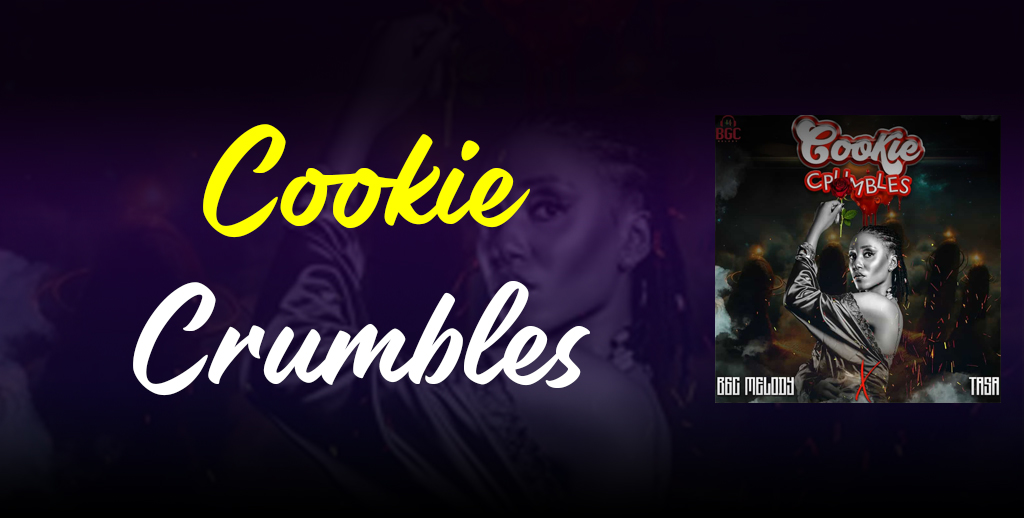
The Princess, The Prince Reality TV Show
Cindy MbandoContestant Number: Princess 07To vote for her, send momo to 652473399 and write PSS 07 as REFERENCE.NOTE: 1 vote is 100FCFA, and it is through the momo number given above. You can vote as many times as you can. Remember, momo vote is 70%.Also like, comment, and share this video as many times as possible to maximize her chances.The Princess, The Prince Reality TV Show.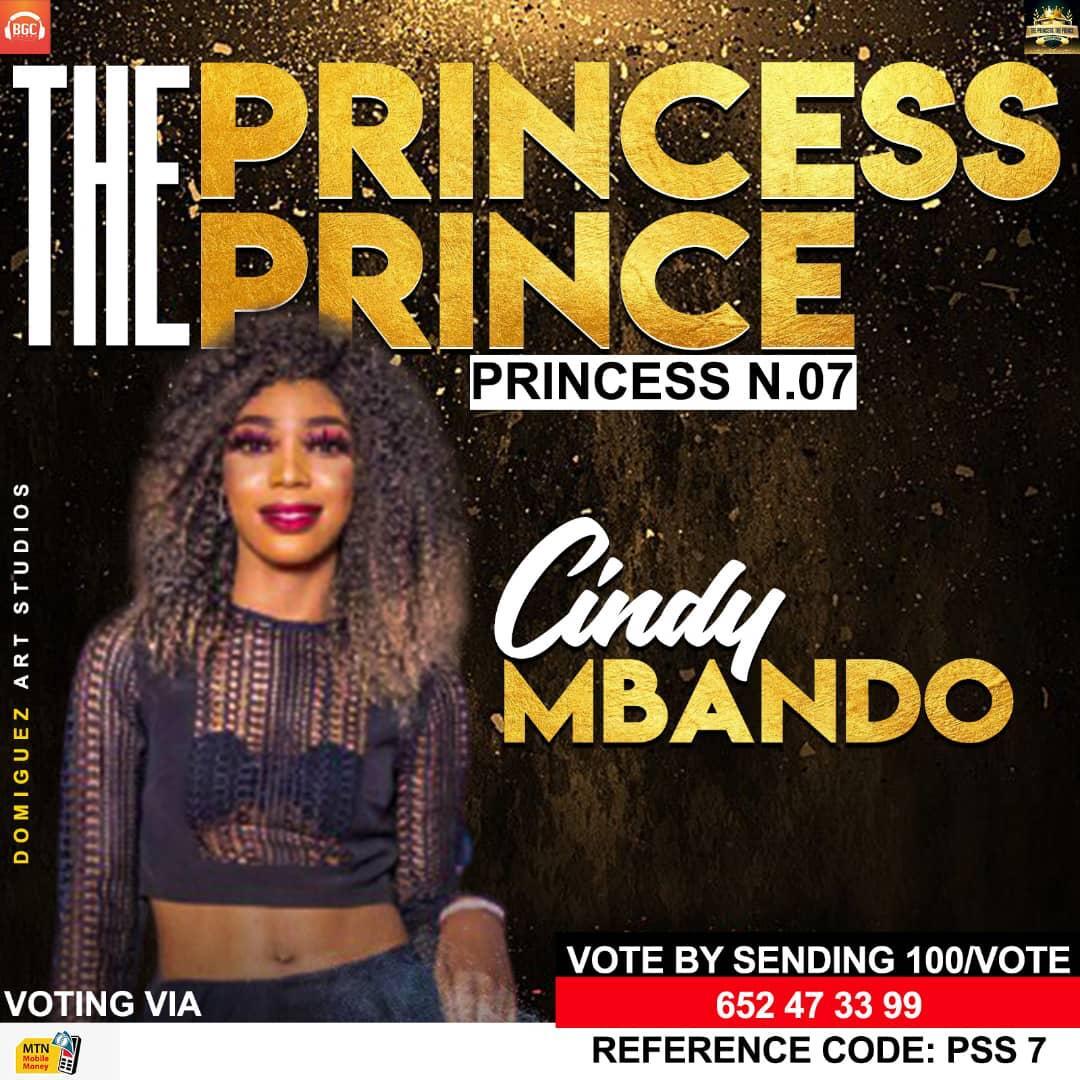
Cindy
-
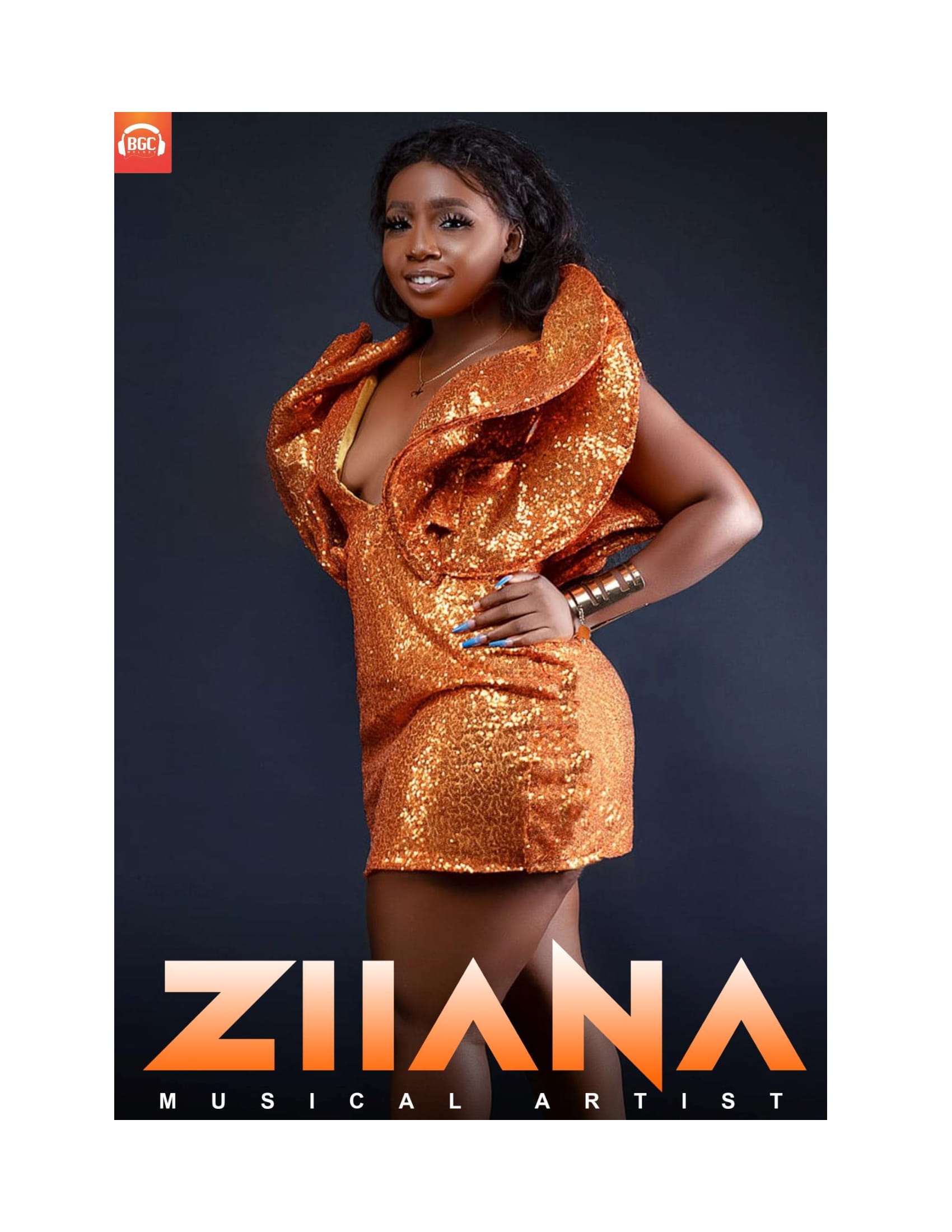
Ziiana
-
Cameroonian artist Tasa
-




Comments
This post currently has no comments.