
Music PR Results That Move an Artist Forward
A premiere is live, the artwork is moving across social feeds, and the first press mention lands. That is a strong moment, but music PR results are not defined by a logo on a blog post alone. For an independent Afrobeats artist, rapper, singer, or diaspora creative, the real question is whether visibility creates movement: more listeners, stronger industry relationships, better booking conversations, and a clearer place in the market.
Public relations works best when it supports a release plan already built to convert attention. A compelling record, clear artist story, high-quality visuals, reliable release links, and a team ready to respond all matter. PR can open doors, but the artist and campaign must give new audiences a reason to walk through them.
What Strong Music PR Results Actually Look Like
A campaign can generate dozens of mentions and still fail to change an artist’s trajectory. Another may earn only a handful of well-placed features yet lead to radio support, playlist consideration, a promoter inquiry, or a management introduction. Quantity has value, especially for search visibility and social proof, but context decides whether coverage is commercially useful.
Strong results usually appear across three connected areas: audience growth, industry credibility, and usable campaign assets. Audience growth means listeners are not simply seeing a headline. They are streaming the single, watching the video, following the artist, saving the track, or joining a community. Industry credibility means journalists, DJs, curators, bookers, brands, and collaborators can quickly understand why the artist matters. Usable assets are the clips, quotes, interviews, photos, and media logos that can keep working long after release week.
For African and diaspora artists, this is especially important. A release may need to speak to fans in the United States while remaining culturally authentic to audiences in Cameroon, Congo, Nigeria, Ghana, Germany, or other connected communities. The strongest publicity does not flatten that identity for a broader market. It gives media and new listeners a clear entry point into it.
Set the Result Before You Pitch
The most common PR mistake is beginning with a vague goal: “get the music everywhere.” No campaign can measure that. Before a publicist sends the first pitch, define the business result that matters most for this release.
A debut artist may prioritize credible introductions and a searchable press footprint. An artist with an upcoming video may need views from audiences that already engage with African pop and dance culture. A touring act may need local media support in specific cities. A more established performer may be building proof for festival buyers, brand partnerships, or a larger distribution conversation.
These goals lead to different media choices. A regional radio interview can be more valuable than a broad but passive repost if the artist is performing in that market. A respected culture publication can carry more long-term weight than a high-volume outlet with no relationship to the fan base. There is no universal media list that guarantees progress.
Set a baseline before launch. Record current monthly listeners, follower counts, video views, website or smart-link visits, email sign-ups, radio spins if available, and booked opportunities. Then establish a realistic campaign window, usually from several weeks before release through several weeks after. Without a starting point, every result can feel impressive or disappointing based only on emotion.
Measure Attention, Action, and Authority
Press coverage is only the first layer. The next layer is what people do after exposure. Track referral traffic where possible, look for spikes in streams after an interview or premiere, and monitor whether followers are increasing from the markets you are targeting. Watch video retention too. A high view count means less if viewers leave before the song reaches its strongest moment.
Authority is harder to measure, but it is often where PR earns its longest value. Consider the quality of the outlet, the relevance of its audience, the depth of the feature, and whether the story positions the artist accurately. A one-line inclusion in a crowded roundup is different from an artist profile that explains the music, background, creative process, and future direction.
It also helps to separate earned coverage from paid placement. Both can have a place in music marketing when disclosed and chosen strategically. Earned editorial attention signals that a gatekeeper found the story worth sharing. Paid visibility can provide reach, targeting, and dependable timing. Treating them as the same result makes reporting less honest and future planning less effective.
The signals worth reporting
A practical report should show more than screenshots. It should connect activity to outcomes: the outlets secured, estimated relevance and reach, content formats delivered, audience actions, engagement quality, and opportunities generated. Include direct quotes from reviews or interviews when they strengthen the artist’s positioning.
Pay attention to qualitative signals as well. Are listeners repeating the artist’s message in comments? Are DJs asking for clean edits? Are fans tagging friends, requesting lyrics, or asking where to see the artist live? These reactions show that the campaign is building recognition rather than producing empty impressions.
The Release Needs a Story, Not Just a Link
Media teams receive an endless stream of new music. “New single available now” is accurate, but it is rarely enough to earn attention. A pitch needs a reason for the release to exist at this moment and a reason the selected outlet’s audience should care.
That story may come from the record’s sound, a personal turning point, a cross-border collaboration, a music video concept, a local scene, or a larger artist-development milestone. It should be specific without forcing drama. If the song is a celebration record, present its energy and cultural reference points. If it comes from grief, migration, faith, love, or ambition, let the narrative be honest and focused.
Visual readiness changes the outcome. Editors and radio producers move quickly, so provide polished artist photos, cover artwork, a concise bio, accurate credits, short and clean music descriptions, and video materials where appropriate. If the artist has a strong performance clip or behind-the-scenes moment, it can give a media outlet a more immediate reason to post.
This is where integrated support matters. A single campaign becomes more persuasive when the PR narrative, digital release, radio approach, artist profile, and video rollout tell the same story. At BGC Melody, that connected approach helps artists turn one release into multiple professional touchpoints instead of treating each channel as an isolated task.
Timing Can Protect or Waste the Campaign
Publicity is not a button to press on release day. The lead time depends on the target. Some digital outlets can respond quickly, while radio programmers, print editors, and larger editorial teams may need weeks. A music video premiere, event announcement, or album campaign often benefits from a longer runway than a surprise single.
Avoid sending every asset at once with no follow-up plan. Build momentum in phases. Early outreach can introduce the artist and establish the story. Release-week activity can push interviews, reviews, social clips, and fan action. The weeks after launch can sustain the record with acoustic performances, remix news, radio moments, audience reactions, or a visual release.
Do not confuse repeated posting with sustained momentum. If there is no new reason to talk about the song, the campaign can feel recycled. A thoughtful follow-up asset gives the audience a fresh reason to return.
When the Numbers Look Quiet
Not every good campaign produces an immediate streaming spike. A niche artist may be laying the foundation for a later release. A sophisticated press profile may influence a booking decision that is never visible in analytics. At the same time, “brand awareness” should not become an excuse for weak execution.
Review what happened with clear questions. Did the campaign reach the intended audience? Was the music easy to access? Did the artist’s story make sense in one sentence? Did visual content meet the quality of the record? Were calls to listen, watch, follow, or book the artist direct? Did the campaign begin early enough?
Use those answers to improve the next release rather than starting from zero. Keep the strongest quotes, update the electronic press kit, note responsive journalists and DJs, and identify the territories where engagement was real. Music careers are built through accumulated trust. Each well-run campaign should make the next conversation easier.
The best result is not a temporary burst of noise. It is a growing number of people who can name the artist, recognize the sound, and know exactly why they should press play when the next release arrives.
Latest Movie
The Princess, The Prince Reality TV Show
Cindy MbandoContestant Number: Princess 07To vote for her, send momo to 652473399 and write PSS 07 as REFERENCE.NOTE: 1 vote is 100FCFA, and it is through the momo number given above. You can vote as many times as you can. Remember, momo vote is 70%.Also like, comment, and share this video as many times as possible to maximize her chances.The Princess, The Prince Reality TV Show.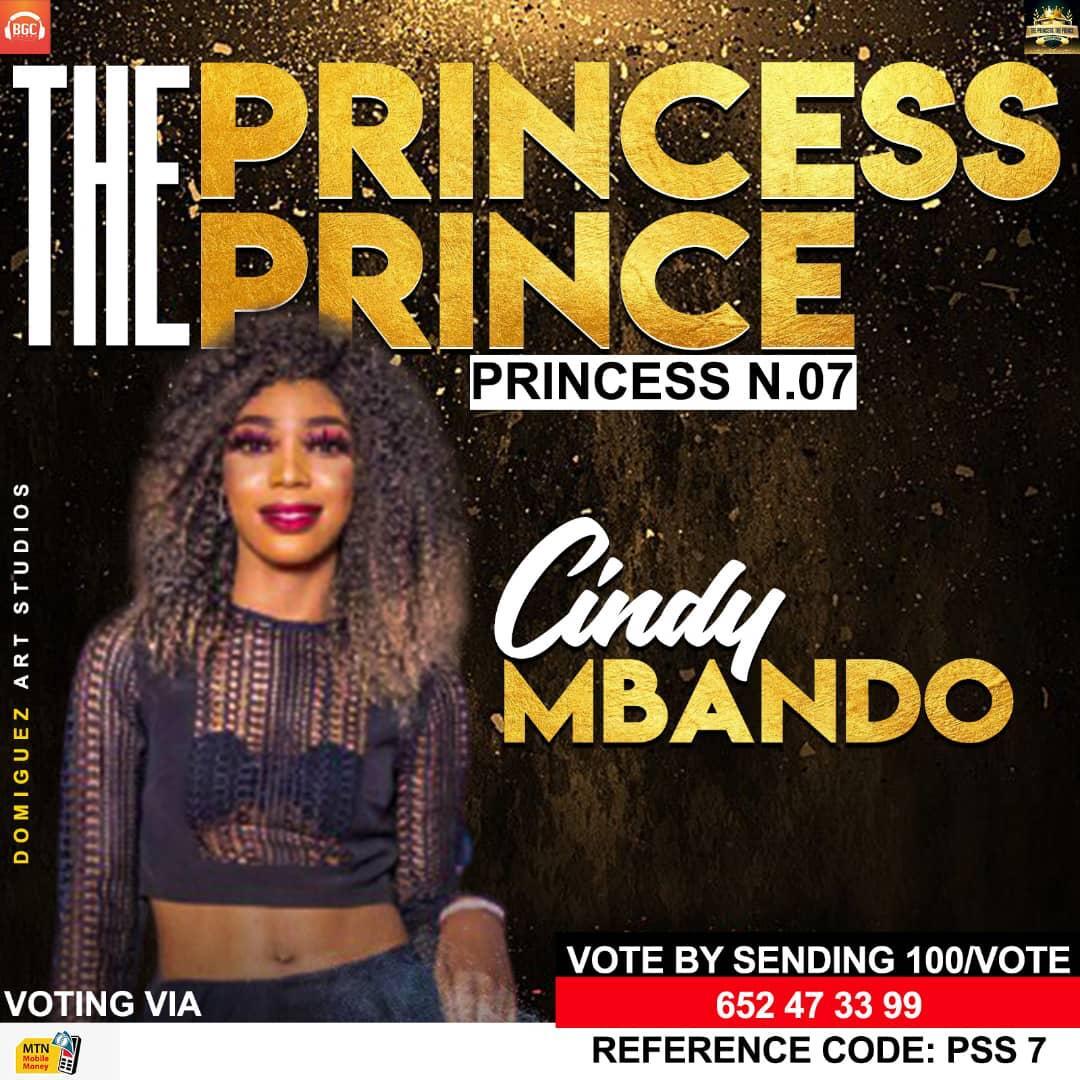
Cindy
-
Ziiana
-
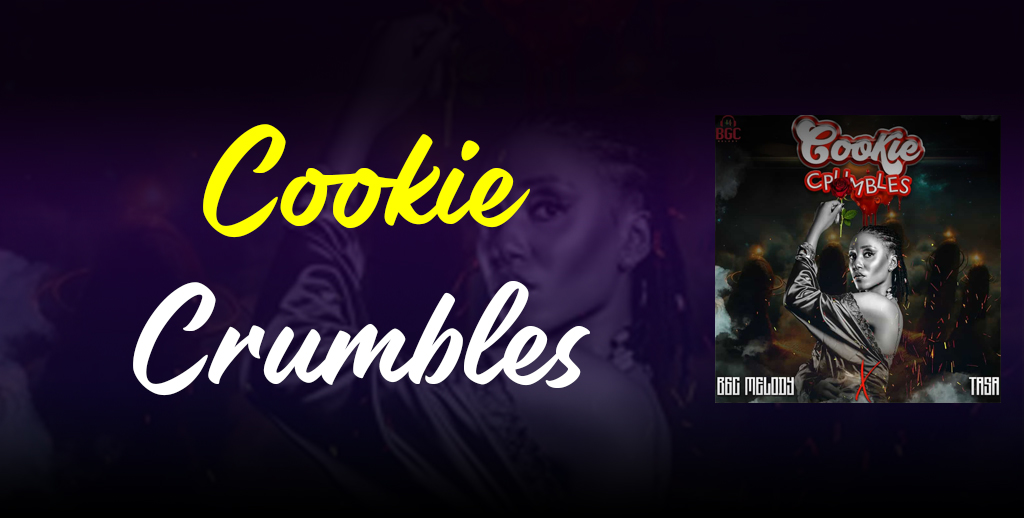
Cameroonian artist Tasa
-







Comments
This post currently has no comments.