
Music Promoter Versus Booking Agent: Know the Difference

A sold-out room can look like one success story from the stage, but several professionals may have made it happen behind the scenes. The music promoter versus booking agent question matters because these roles affect different parts of your career: one creates demand for a specific event, while the other helps secure the opportunities where you perform. For African and diaspora artists building audiences across cities, countries, and platforms, knowing the difference protects your time, your money, and your reputation.
Music Promoter Versus Booking Agent: The Core Difference
A booking agent represents an artist in the live-performance marketplace. Their job is to find and negotiate performance opportunities, whether that means a club date, festival slot, university show, corporate event, cultural celebration, or international tour. They speak to venue talent buyers, festival programmers, and event organizers about why an artist belongs on a bill and what the terms should be.
A music promoter is focused on making a particular event visible, desirable, and financially viable. Promoters may book a venue, develop the event concept, fund advertising, sell tickets, coordinate local media, hire support acts, and drive the audience into the room. In many cases, the promoter pays the artist a guaranteed fee, a percentage of ticket revenue, or a combination of both.
The simplest way to remember it is this: the agent brings the artist to the opportunity; the promoter brings the audience to the show. Those responsibilities can overlap, especially in independent music scenes, but they are not the same job.
For a rising Afrobeats artist in the United States, an agent might negotiate a performance at a diaspora festival in Atlanta. The promoter for that festival then handles the campaign: flyers, radio partnerships, social content, ticketing, sponsorship outreach, venue operations, and the local experience that gets fans through the door.
What a Booking Agent Actually Does
A strong booking agent thinks beyond the next available date. They look at routing, market readiness, venue size, ticket history, fan data, travel costs, and the artist’s wider release plan. A headline show in a 150-capacity room may be a better move than opening a larger event if the goal is to prove ticket-buying power. On the other hand, a strategic support slot can put a new artist in front of thousands of potential fans without the risk of carrying an entire show.
Agents also negotiate contracts. That includes performance fees, deposits, set length, billing placement, hospitality, sound requirements, travel arrangements, cancellation terms, merchandise sales, and settlement details. This work is less glamorous than posting a tour flyer, but it can prevent expensive misunderstandings.
Most agents earn a commission on the performance fee, commonly around 10 percent, though arrangements vary. A legitimate agent should be clear about commission, territories, exclusivity, and the types of bookings they will pursue. They should not promise festival placements or guaranteed sold-out shows without a realistic plan and a track record that supports the claim.
An agent is especially valuable when an artist has momentum to convert. That may be a growing streaming audience, a breakout video, strong local ticket sales, radio support, a reliable live set, or meaningful demand from diaspora communities in multiple cities. Without evidence of demand, even a skilled agent has limited leverage. Their role is to create access and negotiate value, not manufacture a fan base from nothing.
When an Artist May Not Need an Agent Yet
Early-stage artists can book their own local shows while they develop performance discipline and audience data. That does not mean booking is easy, but self-booking can teach you how venues operate, what your show costs, and which markets respond to your music.
The warning sign is when administration begins to replace artistry. If you are spending every week chasing emails, comparing contracts, coordinating travel, and following up on unpaid deposits, you may be ready for representation. The right time is not based on follower count alone. It is based on whether live opportunities are arriving faster than you can professionally manage them.
What a Music Promoter Actually Does
A promoter takes risk on an event. If ticket sales are weak, advertising costs rise, or a venue issue disrupts the night, the promoter usually feels the financial impact first. That risk is why promoters pay close attention to an artist’s ability to attract people in a specific market, not just their total social media following.
Promoters build the local campaign around a show. They may create artwork, organize street teams, secure community partners, run paid digital ads, pitch radio and blogs, coordinate DJs and hosts, manage ticket tiers, and work with the venue on production. For a culturally focused event, they may also understand the local community language, trusted media outlets, dance culture, and the artists that can make a lineup feel essential.
A promoter can be an important partner in artist growth, particularly when they know how to present African music to both core fans and new listeners. The best promoters do not simply announce a date and expect the artist to carry all marketing. They build a reason to attend.
Still, artists should be careful with vague promotion promises. Ask what the campaign includes, how the ticketing is managed, who controls attendee data where applicable, what advertising budget is planned, and when settlement will happen. A poster on social media is not a full promotion strategy. Neither is a claim that an event will be “major” without a venue, budget, ticketing plan, and confirmed audience path.
Where the Roles Overlap
In independent scenes, one person may act as promoter, talent buyer, manager, and informal booking contact. A venue owner may book an artist directly and promote the event. An artist manager may negotiate a one-off appearance. A self-promoted artist may rent a venue, sell tickets, and market the show independently.
This overlap is common, but it calls for clear paperwork. Every party should understand who is responsible for promotion, travel, production, artist hospitality, ticket reconciliation, and payment. If an artist is expected to post, email fans, shoot a promo video, or appear at media interviews, put those obligations in writing before the campaign begins.
Do not assume that a booking agent will promote the show, or that a promoter will source the next five dates on your calendar. Those may be add-on services, but they should never be left to guesswork.
Choosing the Right Partner for Your Next Move
The right partner depends on the problem you need solved. If you have growing demand but cannot access suitable venues, festival buyers, or fair performance terms, a booking agent may be the priority. If you already have a confirmed date but need people to know, care, and buy tickets, you need a capable promoter or an experienced event marketing team.
For artists moving between African markets and diaspora cities, local knowledge is often worth more than a large contact list. A promoter who understands the crowd in Houston may not have the same reach in Washington, D.C., Toronto, London, or Douala. An agent who understands routing can help avoid wasteful travel, but a local promoter still needs a credible campaign in each market.
Your release cycle should shape the conversation. A new single, video premiere, radio push, or media feature can create a reason for a live appearance. In return, a strong show creates video clips, fan content, press moments, and audience data that can strengthen the next release. This is where integrated artist development matters. BGC Melody approaches visibility as a connected system of music, visual content, publicity, and representation rather than isolated tasks.
Questions to Ask Before You Say Yes
Before accepting a booking or event partnership, ask direct questions. Who is paying the artist, how much is guaranteed, and when is the deposit due? What is the venue capacity and ticket price? Who is handling marketing, and what is the actual budget? Will there be professional sound, lighting, security, and a clear production schedule? What happens if the event is canceled or the promoter changes the terms?
You should also ask how your name will be billed. Opening for a major act can be valuable, but only if your placement, set time, promotional visibility, and audience fit make sense. A late set in front of an empty room may not build your career, even if the flyer looks impressive.
A trustworthy partner welcomes these questions. Pressure to sign immediately, unclear payment language, requests for upfront “booking fees,” or refusal to issue a contract should stop the conversation until the details are verified.
Your live career grows when every show has a purpose. Choose an agent when you need access and negotiation. Choose a promoter when you need a market activated around a date. Choose both when the opportunity is large enough to require professional representation and serious audience-building. Then make the next performance more than a night out: make it proof that your music can move people, city by city.
Latest Movie

The Princess, The Prince Reality TV Show
Cindy MbandoContestant Number: Princess 07To vote for her, send momo to 652473399 and write PSS 07 as REFERENCE.NOTE: 1 vote is 100FCFA, and it is through the momo number given above. You can vote as many times as you can. Remember, momo vote is 70%.Also like, comment, and share this video as many times as possible to maximize her chances.The Princess, The Prince Reality TV Show.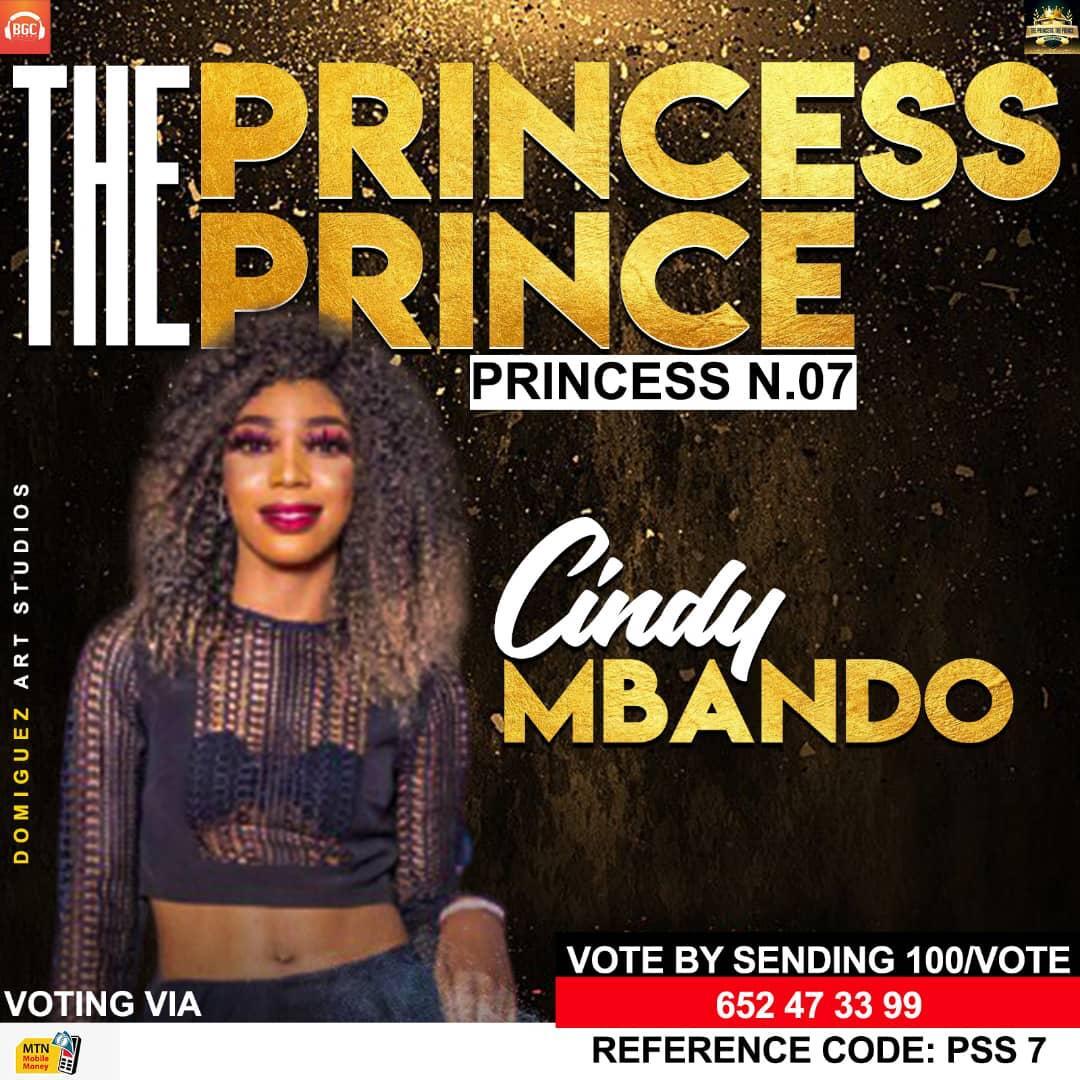
Cindy
-
Ziiana
-
Cameroonian artist Tasa
-







Comments
This post currently has no comments.